What is a seal's favorite food?

Seals are magnificent marine carnivores, and understanding their diet reveals much about their dependency on healthy ocean ecosystems. While pinpointing a single "favorite" food for every seal species worldwide is impossible due to vast differences in geography and available prey, the overwhelming majority of their sustenance comes from the sea's depths, with fish forming the absolute cornerstone of nearly every seal's diet.
# The Staple Prey
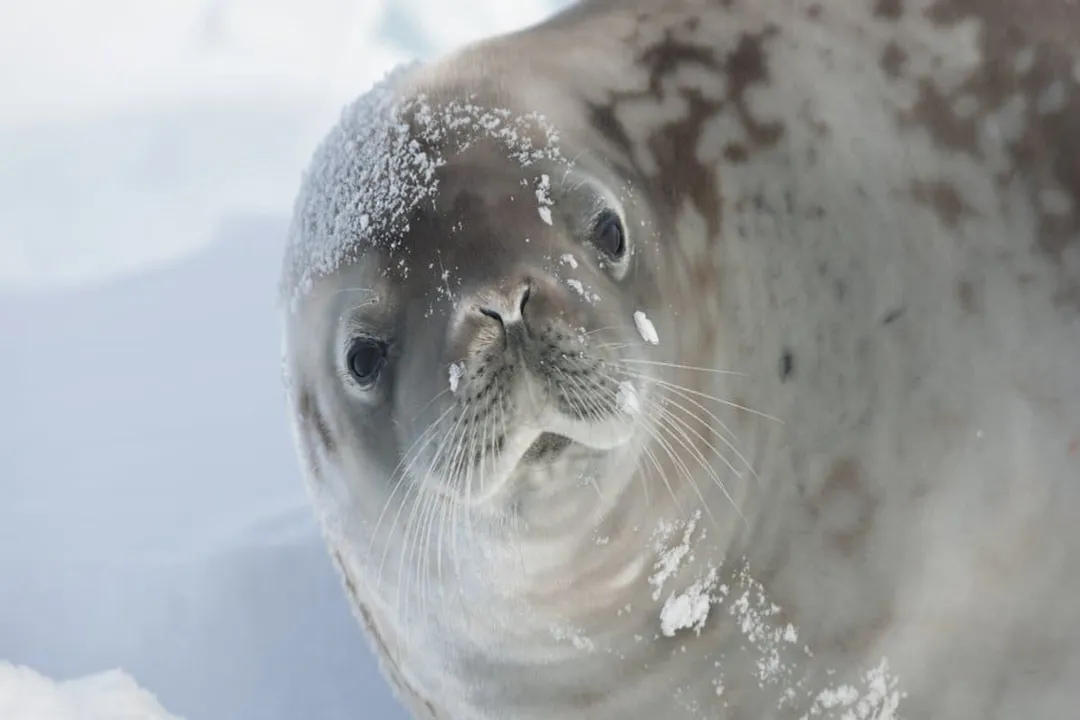
Fish provide the bulk of the necessary calories and nutrients for seals. The specific types of fish consumed are highly adaptable, reflecting what is locally abundant at the time of feeding. For example, species like herring, cod, salmon, and mackerel are frequently mentioned as common dietary staples across various seal populations.
Harbor seals offer a great illustration of this variability. In one location, a harbor seal might heavily rely on herring, anchovies, and rockfish. In another, their main catch could shift to flounder and sole. This regional adaptation means that the "favorite" meal today might be replaced by another tomorrow simply based on migration patterns or seasonal availability.
# Invertebrate Supplements
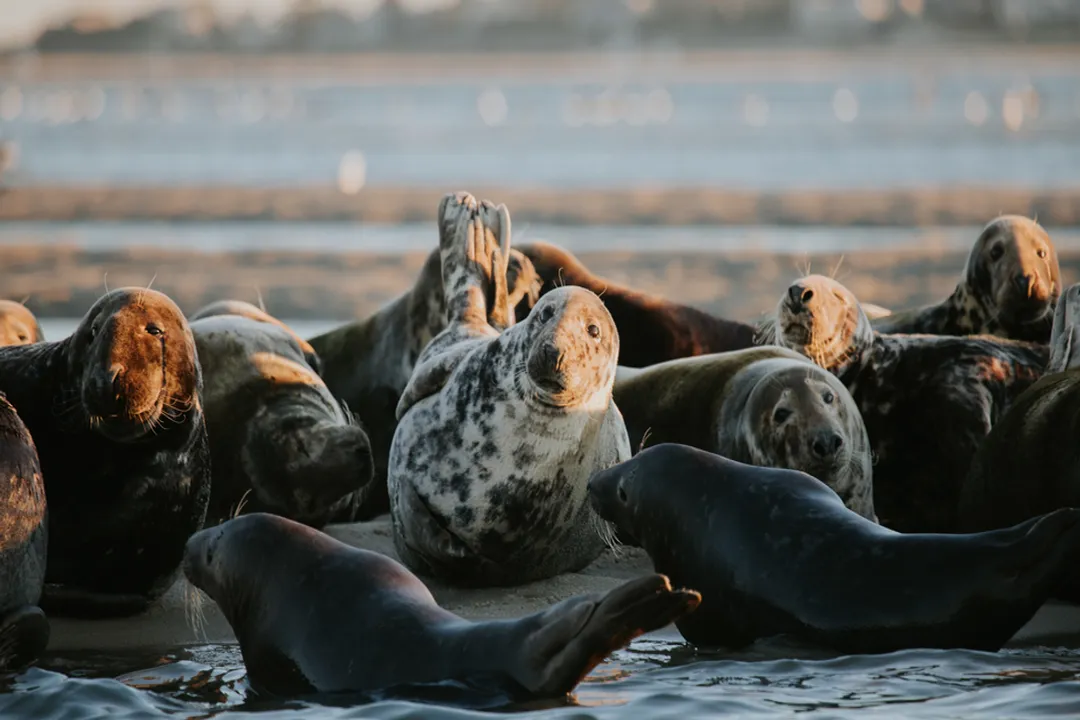
While fish dominate the menu, seals are well-equipped to diversify when necessary, incorporating a substantial amount of invertebrates into their feeding regimen. The most notable non-fish items fall into two main categories: cephalopods and crustaceans.
Cephalopods are significant additions to the seal diet, including both squid and octopus. These creatures, especially when caught near the bottom, offer substantial protein rewards.
The consumption of crustaceans is also common across several species. This includes everything from crabs, which are regularly eaten by species like the harbor seal, to smaller organisms like shrimp and krill, which are noted parts of the Harp seal's intake.
# Species Distinction
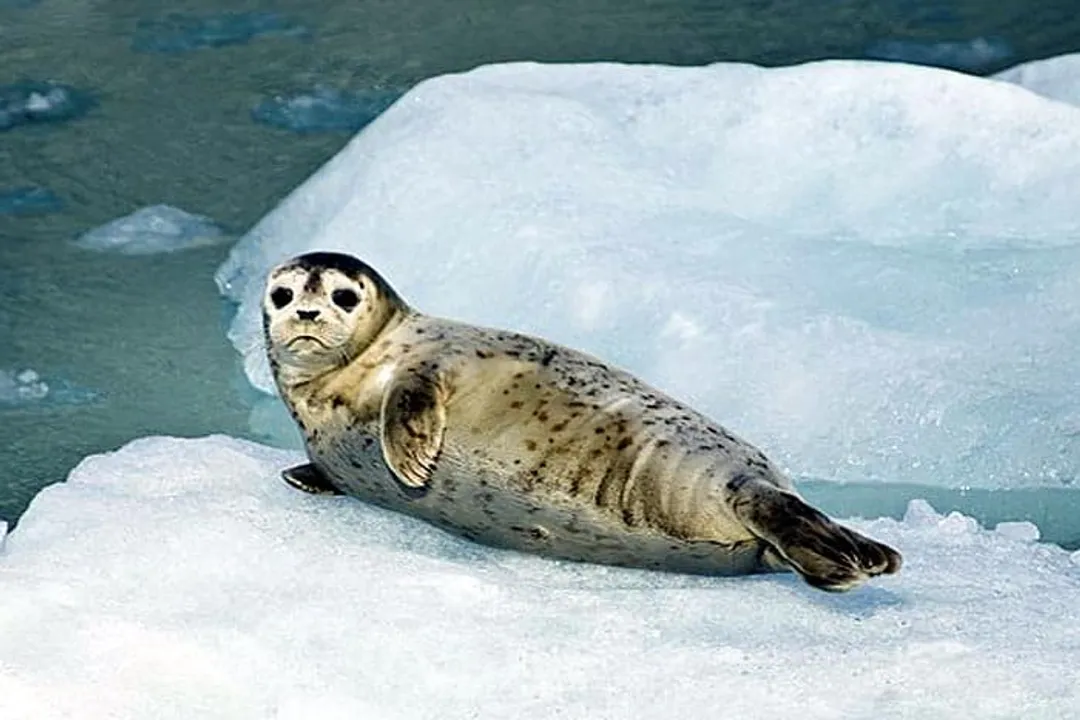
The dietary profile changes noticeably when comparing different seal species, demonstrating that environment shapes preference more than innate biological mandate.
Hawaiian monk seals, for instance, show a specialized foraging pattern suited to their habitat. They spend significant time close to the ocean floor, meaning their diet leans heavily toward bottom-dwelling prey. Their preferred meals often consist of eels and various bottomfish, supplemented by octopus and squid. This contrasts with the diet of the Harp seal, which seems to favor schooling fish like capelin and sand lance, alongside krill.
| Seal Species | Primary Prey Category | Specific Examples Cited | Foraging Style Implication |
|---|---|---|---|
| Harbor Seal | Fish, Cephalopods, Crustaceans | Herring, Flounder, Squid, Crab | Opportunistic/Generalist |
| Hawaiian Monk Seal | Bottomfish, Cephalopods | Eels, Bottomfish, Octopus | Benthic (Seabed) Hunter |
| Harp Seal | Fish, Small Crustaceans | Capelin, Cod, Krill, Shrimp | Pelagic/Coastal schooling |
Understanding these species-specific tendencies is key, as relying solely on a general "fish" answer overlooks the specialized ways seals successfully hunt different zones of the water column [analysis based on].
# Foraging and Local Ecology
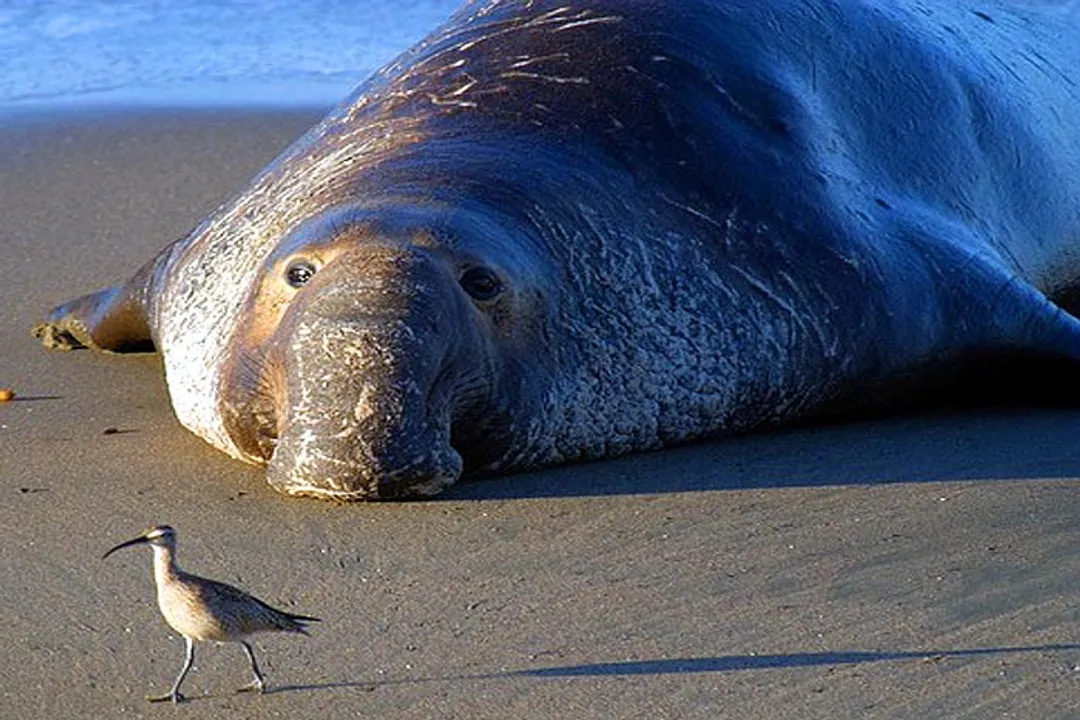
A seal's hunting strategy dictates what it deems a 'favorite' meal at any given time. A seal that spends its time diving deep in the open water column targets fast-moving pelagic schools [analysis based on sources]. Conversely, a seal frequently resting near rocky shores or reefs will consume what it can effectively root out from crevices. The sheer availability of a specific type of prey in a seal’s immediate home range often elevates that prey to the temporary "favorite" status, regardless of what other seal populations elsewhere might prefer.
Consider a seal colony situated near a major river mouth during a specific spawning season. During this window, the influx of migratory, lipid-rich fish can become overwhelmingly abundant. The seals there will almost certainly favor these migrating fish because the energy expenditure to catch them is low relative to the caloric payoff, creating a temporary, localized feast [analysis based on].
# Energy Density
When considering what makes a food truly favorite to an animal that must constantly regulate its immense body temperature and power long, deep dives, the nutrient profile matters immensely [original insight]. While the sources list many edible fish, a critical, unstated factor driving preference is fat content. A 5-pound cod and a 5-pound herring might look similar in size, but the herring, if rich in essential fatty acids, provides a far greater energy return for the effort expended in hunting and digesting it [original insight]. Therefore, the "favorite" food is often the one that best sustains their high metabolic needs, meaning the fattiest, easiest-to-catch resource available during that phase of the annual cycle is biologically superior, even if it's not the largest fish available.
Ultimately, the seal's diet is a testament to its opportunistic nature. While fish are the constant, the actual meal shifts daily based on location, season, and individual species specialization, proving that flexibility is the true secret to their long-term survival in the world’s oceans.
#Videos
What Do Seals Eat? - YouTube
Related Questions
#Citations
All About the Harbor Seal - Diet & Eating Habits - Seaworld.org
What Do Seals Eat? | Seals Diet By Types - Bio Explorer
What Do Seals Eat? - YouTube
What Do Hawaiian Monk Seals Eat? - Hawai'i Marine Animal ...
What Do Seals Eat? - A-Z Animals
Just curious, no judgement. Has anyone ever had seal meat and if ...
14: Seal Diets - Marine Mammal Trainers - New England Aquarium
What do seals eat? - Quora
Seal (Harp) - Food and feeding | Better Planet Education
Seals: Diet, Habitat, Behaviour, and Conservation | IFAW