Does a Tibetan Spaniel have hair or fur?

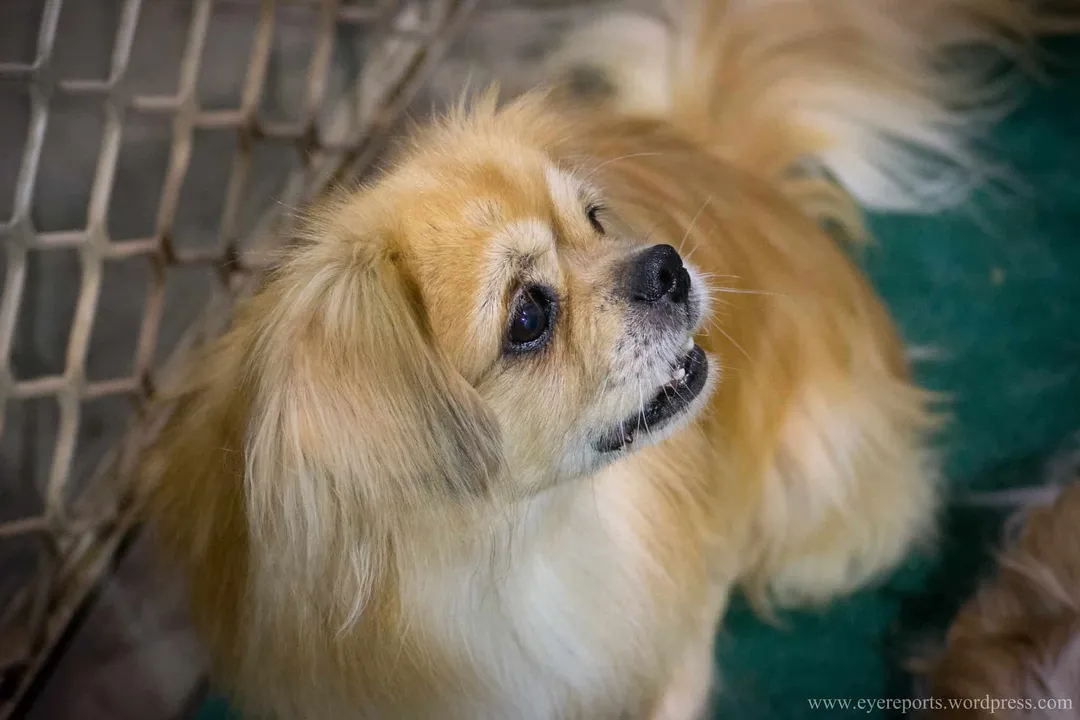
The question of how to classify the covering on a Tibetan Spaniel—whether to call it hair or fur—often comes up when prospective owners research this fascinating breed. While the distinction between "hair" and "fur" is often more semantic than biological, what is certain is the unique quality of their coat. Breeders and breed standards emphasize that the Tibetan Spaniel sports a flat, silky coat. [1][4] It is not coarse or harsh; rather, the texture is fine and soft to the touch. [2] This luxurious texture is a defining characteristic, often leading people to compare it to "hair" in breeds known for continuous growth, even though the Tibetan Spaniel sheds differently than those breeds. [3]
# Coat Texture
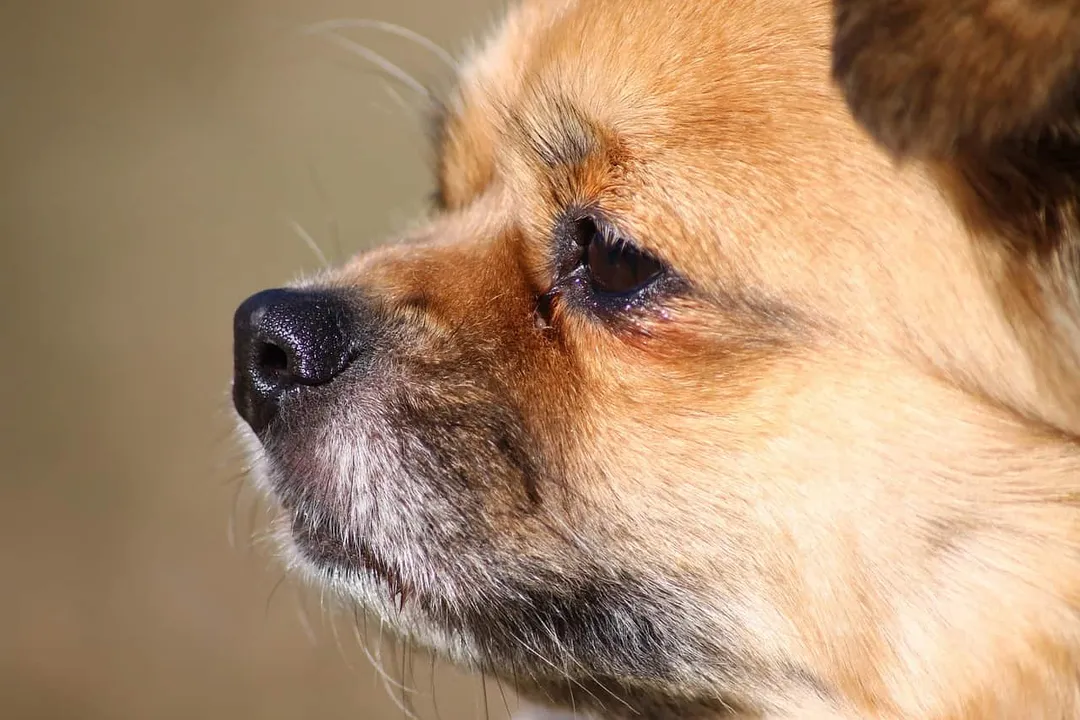
The overall appearance of the coat is long and flowing, featuring distinct feathering on the ears, legs, and tail. [3] The silkiness is key; it should hang straight or have a slight wave, but never appear woolly or overly curly. [4][7] When evaluating a Tibetan Spaniel, feel is as important as sight. A healthy, well-conditioned coat will feel incredibly smooth, almost like fine silk fabric. [1][9] This texture dictates much of the daily care the dog requires, as silky coats, while beautiful, are prone to tangling if not managed correctly.
# Double Layers
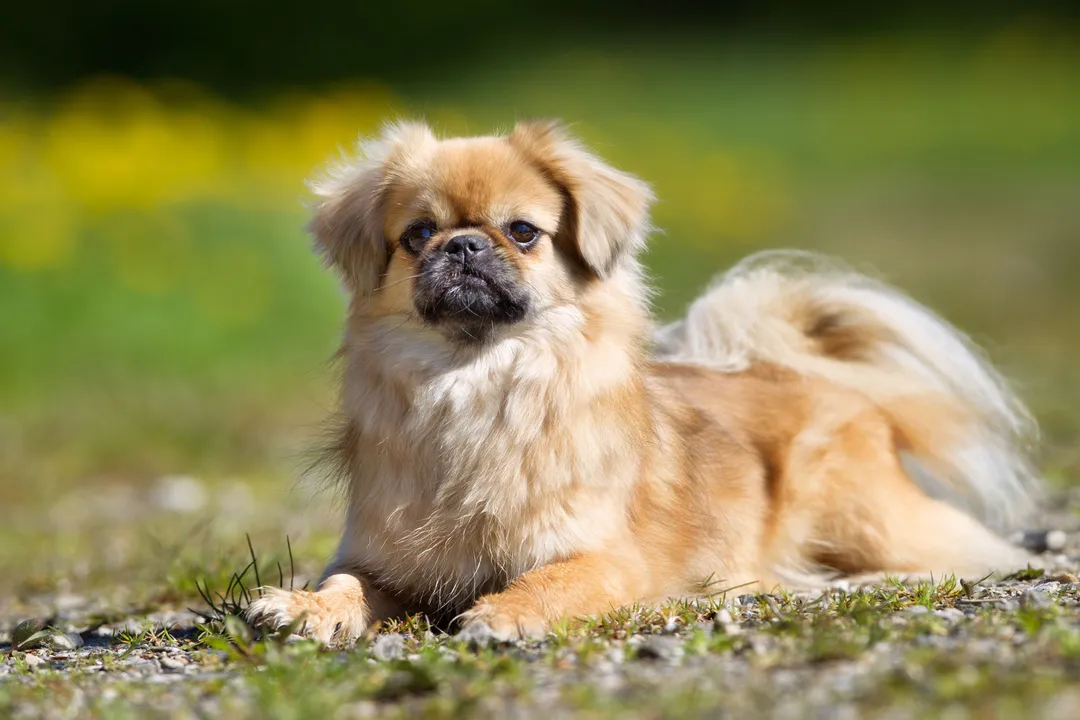
Digging deeper into the structure reveals that the Tibetan Spaniel possesses a double coat. [2][3][6][7][9] This structure is common among many hardy breeds developed in challenging climates. The outer coat is the long, flowing, silky hair that is visible day-to-day. [2][9] Beneath this layer lies the undercoat. While the outer coat is soft, the undercoat is generally described as being fine and soft as well. [2]
It is the presence of this undercoat that technically places the breed in the "fur" category for many enthusiasts, as it provides insulation. However, unlike some Northern breeds whose undercoats are dense, thick, and woolly, the Tibetan Spaniel’s undercoat seems designed for milder insulation, allowing the coat to remain relatively light and flowing rather than bulky. [7] This contrasts sharply with breeds that have extremely thick, cottony undercoats built for deep snow; the Tibetan Spaniel's layering is more refined, consistent with a breed that likely spent time in high-altitude but sun-exposed environments, perhaps adapting to temperature swings throughout the day. [1]
Considering their Tibetan origin, where temperature variability between sunny days and cold nights can be extreme, it makes sense that they evolved a coat that offers protection without being overwhelmingly heavy. A truly dense, heavy-shedding undercoat might be overkill for palace life, whereas a silky outer layer provides adequate sun protection and light weatherproofing. [4] This specific balance between a heavy outer frame and a lighter undercoat is worth noting when comparing grooming strategies to those for, say, a Siberian Husky.
# Lion’s Frame
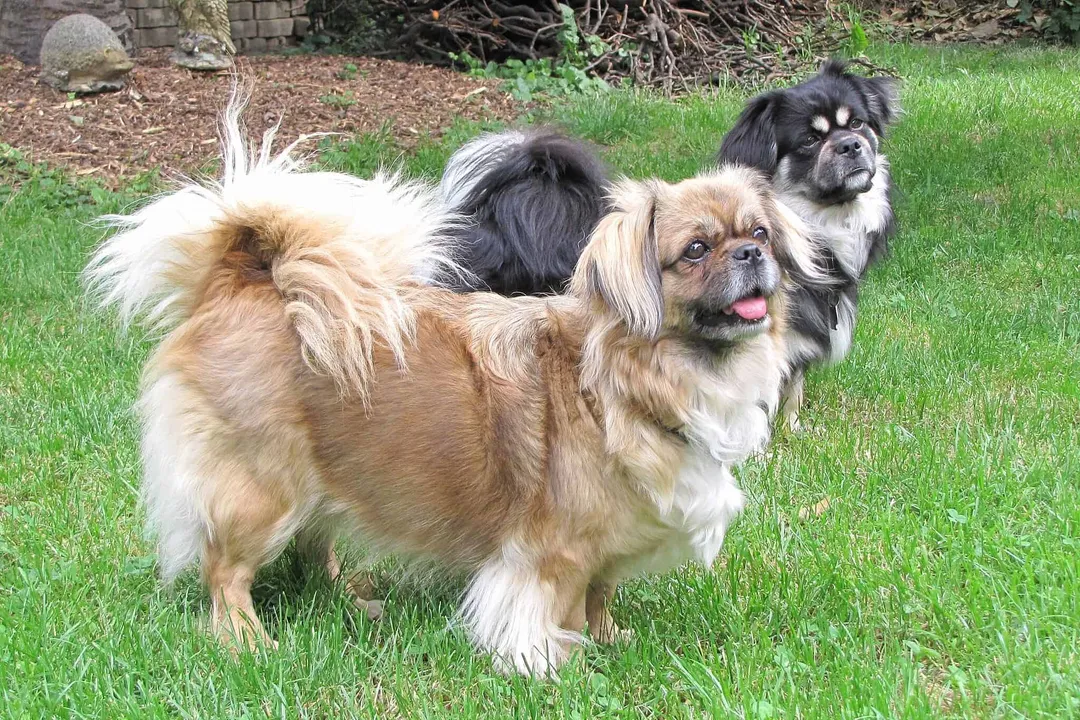
One of the most striking features related to the Tibetan Spaniel's coat is the prominent mane around the neck and shoulders. [1][4][5] This dense growth is often referred to as the "lion's mane". [5] It contributes significantly to the breed’s regal appearance and is a key point judges look for in conformation shows. [1][4] This mane is essentially a heavier concentration of the outer, silky coat, framing the dog’s head and chest beautifully. It requires special attention during brushing, as the dense fur in this area can easily mat against the shorter fur on the body if neglected. [7]
# Grooming Needs
The silky texture and double coat mandate a consistent grooming schedule to keep the dog comfortable and looking their best. A common recommendation involves brushing at least two or three times a week. [3] Skipping sessions, especially during periods of active shedding or if the dog spends time running through brush, can quickly lead to problems. [6]
When performing these sessions, it is crucial to work down to the skin, ensuring you are brushing through the undercoat as well as skimming the topcoat. [7] A line brushing technique is often the best approach for breeds with double coats, allowing you to lift the outer coat, brush the undercoat, and then let the outer coat fall back into place. [4] Pay extra attention to the feathering on the legs and the thick ruff of the mane. If you find small knots forming, gently tease them out with a metal comb rather than trying to pull them free, which can damage the surrounding coat. [3]
# Check Routine
To maintain that flowing, tangle-free look, establishing a quick, regular check routine can save hours of difficult de-matting later. Aim to do this every evening, even if a full brush isn't performed.
- Paw Pads and Feathering: Quickly check between the toes and the long hair on the back of the legs for burrs or debris picked up during walks. [3]
- Ear Base: Gently lift the ears and run your fingers along the base where the coat meets the neck. This area traps moisture and can mat easily. [4]
- Under the Mane: Feel the skin beneath the heavy neck hair. Use your fingertips to search for any small, tight tangles forming near the skin line. [1]
This simple five-minute ritual performed daily will keep the coat manageable and help the dog remain comfortable, preventing those painful mats that tug at the skin. [7]
# Shedding Cycle
While the coat quality is often described using terms associated with low-shedding breeds (due to the silkiness), the Tibetan Spaniel does shed seasonally. [9] Because they possess a double coat, owners should expect two periods a year—typically spring and fall—when the dog will "blow" its undercoat. [2] During these times, shedding will be noticeably heavier than usual, and daily brushing becomes essential to remove the dead undercoat efficiently. [6] Outside of these seasonal blows, shedding is generally considered moderate. [9] For those hoping for a dog that never sheds, the Tibetan Spaniel requires more maintenance than a true single-coated breed, but far less than breeds known for heavy, year-round carpet coverage.
Related Questions
#Citations
Tibetan Spaniel - Dog Breeds - American Kennel Club
Tibetan spaniel - Wikipedia
Tibetan Spaniel: Dog Breed Characteristics & Care - The Spruce Pets
About The Breed | The Tibetan Spaniel Club of America
Known for a flat, silky coat and “lion's mane” around the neck, the ...
What to Know About Tibetan Spaniels - WebMD
Tibetan Spaniel | VCA Animal Hospitals
Tibetan Spaniel Facts - Dog Breeds - Wisdom Panel
Tibetan Spaniels: Common Facts and Health Problems - A-Z Animals