What are some facts about Harriers?
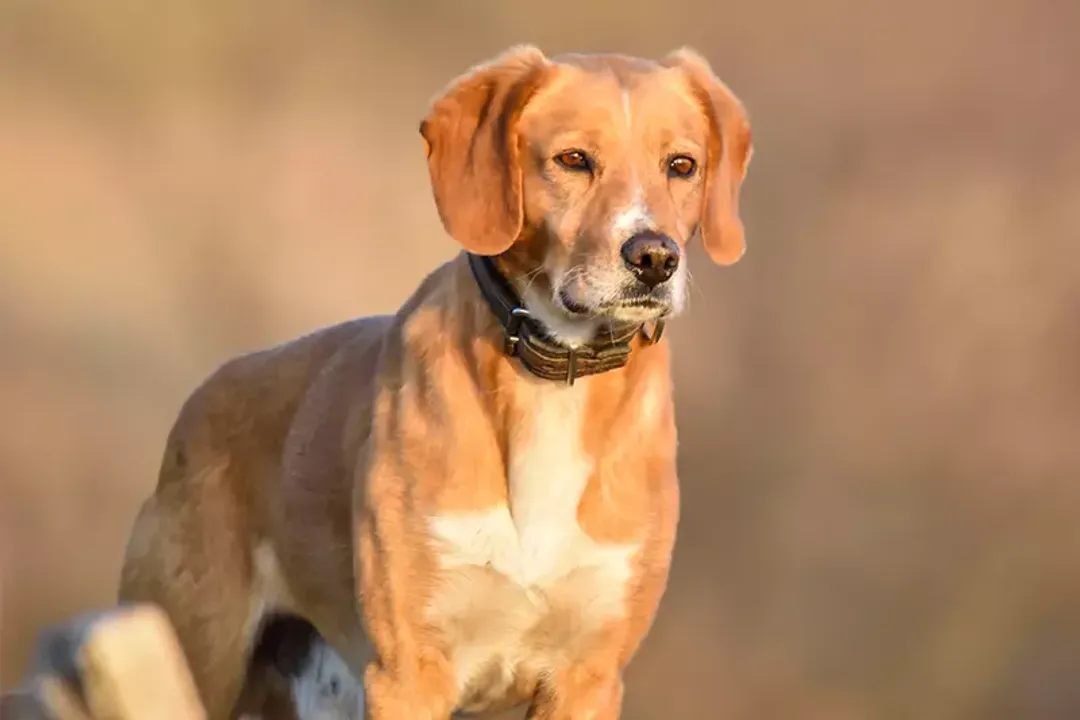
The term "Harrier" immediately brings to mind two distinct creatures, both defined by an instinct for pursuit, yet separated by millions of years of evolution: a charming scent hound dog breed and a graceful bird of prey. While they share a name that suggests tenacity in the chase, their anatomy, purpose, and classification couldn't be more different. Understanding the facts about Harriers requires looking at both the canine athlete developed in the English countryside and the feathered hunter soaring over open marshlands.
# Scent Hound
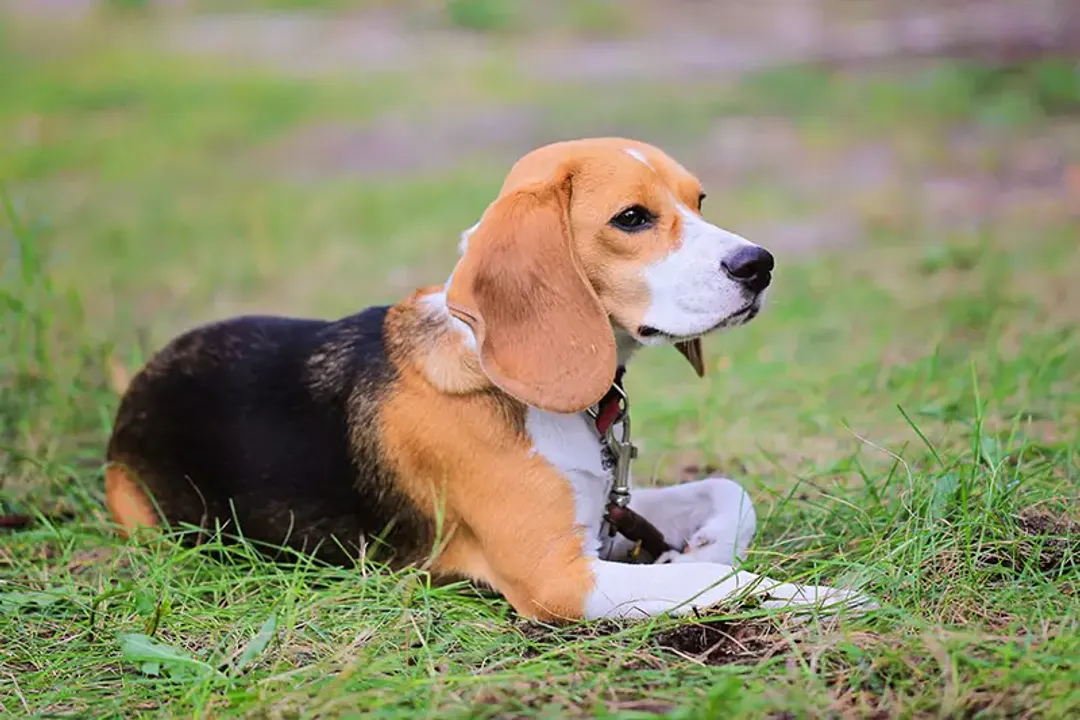
When discussing the Harrier as a dog, we are talking about an ancient lineage of scent hound, perhaps one of the oldest remaining breeds of its type. These dogs were specifically bred in England for the singular purpose of hunting small game, often alongside foot hunters rather than on horseback. Their build is very much optimized for this historical role. They are often described as miniature Foxhounds or slightly larger, more slender Beagles. They typically stand between 19 and 22 inches at the shoulder and weigh between 45 and 65 pounds.
A key characteristic of this breed is their remarkable nose. As scent hounds, their lives are often dictated by what they smell on the air or the ground. This dedication to tracking means that, much like Beagles or Basset Hounds, they possess an inherent desire to follow a promising scent trail, which requires responsible handling and secure enclosures.
# Temperament Traits
Harriers are generally regarded as happy, gregarious, and easygoing dogs. They thrive on companionship, whether from their human families or other dogs, having been developed to work in packs. This social nature makes them wonderful family pets, and they are often cited as being good with children. Their disposition is generally cheerful and friendly, making them unlikely guard dogs, though they will certainly alert their owners to visitors with their characteristic baying.
However, their hound instincts mean that training requires patience and consistency. Because they are bred to follow their noses, their attention span can waver when a stimulating scent is present. Early socialization and positive reinforcement techniques work best for this breed. Their exercise needs are moderate; they require daily activity but are not the high-octane athletes that some other sporting breeds demand. A brisk walk combined with some dedicated playtime usually suffices to keep them content, provided their noses get a chance to investigate interesting smells during those walks.
# Breed Recognition
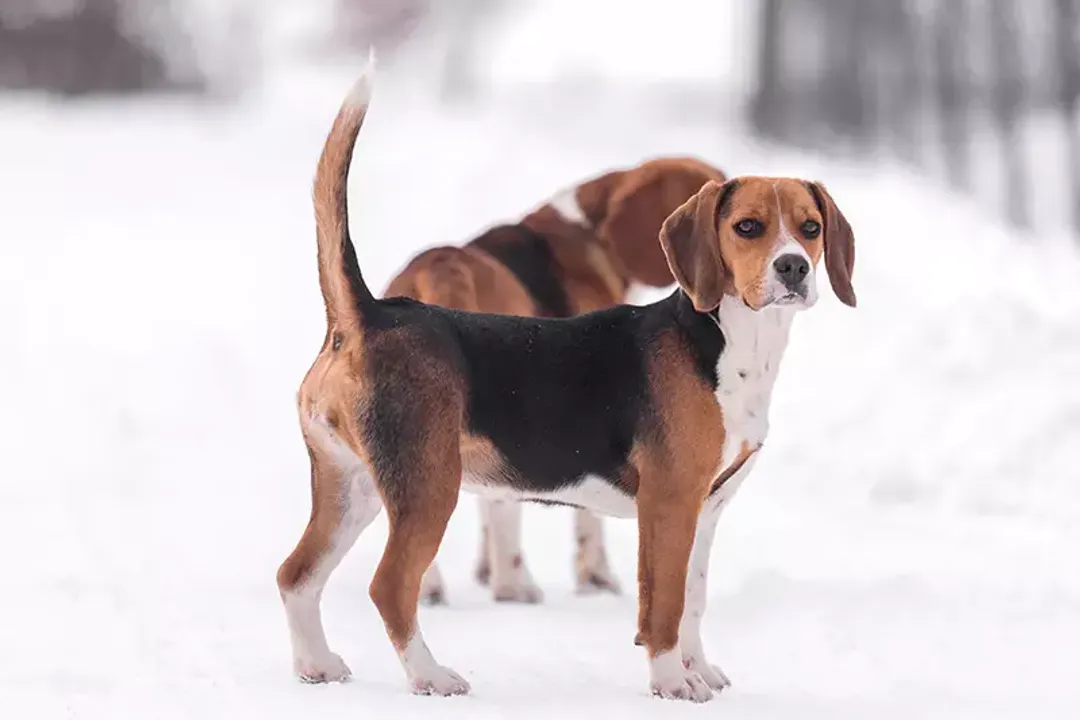
Despite their long history in England, the Harrier's journey to official recognition has been a slower one compared to their more famous cousins, the Beagle and the Foxhound. The American Kennel Club (AKC) officially recognized the Harrier as a distinct breed much later, in 1991, placing them in the Hound Group. This relatively recent official status highlights why they remain less common in the United States compared to other hound breeds. Finding a purebred Harrier puppy can sometimes be challenging, which contributes to their lower profile in the general dog-owning public.
If we consider the sheer effort put into developing this breed over centuries for a very specific task—tracking small game on foot—it's interesting to observe how that historical purpose manifests in modern home life. The modern Harrier’s drive isn't about catching rabbits anymore, but rather about investigating the world through scent. This means that an owner who provides puzzle toys or dedicated sniffing time in the yard is actually honoring the dog’s foundational wiring far more effectively than simply covering miles on a pavement walk alone. It's a subtle shift from functional hunting tool to companion animal that requires us to interpret their innate behaviors in a domestic context.
# Avian Hunter
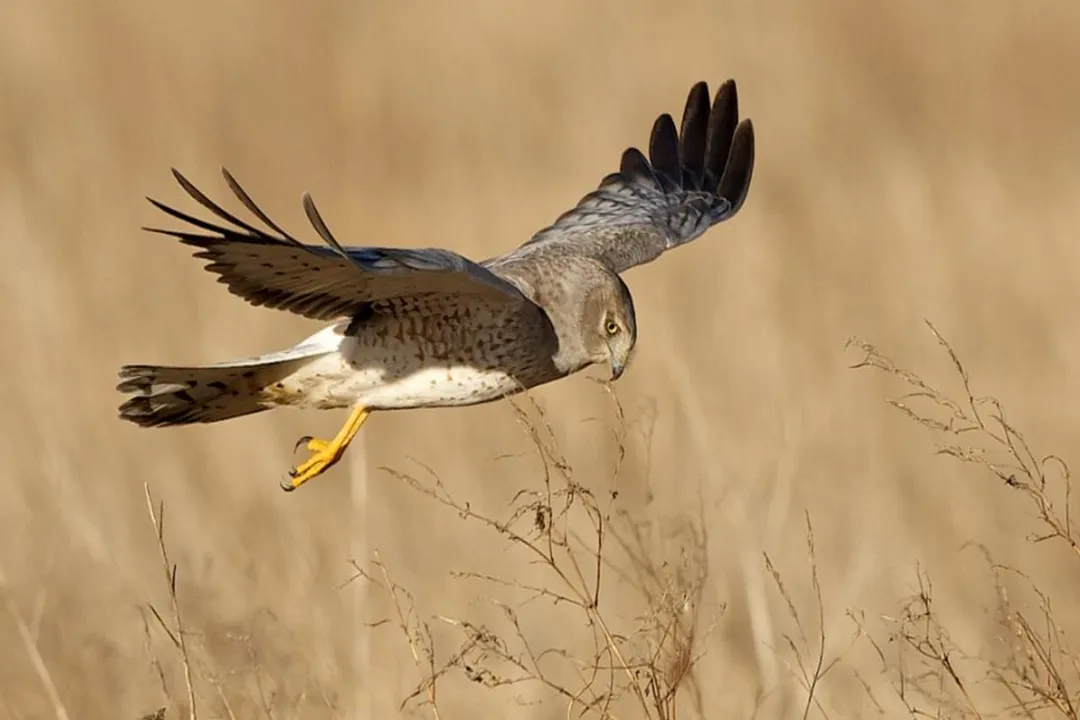
Turning from the kennel to the sky, the Harrier bird belongs to the Accipitriformes order and is characterized by its method of hunting: flying low over open ground. In North America, this bird is known specifically as the Northern Harrier (Circus hudsonius), while Eurasian populations are often referred to as Hen Harriers (Circus cyaneus). Harriers are specialized birds of prey, often distinguished by their owl-like facial disks, which help them funnel sound to their ears, aiding in locating prey hidden in dense grass.
One of the most striking field marks for identifying a Harrier is a distinctive patch of white feathers on their rump, visible even when the bird is soaring overhead. The species also displays clear sexual dimorphism; the adult male is significantly lighter than the female. Adult males are a pale gray, earning them the evocative nickname "Gray Ghost" in some regions due to their light plumage and low, silent flight pattern. Females and immature birds are distinctly brownish.
# Hunting Low
The hunting style of the avian Harrier is what truly defines it and gives the group its name—the act of harrying means to harass or persistently pursue. Unlike high-soaring raptors, Harriers fly just a few feet above the ground, methodically quartering fields, meadows, and marshes. They use this low vantage point, often tilting their wings into a "V" shape known as a dihedral, to scan the vegetation below for small mammals, reptiles, or nesting birds. When they spot movement, they can drop suddenly or hover momentarily before striking with their talons.
The Northern Harrier prefers hunting in open habitats like grasslands, marshes, and prairies, where this low-level hunting technique is most effective. Their presence is often a good sign of a relatively healthy, undisturbed grassland ecosystem, as they require large areas of continuous, low-lying vegetation for successful breeding and foraging. This need for specific, open environments contrasts sharply with many urban-dwelling raptors like the Peregrine Falcon, which have adapted to utilize city structures as artificial cliffs.
# Shared Pursuit Concept
It is fascinating to note the semantic connection between the dog and the bird. The dog harrier is bred to follow a scent trail persistently until the quarry is flushed out. The bird harrier is doing something analogous in the air—flying back and forth across a field, harassing the environment until prey reveals itself. While one relies on olfactory senses and the other on sight and perhaps enhanced hearing via facial disks, both share a name derived from an indefatigable, methodical pursuit of their target across open terrain.
# Raptor Taxonomy
The Northern Harrier holds a unique position within North American raptors. While it looks and acts much like a hawk, some classification systems have historically placed it closer to owls due to that facial disk structure. However, modern taxonomy generally keeps it within the hawk family, Accipitridae. The genus name, Circus, refers to this distinctive, looping flight style. Their small, sharp bill and strong talons are the tools of a hunter, but their overall body structure is lighter than many other large hawks, built for sustained, low-altitude flight rather than high-speed dives.
If an individual is looking to spot a Harrier bird, understanding the season and habitat is crucial. In many northern breeding grounds, the darker, brownish females are present much longer than the paler, more conspicuous males, who often depart earlier after breeding season concludes. Paying attention to the low-altitude, weaving flight pattern over a marsh is far more reliable for identification than simply looking for a large bird of prey perched high in a tree.
# Canine Companionship
For potential Harrier dog owners, understanding the breed's history as a pack hunter is key to successful cohabitation. While they are great family dogs, they should rarely be left alone for long periods due to their social needs. A bored Harrier hound can quickly become a destructive one, often expressing that boredom through baying or digging. If space allows, keeping a Harrier with another compatible dog can often mitigate separation anxiety. Furthermore, their hound genetics mean that a securely fenced yard is not just a recommendation; it’s a necessity for safety when they are outside, as even a faint, interesting smell can cause them to completely tune out everything else and follow the impulse to roam.
#Videos
Harrier Facts: the HARRIER HAWKS Animal Fact Files - YouTube
Related Questions
#Citations
Fun Facts About the Harrier That You May Not Know
Harrier (bird) - Wikipedia
Northern Harrier Overview, All About Birds, Cornell Lab of Ornithology
Harrier Facts - Dog Breeds - Wisdom Panel
Harrier Facts: the HARRIER HAWKS Animal Fact Files - YouTube
Harrier Dog Breed: Profile, Personality, Fact
Harrier Facts for Kids
Northern Harrier | The Peregrine Fund