What are some cool facts about dachshunds?

Few dog breeds capture the imagination quite like the Dachshund. With their distinct, elongated bodies and disproportionately short legs, these little dogs carry a big personality, often surprising newcomers with their tenacity and spirit. [1][2] They are instantly recognizable, yet many people only scratch the surface of what makes this breed so unique, from their specific job description centuries ago to the quirks they exhibit in modern living rooms. [3] Understanding the facts behind the silhouette reveals a surprisingly complex and entertaining companion.
# Hunting Origins
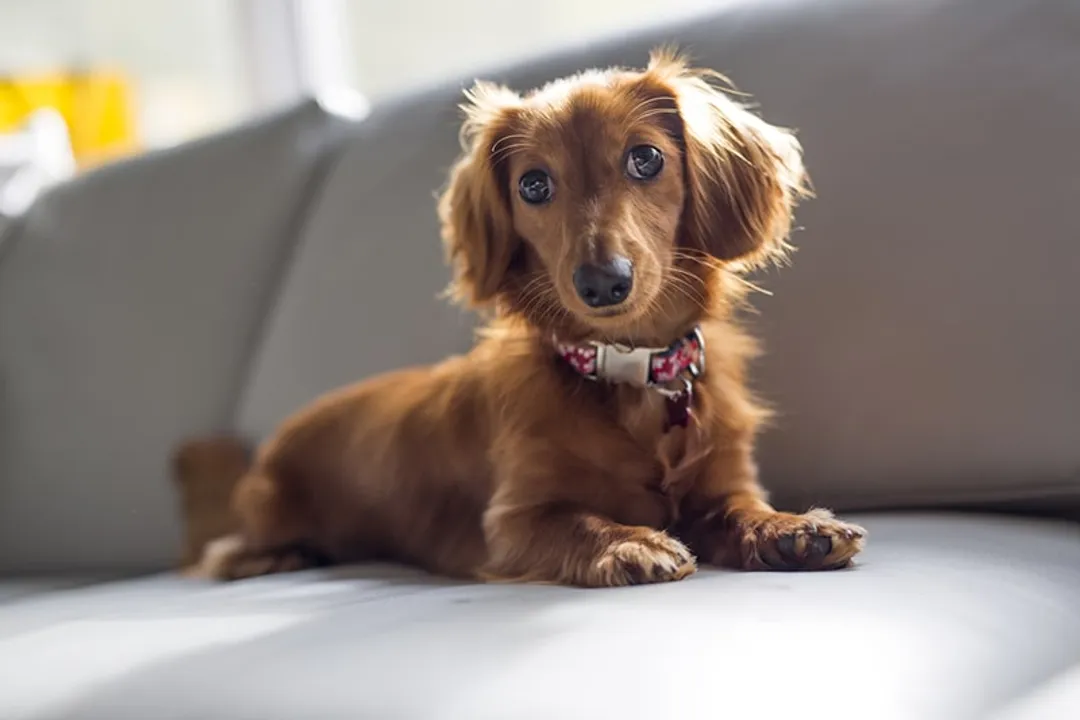
The name itself, Dachshund, is a direct clue to their original purpose, translating from German as "badger dog". [1][4] This breed was meticulously developed in Germany, with records dating back to the 15th century, though their likenesses appear in 17th-century art. [4][5] Their unique, low-slung structure was not an aesthetic choice but a functional necessity. [1]
They were specifically bred to track, chase, and fight badgers— formidable tunnel-dwelling animals known for their aggression. [2][5] The long body and short, powerful legs were perfectly suited for navigating tight underground burrows, allowing them to root out their quarry. [1][3] This required immense courage, stamina, and a stubborn streak, traits that thankfully remain endearing, if sometimes inconvenient, in today’s pet Dachshunds. [2][6]
Interestingly, they were also used for hunting other den animals, such as foxes and rabbits. [5] A common misconception might be that their size limits them to small prey, but their tenacity, honed by centuries of badger hunting, means they approach challenges with an outsized confidence. [7]
# Physical Structure
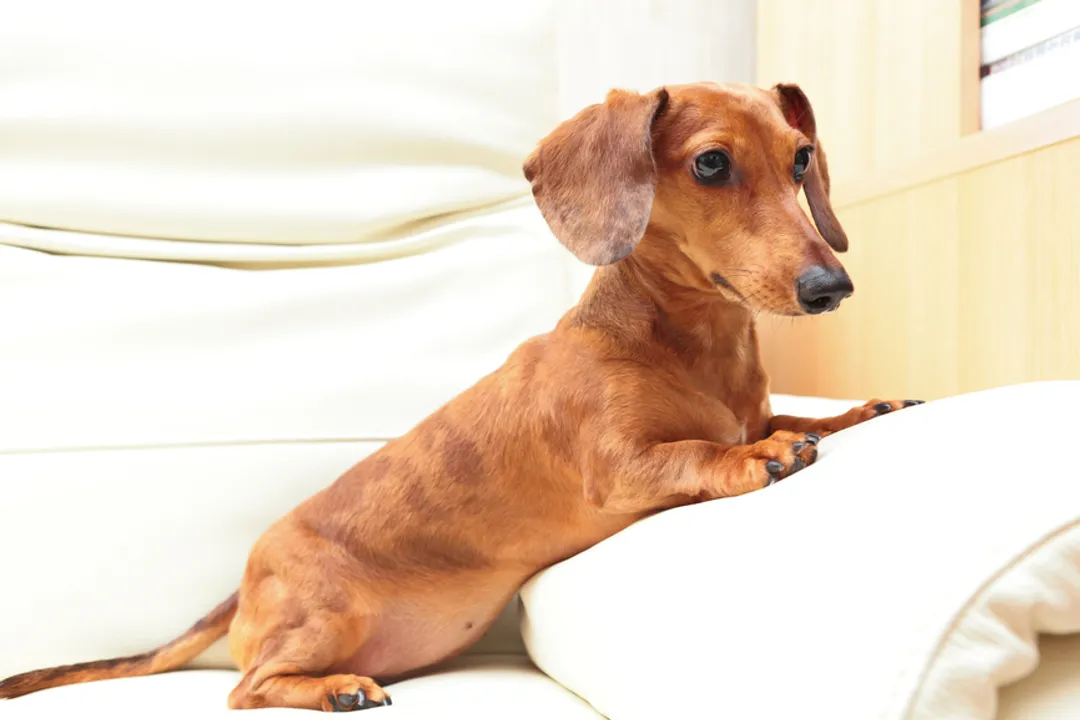
The most defining feature of the Dachshund is, without question, its body shape. This characteristic is known as chondrodysplasia, a form of dwarfism that results in disproportionately short legs. [1][4] Despite their small stature—Standard Dachshunds typically weigh between 16 and 32 pounds—they are sturdy dogs built for tough work. [5] Miniature Dachshunds were developed later, bred down in size to hunt smaller prey like rabbits. [1]
Their back is another structure point often discussed. Because of their long spine, owners must be diligent about back care. It is an important consideration for any potential owner to recognize that their physique makes them prone to intervertebral disc disease (IVDD). [3][6] While the breed standard describes them as long and low, the emphasis should always be on supporting that structure through proper handling. For instance, never allowing a Dachshund to jump repeatedly off furniture or use stairs without assistance can significantly extend their quality of life; this preventative care becomes part of the commitment when choosing this specific type of companion. [8]
# Coat Varieties
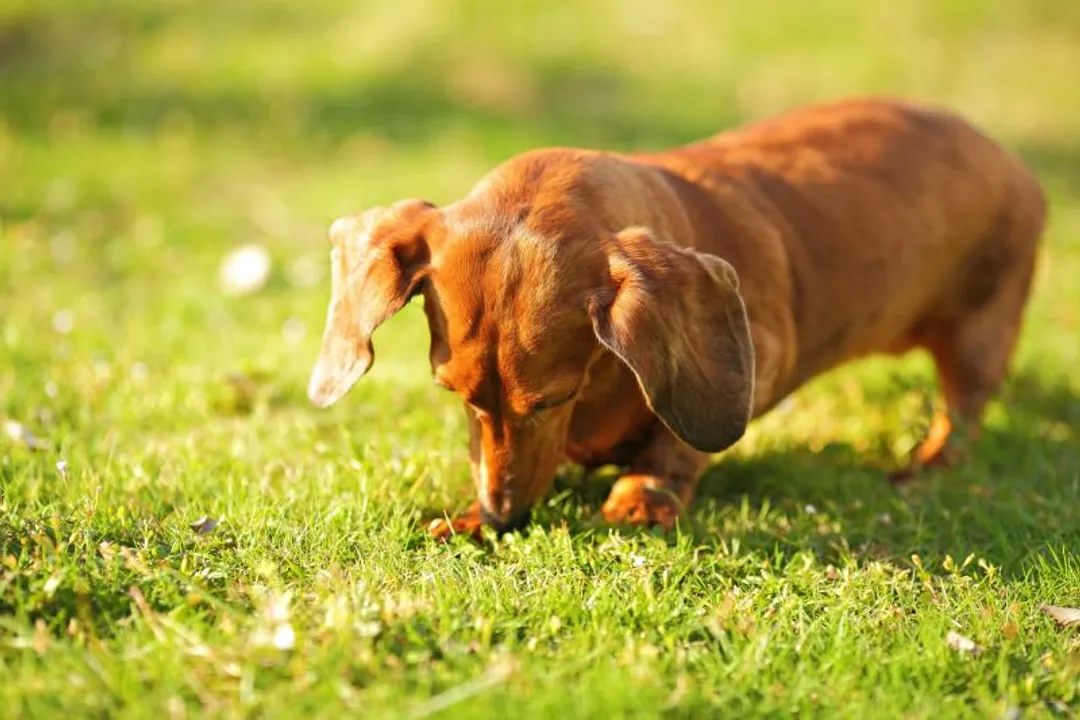
Dachshunds come in three distinct coat types, offering different levels of grooming commitment and texture. [1][9] These varieties are Smooth, Longhaired, and Wirehaired. [3][4]
The Smooth coat is the shortest and easiest to maintain, often requiring just a quick brush and a bath. [1] This sleek coat was likely the first variety developed, perhaps stemming from early crosses with smooth-coated hounds. [5]
The Longhaired variety possesses soft, slightly wavy fur that gives them a more elegant silhouette. [4] These dogs require regular grooming to prevent painful mats, especially around the ears and tail. [9]
Finally, the Wirehaired Dachshund sports a rough, dense outer coat with a softer undercoat. [1][4] These dogs often have distinctive "eyebrows" and a beard, adding to their already expressive faces. [5] Wirehairs typically need stripping or regular trimming to maintain their harsh texture and appearance. [3]
It is worth noting that while the coat type is distinct, it does not traditionally correlate with a major difference in temperament, though some anecdotal evidence suggests Wirehairs might be slightly more mischievous, perhaps inheriting a bit more of their terrier-like persistence from ancestors used in their development. [7]
# Temperament Quirks
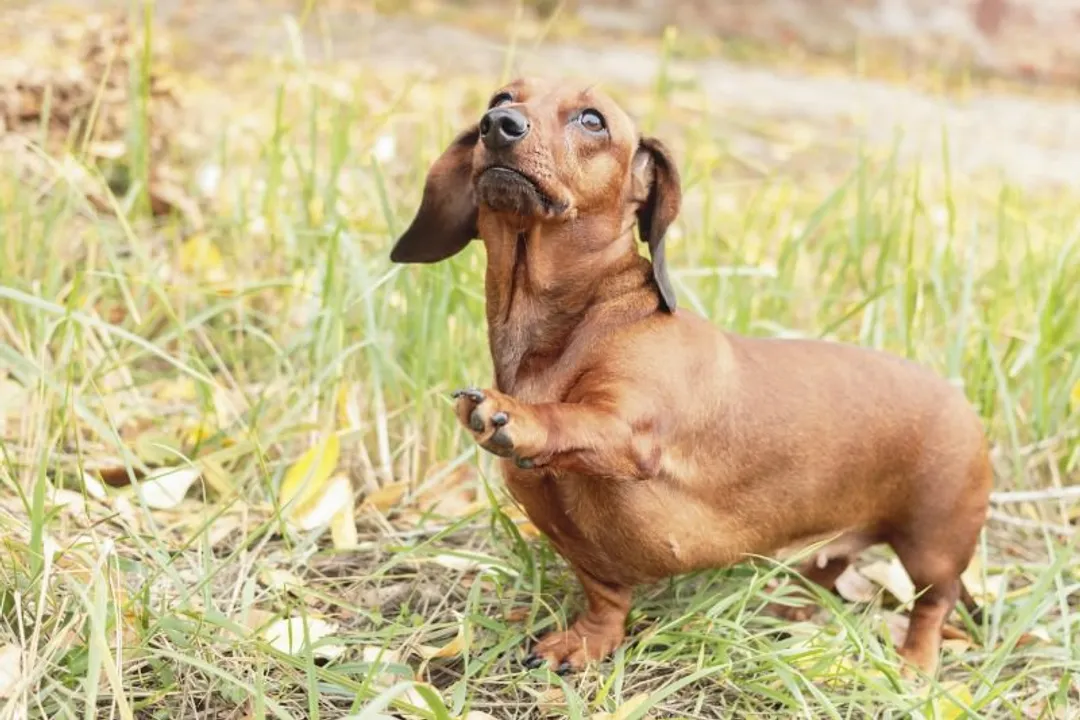
If their look suggests a cuddly lap dog, their personality often proves otherwise. Dachshunds are known for being clever, curious, and extremely brave, traits inherited directly from their den-hunting past. [2][6] They possess an independent spirit and a high degree of intelligence, which can sometimes translate into stubbornness. [1][5]
Their bark is another notable feature. Despite their size, they have a deep, loud bark that makes them excellent, if sometimes overzealous, watchdogs. [2] They are alert and will certainly let you know when the mail carrier arrives or a squirrel dares to cross the lawn. [6]
This breed bonds very tightly with their families, making them wonderfully loyal companions. [8] However, their protective nature can sometimes lead to suspicion toward strangers if they aren't properly socialized from a young age. [1] Early, positive exposure to various people, sounds, and environments helps temper their natural wariness. [5]
One fascinating aspect of their temperament, often discussed in owner communities, is their penchant for digging, even in homes without yards. [6] This isn't a learned behavior; it's instinctual. They are genetically wired to dig into earth and tunnels. In an apartment setting, this might manifest as furiously digging at blankets, under rugs, or even aggressively burrowing under bedding to create a secure den, a behavior that owners find both hilarious and slightly destructive. [6][7]

# Fame and History
The Dachshund's status transcended the German countryside long ago, achieving worldwide recognition, particularly in the United States. [4] During World War I and World War II, however, their popularity in America took a significant hit due to their German heritage. [1][5] They were sometimes nicknamed "liberty hounds" as a patriotic gesture, but many simply stopped breeding or owning them for a time. [5]
Despite these periods of fluctuating popularity, they consistently ranked as one of the most popular breeds. The American Kennel Club (AKC) records show them holding strong positions over the decades, reflecting their enduring appeal. [4] They are also recognized by the AKC in two distinct size varieties: Miniature and Standard. [5]
In the realm of famous owners, the breed has a distinguished fan base. Pablo Picasso, the famed artist, owned several Dachshunds throughout his life. [1][4] Even Queen Victoria reportedly had an affinity for them, though perhaps not as strongly as some other monarchs. [1] Their distinctive look has also cemented their place in popular culture, appearing in cartoons, advertising, and film. [2]
# Size Classifications
When discussing Dachshunds, it’s essential to differentiate between the size groups recognized by kennel clubs, as this dictates how small they can be while still conforming to the breed standard. [5]
The Standard Dachshund is the larger of the two main types, generally weighing over 11 pounds at maturity. [1][5] These dogs were the original badger hunters, built for confronting tougher quarry underground. [2]
The Miniature Dachshund was developed to hunt smaller animals, such as rabbits. [1] They typically weigh 11 pounds or less when fully grown. [5] While smaller, the Miniature retains the same personality traits as their larger counterparts, albeit packaged in an even more portable form factor. [3]
It is a common oversight for new owners to believe that a smaller dog automatically equals less responsibility or less intense personality. In the case of the Miniature Dachshund, their drive to hunt and their tendency to bark can be just as pronounced as the Standard, simply in a smaller package. This makes early training for impulse control just as critical for the little one as it is for the big one. [9]

# Variations in Appearance
Beyond the three coats and two main sizes, the breed also presents with variety in structure and size measurements. For instance, the required chest circumference for show dogs offers a specific metric of their build. A Miniature Dachshund should have a chest girth of 12 inches or under. [1] Standards are larger, of course, but the overall low-to-ground conformation remains the constant. [5]
Their legs are what set them apart; the scientific term for their short-legged stature is chondrodysplasia, a form of dwarfism. [1][4] This unique body shape contributes to their amusing, low-to-the-ground gait, which often looks more like a playful waddle or hustle than a run. [7]
# Training and Play
Training a Dachshund requires a particular approach that respects their innate stubbornness. [2][6] Because they were bred to work independently underground, following scents and making decisions without human input, they don't always default to eager obedience like a retriever might. [5] Positive reinforcement methods work best, rewarding desired behaviors with high-value treats or praise. [1] Consistency is key; if you allow them to get away with something once, you’ve taught them that ignoring your command is an option. [9]
Their play style often centers around scent work and digging, as mentioned before. [6] Introducing puzzle toys or scent games can satisfy this natural drive indoors. Furthermore, due to their backs, owners must manage their exercise carefully. [3] While they need regular activity, high-impact jumping should be strictly avoided. Short, frequent walks are often better tolerated by their long spines than long, strenuous hikes. [8] Making sure they maintain a healthy weight is perhaps the single most important factor in preserving their mobility long-term, as excess weight puts immense strain on their already unique vertebral structure. [3]
# Final Thoughts on the Breed
The Dachshund is a paradox wrapped in a furry package: a brave hunter packaged in a small, lovable form factor. [2] They offer deep loyalty and endless entertainment for those who appreciate their distinct personality. [6] Recognizing their history—the badger-hunting drive—helps owners understand why their small dog might attempt to dig through the drywall or insist on sleeping under the heaviest available blanket. [7]
Respecting their physical limitations, particularly their spine, ensures that this enthusiastic, long-bodied companion can enjoy many happy years with their devoted family. They are more than just a cute shape; they are a dedicated, courageous, and complex little dog demanding respect for the job their ancestors mastered so long ago. [1][4]
#Videos
10 Fascinating Facts About the Dachshund | Dog Trivia | DAILY PAWS
Related Questions
#Citations
25 Dachshund Facts Every Owner Must Know
Dachshund Facts You May Not Know - American Kennel Club
10 facts about dachshunds that might surprise you - Witzig
Meet the Dachshund: Personality, Health, and Care
Comment your favorite fun fact about dachshunds! I'll go first ... - Reddit
12 Facts Dachshund Lovers Know By Heart - Rover.com
10 Fascinating Facts About the Dachshund | Dog Trivia | DAILY PAWS
10 Dachshund Facts You Didn't Know - Sophie Allport
5 Facts About Dachshunds - Dog Friendly Co.