What are some cool facts about possums?
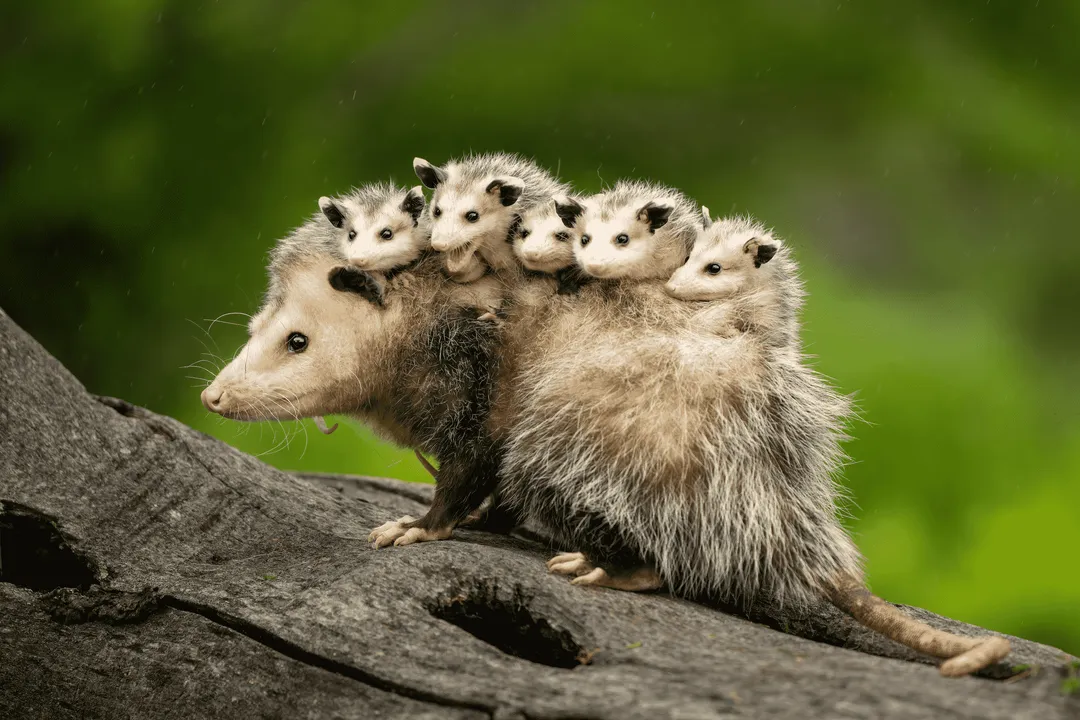
The Virginia Opossum holds the distinction of being North America's only native marsupial, a fact that often surprises people who encounter them rummaging near suburban settings. While many might mistakenly call them "possums"—a name actually referring to various different marsupials found in Australia and New Guinea—the creature we see across the United States is correctly termed an opossum. These medium-sized mammals are adept survivors, capable of thriving in environments ranging from forests to city parks.
# Marsupial Sort
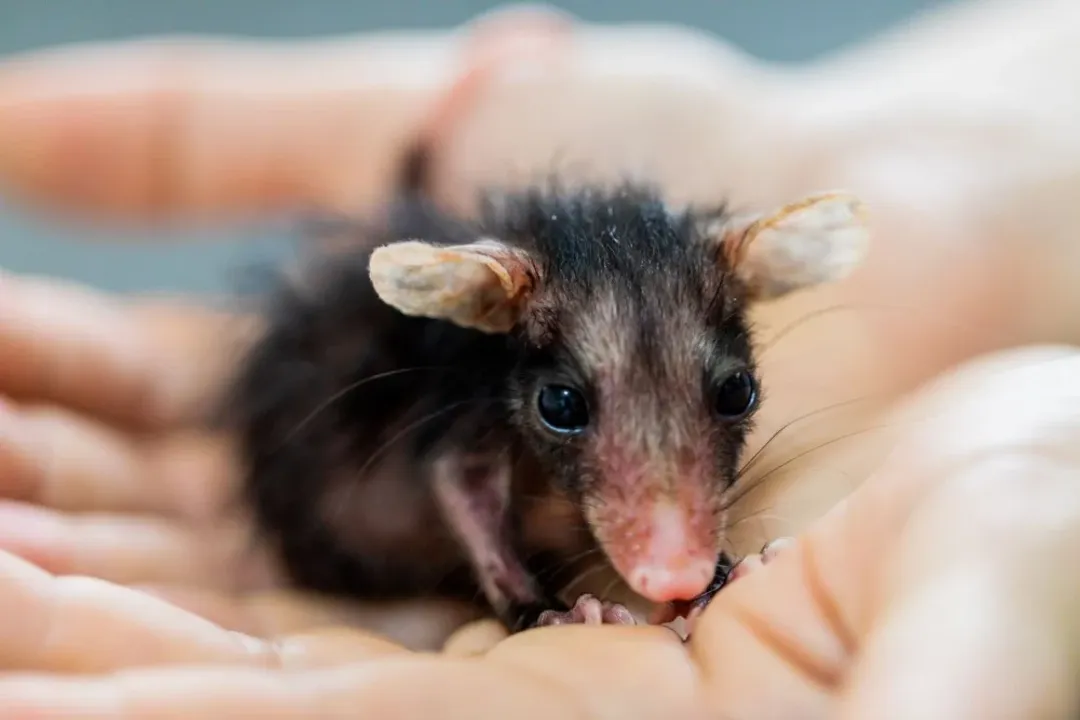
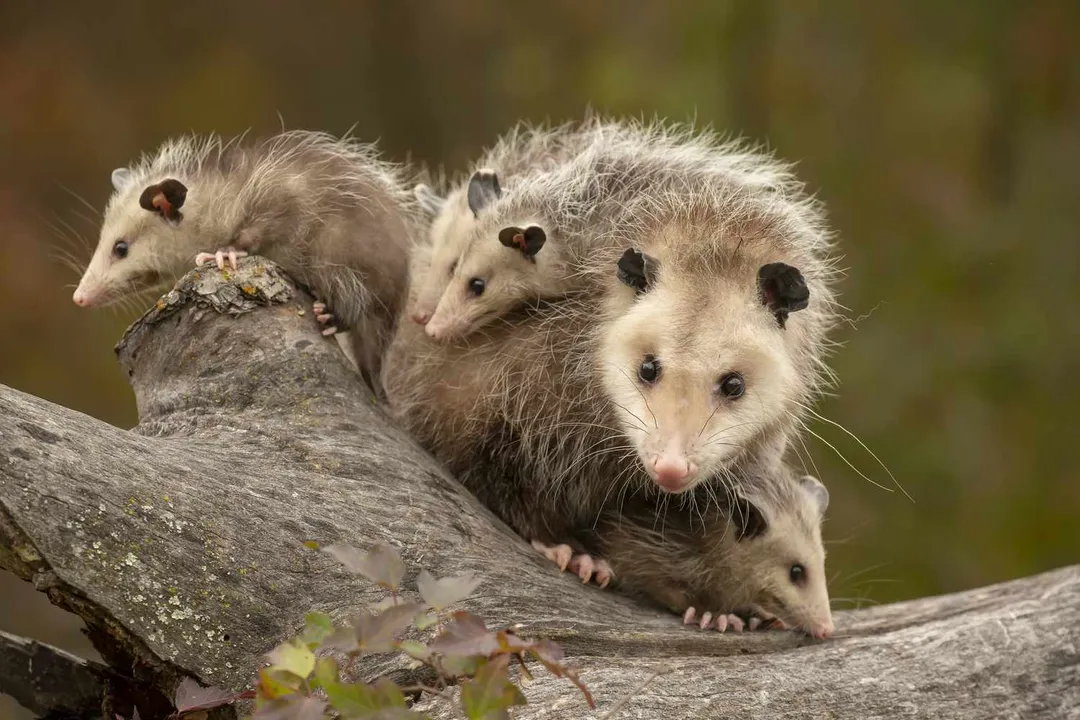
Being a marsupial means they share a unique reproductive strategy with kangaroos and koalas. The females carry their young, called joeys, in a pouch after a very short gestation period. An interesting anatomical detail is that the female opossum’s pouch opens toward the rear, which might help prevent dirt from entering while she forages through leaf litter. A newborn opossum is tiny, often described as being about the size of a lima bean, and must crawl immediately after birth to reach the safety of the mother’s pouch.
# Defense Tactics
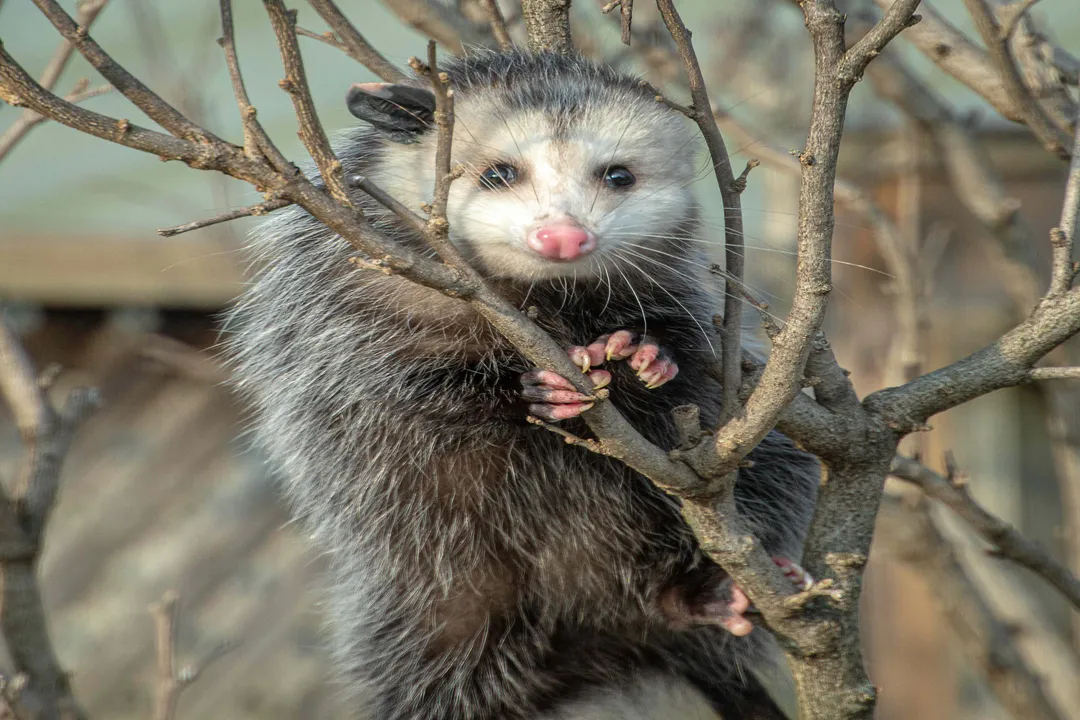
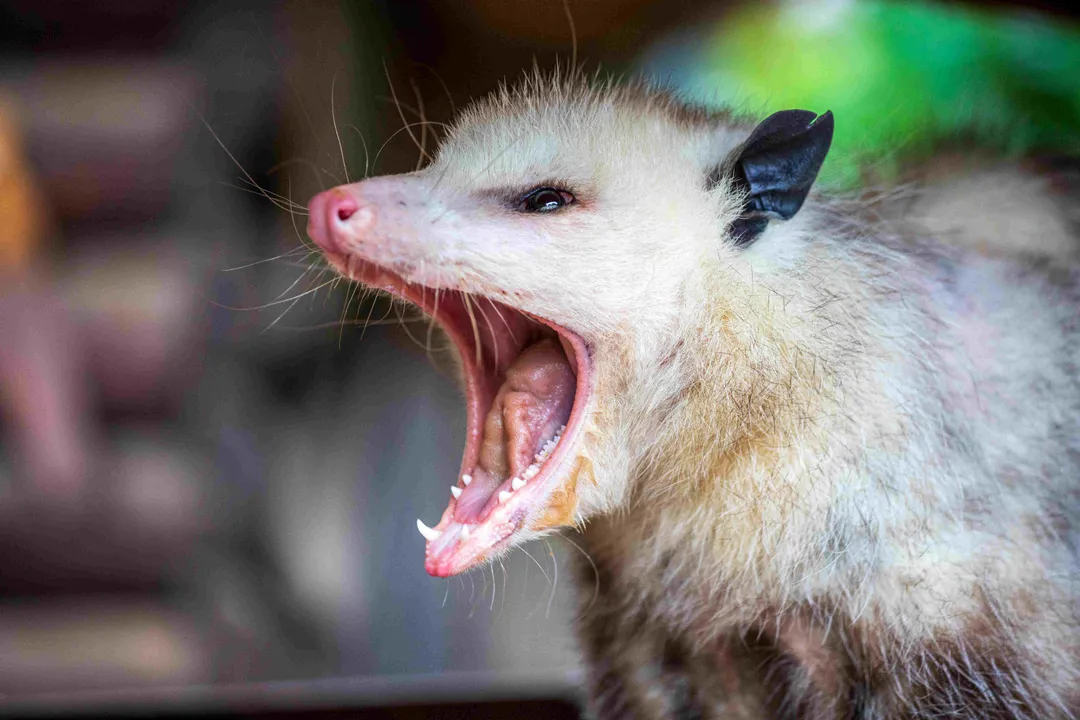
Perhaps the most famous trait associated with the opossum is its dramatic defense mechanism: playing dead. This involuntary reaction, scientifically known as thanatosis, is not a conscious act of deception. When severely threatened, an opossum may suddenly collapse, become rigid, and even secrete a foul-smelling, greenish fluid from glands near its tail to enhance the illusion that it is truly expired. The reaction is so convincing that they can remain unresponsive for hours, and they cannot voluntarily snap out of it until the perceived danger has passed. This hardwired response is a fascinating survival switch, illustrating how deep-seated certain instincts are in the animal kingdom, distinguishing them from creatures that might actively feign death through learned behavior. Before resorting to this extreme, however, they will often try more active deterrents, such as hissing loudly and baring their impressive set of teeth.
# Physical Tools
Opossums possess several physical characteristics that aid their survival, including an opposable thumb on each of their five rear feet. This feature provides exceptional grip, making them capable climbers. Their long, hairless, prehensile tail is another crucial tool, used primarily for balance while navigating tree branches, though the persistent myth that they hang from their tails while sleeping isn't entirely accurate; they mainly use them for support.
For a small mammal, they have a surprisingly high number of teeth—around 50 in total—which is more than most North American mammals. This extensive dental work allows them to consume a very wide variety of food items.
When observing their daily routines, it’s clear they are quite meticulous about their appearance for a nocturnal creature. Many observers note that opossums spend a significant amount of time grooming themselves, almost appearing to take a bath, which keeps their coat in reasonable condition despite their scavenging habits.
# Dietary Habits
The opossum is the ultimate generalist when it comes to food, making them true omnivores. Their diet is incredibly broad, encompassing nearly anything edible they come across. They eat fruits, grains, insects, snails, carrion, and even pet food left outdoors.
One of their most valuable contributions to local ecosystems, which is often overlooked because of their scavenging reputation, is their appetite for ticks. They are remarkably effective at eating large quantities of ticks, including those that carry Lyme disease. If you live in an area where ticks are prevalent, recognizing the opossum as a natural, unpaid exterminator working the night shift is a good mental adjustment for peaceful coexistence. Compared to small rodents, which often only eat the larvae, opossums are known to consume adult ticks, though they are not immune to contracting Lyme disease themselves. Their ability to efficiently process whatever is available is a major factor in their widespread success across diverse habitats.

# Reproduction Limits
The short lifespan of the opossum is another surprising fact, especially when considering their robust survival instincts. They typically live for only one to two years in the wild. This rapid life cycle means they mature quickly and reproduce early, ensuring the continuation of the species despite the dangers they face.
# Distribution Notes
While we often associate them with the eastern half of the United States, their range has expanded significantly over time. Today, they are found as far west as California and are spreading north into parts of Canada. Their adaptability seems tied to their generalized diet and their general lack of fussiness about shelter, often making use of abandoned burrows or spaces under porches. The presence of their distinctive five-toed hind feet and a pouch suggests an ancient lineage that has managed to adapt successfully to modern North American landscapes. For those curious about their vocalizations, they can produce a variety of sounds, from guttural growls to shrieks, though the "playing dead" state is usually silent. It is worth noting that in some contexts, such as when a person picks one up, they may exhibit defensive hissing or snapping, which is a valid warning sign to leave them alone.
#Videos
Opossums in the Ecosystem | Opossum Facts
Related Questions
#Citations
12 Facts About Opossums: America's Only Marsupial
Strange and Surprising Facts about Opossums
What's your Favorite Fact about Opossums? Mine has to be ...
Facts About Opossums
10 Things You Didn't Know About Opossums
What are some wonderful random facts about opossums ...
Opossums in the Ecosystem | Opossum Facts
Fascinating Facts about Opossums: North America's Only ...