What are some cool facts about condors?
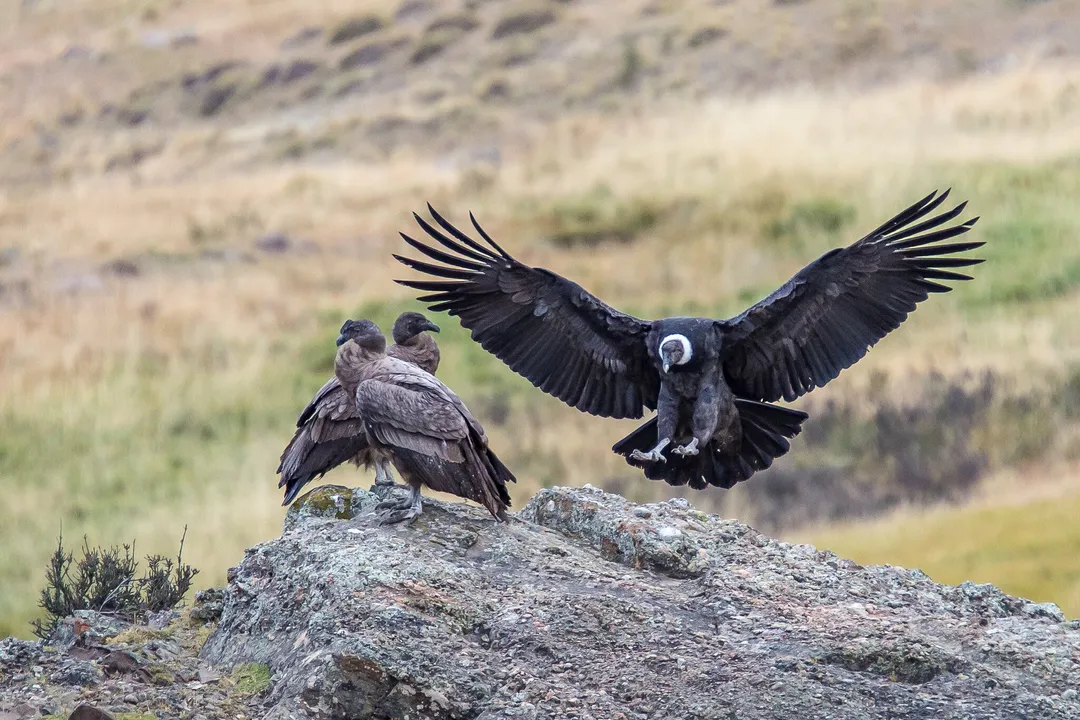
The condor is less a bird and more a living monument to high-altitude soaring, a creature whose very presence suggests raw, untamed wilderness. When people speak of condors, they are usually referring to one of two majestic species: the Andean Condor (Vultur gryphus) found in the Andes Mountains, or the California Condor (Gymnogyps californianus), whose story of near-disappearance and dramatic recovery is one of modern conservation marvels. [1][4][7] These New World Vultures command the skies through sheer scale and aerial mastery, offering a wealth of fascinating biological data that goes far beyond their reputation as scavengers. [7]
# Giant Gliders
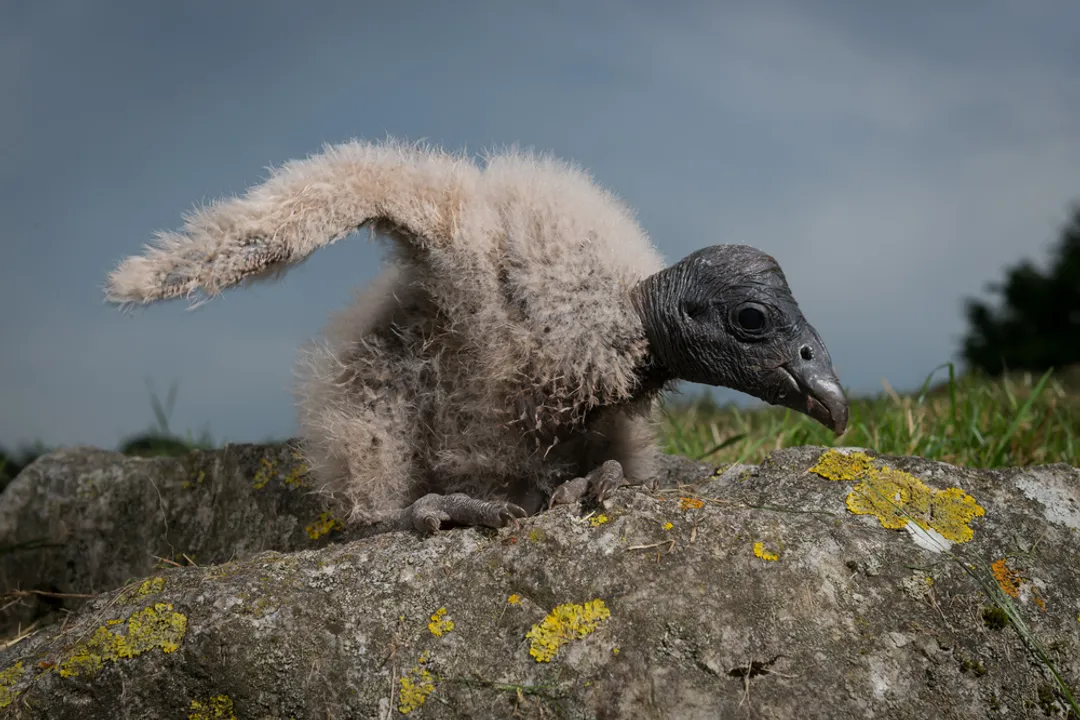
The most immediate impressive trait of a condor is its immense size. The Andean Condor holds the title as the world's largest flying bird, measured by a combination of its weight and wingspan. [1][7] Its wings can stretch an astonishing ten and a half feet across, allowing it to own the vast thermal currents above the South American peaks. [1] While the California Condor is slightly smaller, its wingspan still reaches an incredible nine and a half feet, making it one of the largest birds native to North America. [5]
This massive wing surface is designed for efficiency, not speed or agility in close quarters. Condors are masters of soaring, capitalizing on rising columns of warm air, or thermals, to gain altitude. [1] They can spend hours aloft, sometimes traversing hundreds of miles, without needing to flap their powerful wings once. [1] An analysis of their flight physics reveals a fascinating trade-off: their large body mass necessitates huge wings to achieve the necessary lift, but once airborne, their sheer size allows them to coast on weaker thermals that smaller birds simply cannot exploit. It’s a commitment to distance over maneuverability, perfectly suited for searching massive territories for widely scattered food sources. [1]
The ability to reach these extreme altitudes is also noteworthy. Andean Condors have been documented soaring up to approximately 16,000 feet above sea level, a feat requiring incredible physiological adaptation to lower oxygen levels. [1] They rely on sharp eyesight to spot potential meals from these incredible heights, rarely needing to use smell, which is common in other vulture species. [2]
# Diet Details
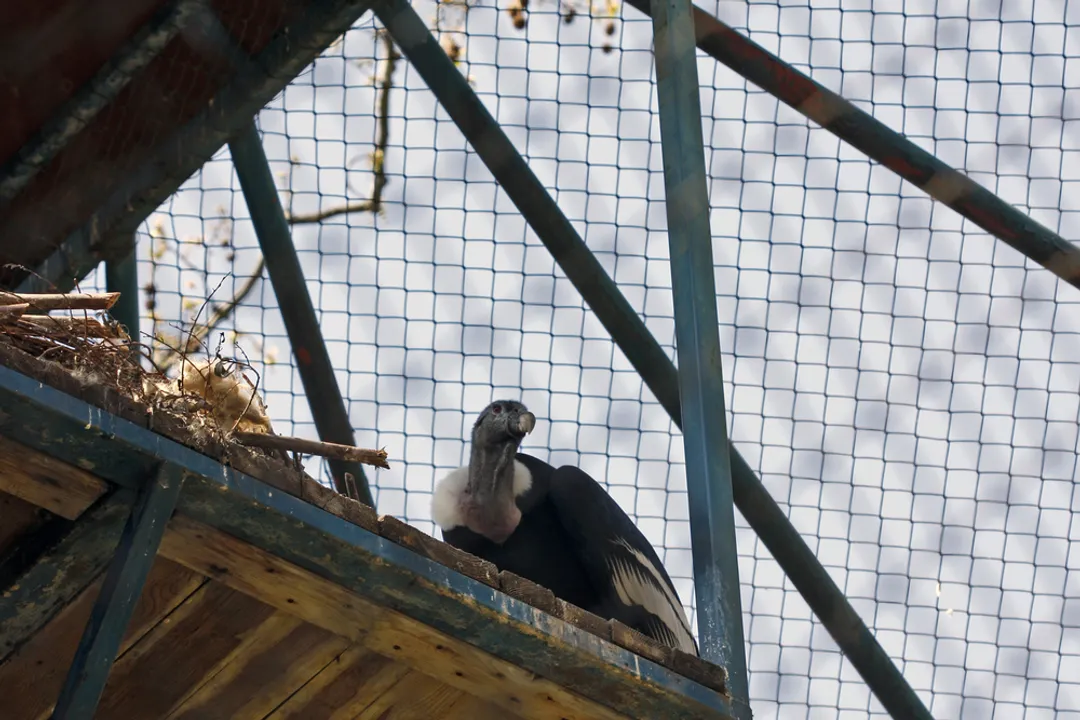
Condors are obligate scavengers, meaning their survival depends entirely on consuming carrion—the carcasses of animals that have died from natural causes or predation. [1][5][9] They play a vital, though often unglamorous, role in their ecosystems by cleaning up dead organic matter, preventing the spread of disease. [1][5] They will consume large mammals like deer, cattle, or sea lions, depending on their geographic location. [5]
Interestingly, they generally do not prey on living animals. [5] They are often seen gathering in groups at a large carcass, indicating a degree of social behavior around feeding opportunities. [1] In the Andes, they frequently use their powerful beaks to tear through the thick hide of large animals like cattle after smaller scavengers have done the initial work. [1]
One key behavioral difference, often noted when discussing the California Condor, is that they do not always need to find a carcass to know one is present. They are expert observers of other scavengers. If they see other birds descending rapidly, they know a meal is waiting below. [2]

# Reproductive Pace
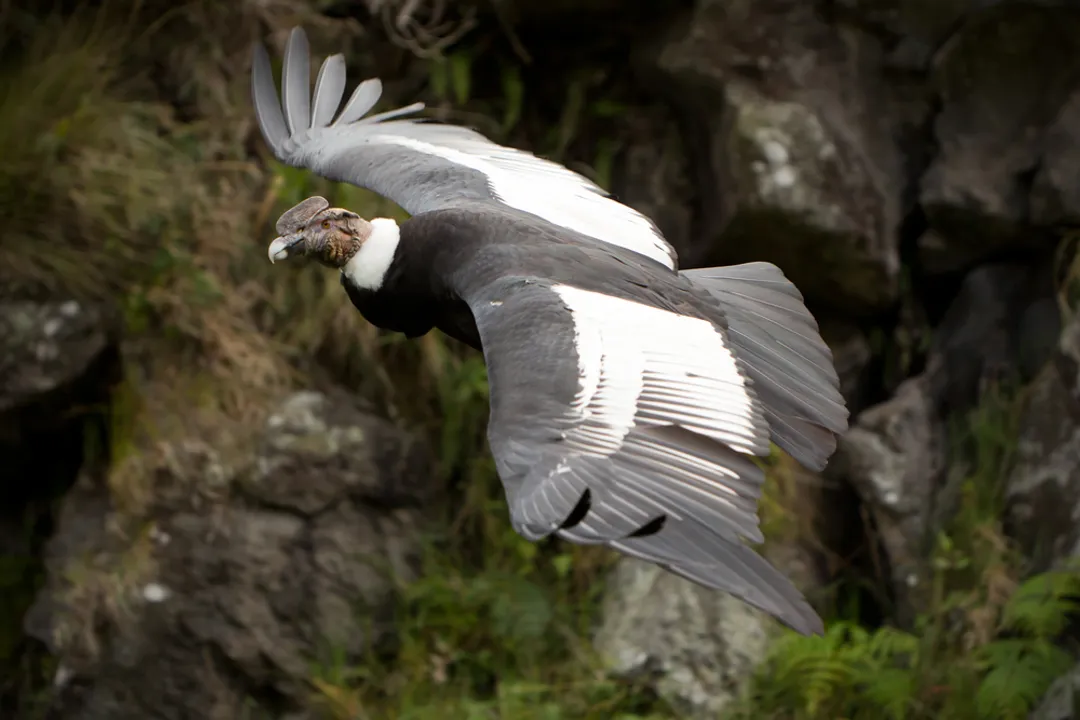
For such massive, long-lived birds, the condor's reproductive strategy is incredibly slow. This biological reality is one of the most significant challenges to their conservation, particularly for the California Condor. [1] An Andean Condor typically lays only one egg every two years. [1] This slow output means that any loss of an adult bird, or even a premature loss of a chick, represents a substantial setback to the population's recovery rate. [1]
This lengthy breeding cycle is coupled with a long lifespan. It is known that some condors can live for over 50 years in the wild. [1] Furthermore, the relationship between mating pairs is long-lasting; both the Andean and California Condors are generally considered monogamous, mating for life. [1][2] This strong pair bond likely helps ensure the complex, energy-intensive process of raising a single chick to fledging maturity is successful.
Considering this biological clock—a five-year minimum investment to produce two young, provided every breeding attempt is successful—it becomes clear why the near-extinction event for the California Condor was so devastating. When the population bottomed out, the chance of natural recovery without intense human intervention was virtually zero, as the species simply could not replace lost individuals fast enough to overcome external pressures. [4][5]
# Distinctive Features
While both species share the scavenging lifestyle and incredible wingspans, their appearance provides clear distinctions. The most striking feature of the male Andean Condor is the large, fleshy, reddish growth atop its beak, known as a caruncle. [1][2] This ornament is more pronounced in males and is thought to be a factor in sexual display, much like the wattles of a turkey. [1] Adult Andean Condors also display a distinctive white ruff of feathers around the base of their neck. [1]
The California Condor lacks this prominent caruncle. Adults are characterized by their mostly black plumage, with striking white triangular patches on the undersides of their wings, visible when they are soaring. [5][9] Their bare skin on the head and neck can display vibrant colors—pinks, oranges, or yellows—that can change based on the bird's mood or excitement level, especially during feeding or courtship displays. [5] Juvenile condors of both species look different from adults, typically having darker heads and lacking the bright skin coloration or the male's caruncle until they mature. [5]

# Survival Story
The California Condor's history in the 20th century is a critical chapter in avian conservation. By the mid-1980s, the population had plummeted due to threats like lead poisoning (from ingesting bullets lodged in animal carcasses) and habitat destruction, leaving only a few dozen birds remaining in the wild. [4][5][9] In a bold, controversial move, wildlife managers decided to capture all remaining wild individuals to participate in a captive breeding program aimed at saving the species from total extinction. [4][5]
This intensive captive management successfully increased their numbers, and reintroductions began in the 1990s. [4] While the number of free-flying California Condors is still relatively small compared to historical levels, the program has been a qualified success, bringing the species back from the brink. [4][9] Ongoing monitoring remains essential, as the threat of lead ingestion persists in their large range across California, Arizona, Utah, and Baja California. [4][5]
Contrast this intense, targeted recovery effort with the Andean Condor. While the Andean species is also listed as vulnerable due to habitat loss and persecution (sometimes killed by ranchers believing they prey on livestock), its population has remained far more stable and widespread across its large, though fragmented, range in the Andes mountains. [1][7] The sheer geographic scope of the Andes likely provided a buffer that the California Condor, whose range was historically confined to the western coast of North America, did not have when modern threats became critical. [7]
# Ecosystem Significance
Condors are more than just large birds; they are indicators of ecosystem health. Because they are long-lived and fly vast distances, their health reflects the general condition of the lands below them. The entire condor conservation strategy, particularly concerning the California species, highlights the critical need to manage contaminants in the food web. [4][9] The continued presence of lead shot in the environment, even if used for legal hunting, poses a direct poisoning risk to these scavengers. [4] Any region supporting a reintroduced population must manage this issue carefully because, as mentioned, a single poisoning event can wipe out a significant percentage of the annual reproductive output for the entire species. [1]
These apex scavengers are often the final stage in cleaning up a large animal death. Their presence signals an environment where large herbivores still exist, either naturally or through managed ranching. The success of condor recovery programs requires not just breeding facilities but also the buy-in of ranchers, hunters, and local communities who share the landscape and the food resources—a testament to the fact that conservation for species with such wide-ranging needs is inherently a community challenge, not just a biological one. They are, in essence, the ultimate recyclers of the mountain ranges and canyons they call home. [1][5]
#Videos
Condors for Kids | Learn cool facts about this incredible bird - YouTube
Related Questions
#Citations
15 Fast Facts About Andean Condors - Cascada Expediciones
8 Unusual and Fun Facts About The Andean Condor
10 California Condor Facts You Should Know - Birds and Blooms
Condors for Kids | Learn cool facts about this incredible bird - YouTube
California Condor Overview, All About Birds, Cornell Lab of ...
California Condor Facts and Characteristics - Facebook
Condor - Wikipedia
California Condor Fun Facts with Wild Kingdom and NWF
California condor, facts and photos | National Geographic