What are the health issues with Bolognese dogs?

The Bolognese, often celebrated for its fluffy white coat and cheerful demeanor, is generally considered a relatively healthy companion breed. [9] While they typically enjoy a respectable lifespan, often cited between 12 to 14 years, or sometimes exceeding 14 years for some, they are not entirely immune to inherited or common canine afflictions. [1][2][3] Understanding these potential health pitfalls is key for any devoted owner to ensure their little white cloud enjoys its fullest, healthiest life. [4]
# Dental Focus

The area of concern most frequently highlighted across breed information relates directly to oral hygiene. [1][2][3][4] Like many small-breed dogs, the Bolognese seems particularly predisposed to developing dental disease quickly. [4][9] This tendency is often linked to their small mouths, which can lead to crowding of the teeth, allowing plaque and tartar to build up much faster than in larger breeds. [1]
If left unchecked, this accumulation leads to gingivitis, periodontal disease, and can result in tooth loss or even systemic infections if bacteria travel from the mouth into the bloodstream and affect vital organs like the heart or kidneys. [2] Because this issue is so common, consistent preventative care isn't just recommended; it’s essential for longevity. Many owners find themselves budgeting for professional dental cleanings under anesthesia perhaps yearly or bi-annually once the dog reaches adulthood, a necessary expense given the breed’s susceptibility. [1][4] Considering that a single advanced dental procedure can cost several hundred dollars, establishing a rigorous home care routine—daily brushing being the gold standard—becomes less of an optional chore and more of a financial and health imperative for their whole life.
# Patellar Concerns

Another common orthopedic issue often noted in small breeds like the Bolognese is patellar luxation, the medical term for a slipping kneecap. [1][2][6] This occurs when the kneecap, which sits on the femur, moves out of its normal groove, causing a temporary hitch in the dog's gait or, sometimes, a skip in their step. [3]
While this condition can range from occasional slipping that resolves itself to a chronic, painful instability, early detection is vital. [6] For owners, recognizing the signs might involve noticing your dog suddenly holding up a hind leg, hopping, or seeming reluctant to jump or use stairs normally. [1] Responsible breeders often screen for this issue, but the condition can still appear later in life. [3] If luxation is severe or persistent, surgical correction may be necessary to restore proper alignment and prevent premature arthritis in the joint.

# Vision Care
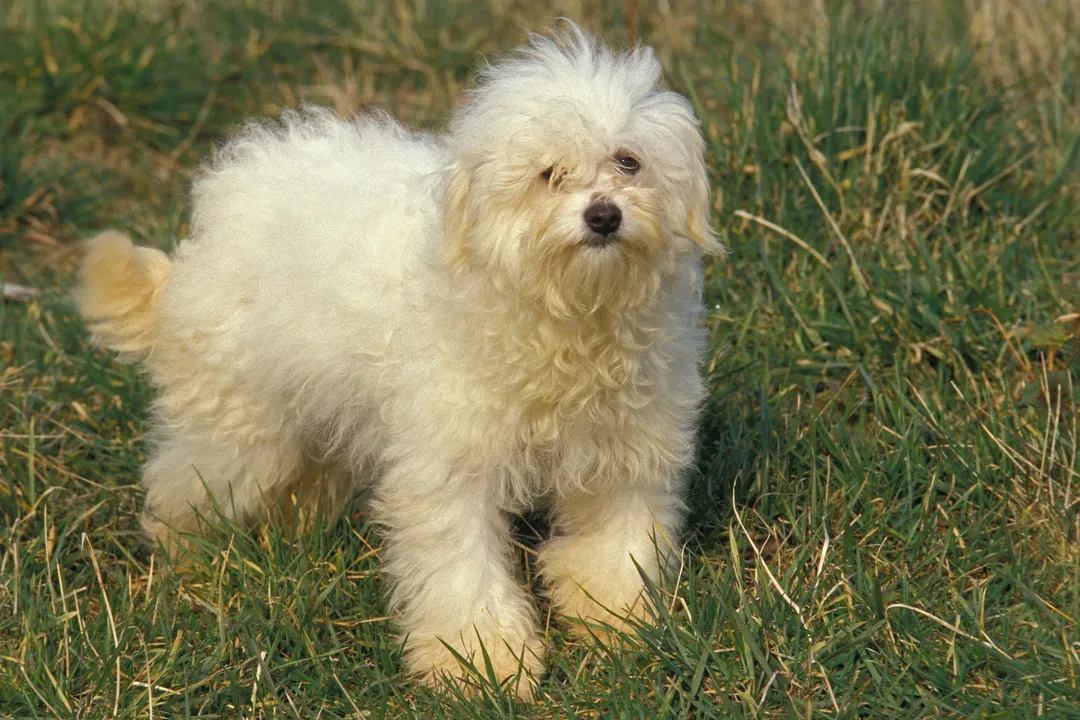
Eye health is another area requiring proactive attention from owners. [2] Cataracts, which cause cloudiness in the lens of the eye and lead to impaired vision, are sometimes noted as a potential concern within the breed. [2][3][6] While genetics play a role, regular veterinary eye exams become increasingly important as the Bolognese matures to catch any developing opacity early on. [2]
Closely related to visual presentation, but also a health consideration, is the issue of excessive tearing, commonly known as tear staining. [2] While this is often cosmetic—leaving reddish-brown streaks beneath the eyes against the white coat—it can sometimes indicate an underlying issue with tear duct drainage or chronic irritation. Keeping the area clean and dry is crucial to prevent secondary skin infections in that sensitive facial fold area.
# Systemic Risks

While orthopedic and dental concerns dominate the conversation, owners should also be aware of less frequent but serious systemic conditions that have been noted in the breed. [9] For instance, endocrine disorders such as Cushing's disease (excess cortisol production) or Addison's disease (insufficient hormone production) have been mentioned in association with the Bolognese. [9] These conditions require specific diagnostic testing and long-term medical management if present.
Furthermore, though not listed as a near-universal trait, at least one anecdotal report surfaced regarding a Bolognese suffering from congestive heart failure (CHF) at around 12 years of age. [5] While a single instance doesn't establish high prevalence, it underscores the need for regular senior wellness checks that include listening carefully to the heart for murmurs or irregularities. [5] A good baseline physical exam, including listening to the heart and lungs, should be part of every annual check-up.
When monitoring a dog’s physical condition, especially for signs of orthopedic discomfort beyond the obvious slipping of a knee, owners should develop a habit of performing quick joint checks. Try gently flexing and extending your dog’s rear legs while they are relaxed during cuddle time. While you should never force movement, feeling for any stiffness, grinding, or pain response can give you an early heads-up that something subtle is developing in the hip or knee, allowing for earlier intervention with supplements or physiotherapy before a diagnosis of advanced arthritis is made.

# Lifespan Weight
As Bolognese age, the focus of care naturally shifts, much like in any mature dog. [7] A significant management area, especially as their activity levels might slightly decrease, is weight control. [4][7] Bolognese are prone to obesity if their calorie intake isn't carefully matched to their energy output. [4]
Excess weight places undue strain on the developing and aging joints, making existing issues like patellar luxation significantly worse and increasing the risk of premature wear on the cartilage. [7] Monitoring their body condition score—ensuring you can easily feel the ribs without pressing hard—is a better metric than relying solely on the scale. [4] If a Bolognese becomes less active in its senior years, their food portion might need to be reduced proactively, even before visible weight gain occurs. [7]
# Anxiety Avoidance
Beyond physical health, the emotional well-being of a Bolognese requires consideration. [1] These dogs are known to be quite attached to their people and, because of their small size and affectionate nature, can sometimes be susceptible to developing separation anxiety. [1] This isn't a physical disease, but it is a health concern that significantly impacts quality of life for both pet and owner. [1]
Owners should strive to provide consistent structure and perhaps introduce crate training or independent playtime early on to help the dog feel secure even when temporarily alone. [1] Managing this tendency involves ensuring they receive adequate mental stimulation and exercise when with their family, preventing them from becoming overly dependent on constant physical proximity when the owner is home.
Overall, the Bolognese presents as a generally healthy breed, capable of being a wonderful companion for many years. [9] The key to mitigating their known risks—primarily dental decay and patellar instability—lies in diligence: regular veterinary visits, meticulous home dental care, and keen observation of their gait and appetite can help preempt many potential problems before they become serious concerns. [1][4]
Related Questions
#Citations
Bolognese Dog Breed Health and Care | PetMD
Bolognese | Dog Breed Facts and Information - Wag! Dog Walking
Bolognese - Dog Breed Information - American Kennel Club
How Can I Keep My Bolognese Dog Healthy and Prevent Common ...
Expert Answers on Bolognese Dog Health Issues and Care
Bolognese | Embrace Dog Breed Library
QUESTION: What changes will I see in my older Bolognese
Bolognese Dog Breed Information & Characteristics - Potty Buddy
The Bolognese: A Healthy Little Dog Breed Guide - Pets4Homes