Are Scotch Collies rare?
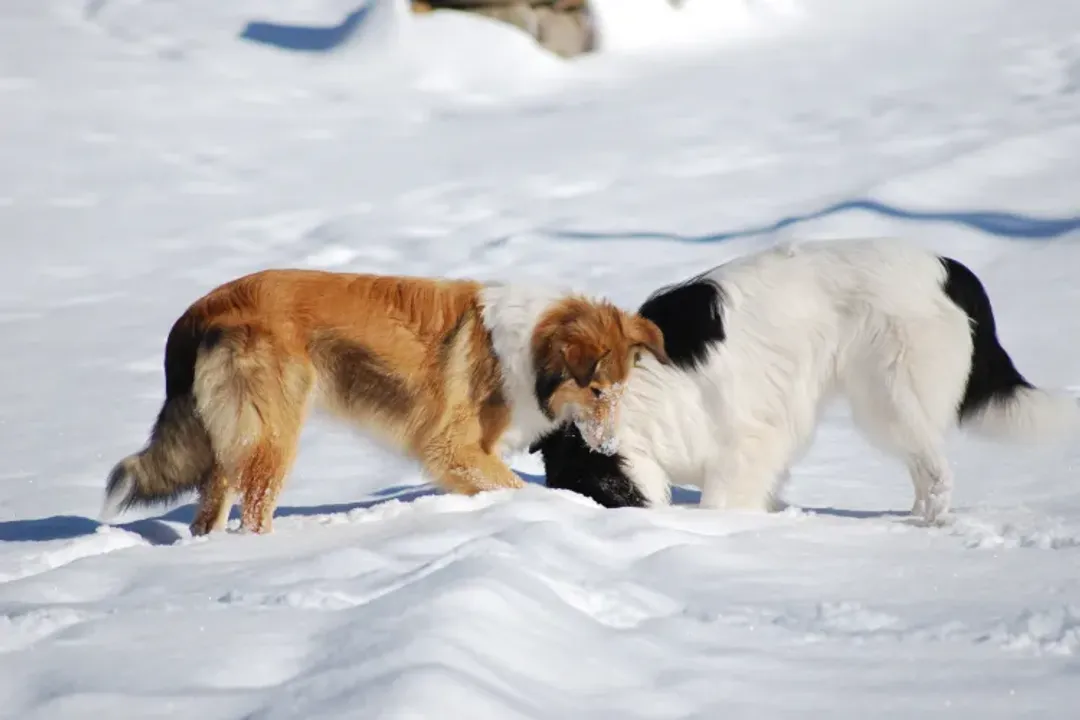
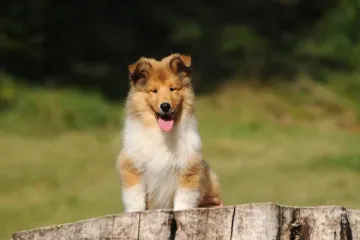
The status of the Scotch Collie is one of fascinating history, near-loss, and dedicated modern revival. These dogs, deeply rooted in the Scottish Highlands as versatile farm workers, are certainly rare today compared to their cousins, the Rough Collie, yet they exist as a distinct heritage breed fighting to maintain its identity. [2][6] They are not just an older version of the famous Lassie-type dog; they represent a working type that evolved before modern breed formalization and subsequent aesthetic breeding priorities took hold. [4][6]
# Farm Dog History
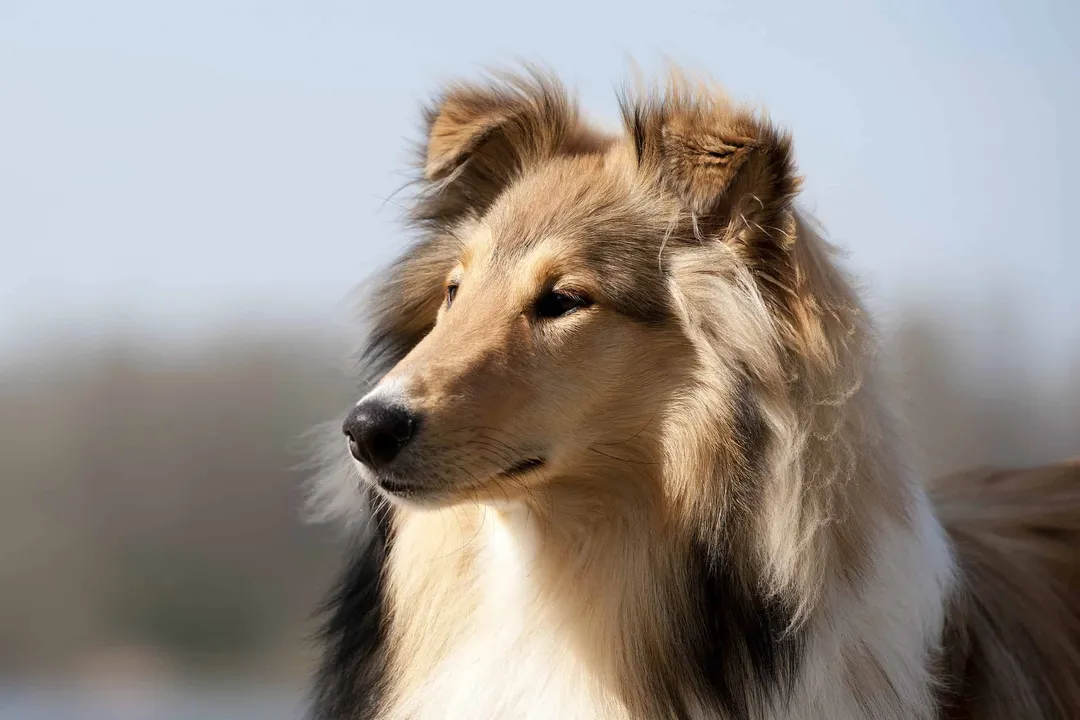
For centuries, what we now call the Scotch Collie type was simply the local herding dog of the Scottish hills—a dog expected to perform a wide variety of duties rather than conform to a single visual standard. [2][6] They were the essential partner for shepherds, guiding sheep, guarding the farmstead, and acting as trustworthy companions. [2] When immigrants brought these dogs to North America, they continued this tradition, handling everything from herding cattle and poultry to watching over children and gardens. [2]
This functional dog became widely recognized in America by the early 1900s, appearing in literature and early film, often under the name "Scotch Collie" or "Farm Collie". [2] Lassie, for instance, was based on a farm collie type. [4] However, changes in agricultural practices, moving away from small family farms toward more industrialized operations, drastically reduced the need for this type of all-around working dog. [2][4] This shift, combined with the concurrent rise of specialized herding breeds and the formalization of the show Collie, caused the traditional Scotch Collie population to dwindle until they were almost unknown outside of a few isolated farmsteads by the 1980s. [2]
# Type Versus Standard
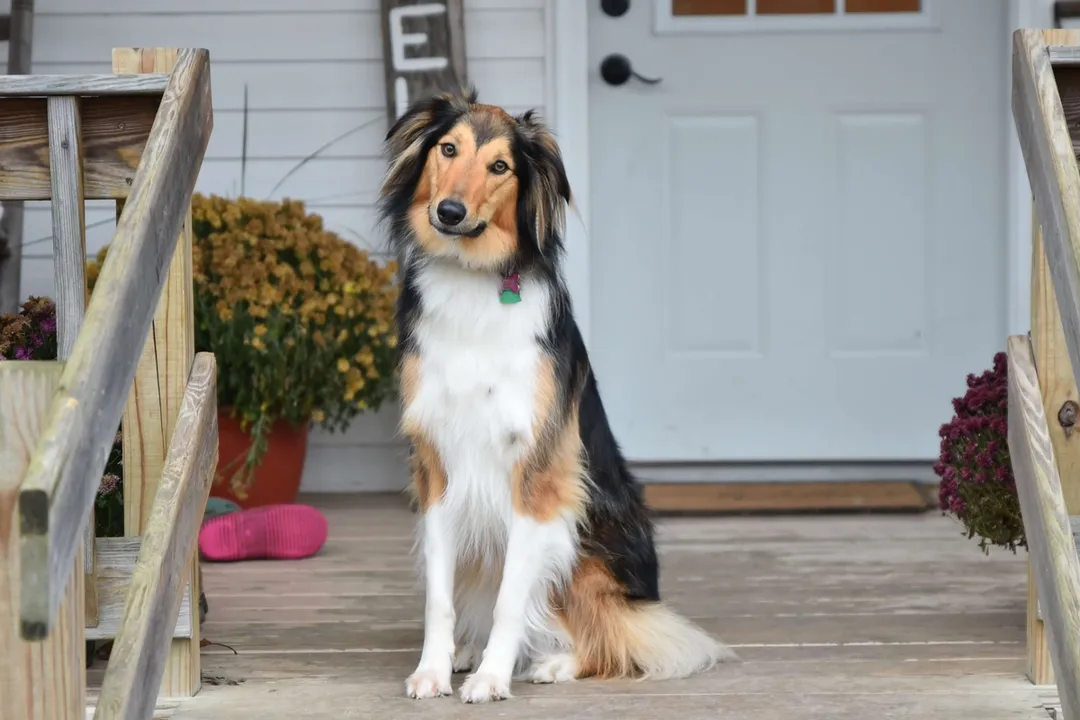
A key point of confusion surrounding the Scotch Collie is its relationship with the Rough Collie. Many enthusiasts argue that the Scotch Collie is the original stock, from which the modern Rough Collie was derived after breed clubs, such as the AKC, began selecting more rigorously for specific looks rather than working utility. [3][6] The modern Rough Collie, particularly the conformation lines, sometimes features exaggerated traits, like a more extreme muzzle shape, that were selected for show ring success. [3][5]
The Scotch Collie, as defined by those attempting to preserve it, is a landrace dog—meaning its form is dictated by function and environment rather than a strict, narrow standard. [3] Breeders are working to maintain a dog that is more rustic, athletic, and balanced in appearance compared to its show-ring relatives. [3][5][6] They are often described as being closer in appearance to the Border Collie or English Shepherd than the highly refined modern Rough Collie. [3] For those seeking a dog whose primary attribute is its historical function as a versatile, all-purpose farm helper, the modern Scotch Collie movement is an attempt to step back to that original blueprint. [2][6]
# Genetic Diversity Study
The efforts to restore and preserve this heritage are not just based on phenotype (appearance); they are being scrutinized genetically. The Scottish Collie Preservation Society (SCPS) partnered with UC Davis Veterinary Genetics Laboratory (VGL) to get a snapshot of the genetic health of the population they were working with. [5]
A preliminary analysis of 43 carefully selected Scotch Collies revealed a crucial finding: these dogs possessed significantly more genetic diversity than a sample group of 55 conformation-type Collies. [5] The conformation Collies were found to be more inbred and had less overall biodiversity, especially concerning the Dog Leukocyte Antigen (DLA) region, which codes for the immune system. [5] The three-locus marker test showed the tested Scotch Collies retained nearly 40% of known canine diversity, while the conformation Collies retained less. [5] This data supports the premise that the preservation lines represent a distinct, somewhat broader genetic pool than the modern show lines. [5]
However, the genetic analysis also pointed to internal challenges within the preservation group itself. Forty of the 43 dogs studied clustered into a single population, suggesting that while they were more diverse than the show dogs, the core group was closely related and showed evidence of a genetic bottleneck. [5] In conservation genetics, a bottleneck signifies a severe reduction in population size at some point, which limits the variants available for future generations. [5] This means that while the Scotch Collie isn't extinct, its current population requires careful management to prevent the loss of the very diversity the revival aims to secure. [5] It becomes clear that simply reuniting the "old type" is not enough; breeders must employ sophisticated methods to manage kinship and distribute existing rare alleles widely. [5]
If the goal is long-term health and vigor, as the SCPS intends, the preservation of these unique, less-represented DLA haplotypes—which are absent in the conformation lines—must be a priority. This genetic understanding is perhaps the greatest tool they possess, offering a roadmap to avoid the inbreeding that already characterizes other established, smaller lines. [5] This commitment to testing and managing genetic flow, even with the risk of introducing outcrosses to boost diversity, shows a scientific commitment to the breed's future that goes well beyond simple nostalgic breeding. [5]
# Temperament and Living Needs
Scotch Collies are cherished not just for their history, but for their enduring temperament, which reflects their heritage as responsible farm workers and companions. [2][4] They are widely regarded as intelligent, loyal, and inherently gentle, especially around children. [1][4] Owners often report a deep emotional attachment these dogs form with their families. [1] Unlike some high-drive herding breeds, they are sometimes described as "loose-eyed" when working sheep, meaning they manage the flock through presence rather than intense driving, only working stock when specifically asked. [4] When not working, they typically leave the stock alone, which is a valued trait for a multi-use farm dog.
This sensitivity is a double-edged sword. Their deep loyalty often translates into a strong tendency toward separation anxiety; they are not dogs designed to be left alone for long periods. [1][4] Furthermore, while excellent with family, their protective instincts mean they can be reserved with strangers. [1]
Their physical needs are significant. Bred for long days covering rough terrain, they require substantial daily activity—at least an hour of vigorous exercise is recommended. [1] They thrive with open space, making them best suited for active households or properties where they can roam safely. [1] While they possess a unique, dual-layered coat often described as a "Teflon coat" that sheds mud and burs easily, the undercoat still requires diligent brushing, often up to four times a week, to prevent matting. [1]
It is interesting to note the reported difference in energy compared to their modern relative: one anecdotal report suggests Scotch Collies are generally not as hyper as Border Collies, balancing their high need for activity with a calmer presence indoors when their needs are met. [3] This suggests a functional difference: the Border Collie is bred for extreme speed and intensity for vast open ranges, while the Scotch Collie maintains the stamina for varied tasks but perhaps with a less frantic mental state—a subtle difference in herding philosophy translating directly into daily energy management for the owner. [4]
# Protecting a Legacy
The Scotch Collie is not a recognized breed by major kennel clubs, but rather a heritage breed being actively restored by dedicated groups like the Old-Time Scotch Collie Association (OTSC) and individual farm breeders. [2][5] For many owners, this lack of official kennel club status is part of the appeal, symbolizing a commitment to function over registry politics. [3]
Finding a purebred, health-tested Scotch Collie is difficult simply because of their historical near-extinction and the current reliance on smaller, interconnected breeding pools. [2][4] Breeders actively involved in this revival commit significant resources to selective breeding, meticulous record-keeping, and genetic testing to safeguard the original character, health, and working ability of the farm collie. [2][5] The consensus among these enthusiasts is that they are safeguarding a living piece of agricultural history. [2] While the population numbers are rising thanks to these efforts, they remain considerably less common than the show lines, confirming that the Scotch Collie is indeed a rare dog, albeit one with a dedicated fanbase ensuring its numbers continue to climb away from the brink. [6] For someone interested in acquiring one, connecting directly with these specialized preservation societies or dedicated farm breeders is essential to understand the current health testing standards and availability. [4][5]
Related Questions
#Citations
[Breeds] [Question] Scotch Collies and Rough Collie Differences
History of the Old-Time Scotch Collie | A Rare Heritage Breed
Farm Collies - Owl Moon Farm
Scottish Collies – preliminary report (SCPS) - BetterBred.com
Scotch Collie Dog Breed Complete Guide - A-Z Animals
Scottish Collies - Idaho
Old-Time Scotch Collies - Owl Moon Farm