What is the life expectancy of a Scotch Collie?

Determining the life expectancy of the Scotch Collie is not as straightforward as consulting a single, fixed number, largely because the term itself bridges historical working lines and the modern, more famous breed standard. When researching how long these devoted companions typically live, you quickly encounter a range of figures that can cause confusion for prospective owners. Some reputable sources suggest a lifespan hovering around the 14 to 16-year mark, with anecdotal reports of some individuals reaching 20 years. [1][4] Conversely, other established canine authorities place the expected longevity for the Collie—often encompassing the variety referenced as the Scottish Collie—between 8 and 12 years, or sometimes 10 to 14 years. [2][3][5][6]
# Naming Roots
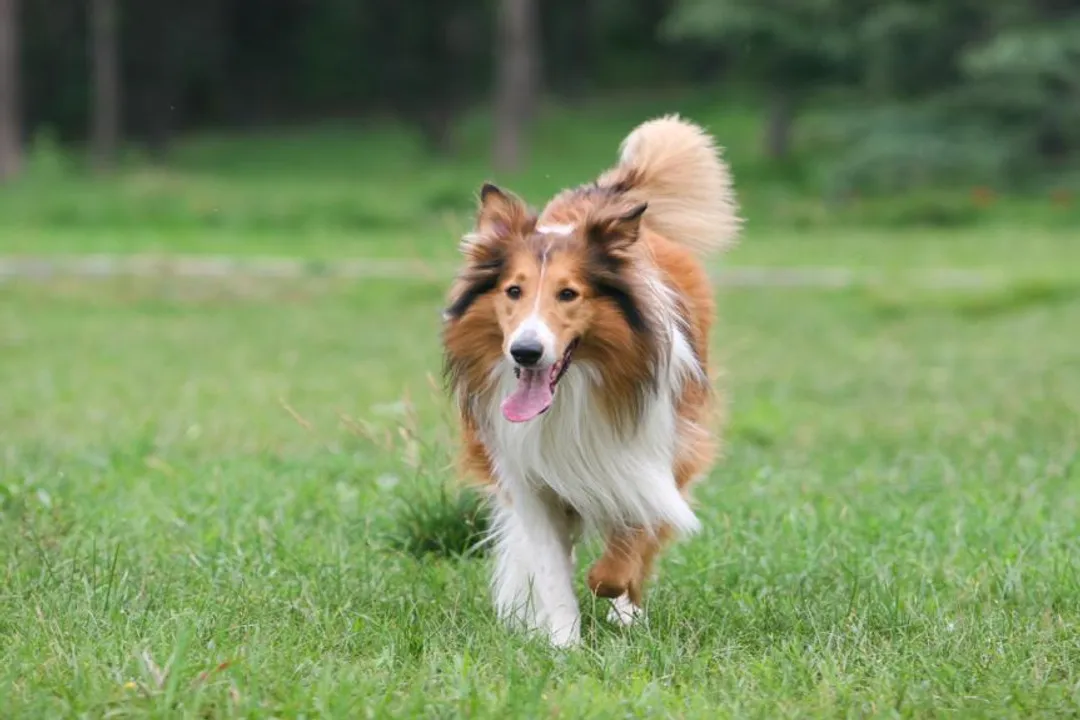
The confusion over longevity begins with the name. The Scotch Collie is recognized as one of the oldest collie types, having been instrumental in developing the popular Border Collie. [1] Historically, these dogs were prized across the Scottish Highlands and northern England primarily for their work ethic—herding and guarding livestock—with appearance taking a backseat. [6][7] The very name "Collie" may derive from the Scottish black-faced sheep, the "Colleys," they managed. [4][6]
The breed's move into the mainstream spotlight is largely attributed to Queen Victoria, who took a liking to the dogs during her visits to Balmoral in the 1860s and brought some back to England. [3][6] This royal endorsement shifted focus toward specific aesthetic traits, leading to the establishment of the breed standard seen today, famously embodied by the 'Lassie' archetype. [3][5] Collies exist in two main coat varieties—the long-coated Rough Collie and the short-coated Smooth Collie—and both types can actually be present in the same litter. [4][6] The shorter lifespan figures often align more closely with the formalized, show-standard Collie, while the longer figures seem linked to the lineage that maintained the robust health of the original farm dog. [1][4]
# Lifespan Variance Analysis
The split between the 8-12 year range and the 14-16 year range suggests that "Scotch Collie" today can describe a spectrum of dogs. The dogs whose expected lifespan leans toward the lower end often match the modern breed standard, while the higher estimates align with the hardy, working background of the breed. [1][4][7]
It is worth noting that while Collies are considered large dogs, they are often lighter than many comparable breeds. For example, a male Collie might typically weigh between 45 and 55 pounds, which places them considerably lighter than a Labrador Retriever or Golden Retriever, whose weights often begin around 65 pounds. [7] This relatively lighter build is one factor that might contribute to a longer life than anticipated for a dog of their stature. [7] Another significant factor suggested in owner discussions is that since the purebred Collie is less common now, dedicated owners who seek them out are often more intentional about finding reputable breeders who prioritize health screening, which naturally boosts average longevity statistics. [7]
# Documentation Discrepancy
When reviewing sources for this breed, understanding which Collie they are referencing helps contextualize the numbers provided. The variance is quite notable:
| Average Lifespan | Associated Description/Focus | Source Type Tendency |
|---|---|---|
| 8–12 Years | General Collie, modern representation | Commercial/Pet Care Brand [2] |
| 10–14 Years | General Collie | Rescue/Health Site [3][6] |
| 12–14 Years | Formal Breed Standard Collie | Kennel Club [5] |
| 14–16 Years | Scotch Collie / Older Lineage | Specialty/General Breed Guide [1][4] |

# Health Factors and Longevity
Health is the primary moderator of lifespan, and Collies, while generally hardy, are susceptible to a few specific genetic conditions that owners and breeders must manage. [3][6] The focus of inherited health issues in Collies often centers on the eyes and neurological function, which is different from the primary concerns in many other large breeds.
For many larger breeds, significant concerns often involve severe skeletal issues like widespread hip and elbow dysplasia, or a high incidence of certain cancers. [7] While Collies can certainly experience hip dysplasia, [3] their health testing requirements, when compared to other large breeds, often focus more narrowly. For instance, achieving a CHIC certification (Canine Health Information Center) for a Golden Retriever might require testing for eyes, hips, elbows, and cardiology, whereas a Rough or Smooth Collie typically requires clearances for Collie Eye Anomaly (CEA), Progressive Retinal Atrophy (PRA), and MDR1 status. [7]
The MDR1 (Multi-Drug Resistance) Mutation is particularly prevalent, with approximately 70% of Collies carrying a predisposition that causes adverse reactions to common drugs. [6] Responsible breeders test for this, allowing veterinarians to adjust medication dosages safely. [5][6] Collie Eye Anomaly (CEA) is another significant genetic concern that affects eye structure and can lead to blindness, requiring checks on puppies as young as five or six weeks. [3][5]
While life-limiting conditions like cancer, spinal diseases (like Degenerative Myelopathy), and severe arthritis do occur, responsible breeding practices aimed at eliminating known inherited defects are credited with helping the breed maintain a relatively healthy overall stock. [7] Therefore, the difference in expected lifespan figures may reflect the health outcomes between dogs from actively health-tested lines versus those whose lineage is less transparent. [7]
# Supporting a Fuller Life
Regardless of whether your dog falls into the 10-year bracket or the 15-year bracket, owner commitment to management directly influences the quality of those later years. A critical step for any Collie owner is providing appropriate mental and physical outlets; these dogs were built to work, and mental stagnation often leads to nuisance barking or destructive habits. [6] Providing an hour of vigorous exercise daily, supplemented with mentally stimulating games like fetch or agility, keeps the mind and body sound. [3][5]
Nutrition is foundational, especially given the breed's predisposition to bloat. Instead of one large meal, feeding smaller portions twice daily aids digestion and metabolic balance. [1][3] When looking at senior care, owners of older Collies often share success stories regarding joint health management. Incorporating supplements like glucosamine can support aging joints, and sometimes specialized anti-inflammatory treatments can keep a dog spry well into their teens, which might account for those exceptional ages seen in community reports. [7]
The greatest assurance for reaching the higher end of the lifespan spectrum, however, rests in the deep, reciprocal bond this breed forms. Collies thrive on companionship and are highly attuned to their owners' emotions. [1][6] A dog that feels valued, engaged, and deeply bonded to its family is likely to receive the devoted attention that prompts prompt veterinary intervention when issues arise, making every day count in their long history with us. [7]
Related Questions
#Citations
The Collie or Scottish Collie Dog Breed - Hill's Pet Nutrition
Scotch Collie Dog Breed Complete Guide - A-Z Animals
Why do rough collies have a fairly long lifespan despite ... - Reddit
Collie Dog Breed Information - American Kennel Club
Collie Dog Breed Health and Care - PetMD
Collie Dog Breed | Origin, History, Personality & Care Needs
About Collies - Southland Collie Rescue