Do corgipoos have health issues?
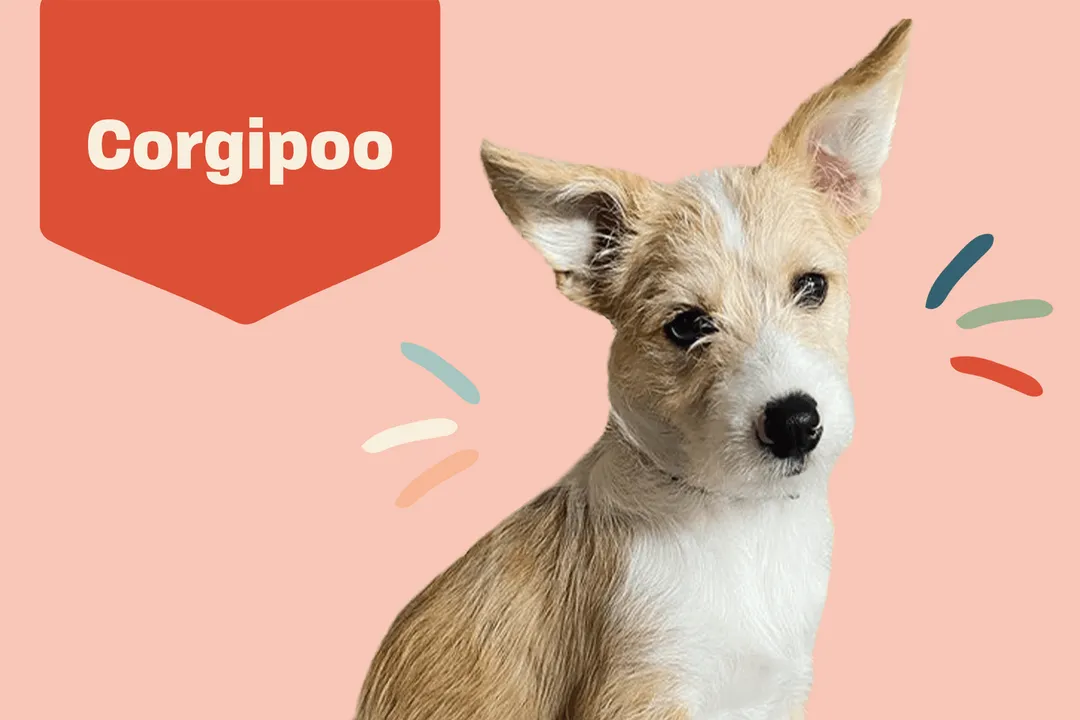
Mixed-breed dogs, often called "designer dogs," bring together the genetics of two distinct purebreds, and the Corgipoo—a blend of the sturdy Pembroke Welsh Corgi and the intelligent Poodle—is no exception to this genetic lottery. [1][4] When considering bringing one of these charming, often curly-coated companions into your home, prospective owners naturally wonder about their long-term well-being. While hybrid vigor might offer a slight advantage against some hereditary conditions present in the parent lines, Corgipoos are absolutely susceptible to inheriting health predispositions from both the Corgi and the Poodle sides of their lineage. [1][7] Understanding these potential pitfalls is the first step toward ensuring a long, happy life for your little low-rider.
# Inherited Risks
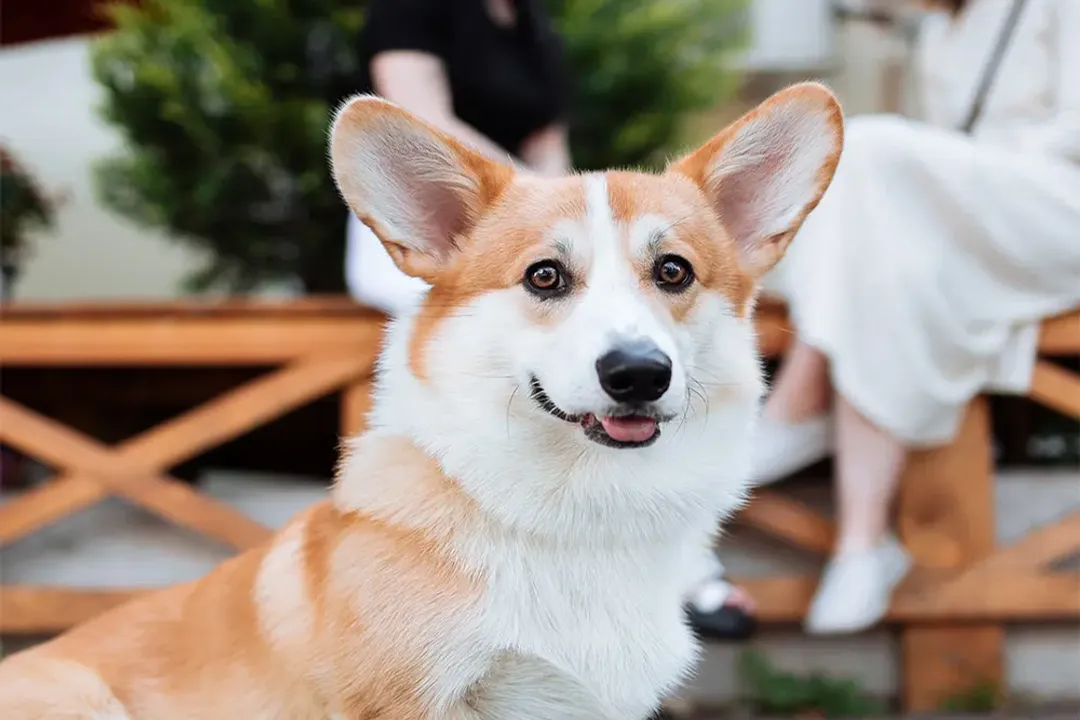
The Corgipoo inherits traits from two very different dogs: the low-to-the-ground herder and the athletic water dog. [7] This blending means an owner must be aware of the spectrum of ailments that can plague either parent breed. [1] For example, while Poodles often carry risks associated with joint health and specific endocrine disorders, Corgis are notably susceptible to severe back issues. [7][9] The unpredictability of which traits dominate means that a Corgipoo puppy might look completely like a Poodle in build but carry the Corgi's predisposition for spinal trouble, or vice versa. [1] A responsible approach involves screening for the most common issues found in both parent breeds. [4]
# Spinal Structure

Perhaps the most significant structural concern associated with the Corgipoo centers on the back, inherited directly from the Pembroke Welsh Corgi. [7][9] Corgis are famously long-backed with short legs, a condition known as chondrodysplasia. [9] This unique conformation puts extra strain on the spine, making them prone to Intervertebral Disc Disease (IVDD). [7][9] IVDD occurs when the discs cushioning the vertebrae degenerate or rupture, causing pain, nerve damage, and potentially paralysis. [9] While Poodles do not share this specific conformation risk, the Corgipoo's body shape remains the primary driver for this concern. [7]
A proactive stance on preventing spinal injury is crucial for any Corgipoo owner. This involves rigorously managing their weight; excess pounds place significantly more load on an already long, vulnerable back structure. [7] Furthermore, owners should be cautious about encouraging activities that involve excessive jumping, such as repeatedly leaping onto or off of furniture. Placing low, easy access steps or ramps near beds and sofas can be a simple yet highly effective way to reduce chronic, small stresses on the vertebrae over the dog's lifespan. [7]

# Ocular Concerns

Another area requiring lifelong vigilance involves the eyes, as both the Corgi and the Poodle breeds carry genetic markers for certain ocular conditions. [7] A shared concern is Progressive Retinal Atrophy (PRA), a degenerative eye disease that can eventually lead to blindness in dogs. [7] While the specific mechanism of inheritance might differ slightly between the breeds, the end result for the Corgipoo is the potential to inherit this risk from either parent. [7]
Additionally, owners should monitor for cataracts, which can develop with age, though this is a more general aging concern. Regular, annual ophthalmic examinations by a veterinarian are highly recommended, especially as the dog enters its senior years, to catch early signs of deterioration before significant vision loss occurs. [4] Early detection in many eye conditions allows for management strategies that can slow progression or at least allow the owner to prepare for the eventual outcome.
# Joint Health
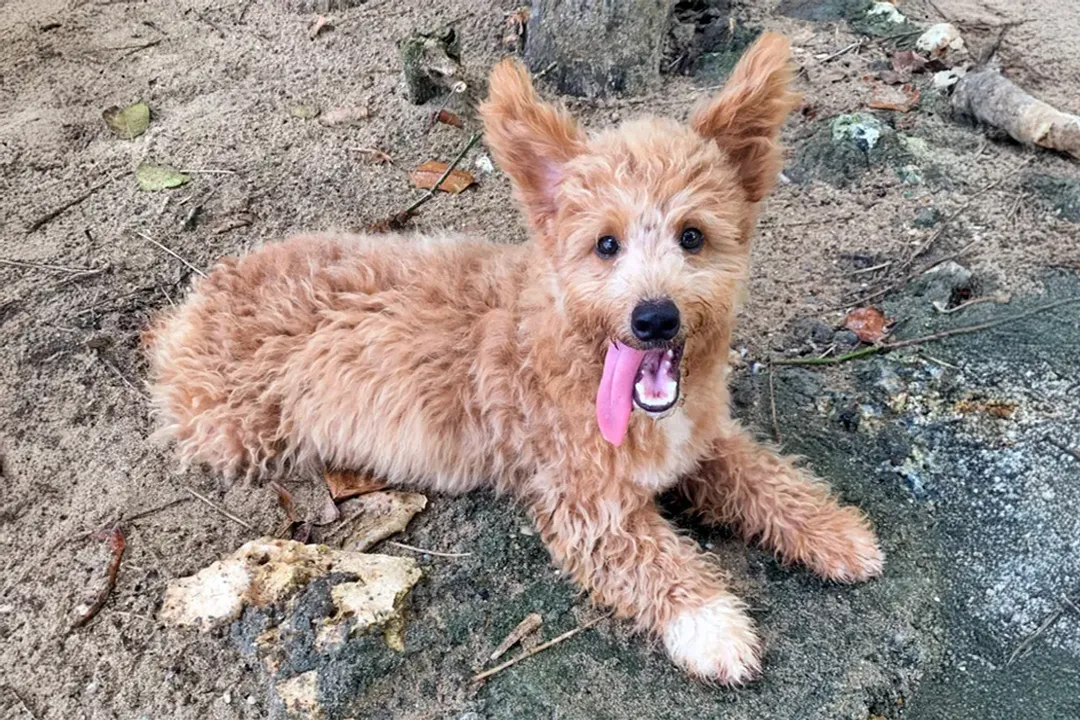
Hip dysplasia, a condition where the hip joint socket and femur do not fit together properly, leading to painful arthritis and mobility issues, is a concern that surfaces in both parent breeds. [7] Poodles are documented as being susceptible to this condition. [7] Although Corgis are often more noted for their spinal woes, joint health remains a universal concern for many medium-sized, heavily muscled dogs.
For a Corgipoo, minimizing strain on the hips is as important as protecting the back. While the dog’s inherent structure plays a role, maintaining an ideal body weight is the single most controllable factor for reducing long-term wear and tear on the joints. [4] Consistent, moderate exercise, avoiding high-impact repetitive actions like excessive ball chasing on hard surfaces, and providing orthopedic support if mobility issues arise in older age are key management strategies. [4]

# Endocrine Issues
The Poodle heritage introduces the possibility of certain hormonal disorders that are less commonly reported in purebred Corgis. Two significant conditions associated with Poodles that a Corgipoo could inherit are Addison’s disease and Cushing’s disease. [7]
Addison’s disease (hypoadrenocorticism) is an autoimmune condition where the adrenal glands do not produce enough vital hormones, such as cortisol. [7] Symptoms can be vague initially—lethargy, vomiting, and appetite changes—but acute crises can be life-threatening. [7] Conversely, Cushing’s disease (hyperadrenocorticism) involves the overproduction of cortisol, leading to symptoms like increased thirst, excessive urination, and a pot-bellied appearance. [7] While these are less frequently cited as primary Corgipoo concerns compared to back or eye problems, they represent a distinct genetic possibility coming from the Poodle side that potential owners should be aware of when discussing health history with a breeder. [7]
# Minor Physical Markers
Beyond the major systemic diseases, a few smaller physical traits can impact daily care, often related to the Poodle's coat or the Corgi's ear set. Corgipoos often inherit floppy ears from the Poodle side, or they may have ears that stand slightly erect but still fold. [1] Floppy ears tend to trap moisture and debris, creating a warm, damp environment conducive to ear infections. [1] Routine ear checks—looking for redness, odor, or excessive wax—and gentle cleaning according to veterinary advice can prevent recurrent discomfort. [1]
Another factor, common across many breeds but worth noting for a low-riding dog, is dental health. Just like any small to medium-sized dog, Corgipoos can be prone to developing dental disease if plaque and tartar are not managed through regular brushing and professional cleanings. [4]

# Responsible Sourcing
Given that the Corgipoo is a designer mix, the ethical standing and practices of the breeder become even more important than with established purebreds, where registries often mandate certain health clearances. [4] The single best way to mitigate the risk of inherited conditions is to select a breeder who performs comprehensive health screenings on the parent stock—both the Poodle and the Corgi. [1][4]
For instance, before breeding, the parent Corgi should have OFA (Orthopedic Foundation for Animals) or PennHIP evaluations for hips, and the parent Poodle should have recent certification from the Canine Eye Registry Foundation (CERF) or the Orthopedic Foundation for Animals Eye Certification (CAER). [4] A reputable breeder should be transparent and willing to share these test results, demonstrating a commitment to producing healthy puppies rather than simply capitalizing on popularity. [1][4] If a breeder dismisses the need for health testing by relying solely on "hybrid vigor," it should serve as a significant warning sign. [4]
# Long-Term Ownership
The expected lifespan for a Corgipoo typically falls between twelve and fifteen years. [1][4] Achieving the upper end of this range hinges significantly on preventative care and attentive ownership. Beyond the genetic predispositions already discussed, owners must remain vigilant regarding general canine health concerns.
Early socialization and consistent positive reinforcement training are essential, as some Corgipoos can exhibit guarding tendencies inherited from the Corgi side or high intelligence that requires mental stimulation, inherited from the Poodle. [5] Boredom can easily lead to undesirable behaviors, which, while not strictly a health issue, certainly impacts the dog's quality of life and the owner's experience. Ensuring they have appropriate chew toys and puzzle feeders can help satisfy their mental needs. [5] Furthermore, owners should establish a partnership with a veterinarian immediately upon bringing the puppy home, ensuring all vaccinations are current and a baseline physical examination is performed early on to establish a health record for future reference. [4]
Related Questions
#Citations
Corgipoo: Characteristics & Care | Wag!
Corgipoo: Is This the Right Dog for Your Lifestyle? - Adopt a Pet
Potential issues for a potential Corgi owner - Reddit
Corgipoo Dog Breed Information and Characteristics - Daily Paws
Commonly corgis suffer from 4 health problems. What you should ...
Caring for Your Corgipoo: Key Health Concerns and Solutions
Corgi Poodle Mix
What health problems do Corgis commonly have? - Quora
Corgipoos - Oswald Vineyard