Are Devon Rex cats prone to health issues?
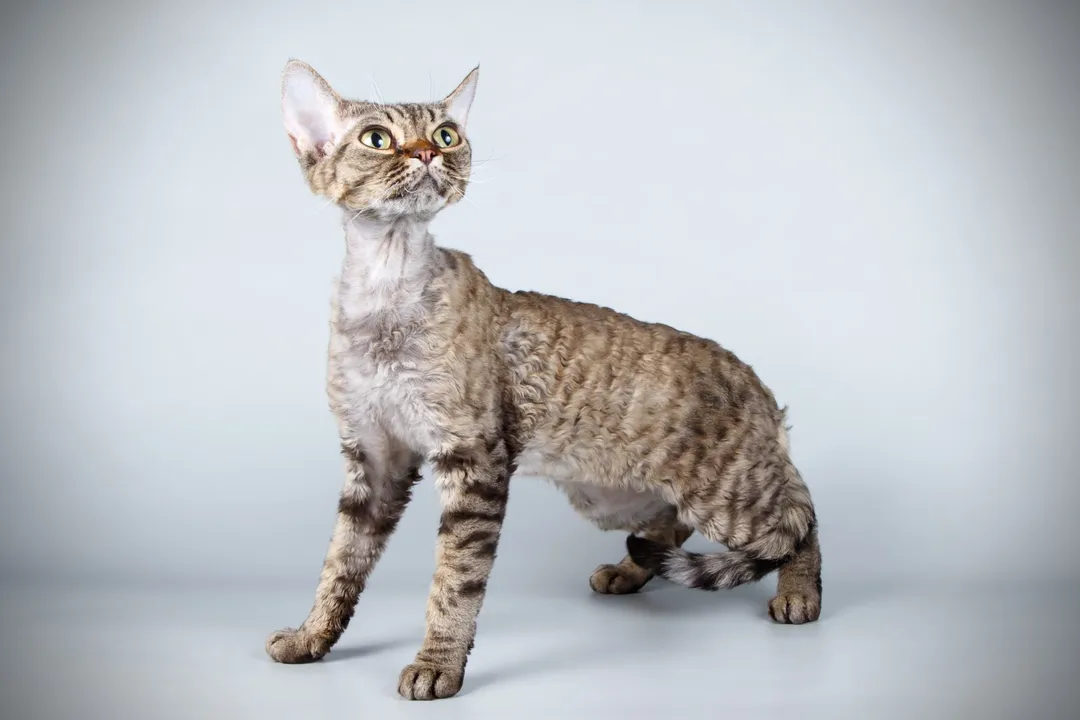
The Devon Rex, often affectionately nicknamed the "Pixie Cat" due to its large ears, big eyes, and impish look, brings an unparalleled level of playful energy into a home. They are renowned for being highly intelligent, curious, and dog-like in their affection and sociability. While their personality is often described as unmatched in enthusiasm, prospective owners rightfully inquire about the breed's physical robustness and potential health pitfalls. Generally, the Devon Rex is considered a hardy, well-muscled breed. With an expected lifespan often falling between 12 and 16 years, sometimes extending past 17, they can be long-lived companions. However, like most pedigrees, they possess predispositions to certain inherited conditions that demand awareness from their caretakers.
# Inherited Conditions
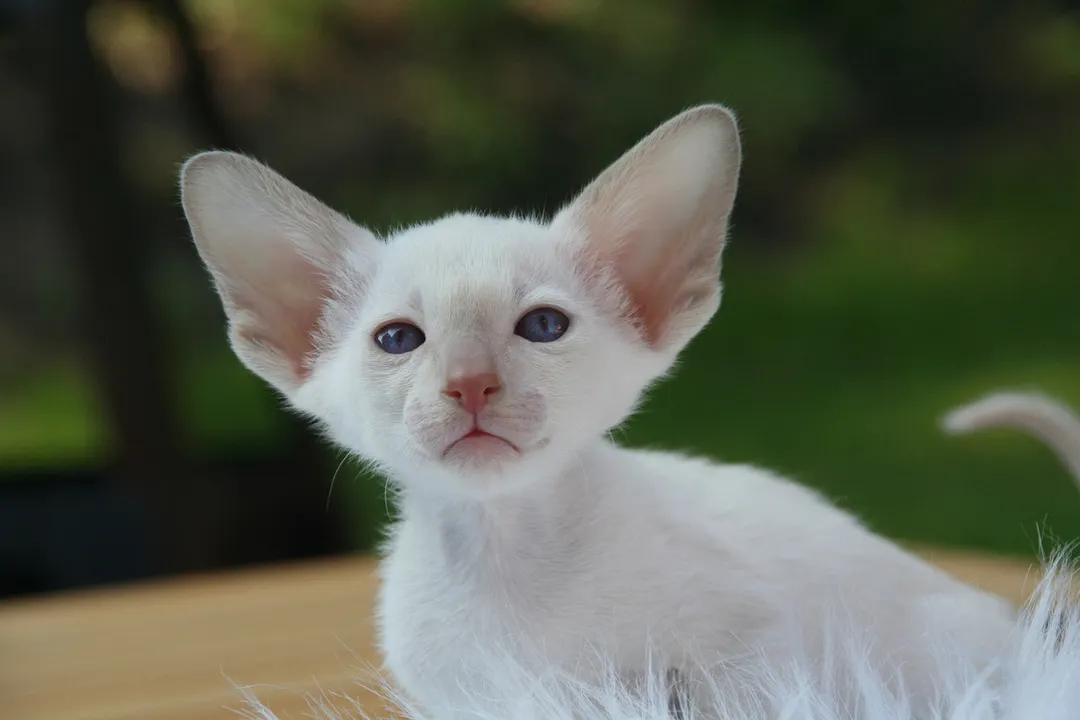
The primary concern for any purebred owner is understanding genetic risks. For the Devon Rex, responsible breeding practices involving rigorous health testing are the single most effective defense against perpetuating these issues.
# Heart Disease
One significant condition associated with the breed is Hypertrophic Cardiomyopathy (HCM). HCM is a hereditary disease where the heart muscle thickens, reducing the chamber space and impeding the heart's ability to pump blood effectively. While it can be managed with medication to control blood pressure and fluid buildup, the disease itself is not curable. Owners may notice a heart murmur, lethargy, or increased breathing rate, but sometimes the disease is silent until severe trouble arises. It is noteworthy that while other breeds are also at risk, there is currently no specific genetic screening test available for HCM in the Devon Rex population. This places a greater emphasis on regular physical exams by a veterinarian who can listen for murmurs, making routine twice-yearly check-ups especially critical for early detection.
# Muscle Disorders
Another serious inherited issue is Hereditary Myopathy (MR), which affects muscle function through a breakdown in nerve signal transmission to the muscles. This condition, linked to the COLQ variant gene, often manifests in kittens between three weeks and six months of age, sometimes presenting as muscle weakness, head bobbing, or a high-stepping gait. The symptoms usually stabilize around nine months, though stress or illness can cause periodic worsening. Severe cases can be fatal, often due to the inability to swallow safely, leading to choking or secondary pneumonia. Fortunately, a genetic test for this condition exists, making it highly advisable to ensure breeders test their stock to prevent its transmission. Given that the screening for myopathy is available while the screening for HCM is not yet routine, it is wise to prioritize breeders who provide documented evidence of regular cardiac screening for HCM in their parent lines, even if it means looking beyond basic genetic markers for other issues.
# Clotting Risks
Devon Rexes also face a risk for Coagulopathy, specifically a Vitamin K-dependent type. This hereditary disorder interferes with the enzyme needed to metabolize Vitamin K, resulting in poor blood clotting. Symptoms might include unusual bruising, weakness, or bleeding after minor trauma. While incurable, this condition is highly responsive to management via oral Vitamin K supplements, making open communication with a breeder about any history of this problem invaluable.
# Kidney Disease
Polycystic Kidney Disease (PKD), where cysts form in the kidneys leading eventually to chronic failure, is another condition noted in the breed profile. While strongly associated with breeds like the Persian, the Devon Rex is still listed as potentially at risk, and genetic testing for breeding stock is recommended.
# Skeletal Structure Concerns
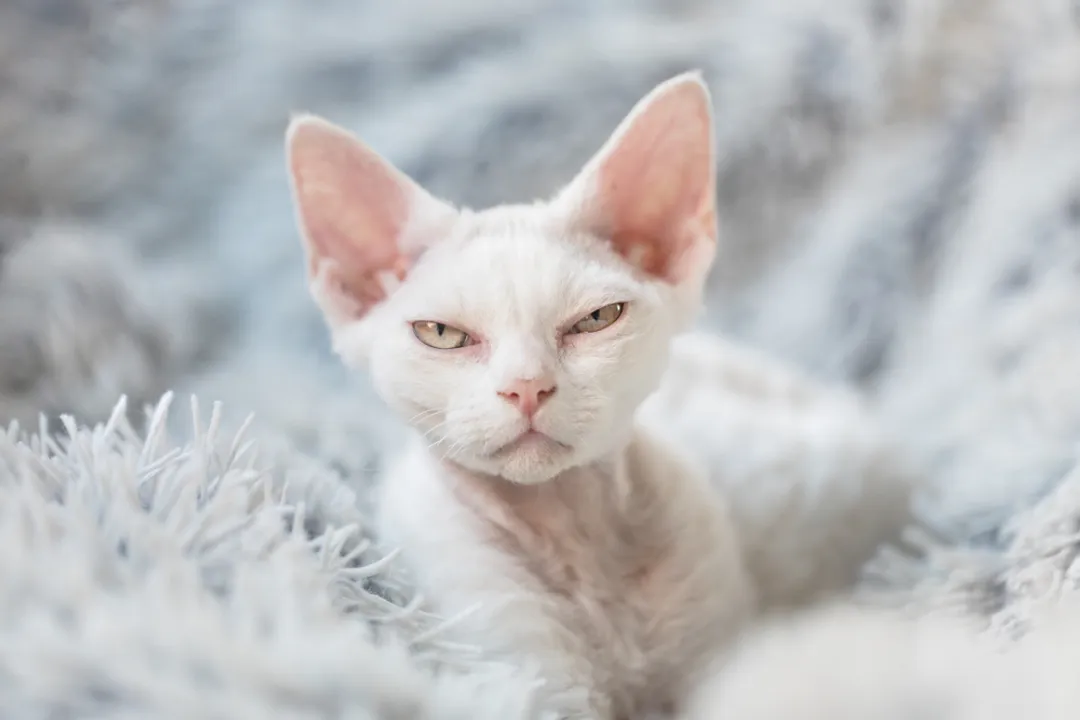
The Pixie Cat's unique physique is also connected to a couple of orthopedic risks that owners should monitor as the cat matures.
# Kneecap Slippage
Patellar Luxation refers to the kneecap (patella) slipping out of its proper groove. This condition can range from very mild, causing only occasional discomfort, to severe, requiring surgical stabilization. Even mild cases increase the likelihood of developing arthritis later on, making early management important.
# Hip Malformation
Though perhaps more commonly associated with dogs, Hip Dysplasia is also found in the Devon Rex lineage. This inheritable malformation of the hip joint leads to premature arthritis and mobility issues. Early detection via pelvic X-rays, often recommended at the time of spay or neuter surgery, allows for the best chance at pain management, sometimes involving surgery or physiotherapy.

# Coat and Skin Vulnerabilities
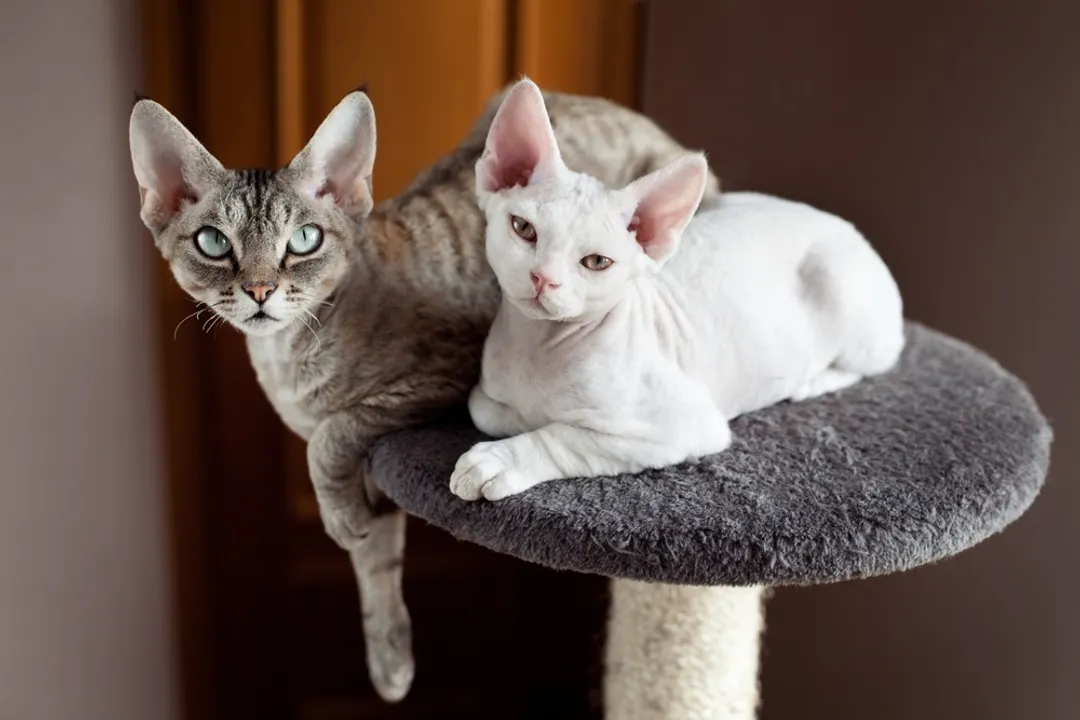
The defining characteristic of the Devon Rex—its short, single-layer, wavy coat—brings care considerations that directly impact skin health. Unlike most cats that possess guard, awn, and down hair, the Devon Rex primarily has only the soft down coat.
# Oil Build-up
Because the structure lacks the outer guard hairs to help distribute natural skin oils across the entire coat surface, the oils tend to accumulate. This results in greasy skin or seborrhea, which can manifest as flakiness, redness, or even lead to secondary dermatitis and skin infections. Regular, gentle maintenance is necessary to manage this, as the fine coat is easily damaged by harsh brushing. A unique tactic some experienced owners find helpful is using a soft cloth or chamois leather for a quick wipe-down between the occasional gentle bath, as this helps mimic the distribution that the missing guard hairs would normally provide.
# Environmental Sensitivity
The sparse coat also offers significantly less natural insulation. This makes the Devon Rex highly sensitive to cold temperatures, meaning they are typically best suited as strictly indoor cats. This insulation deficit isn't just about keeping warm; their lack of dense fur means they are far more susceptible to sunburn if they ever gain access to the outdoors, leading to severe burns. This sensitivity also means owners must actively manage the cat's immediate environment, perhaps by providing a heated bed or ensuring their favorite perch is in a warm draft-free spot, as they cannot regulate their own temperature as effectively as a heavily coated cat.
# Dermatitis
A specific skin disorder sometimes seen is Urticaria Pigmentosa (Papular Eosinophilic/Mastocytic Dermatitis). This manifests as a rash, often symmetrical on the abdomen and chest, involving redness and crusty spots. Though uncomfortable, it is generally manageable with dietary adjustments, such as adding fatty acids, or veterinarian-prescribed therapy.
# Routine Care and Other Considerations
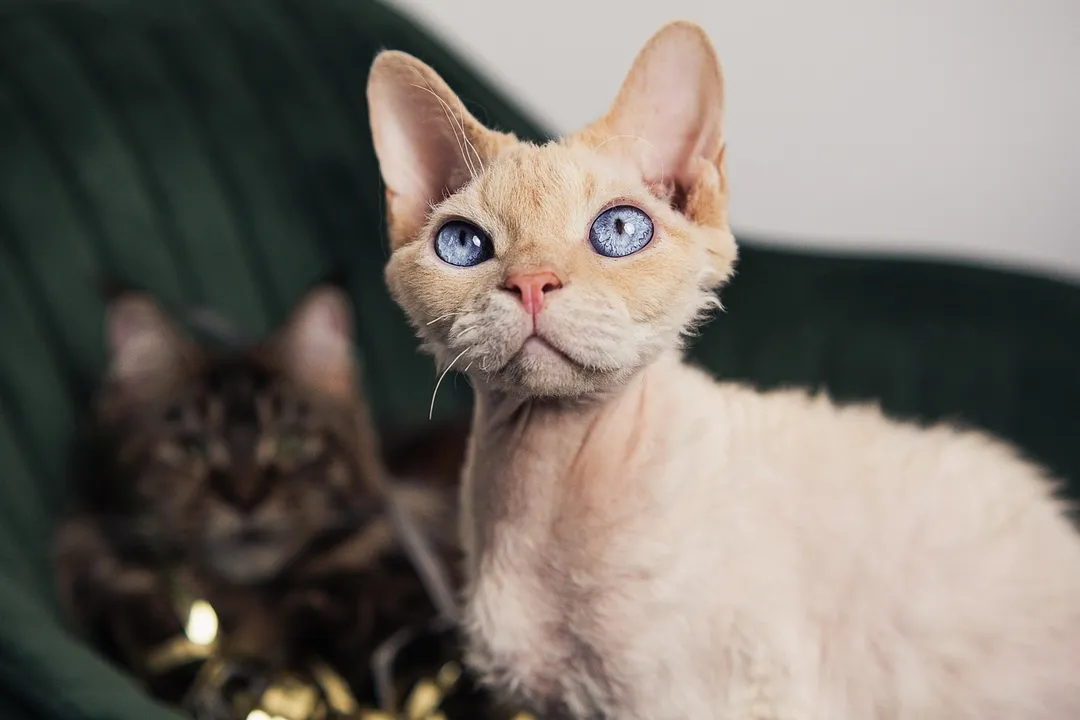
Beyond breed-specific genetic markers, general cat care takes on slightly different priorities for the Devon Rex.
# Dental Health
While the breed may be less prone to specific resorptive tooth lesions compared to some others, dental disease remains a risk for all cats. Routine brushing, ideally a couple of times a week, is recommended to prevent tartar buildup and subsequent issues that can eventually affect the heart or kidneys.
# Breeding Risks
For those interested in showing or breeding, it is worth noting that professional breeders advise that proper Devon Rex breeding can carry a higher inherent risk, including potential Dystocia (difficulty giving birth), sometimes necessitating Cesarean sections. Furthermore, Neonatal Isoerythrolysis (NI), a condition where a nursing mother's antibodies attack the kitten’s red blood cells, is more frequently seen in breeds that carry Type B blood, which includes the Devon Rex.
Because of these specific predispositions—ranging from heart conditions to orthopedic vulnerabilities—securing a health guarantee from a reputable breeder is strongly advised. Furthermore, because unexpected veterinary costs can arise, proactive owners often find that obtaining pet health insurance when the kitten is young can provide essential financial security for specialized testing or management down the line.
Related Questions
#Citations
Please be honest - health issues : r/welovedevonrex - Reddit
Devon Rex Cat Health Problems: 8 Vet-Reviewed Inherited Issues
Devon Rex - Feline - Breed Info – Branford Veterinary Hospital
Devon Rex Cat Breed: Characteristics and Personality - WebMD
Common Health Issues That Affect Devon Rex Cat
Devon Rex - PDSA
Are Devon Rex cats healthy pets? - Vet Help Direct
The Devon Rex - Pet Health Network