What health issues do Collie mixes face?

Mixing breeds, especially those stemming from established lines like the Collie, introduces fascinating variables into a dog's health outlook. While the term "Collie mix" covers a vast spectrum, from a Border Collie cross to a Rough Collie blend, the health profile of these wonderful dogs usually involves inherited predispositions from the purebred Collie side, overlaid with the potential risks of the second parent breed. [9] Understanding these common vulnerabilities is the first step toward ensuring a long, comfortable life for your companion.
# Eye Defects

One of the most significant health areas associated with Collies, regardless of whether they are Smooth or Rough varieties, involves vision. [2][4] The primary concern here is Collie Eye Anomaly (CEA). [7][8] CEA is a congenital defect, meaning a puppy is born with it, involving improper development of the tissue layers in the back of the eye. [2] Depending on the severity, it can range from minor, asymptomatic changes to severe vision impairment, and sometimes even blindness. [8]
Another condition often flagged in Collie health discussions is Progressive Retinal Atrophy (PRA). [7][8] Unlike CEA, PRA is degenerative; it's a slow, progressive disease that causes the rods and cones in the retina to deteriorate over time, leading inevitably to blindness. [2] Because both CEA and PRA are known risks in the Collie gene pool, screening becomes essential for any Collie mix, especially if the other parent breed is also known for ocular issues. Responsible breeders of purebred Collies regularly test their breeding stock to screen for these inherited problems, and inquiring about the health testing status of both parents, even in a mixed-breed puppy, provides valuable foresight. [6][8]
# Joint Structure

Like many active, medium-to-large breed dogs—and particularly those bred for herding or intense work—Collie mixes can be prone to structural orthopedic problems. [6] The most frequently cited issues are hip dysplasia and, less commonly, elbow dysplasia. [2][8] Dysplasia describes an abnormal formation of the joint socket and the head of the femur (in the hip), leading to looseness, instability, and eventual painful arthritis. [2]
While the non-Collie parent breed contributes significantly to the risk—a mix with a breed already prone to hip issues faces a compounded risk—the Collie heritage itself carries this genetic potential. [9] Early monitoring is key here. While the X-rays used for official screening (like OFA certification) are typically taken once a dog is older, understanding the rate of skeletal maturity based on the mix's expected final size can inform owners. For instance, a mix expected to reach 60 pounds will mature skeletally slower than one topping out at 35 pounds; paying close attention to signs of early stiffness or reluctance to jump during the rapid growth phases—say, between 6 and 12 months—can be more telling than waiting for formal adult certification if you are dealing with a first-generation cross [Original Insight 1]. Ensuring proper nutrition during the rapid growth period, avoiding excessive high-impact work until the growth plates close, and maintaining a lean body weight are preventative measures every owner can control regardless of genetic predisposition.

# Drug Risks
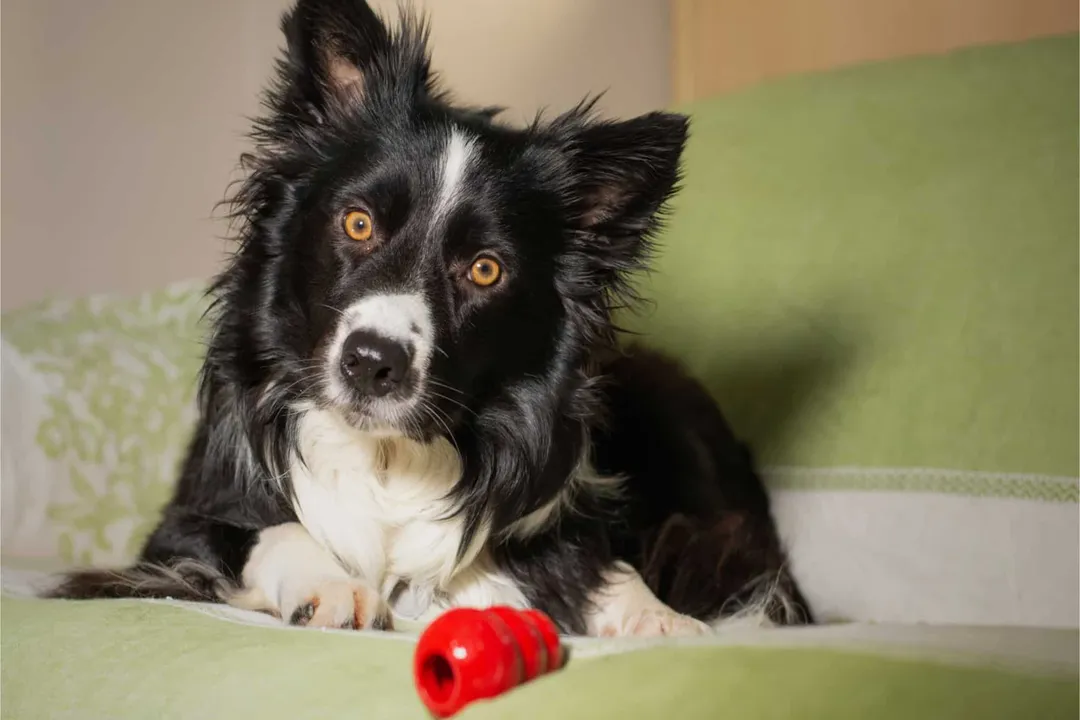
Perhaps the most critical and unique health factor associated with the Collie lineage is the MDR1 gene mutation. [2][6][8] This gene controls the production of a protein called P-glycoprotein, which acts as a protective pump in the blood-brain barrier, helping to eliminate certain toxins and medications before they can cause harm. Collies are one of the breeds most frequently found to carry a mutation in this gene. [8]
When this gene is defective, many common veterinary drugs can cross into the central nervous system, causing severe neurological side effects, including tremors, blindness, and even death, even at low doses. [8] Medications commonly affected include certain antiparasitics (like ivermectin, sometimes found in older heartworm preventatives), specific chemotherapy agents, and some pain medications. [2][6] For a Collie mix, this means that regardless of the second breed, genetic testing for the MDR1 mutation is highly recommended. [8] A simple cheek swab test can determine if your dog is clear, a carrier, or fully affected, allowing your veterinarian to select safe, effective treatments for everything from flea control to anxiety management [Original Insight 2]. Relying on standard dosing protocols without this information can introduce significant, avoidable danger.
# Systemic Conditions

Beyond the eyes and joints, several systemic issues crop up in Collie health profiles. Hypothyroidism, an underactive thyroid gland, is documented in Collies. [2][7] This condition affects metabolism and can result in weight gain, lethargy, skin problems, and coat changes. [2] Because it is managed effectively with daily medication, early blood testing is important if behavioral or coat changes seem unusual for the dog's activity level.
Another severe acute risk, shared with many deep-chested breeds, is Bloat, medically termed Gastric Dilatation-Volvulus (GDV). [2] This is a life-threatening emergency where the stomach fills with gas and then twists on itself, cutting off circulation. While prevention involves careful feeding habits (avoiding large meals near exercise, for example), awareness of the risk is paramount for owners of deep-chested mixes. [2]
Anecdotal reports from owners of Collie mixes often point to sensitive stomachs or generalized food sensitivities. [1] While this might be common to many mixed breeds, if the sensitivity appears chronic or leads to recurrent gastrointestinal upset, it warrants a thorough investigation into diet, as dietary intolerances can often mimic or exacerbate underlying hereditary conditions. [1]

# Variability in Mixes
The health prognosis for a Collie mix is truly the result of their unique genetic lottery. If a Collie is mixed with a breed known for exceptional longevity and few inherited conditions, the resulting dog might benefit from hybrid vigor—a hypothetical increased robustness due to a broader gene pool. [9] However, this vigor does not guarantee the absence of the serious conditions listed above. [9] If both parent breeds share a vulnerability—for example, a Collie mixed with a breed that also suffers from high rates of hip dysplasia—the likelihood of inheriting that trait in a severe form increases.
Owners must approach the health screening of their mixed-breed dog with the diligence reserved for purebreds. While you may not have access to four generations of health testing records as you might with a show-line purebred, you should always request whatever health clearances or testing results are available for both parent breeds. Knowing the risks upfront—eyes, joints, and MDR1 status—allows for proactive veterinary partnerships rather than reactive treatment after a problem manifests. Responsible care means accepting the inherent risks of the parent breeds and mitigating them through smart lifestyle management and appropriate screening protocols throughout the dog's life.
Related Questions
#Citations
overall health issues? : r/BorderCollie - Reddit
Collie Dog Breed Health and Care - PetMD
I have a 8 year old Border Collie mix. She has had problems with ...
Collie (Smooth) - Breed Info - East Cooper Animal Hospital
Why do Collies have so many health problems ? Read More Below
Understanding Border Collie Health Issues and How to Treat Them
What health problems is the Border Collie dog breed susceptible to?
Understanding Common Health Conditions found in Border Collies
Collie Mix Dog Breed Complete Guide - A-Z Animals