Westiepoo Facts
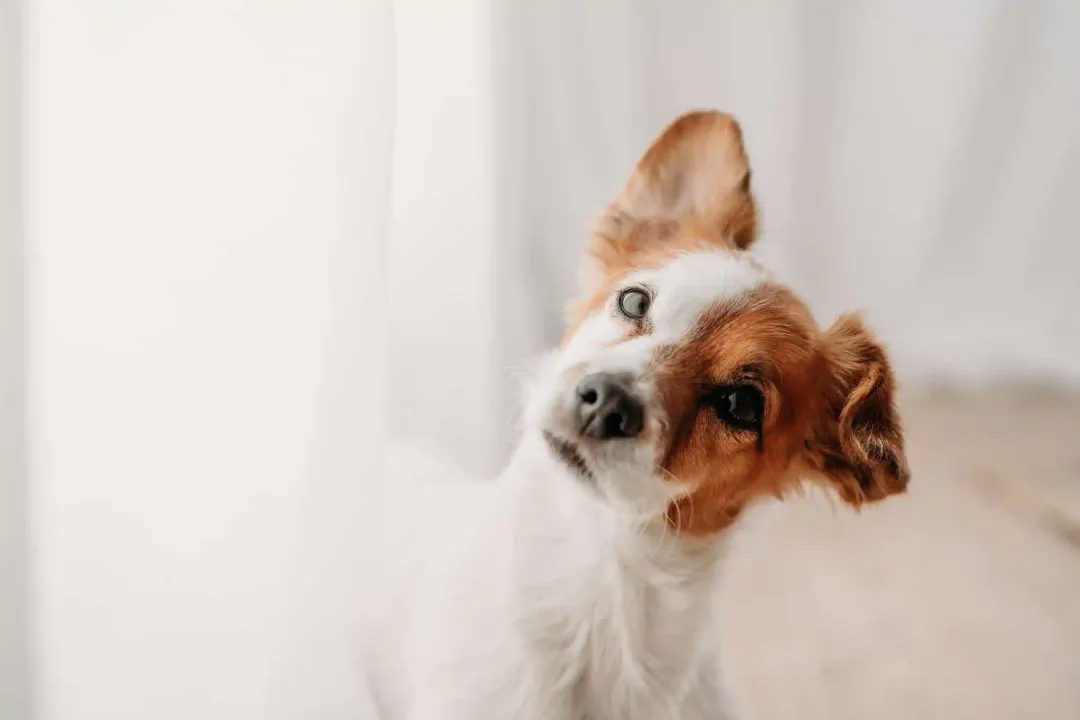
Westiepoos are categorized as designer dogs, meaning they are intentionally bred crosses between two purebred parents rather than naturally occurring mixes. [5][7] This specific combination pairs the West Highland White Terrier with a Poodle. [1][2][3] Because both parent breeds are popular for their spirited personalities and often low-shedding coats (especially the Poodle), the resulting Westiepoo is often sought after by those looking for an active, intelligent, small companion. [6] However, as with any hybrid, the outcome regarding appearance, size, and temperament can vary significantly depending on which parent’s genes are more dominant in the individual dog. [4][5]
# Parentage Mix

The Westiepoo inherits traits from both parent lines, which is essential to understanding its potential characteristics. [3] The Westie brings its sturdy, confident, and sometimes stubborn terrier nature, known for being bold and spirited. [1][4] Terriers were historically bred to hunt vermin, instilling a sense of independence and tenacity that owners must manage. [5] Conversely, the Poodle contributes high intelligence, eagerness to please, and elegance. [2] Poodles come in three recognized sizes—Standard, Miniature, and Toy—which influences the final size range of the Westiepoo. [6]
When crossing a Westie with a Poodle, breeders may use a Toy, Miniature, or occasionally a Standard Poodle, though most commonly the smaller varieties are used to keep the hybrid size manageable. [1][5] The resulting dog carries the potential for a wide spectrum of traits from both sides of the family tree. [4] Breeders often aim for the F1 generation, a direct first cross, though subsequent generations (F1b, F2, etc.) exist, which can sometimes stabilize coat type or temperament depending on the breeding plan. [7]
# Physical Traits

The appearance of a Westiepoo is a study in variation, often presenting a charming mix of features from the parent breeds. [1][6]
# Size Weight
Due to the size variation in the Poodle parent, the resulting Westiepoo size is not rigidly defined. [6] Generally, they are small dogs. [3] A Westie typically weighs around 13 to 20 pounds and stands about 7 to 10 inches tall at the shoulder. [1][4] If the Poodle parent is a Miniature or Toy, the Westiepoo is likely to fall in a similar range. [5] While specific weights and heights can vary, most sources place the typical Westiepoo weight between 10 and 20 pounds, with a height generally ranging from 10 to 15 inches. [1][2][5] It is important for prospective owners to understand that genetics can result in a dog at the lower or upper end of this spectrum. [4]
# Coat Structure
Coat is one of the most variable and highly scrutinized features of the Westiepoo. [1][6] Since Poodles are famous for their curly, low-shedding coats and Westies have a harsh, double coat that does shed, the Westiepoo coat can manifest in several ways. [5]
There are generally three coat possibilities:
- Curly: Closely resembling the Poodle coat, often low-shedding but requiring significant maintenance. [2]
- Wavy/Shaggy: A mix of the two textures, often manageable but still prone to tangles. [1]
- Straight: More similar to the Westie coat, which might shed more than owners anticipate from a Poodle mix. [5]
The color is usually dictated by the Westie parent, leading to a predominantly white coat, though Poodle genes can introduce other colors like cream, apricot, or black. [2][3] The white coloration is the most common presentation. [1]
For prospective owners, budgeting for grooming is key, as a curlier coat requires more frequent professional attention. A helpful way to approach coat management is to consider the likely grooming cost based on the first few times the coat is professionally trimmed; if it is very curly, budgeting for professional grooming every 4-6 weeks might be necessary, whereas a wavier coat might tolerate an extended schedule, perhaps every 8-10 weeks, provided diligent home brushing is maintained. [1][5]
# Temperament Profile
The Westiepoo is generally described as a cheerful, affectionate, and energetic companion dog. [3][6] Their temperament is a blend of the Poodle’s intelligence and the Westie’s spirited nature. [2][5]
# Energy Activity
These dogs possess a moderate to high energy level. [1] They are not meant to be solely lap dogs, though they certainly enjoy snuggling with their families. [2] They require regular daily exercise to stay happy and well-behaved. [6] This typically involves a good daily walk or brisk play session in a secured area. [1] A Westiepoo that doesn't receive adequate physical and mental stimulation can become bored, which often manifests in unwanted behaviors like excessive barking or chewing. [5]
# Trainability Intelligence
Intelligence is a strong trait in the Westiepoo, largely inherited from the Poodle, which is consistently ranked as one of the smartest breeds. [2][5] This high intelligence means they can pick up commands quickly. [2] However, the terrier lineage can introduce a streak of stubbornness or independence. [4] Training requires consistency, patience, and positive reinforcement methods. [5] Harsh corrections are generally ineffective and can lead the dog to shut down or become resistant. [2] Positive motivation, such as high-value treats and praise, works best for this mix. [1]
# Health Care
As a hybrid breed, the Westiepoo often benefits from hybrid vigor, meaning they may have fewer inherited health issues than their purebred parents, though they remain susceptible to conditions common in both. [5] Their expected lifespan is generally between 12 and 15 years. [1][2][5]
# Common Concerns
Prospective owners should be aware of potential health issues originating from the parent breeds:
- Dental Issues: Both Westies and Poodles can be prone to poor dental health, making regular brushing and professional cleanings important throughout the dog's life. [5]
- Patellar Luxation: This is a common condition, particularly in smaller breeds, where the kneecap slips out of place. [1][2]
- Allergies: Skin allergies are frequent in West Highland White Terriers, which can sometimes pass to the mix. [4]
- Legg-Calve-Perthes Disease: This condition affects the hip joint and can occur in smaller breeds. [5]
- Eye Issues: Cataracts or progressive retinal atrophy (PRA) can sometimes affect Poodle lines. [1]
Responsible breeders should provide health clearances for the parent dogs, especially concerning hips and eyes. [5]
# Daily Living Needs
Successfully integrating a Westiepoo into a home environment depends heavily on understanding their exercise, training, and socialization requirements. [6]
# Exercise Demands
While not requiring the marathon runs of a working breed, Westiepoos are lively and benefit greatly from activity that engages both body and mind. [3] Short, brisk walks and dedicated playtime are usually sufficient to meet their daily physical needs. [1] Puzzle toys or short training sessions incorporated into playtime can satisfy their mental need for engagement. [2] If owners are very active, a Westiepoo can often keep up, but they are adaptable enough for apartment living provided their exercise quota is met daily. [6]
# Socialization Training
Early and consistent socialization is vital for a Westiepoo. The terrier side can sometimes lead to reserved behavior or territoriality if not properly managed when young. [4] Introducing the puppy to a wide variety of sights, sounds, people, and other well-behaved dogs between 3 and 16 weeks of age helps shape a confident adult. [5]
A practical approach to ensuring a balanced temperament, especially when dealing with the terrier's tendency towards vocalization or stubbornness, involves early and intense positive exposure to strange stimuli. For instance, exposing the young puppy not just to other dogs but specifically to unusual household noises—like a vacuum cleaner running in the next room or the sound of a dropped pan—while simultaneously rewarding them with high-value food can help build resilience against reactivity later on. [4][5] Obedience training should start immediately upon bringing the puppy home, focusing on basic commands like sit, stay, and come using positive methods. [1]
# Suitability Considerations
Deciding if a Westiepoo is the right fit involves honestly assessing lifestyle factors against the dog's known needs. [2][6]
# Family Companionship
Westiepoos generally thrive on companionship and do not do well when left alone for extended periods. [1] They bond closely with their families and can be prone to separation anxiety if isolated too frequently. [2] They are typically good with older children who understand how to interact gently with a small dog. [6] Due to their small size and sometimes fragile build, they might be less suited for homes with very young toddlers who may handle them roughly without realizing it. [4]
# Grooming Commitment
The coat care commitment is non-negotiable, regardless of the texture inherited. [2] If the coat is curly, it will mat severely without daily brushing, similar to a purebred Poodle. [5] Even if the coat leans toward the wavy or straighter texture of the Westie, regular maintenance is necessary to prevent painful mats, particularly in the ears and behind the legs. [1] Owners must commit to either learning professional grooming techniques or budgeting for regular appointments, as the desire for a low-shedding companion often conflicts with the reality of the required upkeep. [6]
For comparison across the primary coat types a Westiepoo might inherit, prospective owners can view the likely maintenance levels:
| Coat Type | Primary Parent Influence | Shedding Potential | Grooming Frequency (Professional) |
|---|---|---|---|
| Curly | Poodle | Very Low | Every 4–6 weeks [2][5] |
| Wavy/Shaggy | Mixed | Low to Moderate | Every 6–10 weeks [1] |
| Straight | Westie | Moderate | Bathing/Brushing as needed [5] |
If a potential owner seeks minimal shedding but cannot commit to a monthly professional groom, they should specifically look for a breeder who has focused on lines that produce a consistently wavy or wiry-soft coat rather than the tight Poodle curl, recognizing that this might increase the shedding slightly compared to a full Poodle. [7]
# Owner Expectations
It is crucial for new owners to remember they are getting a mix, not a standardized breed. [4] While they might get a dog with the Poodle's calm demeanor, they might also get the spirited, alert nature of the Westie. [3] They often make excellent watchdogs, as the Westie heritage encourages alertness and they may be quick to bark if they notice something unusual. [1]
Their portability and manageable size make them appealing travel companions, but owners must prioritize their need for mental engagement as much as their need for a walk around the block. [6] A dog that is mentally stimulated is less likely to develop nuisance behaviors stemming from boredom or anxiety. [2] For example, a Westiepoo thriving in an apartment will need dedicated time for training drills or interactive play sessions inside, perhaps involving simple scent work games using kibble hidden around a room, to satisfy that intelligent drive. [5]
#Videos
Westiepoo : The Poodle West Highland White Terrier Mix - YouTube
Related Questions
#Citations
Westiepoo Dog Breed Information & Characteristics - DogTime
Westiepoo Dog Breed Information and Pictures - PetGuide
Westiepoo Dog Breed Complete Guide - A-Z Animals
Do I want a Westie or Westie Poo Puppy?
Westiepoo Dog Breed Information and Pictures
Westiepoo (West Highland White Terrier & Poodle Mix) - Dogster
Westiepoo | - PooaDoodle
Westiepoo Puppy (Advice Needed) : r/WestHighlandTerriers - Reddit
Westiepoo : The Poodle West Highland White Terrier Mix - YouTube