How big do bairds rat snakes get?
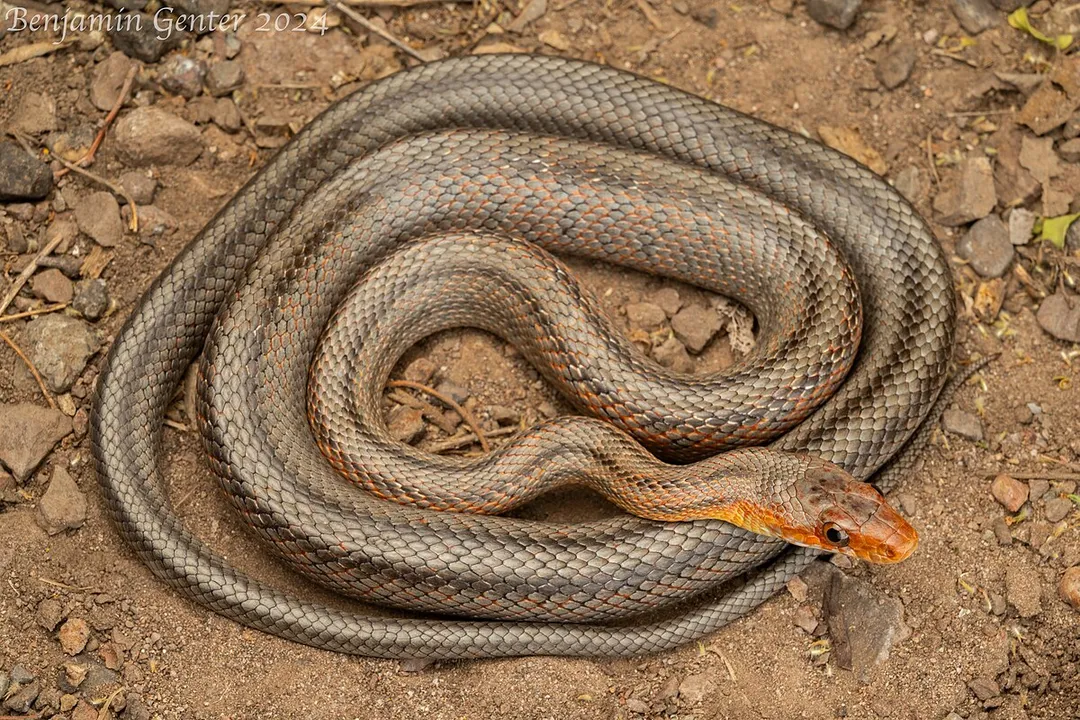
The Baird's Rat Snake, Pantherophis bairdi, is a visually appealing constrictor known for its intricate patterning and moderate build, making its size a frequent point of curiosity for both dedicated herpetologists and prospective keepers. Determining the exact dimensions of these snakes involves looking at typical adult ranges as well as the outliers documented in the wild and in captivity, as their growth can be influenced by genetics and environment.
# Typical Lengths
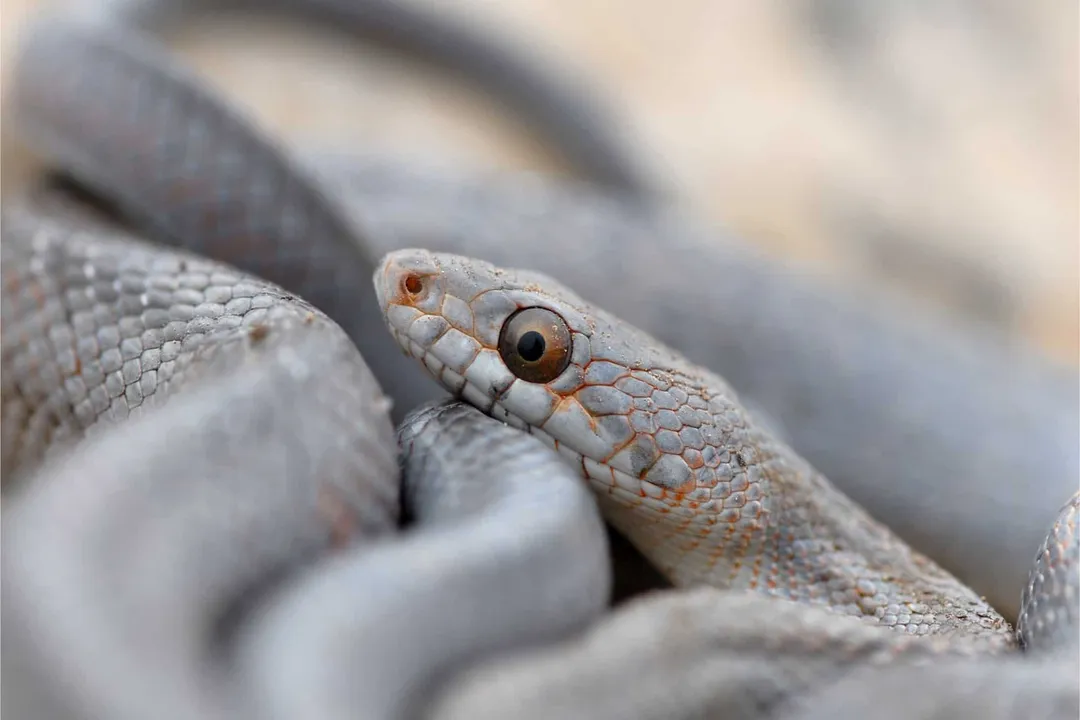
For most people encountering a Baird's Rat Snake, the length they will observe falls within a predictable range. Generally, adult specimens are reported to average between 3 to 5 feet in total length. [2][3][7][8] This places them as a medium-to-large species within the broader group of North American rat snakes, though certainly not reaching the extreme lengths sometimes seen in their larger cousins. [1] A common, healthy adult male or female is likely to settle in the four-foot category. [7]
When keeping these snakes, understanding this typical size is important for enclosure planning. While a four-foot snake requires substantial space, it remains significantly more manageable in terms of footprint than the larger rat snake species that can push seven or eight feet. [7]
# Upper Limits
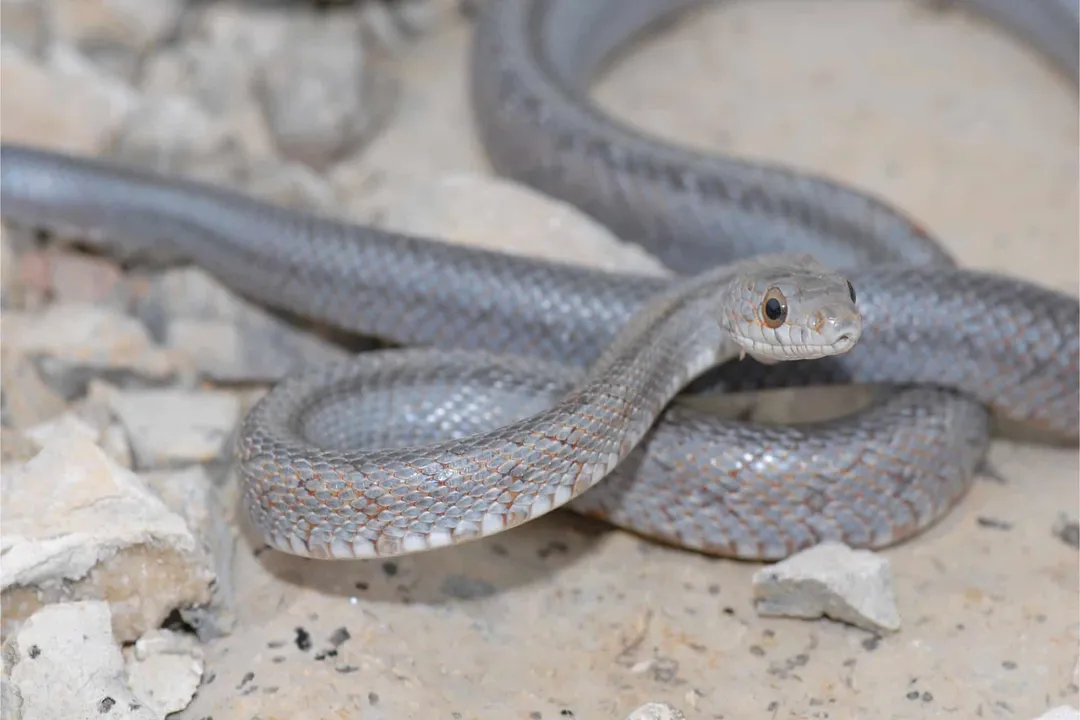
While the average hovers around the four-foot mark, the potential for growth extends considerably beyond that. Documented reports and anecdotal evidence suggest that Baird's Rat Snakes can reach lengths of 6 feet or more. [2][3] Some sources indicate that lengths of up to 6.5 feet have been recorded for individuals in captivity. [1][3] This maximum size is usually achieved by females, though definitive, consistent data showing pronounced sexual dimorphism in size is not always clearly stated across all keepers' experiences. [1]
It is worth noting that achieving these upper limits requires optimal conditions over many years. A snake reaching 6 feet is an exceptional specimen, often one that has benefited from consistent, high-quality nutrition and a stable environment throughout its entire lifespan. [7]
# Weight and Build
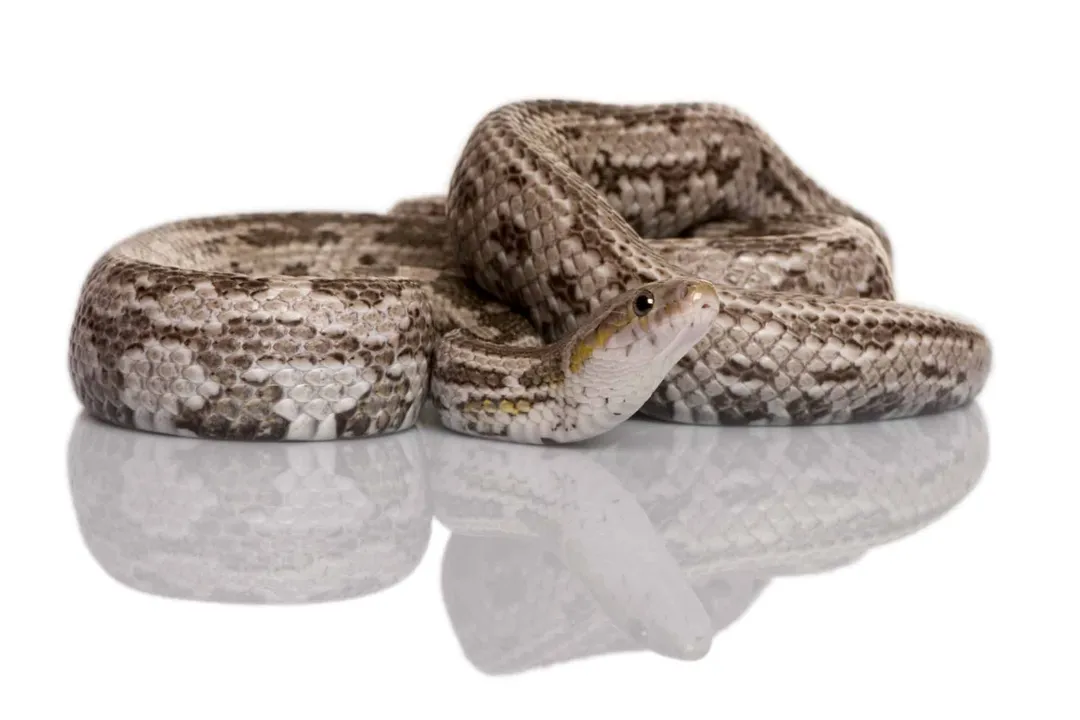
Size isn't just about length; the girth and overall mass contribute significantly to how "big" a snake appears. While specific standardized weight data for wild populations is difficult to acquire, captive snakes that reach the upper length benchmarks often present a moderately heavy build for their genus. [7] A well-fed, mature individual measuring 5 feet long might weigh several pounds, exhibiting the typical, relatively slender but muscular body shape characteristic of Pantherophis species. [3] They are not considered overly heavy-bodied like some viperids or certain constrictors, but they carry their length with a respectable substance.
Thinking about the relationship between length and weight can be a useful measure for owners monitoring health. If you have a snake that is nearing the 5-foot mark but appears noticeably thin or unable to hold weight, it suggests either a dietary deficiency or an underlying health issue, as a healthy snake should fill out appropriately with its length. [7]
# Juvenile Growth Rates
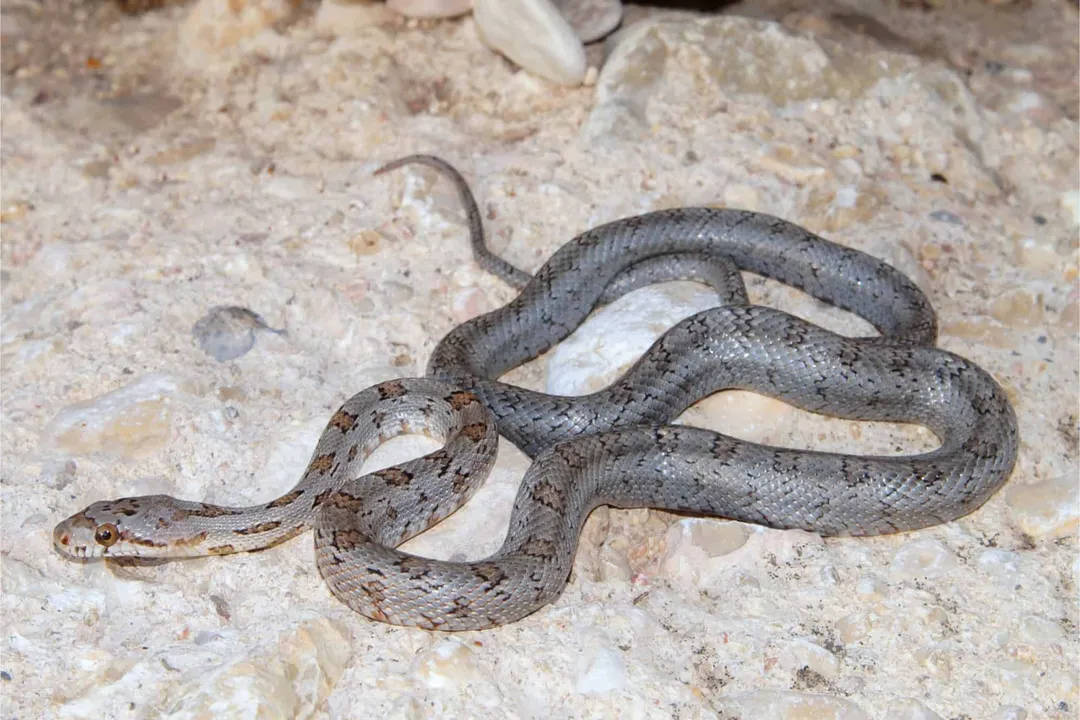
The size journey begins very small. Hatchling Baird's Rat Snakes typically measure between 9 to 14 inches upon emerging from the egg. [1][7] This means a hatchling needs to achieve nearly half its potential adult length within its first year or two to reach that 4-foot average rapidly. [7]
The growth rate in the first few years is usually rapid, provided food is readily available and appropriate temperature gradients are maintained. While growth slows as they approach sexual maturity and full adult size, the early stages dictate much of their potential maximum size. A snake that experiences stunted growth early on due to stress or poor feeding habits is unlikely ever to reach the 6-foot potential, even if genetically predisposed to it. [1]
# Factors Influencing Size
Several elements dictate where an individual snake falls on the size spectrum, from the lower end of the 3-foot average to the upper echelon of 6-foot giants.
# Genetics and Origin
As with many reptiles, underlying genetics play a foundational role. [7] Snakes originating from different localized populations within their historical range might exhibit slightly different size potentials, even when raised under identical care. Furthermore, the specific lineage if bred in captivity—whether its parents were large or average specimens—will predispose the offspring toward a certain maximum size bracket. [1]
# Environmental Care
For captive specimens, the quality of care is a major variable impacting how close they get to their genetic potential. Optimal husbandry includes:
- Temperature: Providing correct thermal gradients ensures proper digestion and metabolism, which are prerequisites for growth. [7]
- Diet: Consistent feeding with appropriately sized prey items that allow for weight gain without causing obesity is key. [7]
In contrast, a snake kept too cool or one that consistently misses meals will inevitably be smaller than its captive sibling raised under ideal conditions. It's a common observation among veteran breeders that a captive animal, given perfect care over fifteen years, will often surpass the average size of wild-caught counterparts simply because its food intake is regulated and predator stress is nonexistent. [7]
# Sexual Differences
While not as drastically different as in some other snake species, there can be subtle differences between the sexes. In many Pantherophis species, females tend to be slightly longer or heavier-bodied than males, often to accommodate egg production, though this variation isn't always extreme for the Baird's Rat Snake specifically. [1] It's best to assume that without knowing the parentage, an individual snake could be on either end of the size spectrum for its sex.
# Contextualizing Size Relative to Relatives
To truly grasp how big a 5- to 6-foot Baird's Rat Snake is, it helps to place it within the context of its close relatives in the Pantherophis genus. For instance, the common Eastern Rat Snake (Pantherophis alleghaniensis) frequently exceeds 6 feet and commonly hits 7 feet, with records pushing 8 feet. [1] In this company, the Baird's is clearly a mid-sized member of the group, often considered more "manageable" in terms of overall bulk than its larger northern or western kin. [7] This relative size is likely why they are often favored by keepers looking for a beautiful, active snake that doesn't require the massive enclosures demanded by the largest rat snakes. [8]
Related Questions
#Citations
Pantherophis bairdi - Wikipedia
Baird's Rat Snake Animal Facts - Pantherophis bairdi
Baird's Rat Snake - Snake Snap
Bairds Rat Snake | Evolution Reptiles
Baird's are weirdly uncommon. They're as easy to care for as corns ...
On the Border: Baird's Rat Snakes - Carlton Carnivores
Baird's Ratsnake - ReptiChip LLC
Baird's Rat Snake, a Serpentine Beauty - Kingsnake.com
Pantherophis bairdi | NatureServe Explorer
Baird's Rat Snake - Reptiles Magazine