What are some interesting facts about the eastern lowland gorilla?
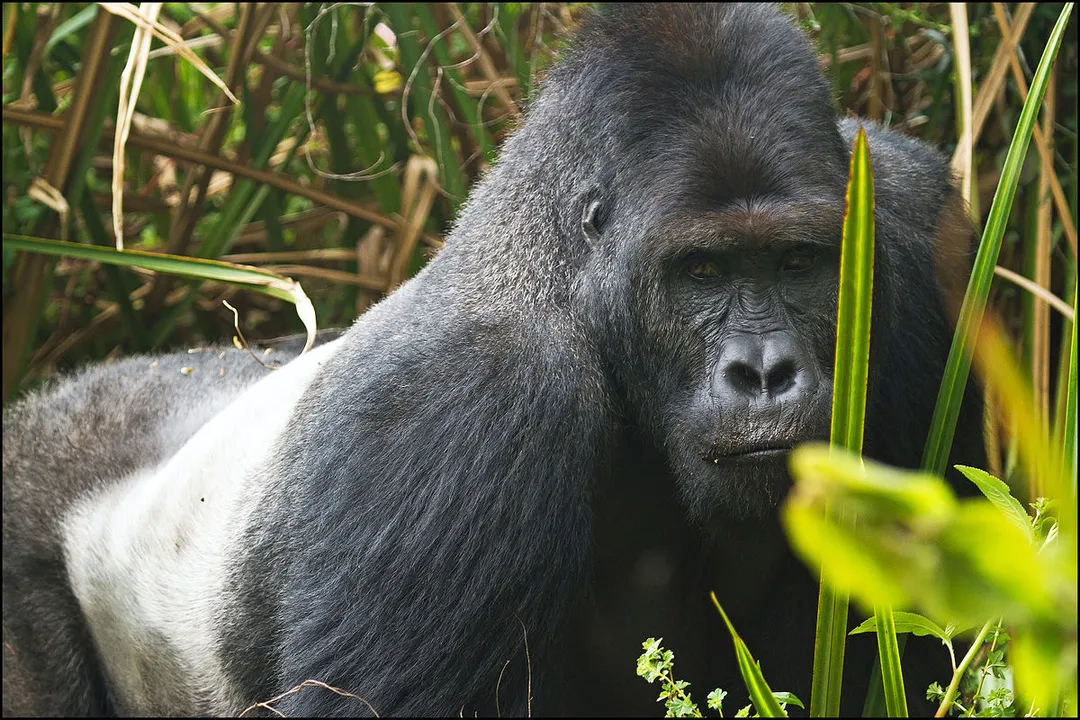
The Eastern Lowland Gorilla, often known by its other name, Grauer's Gorilla, represents a truly magnificent, yet critically imperiled, giant of Central Africa. These primates are frequently overshadowed by their mountain cousins, but they possess unique characteristics that distinguish them as a separate entity within the genus Gorilla. Understanding this subspecies means delving into a world of dense, remote tropical forests where these powerful herbivores navigate complex social lives under constant threat. [3][6]
# Nomenclature and Classification
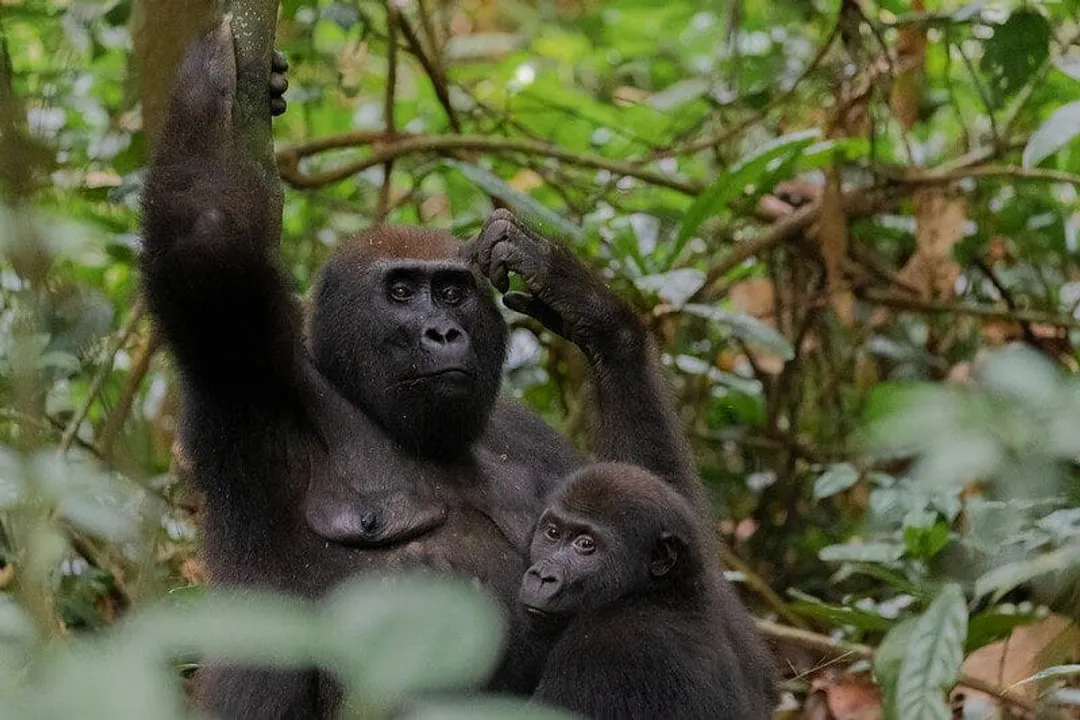
The creature we are discussing holds a few different monikers, which can sometimes cause confusion among enthusiasts and researchers alike. Scientifically, the Eastern Lowland Gorilla is known as Gorilla beringei graueri. [3] This nomenclature places it as one of the two subspecies of the Eastern Gorilla, the other being the Mountain Gorilla (Gorilla beringei beringei). [1][3] However, in common usage, it is widely recognized as Grauer's Gorilla, a tribute to the Swiss zoologist and explorer, E.A. Grauer, who first scientifically described the subspecies. [6][7] Some conservation groups and literature might also use the term "Eastern Lowland Gorilla" interchangeably with Grauer's Gorilla, though the term "lowland" can sometimes be a slight misnomer given their elevation range. [9] The distinction between the Eastern Lowland and the Mountain Gorilla is genetic, although they share a recent common ancestor. [3]
# Forest Kingdom
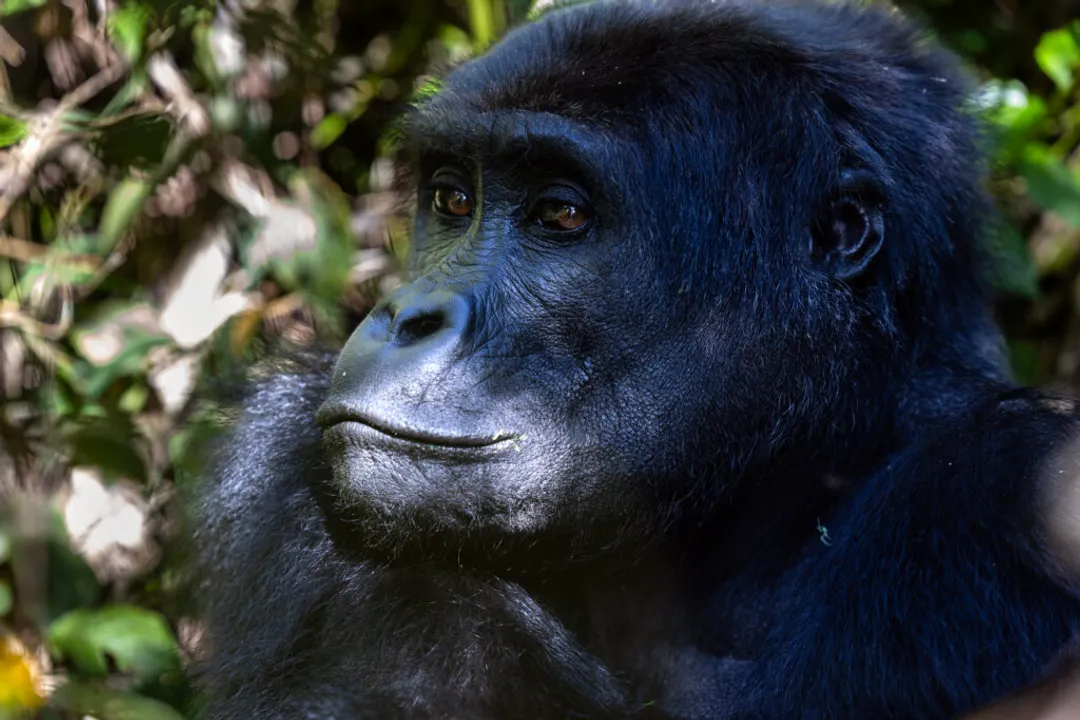
The natural home of the Eastern Lowland Gorilla is confined to the eastern Democratic Republic of Congo (DRC). [1][8][9] Their historical range once spanned a significant portion of eastern DRC, but political instability and habitat encroachment have severely restricted this area. [1] They primarily inhabit the lowland and montane tropical rainforests, but unlike Mountain Gorillas, they often venture into secondary forests and sometimes utilize clearings or swamp forests. [2][3]
Their elevation preferences are broad, generally ranging from about 1,000 meters up to around 3,000 meters (approximately 3,300 to 9,800 feet) above sea level. [1][3] This habitat diversity allows them access to a wide array of vegetation compared to the more restricted feeding grounds of their mountain relatives. [3] A key area for their survival is the Virunga National Park, which harbors a significant population, though they are also found in other protected areas within the DRC, such as Kahuzi-Biega National Park. [2][5] The dense, often remote nature of their preferred habitat has historically made them harder to study than the Mountain Gorillas, which occupy more accessible highland areas. [3]
It’s fascinating to consider the sheer fragmentation of their current territory. If we look at the historical extent of their range versus what is currently viable habitat, the contraction is dramatic. Imagine a species adapted to a vast, continuous swathe of tropical forest suddenly being confined to isolated pockets due to human activity; this fragmentation increases genetic isolation and vulnerability, even if the individual pockets are protected. [1]
# Physical Stature
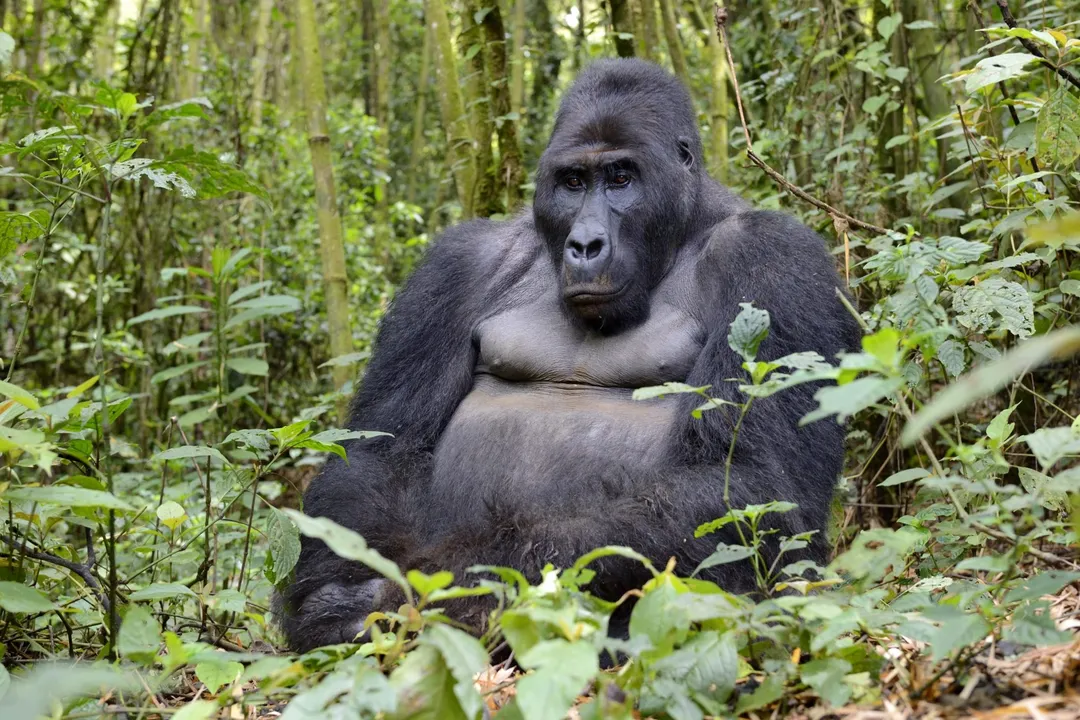
Grauer's Gorillas are the largest of all the gorilla subspecies and, indeed, the largest living primates in the world. [3][4][5] Males, known as silverbacks, can reach impressive sizes. They can stand nearly 6 feet tall when upright and often weigh between 300 and 485 pounds. [3][5] Some sources indicate that adult males can even exceed 500 pounds in captivity or under ideal conditions. [3] Females are considerably smaller, generally weighing around 150 to 220 pounds. [3]
The most striking physical feature, common to all mature male gorillas, is the saddle of silver hair that develops across their backs as they reach sexual maturity, usually around 12 to 15 years of age, hence the name "silverback". [4][5] This silver saddle signifies dominance and maturity. [4] They are characterized by a robust, powerful build, with long, muscular arms. [3] Their fur is generally shorter and less dense than that of the Mountain Gorilla, a physical adaptation likely suited to the warmer, lower-altitude rainforests they inhabit. [1][3] Their facial profile is also distinct, often appearing slightly more broad-faced than the Mountain Gorilla. [3]
# Diet and Feeding Habits
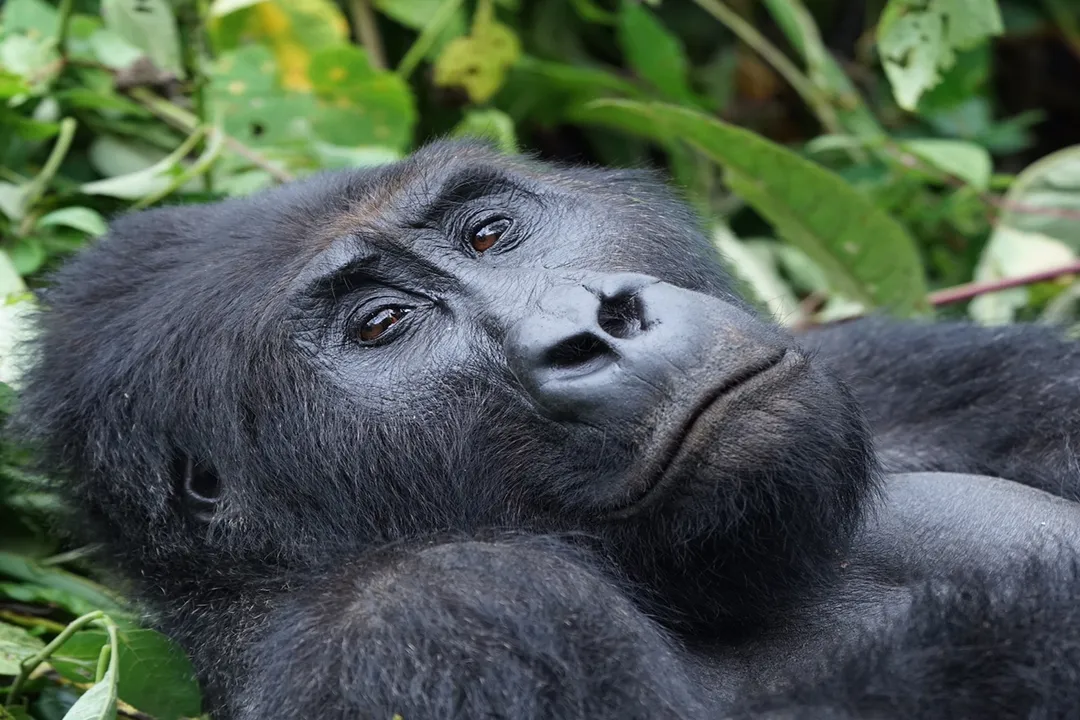
As herbivores, Eastern Lowland Gorillas spend a significant portion of their day foraging. [4] Their diet is varied, reflecting the rich biodiversity of the rainforests they inhabit. [3] While they are sometimes inaccurately generalized as simply eating leaves, their diet is quite diverse. [4]
They consume a wide range of vegetation, including pith, stems, leaves, shoots, and various forest fruits. [1][4][5] Some sources suggest that roots and specific types of bark also make up portions of their intake. [4] The composition of their diet shifts depending on the season and the specific forest area they occupy, allowing them to adapt to local food availability. [3] An adult male silverback can consume a substantial volume of vegetation daily to sustain his massive body, potentially eating several hundred pounds over the course of a week. [5] Unlike some other primate groups, they do not consume insects or significant amounts of animal matter. [4] Their feeding behavior involves the careful selection and processing of plant material, often stripping tough outer layers to reach the softer, more nutritious interior. [3]

# Social Organization
Eastern Lowland Gorillas live in structured, stable family groups, known as troops or bands. [4][5] A typical troop size usually ranges between 5 and 30 individuals. [4][5] The fundamental unit of this social structure is the dominant silverback, who serves as the undisputed leader. [4][8]
A troop usually consists of one dominant silverback, several subordinate adult or sub-adult males (blackbacks), multiple adult females, and their dependent offspring. [3][5] The silverback’s primary responsibilities include protecting the group from predators or rival gorillas, mediating disputes within the troop, and leading the group to reliable feeding sites. [4][8] He is the sole breeding male in the group, and his protection is paramount to the survival of the infants and juveniles. [3]
The bonds between a silverback and his females are crucial. Females often transfer from their natal group to join another dominant male when they reach maturity, helping to prevent inbreeding. [3] The dynamics within the group are generally peaceful, characterized by cooperative care of the young and shared resting times, but the hierarchy, enforced by the silverback, remains clear. [3] Observing these groups, one can see the subtle, non-verbal communication that maintains cohesion—a gentle touch, a shared grooming session, or a reassuring chest-beat display from the leader. [8] The size and composition of the troops can vary considerably; some smaller groups might only consist of a single silverback and a few females, whereas larger, more stable groups can host multiple related adult females. [3]
# Reproduction and Life Cycle
The reproductive cycle of the Eastern Lowland Gorilla is relatively slow, which contributes significantly to their vulnerability in the face of population decline. [5] Females typically reach sexual maturity around 7 to 10 years of age. [3] Gestation lasts for about 8.5 months. [3]
A female usually gives birth to a single infant, with births spaced several years apart—typically every three to four years. [3][5] This long interbirth interval is necessary because the infant remains entirely dependent on its mother for several years, learning essential survival skills. [3] Newborn gorillas are very small, weighing only about 4 pounds at birth. [5] They cling tightly to their mothers’ dark fur and rely on maternal care for the first few years of life. [4] The lifespan of these gorillas is substantial, mirroring that of humans; they can live for approximately 35 to 40 years in the wild, and potentially longer in protected settings. [5] This long generational turnover rate means that any sudden surge in adult mortality has a prolonged impact on the species' recovery potential.

# Threats and Survival
The conservation status of the Eastern Lowland Gorilla is Critically Endangered, placing them on the very edge of extinction in the wild. [1][2][6] Their population has plummeted dramatically over the last few decades, with estimates suggesting a decline of over 77% in recent years, primarily due to civil unrest and illegal activities within their range. [1][2]
The threats they face are multifaceted and deeply intertwined with human conflict in the region:
- Poaching: While sometimes targeted for bushmeat, illegal hunting for trophies or for the illegal pet trade remains a grave danger, especially for young gorillas whose mothers are killed. [1][5] Silverbacks are often killed when defending their families, which destabilizes the entire group's social structure. [1]
- Habitat Loss and Degradation: Illegal mining, logging, charcoal production, and the expansion of agricultural land continually shrink and degrade the forests they rely on for food and shelter. [1][2][8]
- Civil Unrest and Conflict: The DRC has experienced prolonged periods of instability, which undermines conservation efforts, allows for increased illegal resource exploitation, and directly endangers park staff and the gorillas themselves. [2][8]
The efforts to protect them are intensive, often involving highly dedicated rangers who patrol vast, dangerous areas to monitor populations and combat illegal incursions. [2] The integration of local communities into conservation strategies is vital, recognizing that long-term protection relies on securing the livelihoods and cooperation of the people living near these forests. [8]
# Nests and Intelligence
Like all great apes, Eastern Lowland Gorillas construct elaborate nests for sleeping each night. [4] These nests are built on the ground, or occasionally in trees, using surrounding vegetation like leaves and branches woven together to form a secure, sheltered bowl. [3][4] They are surprisingly fast builders, with a silverback able to construct a nest in under five minutes. [5] They build a new nest every single night, meaning the forest floor is littered with the day's old beddings. [3]
Their intelligence is evident in their complex social structure and problem-solving abilities, though direct observation of tool use in the wild is less frequently reported compared to Chimpanzees. [3] Their sheer physical power, combined with high cognitive ability, makes them formidable creatures whose survival hinges on the preservation of their unique forest environments. [8]
To understand the dedication required for their protection, one might consider that a single well-established troop requires consistent patrols over hundreds of square kilometers to remain secure, not just from poachers, but from the encroaching sounds and signs of human development that push them into less optimal habitats. [2] This means conservation isn't just about arresting poachers; it's about managing the entire surrounding ecosystem's health to ensure the gorillas have undisturbed resources available year-round. [1] The fact that they can thrive across such a wide elevation gradient, from swamp edges to high mountain slopes, speaks volumes about their behavioral flexibility—a trait that conservationists hope will aid their persistence, provided the threats can be sufficiently mitigated. [3]
Related Questions
#Citations
Eastern Lowland Gorilla | World Wildlife Fund
Eastern Lowland Gorillas (Grauer's Gorilla) | Virunga National Park
Eastern lowland gorilla - Wikipedia
Eastern Lowland Gorillas
Facts About the Eastern Lowland Gorillas - All in Africa Safaris
Eastern lowland gorilla - Fauna & Flora
Grauer's Gorilla - Facts About Eastern Lowland Gorillas
Eastern Lowland Gorilla | Facts, Habitat & Conservation
Eastern Lowland Gorillas - Facts, Lifestyle &Trekking Guide