What are some interesting facts about lowland gorillas?
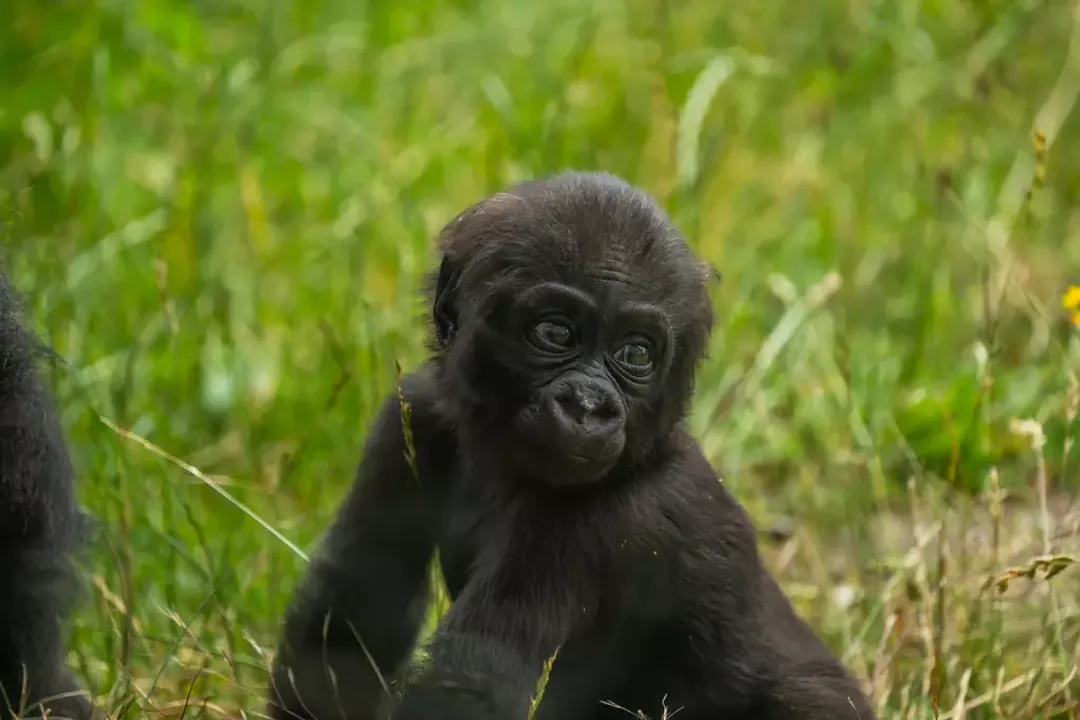
The Western lowland gorilla, one of the most recognizable primates on the planet, inhabits the dense, humid lowland tropical rainforests spanning Central and West Africa. [1][2][5][7][8][9] While their cousins, the Eastern lowland gorillas, occupy ranges in the eastern Democratic Republic of Congo, [6] the Western variety dominates the available general knowledge shared by conservation and zoological institutions. [1][2][4][5][7][8][9] These magnificent apes are predominantly terrestrial, meaning they spend the vast majority of their time on the ground rather than navigating high up in the canopy. [5] Their physical presence is imposing, with males exhibiting significant sexual dimorphism, growing considerably larger than the females in the troop. [7]
# Forest Homes
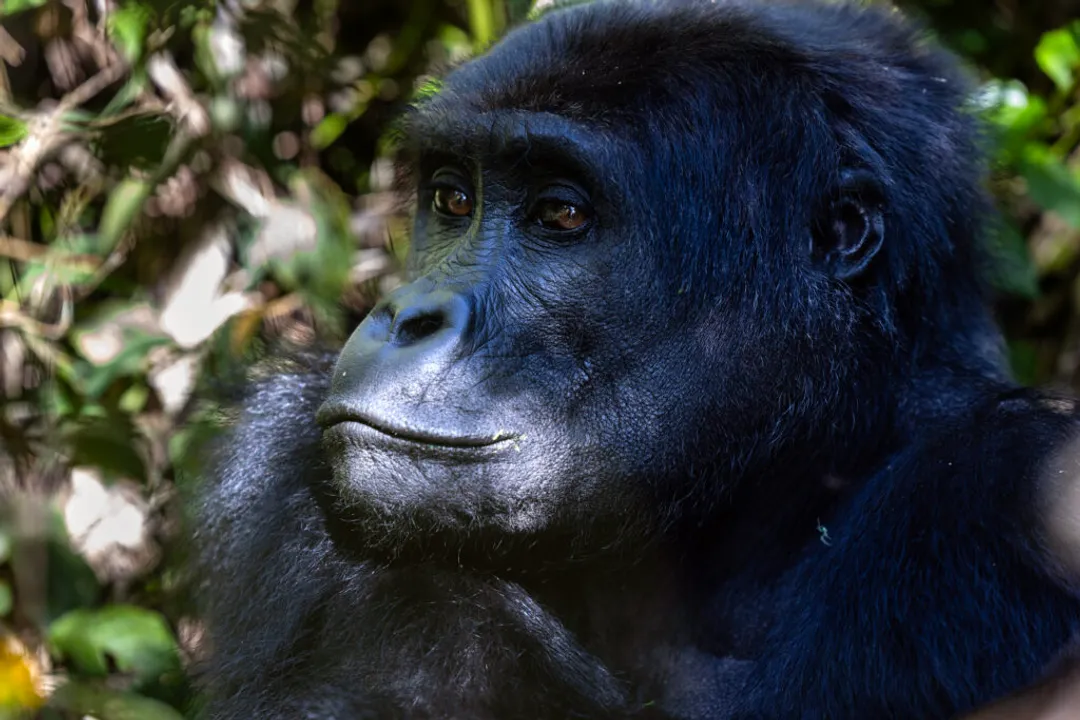
The preferred environment for the Western lowland gorilla is the humid, dense tropical rainforest of the African interior. [2][4][7][8] Specific regions mentioned include the swamp forests, indicating an adaptability to varied, wet ground conditions within their overall lowland range. [9] Understanding their geographic distribution is critical because it directly ties into the threats they face. These forests are not static; they are dynamic ecosystems subject to intense human pressure from logging operations and the expansion of agriculture. [4] The areas they call home are essential for their survival, providing the necessary cover and sustenance for their group dynamics. [2][9]
# Vegetative Staples
Gorillas are famously herbivores, and the Western lowland gorillas adhere strongly to this classification. [1][5][7][8] Their diet is heavily skewed toward vegetation, primarily consisting of leaves, stems, pith, and fruit. [1][2][3][5][8] They are not exclusively plant-eaters, however; records show they will occasionally supplement their bulk intake with insects. [2][3][4] This occasional insect consumption might provide essential proteins or minerals not readily available in the massive quantities of plant matter they consume daily. [2][4]
The sheer volume of food required to sustain an animal of this size is notable. Some records indicate an individual can consume up to 40 pounds of vegetation over the course of a single day. [2] Given that these animals spend most of their time on the forest floor, [5] this massive daily requirement means that their lives are largely structured around continuous, slow-moving foraging. Unlike some other primates that might make energetic, risky dashes between high-value fruit trees, the lowland gorilla’s existence seems defined by systematically processing the abundant, though perhaps lower-calorie, vegetation available at ground level and on lower branches. This sustained, high-intake, low-mobility feeding pattern suggests a significant portion of their daylight hours is dedicated simply to mastication and digestion, influencing their overall energy conservation strategy in the dense understory.
# Group Structure
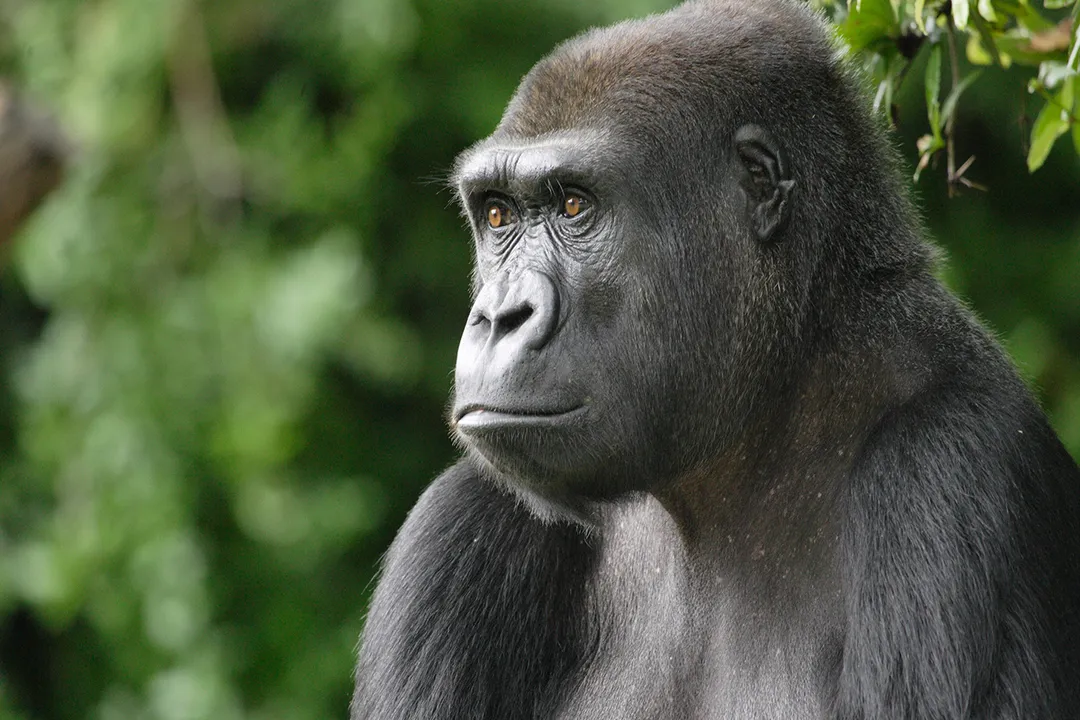
Lowland gorillas exhibit a clear social organization centered around a dominant male known as the silverback. [2][3][7] The silverback is the undisputed leader of the family unit. [3][7] These social units are not monolithic; they can vary in size, sometimes encompassing between five and up to thirty individuals. [3] This leader role is more than just defense against outside threats; the silverback is responsible for guiding the group to necessary resources. Considering the high daily intake requirement for vegetation, [2] one can infer that the silverback’s expertise in locating reliable feeding patches—perhaps those rich in the stems and pith that form a staple part of the diet [8]—is just as crucial as his ability to protect the group from danger. The stability of the entire social structure hinges on his positional knowledge of the home range.
# Nightly Routine
A fascinating, albeit routine, aspect of their behavior involves their sleeping arrangements. Gorillas do not maintain permanent nests or shelters year-round. Instead, they construct a new one virtually every night. [8] These beds are made from vegetation, essentially weaving together branches and leaves to create a safe, relatively comfortable place to rest off the damp forest floor. [8] This nightly construction, while not elaborate, requires a consistent investment of time and energy from the group members, reinforcing the idea that their lives are closely tied to the immediate surrounding flora.

# Reproduction Milestones
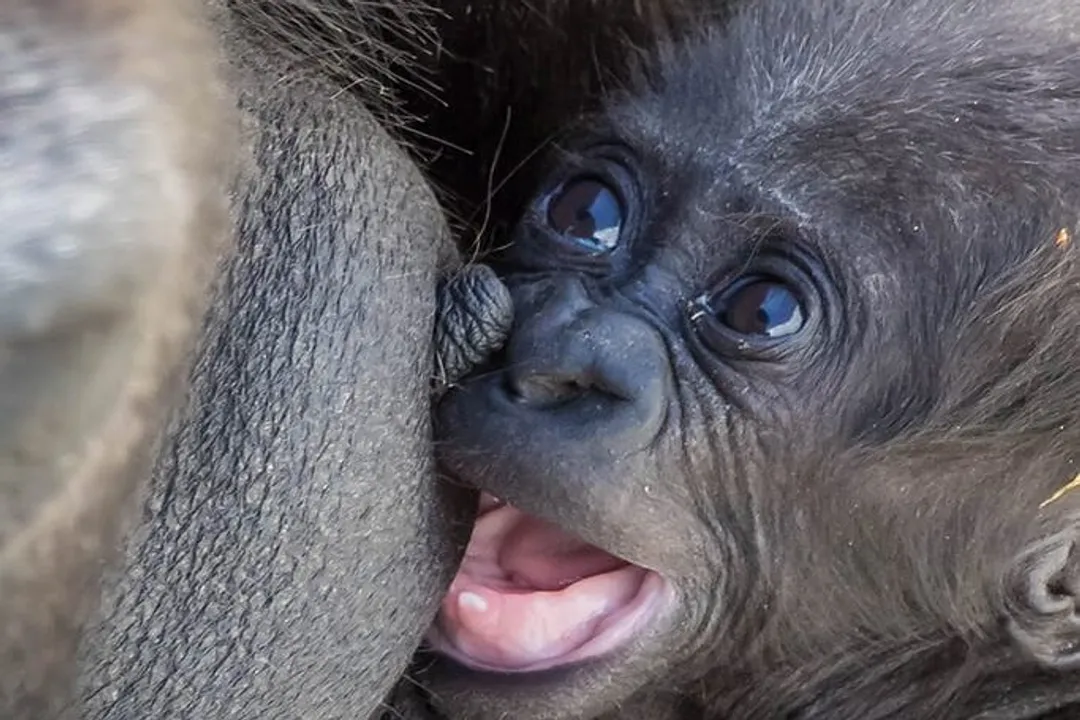
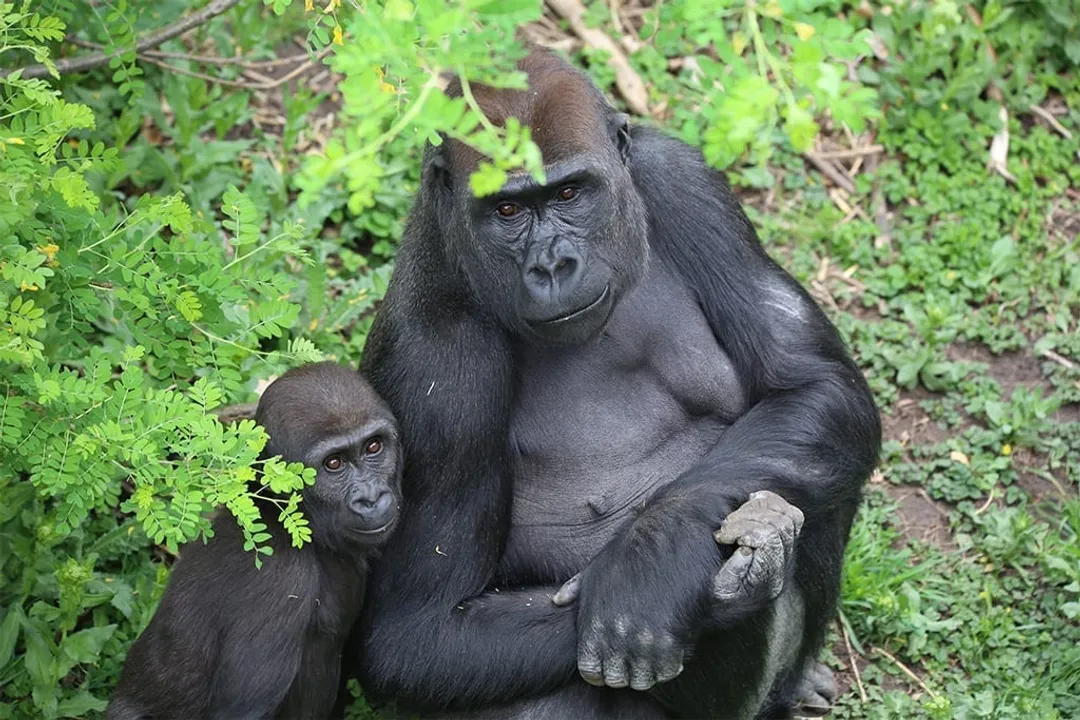
The reproductive cycle of the Western lowland gorilla is relatively slow, which contributes to the challenges in their population recovery. The gestation period—the time the infant spends developing inside the mother—is approximately 8.5 months. [3] Following birth, the offspring is entirely dependent on its mother. Initially, the infant will cling tightly to the mother’s chest. [1] This close physical contact is vital for warmth, security, and nursing. As the young gorilla matures, it begins to gain independence; after about six months, the infant starts to travel on its own, though it is still young enough to ride on the mother's back for long distances. [1][3] This extended period of dependence—from constant clinging to occasional riding—means that a mother gorilla has limited opportunities to reproduce, impacting the overall growth rate of the population. [3]
# Lifespan and Care
In their natural habitat, determining exact lifespans can be difficult, but records from facilities housing them offer a helpful benchmark for potential longevity. [2] Western lowland gorillas in human care have been known to live up to 50 years. [2] This extended lifespan, combined with the slow reproductive rate, underscores the gravity of conservation efforts; when individuals are lost prematurely due to threats like poaching, the loss represents decades of potential future reproduction and social stability for a troop. [4]
# Critical Status
Sadly, the Western lowland gorilla is classified as Critically Endangered. [1][4] This alarming status is not due to natural population fluctuations but is driven almost entirely by human activity. [4] The primary drivers of their decline are twofold: habitat destruction and poaching. [4] Logging activities and the conversion of forest land for agriculture directly reduce the area available for these large herbivores to forage and maintain their territory. [4] Simultaneously, poaching, often for the bushmeat trade, removes individuals from the already stressed populations. [4] The combination of slow reproductive turnover and high, direct mortality makes reversing this decline an immense conservation challenge. When a silverback leader is lost to a poacher’s snare, the entire social dynamic and protective structure of the group can collapse, leading to secondary losses among the females and young. [3][7]
# Distinguishing the Lowlands
While the focus here has centered on the Western species, it is important to acknowledge that there is another group, the Eastern lowland gorilla, sometimes called Grauer's gorilla. [6] Although both groups share the lowland habitat designation in their common names and are both critically endangered, they are distinct species inhabiting different regions of Africa, specifically the Eastern Democratic Republic of Congo for the latter. [6] Both face dire conservation statuses, suggesting that the pressures on Central African great apes are widespread and severe. [4][6] The sheer volume of information available regarding the Western species highlights their visibility in global conservation programs, though the plight of the Eastern variety is equally urgent. [1][4][6]
Related Questions
#Citations
Western Lowland Gorilla Facts and Information - Seaworld.org
Western lowland gorilla - National Zoo
Western lowland gorilla, facts and photos | National Geographic
Western Lowland Gorilla | World Wildlife Fund
Western lowland gorilla | London Zoo
Eastern Lowland Gorillas (Grauer's Gorilla) | Virunga National Park
Western Lowland Gorilla - San Francisco Zoo & Gardens
Western Lowland Gorilla - Denver Zoo Conservation Alliance
Facts About Western Lowland Gorillas - Diet, Habitat, Behavior and ...