Welsh Corgi Physical Characteristics
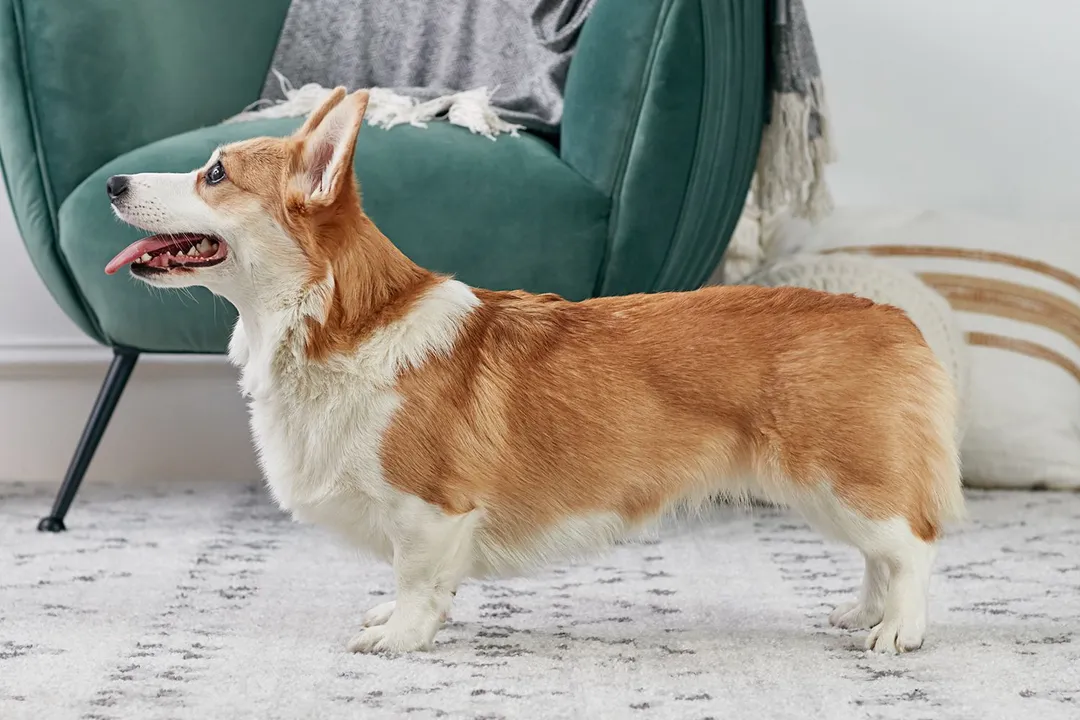
The Welsh Corgi, instantly recognizable by its stout body and foxy expression, presents one of the most unique silhouettes in the canine world. These dogs are defined by a specific, somewhat comical, yet highly functional set of physical traits that speak directly to their origins as agile, low-to-the-ground cattle herders from Wales. Though often grouped together, it is important to note that the Pembroke Welsh Corgi, which is the subject of most modern discussions and breed standards, possesses distinct characteristics from its Cardigan cousin. The physical makeup of the Pembroke is a study in contrasts: surprisingly long for its height, remarkably sturdy, and topped with an alert, regal headpiece.
# Stature And Build
The overall impression a Pembroke Welsh Corgi gives is one of substance packed into a low frame. They are considered a small to medium-sized breed, generally standing between 10 to 12 inches (25 to 30 cm) at the shoulder. This modest height contributes significantly to their characteristic "long and low" appearance. Weight-wise, a well-built Corgi should typically fall in the range of 25 to 30 pounds for males and slightly less for females, usually around 24 to 28 pounds.
When assessing their structure, the balance between length and height is key. A Corgi should be substantially longer than it is tall. Looking at the breed standard, a mature Corgi's body length, measured from the breastbone to the rear point of the rump, is approximately one and three-quarters times its height at the shoulder. This ratio is essential; a dog that is too square or too long in the back compromises the breed type and historical function. This specific conformation creates a low center of gravity, which is an inherited trait deeply tied to their ancestral work moving stubborn cattle by nipping at their heels without getting kicked in return—their low profile allowed them to easily duck under the swing of a hoof. This low-slung engineering is far from accidental; it is a finely tuned physical advantage developed over centuries of demanding farm work.
# Head Shape

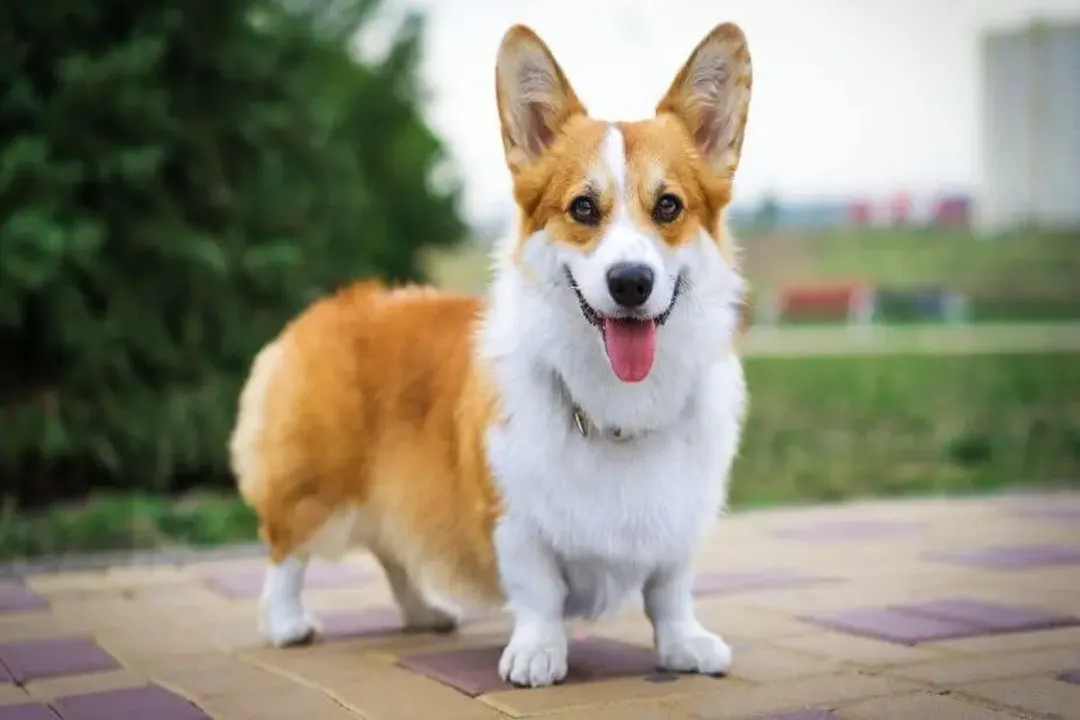
The head of the Pembroke Welsh Corgi is often compared to that of a fox. This comparison is apt, given the shape—it should be relatively broad between the ears and tapering towards the nose. The muzzle should be neither too long nor too short, proportionate to the rest of the skull.
Key features of the expression are the eyes and the stop. The eyes are generally oval in shape, dark in color, and possess a bright, intelligent, and alert expression. There should be a moderate stop, meaning a slight indentation where the forehead meets the muzzle, which contributes to the breed’s intelligent look. The jaw structure is important; the teeth meet in a scissor bite, meaning the outer surface of the lower incisors touches the inner surface of the upper incisors.
# Prominent Ears
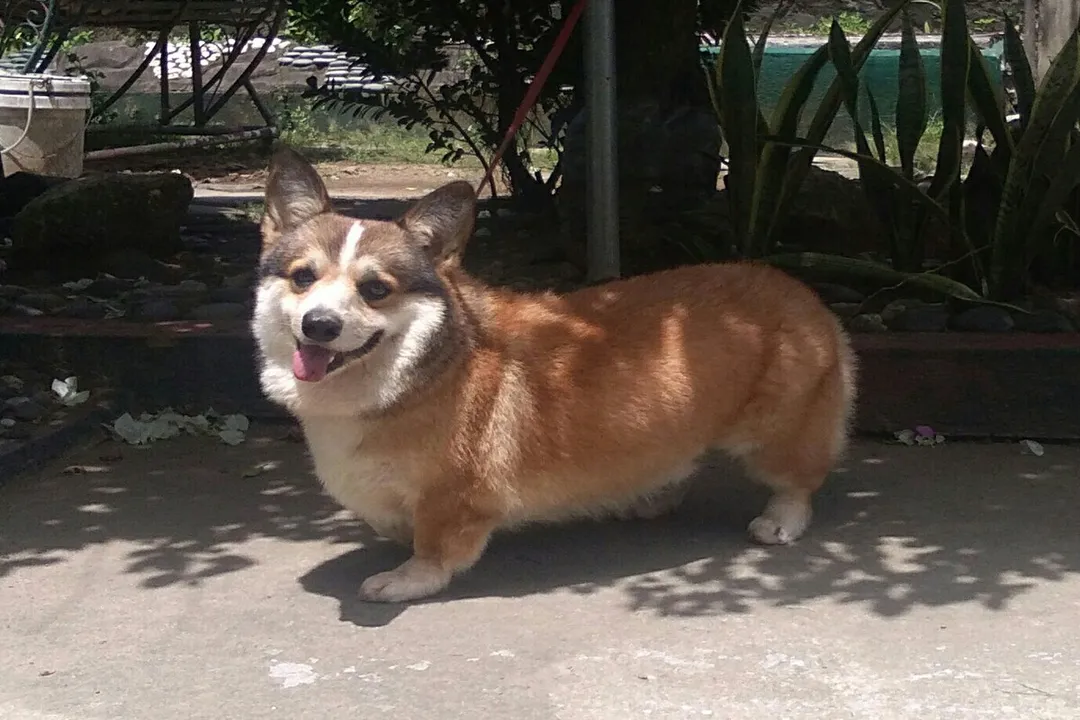
One of the Corgi’s most captivating features is its ears. They are remarkably large in proportion to the head. When set, the ears should stand erect and point straight up, with the tips slightly rounded. They are set moderately far apart on the head. The inner ear leather should be thick, and the inside of the ear should be well-furnished with hair, though not excessively long.
The way the ears are carried contributes immensely to the dog’s alert posture. Even when relaxed, the ears remain upright, giving the dog that characteristic look of constant awareness, a trait necessary for a herding dog needing to monitor stock and handler simultaneously. This erectness is a defining mark differentiating them from many other short-legged breeds whose ears might flop.
# Coat Texture And Color
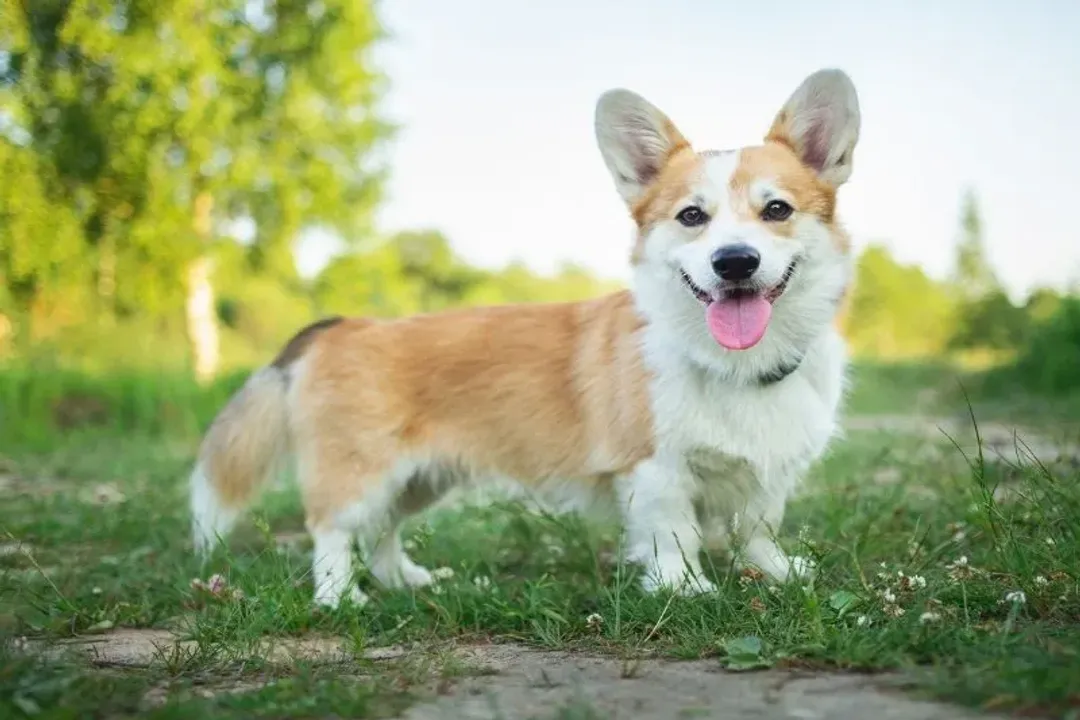
The Pembroke Welsh Corgi has a double coat, designed to offer protection from the often damp and variable Welsh weather. This coat is medium in length, dense, and weather-resistant.
The outer coat should be straight and of medium texture, neither harsh nor overly soft. The longer guard hairs help shed water and dirt. Beneath this lies a thick, soft undercoat that provides insulation. During shedding seasons, this undercoat will blow out significantly, requiring diligent grooming to manage the volume of loose hair. Corgis are known to shed moderately year-round and heavily twice a year.
When it comes to coloration, there is a fairly wide spectrum accepted within the breed standard. The accepted colors include:
- Red
- Sable
- Fawn
- Black and Tan
All recognized colors may appear with or without white markings. White is often seen on the legs, chest, neck, and muzzle. A solid red Corgi, for instance, might have a dash of white on its chest, while a black and tan dog will have clearly defined tan points above the eyes, on the muzzle, chest, and legs.
It is worth noting that while some breeds have very specific color dilution restrictions, the Pembroke allows for a broad palette, making the resulting appearance highly variable even among littermates, which adds to their individual charm.
# Limb Structure And Gait
The short, sturdy legs are perhaps the most visually striking element of the Corgi's physique, a trait called achondroplasia, or dwarfism. Despite their shortness, the legs must be straight and strong, with heavy bone structure relative to their size. They should not appear bowed or turned in or out.
Their feet are characteristically somewhat oval, with strong, short, tight toes, and well-arched pads. Their chest is notably deep, allowing for plenty of lung room, which supports their stamina.
The way this build translates into movement is crucial. When moving, the Corgi should trot freely and actively, covering ground efficiently. Their gait should appear smooth and ground-covering, never shuffling or crabbing. The low carriage means their backline remains level, even when moving at a trot. If you picture a Corgi walking, they should appear somewhat like an otter moving along the ground—a steady, determined progression that emphasizes their powerful shoulders and hindquarters, necessary for pushing their sturdy frame forward.
# Tail Configuration
The tail configuration is a point of distinction when discussing Welsh Corgis, particularly between the Pembroke and the Cardigan. The Pembroke Welsh Corgi is historically known for having a naturally bobbed tail or for being intentionally docked short.
The American Kennel Club (AKC) standard refers to the tail as being "naturally short, or docked to appear natural". In many countries where cosmetic docking is banned, the Corgi is seen with its natural, full, or semi-full tail, which is carried low but not excessively so, and should not curl over the back. If the tail is undocked, it should be carried level with the backline or slightly above when the dog is alert. The presence or absence of a full tail can sometimes be a simple genetic difference, as some Pembrokes are born without a significant tail (a natural bobtail). This variation means that a purebred Pembroke can present with anything from a very short stump to a tail reaching nearly to the hocks.
# Summary Of Physical Standards
To synthesize the various physical attributes, a table summarizing the ideal metrics helps illustrate the required balance:
| Feature | Standard Measurement/Description | Reference Point |
|---|---|---|
| Height | 10 to 12 inches (25 to 30 cm) | Standard Breed Range |
| Weight | 25 to 30 lbs (Males); 24 to 28 lbs (Females) | Acceptable Adult Range |
| Body Ratio | Length is approx. 1.75 times height | Essential for Breed Type |
| Coat | Double coated, weather-resistant, medium length | Protective Layering |
| Head Shape | Fox-like, broad skull, proportional muzzle | Expression and Balance |
| Ears | Large, erect, slightly rounded tips | Alertness Feature |
Understanding these points—the low stature for herding effectiveness, the fox-like head for expression, and the weather-proof coat—shows that the Pembroke Welsh Corgi's physical characteristics are not arbitrary aesthetic choices but rather the result of centuries of utility-driven breeding. The emphasis on a sturdy build and moderate size ensured they could work all day without tiring, while their distinct look secured their popularity as companions once their herding days began to wane.
Related Questions
#Citations
Pembroke Welsh Corgi Dog Breed Information
Welsh Corgi (Pembroke) Dog Breed Information | Purina UK
Pembroke Welsh Corgi - Wikipedia
Corgi Personality & Characteristics | Bark Busters
Dog Breed Profile: Pembroke Welsh Corgi - Woof
Meet The Breed: Pembroke Welsh Corgi The Pembroke ... - Facebook
Pembroke Welsh Corgi: Dog Breed Characteristics & Care
Pembroke Welsh Corgi Breed Guide - Figo Pet Insurance
Pembroke Welsh Corgi Dog Breed Guide - BorrowMyDoggy