Welsh Terrier Physical Characteristics
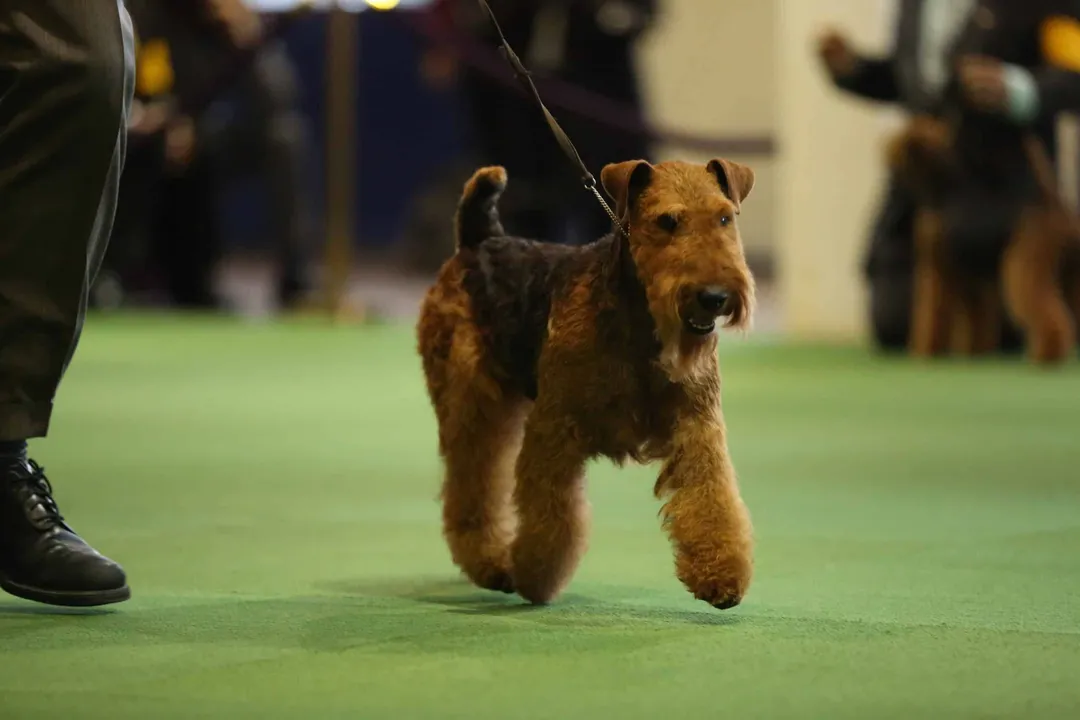
The Welsh Terrier presents a picture of sturdy, compact animation, often being described as a miniature version of its larger cousin, the Airedale Terrier, or closely resembling the Wire Fox Terrier in its overall appearance. [5][6] This breed is built for function, possessing a frame that suggests both hardiness and agility, suitable for the rough terrain from which it originated in Wales. [3][5] Understanding the precise physical standards reveals much about the breed's heritage as a tenacious working terrier.
# Build Proportions
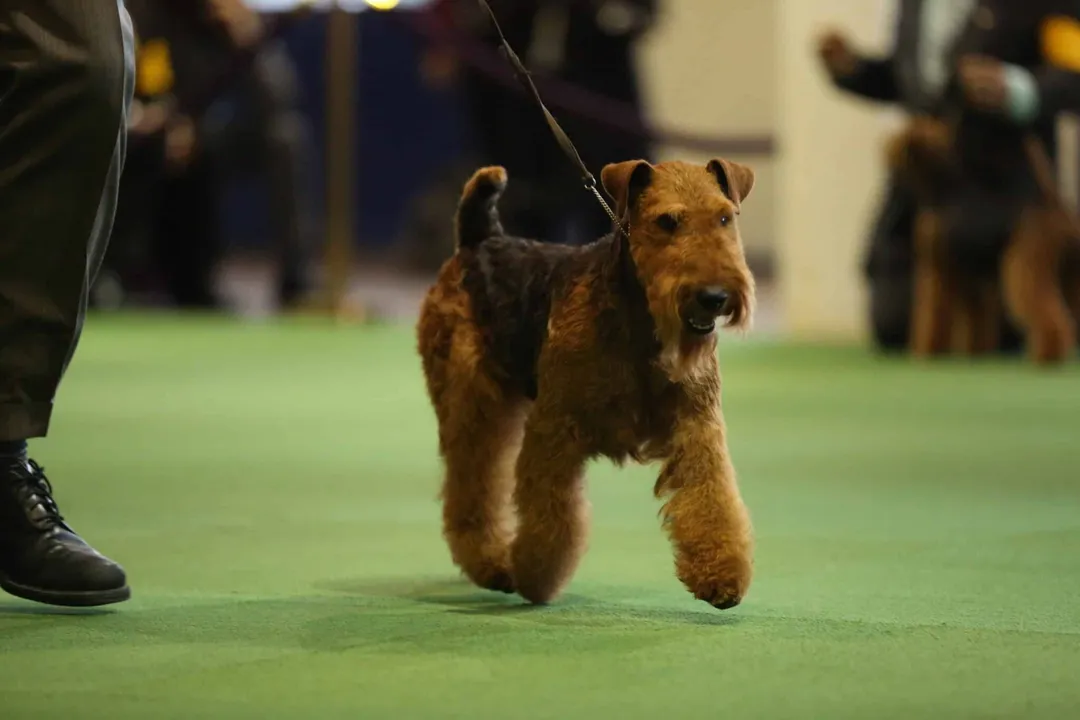
The ideal Welsh Terrier is typically described as square, meaning its length from the point of the shoulder to the rear point of the buttock should be roughly equal to its height at the shoulder. [3][5] This balanced silhouette is a critical element of its conformation, distinguishing it from terriers that might be longer in body or leggy.
In terms of sheer size, the breed falls squarely into the medium category. [3] Standard measurements generally place the height at about 15 inches, [6][5] although specific breed standards might allow for a slight variance, such as between 14.5 and 15.5 inches at the shoulder. [8][4] Correspondingly, their weight is often cited as being between 20 and 25 pounds. [5][1][6] This moderate size allows them to be substantial enough to work underground yet manageable as companions. [1] The entire structure should convey strength without appearing clumsy or overly heavy; they are designed for quick movement and enduring tough conditions. [5]
When evaluating the overall physical presentation, one must look for a level back and a well-sprung rib cage that provides adequate room for heart and lung capacity, essential for a breed known for its spirited disposition. [4] The chest should not be overly deep, maintaining that compact, sturdy look that is characteristic of the terrier group. [3]
# Coat Texture Color
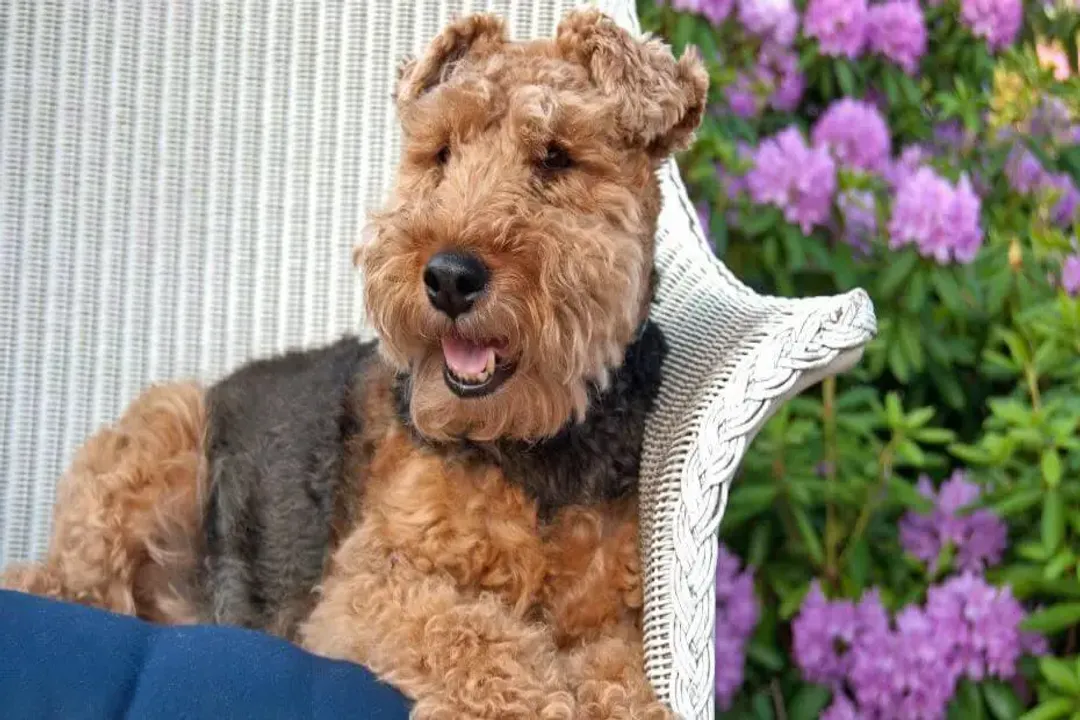
Perhaps the most immediate defining physical trait of the Welsh Terrier is its distinctive double coat. [5][7] This coat serves a functional purpose, offering protection against harsh weather and dense undergrowth during its working days. [2]
The outer coat is required to be hard, dense, and wiry. [2][7] This outer layer is what gives the dog its weatherproof quality and classic terrier 'look.' Beneath this protective shell lies a softer undercoat, which provides necessary insulation. [2] To maintain this essential texture, regular grooming is a necessity, usually involving hand-stripping, though many pet owners opt for clipping, which results in a softer texture over time. [5][2] The texture should feel firm and straight to the touch, not woolly or overly soft. [7]
Coloration is quite specific and uniform across the breed standard. The coat is generally seen in two primary color patterns: black and tan or grizzle and tan. [3][6][1][4][7] In both variations, the body is predominantly dark—either solid black or a grizzle (a mix of black, white, and sometimes grey hairs that gives a salt-and-pepper effect). [7] The legs, head, and sometimes the underside will display the rich tan markings. [3] One point prospective owners often observe is that the grizzle coloring, as opposed to the solid black, can sometimes appear lighter or more peppered on the main body depending on the dog’s age and stripping history, which affects the exposure of the undercoat colors. [7] This color contrast is what helps define the breed’s bold facial expression. [4]

# Head Features
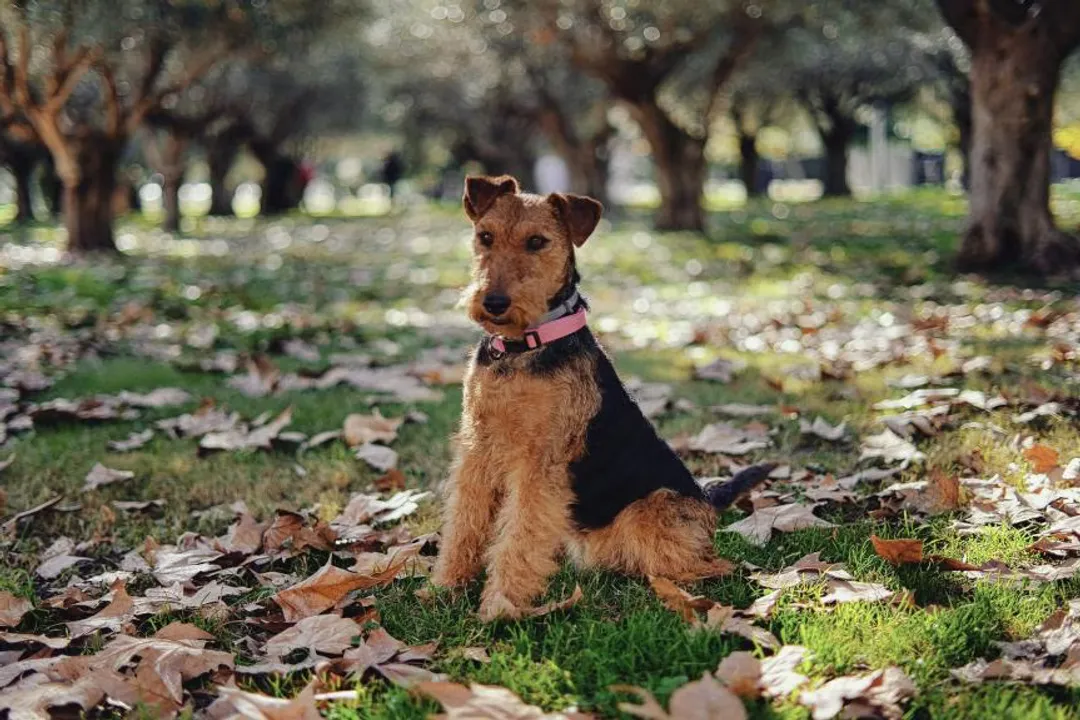
The head of the Welsh Terrier is meticulously defined in breed descriptions, contributing significantly to its intelligent expression. [4] The head should appear long, though not excessively so, and rather narrow when viewed from the front. [4]
The skull is characteristically flat between the ears. [4] A slight stop—the transition from the forehead to the muzzle—is present but not pronounced. [4] The muzzle itself needs to be strong and neither too short nor too pointed. [4] Strong, level jaws are required to complete the sturdy head outline. [4]
# Ears Eyes Tail
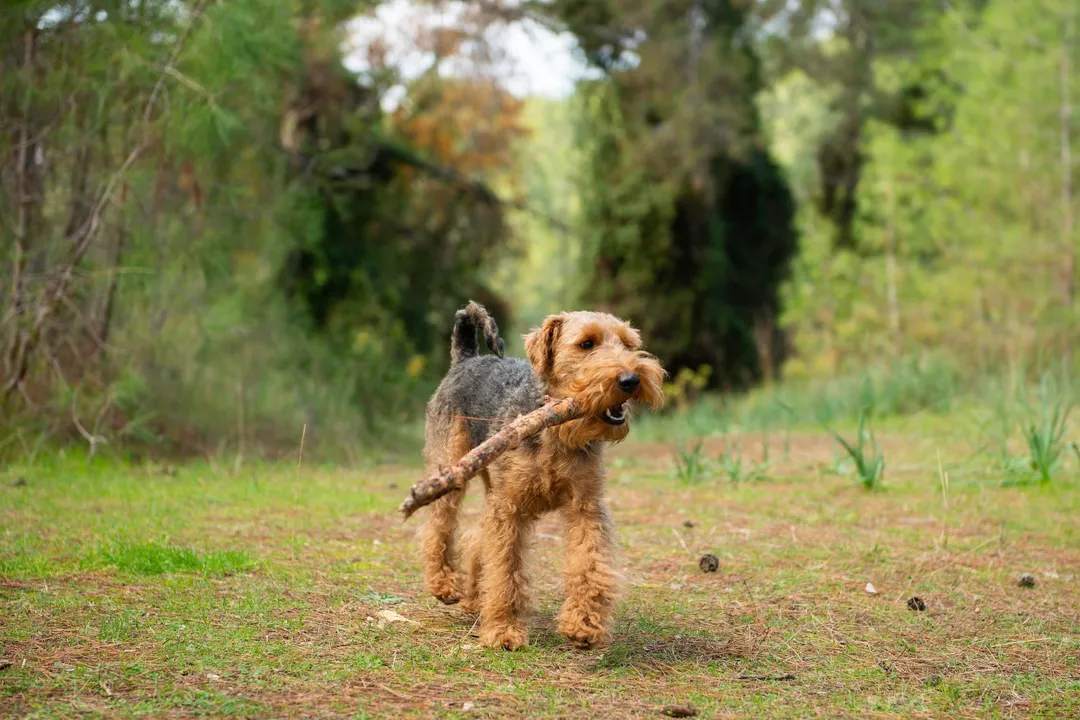
The sensory apparatus of the Welsh Terrier contributes heavily to its alert demeanor. The ears are small and V-shaped. [4][7] Crucially, they are carried erect, folding forward neatly close to the cheeks. [4][3] They should not be long or dropped down like hound ears, nor should they stand straight up like pricked ears, but rather exhibit that characteristic forward fold. [7]
The eyes are typically small, dark, and set somewhat deep in the skull. [4][7] The expression they convey is vital; it should be intelligent, keen, and full of terrier spirit. [4] Light or yellowish eyes are undesirable in the show ring. [7]
The tail, much like the ears, is an indicator of the breed’s attitude. It is set high on the back and is traditionally carried cheerfully erect. [4][7] However, a crucial distinction is that the tail must not curve over the back in a tight curl. [4] Historically, the tail was often docked to achieve this correct carriage, making it appear shorter and balancing the overall square appearance, though docking practices are increasingly becoming non-standard or banned depending on geographic location. [4]
# Movement Style
The physical structure of the Welsh Terrier must translate into an efficient and lively movement pattern. When observed moving, the dog should travel straight both coming toward and moving away from the observer. [4]
The action is expected to be level—meaning the back remains steady—and possess a springy gait. [4] This springiness suggests energy and lightness on the feet, contrasting with the heavy, plodding movements of some larger breeds. The legs should move straight forward and backward, without paddling or crossing over, reflecting the correct angulation in the shoulders and hindquarters that supports this brisk, energetic trot. [4] This efficient gait is what enabled them to keep up with hunters across varied terrain throughout their history. [4]
Related Questions
#Citations
Welsh Terrier Dog Breed Information | Purina UK
About Welsh Terriers - Miles & Emma
Welsh Terrier - Wikipedia
Welsh Terrier - The Westminster Kennel Club
Welsh Terrier - All About Dogs | Orvis
The Welsh Terrier dog Breed - Hill's Pet Nutrition
Welsh Terrier Dog Breed Health and Care | PetMD
About Welsh Terriers
Welsh Terrier Dog Breed Guide - BorrowMyDoggy