Weimardoodle Facts

The Weimardoodle presents an intriguing blend of traits derived from two very distinct parent breeds: the noble, silver-coated Weimaraner and the highly intelligent Poodle. [1][2][5] This hybrid dog, sometimes called a Weimaraner Poodle Mix, generally falls into the medium to large size category, though this can fluctuate significantly based on the size of the Poodle lineage involved in the cross. [4][8] As a designer dog, there is no official breed standard; instead, owners must be prepared for a delightful, yet variable, combination of characteristics inherited from both sides of the family tree. [3][7]
# Parent Breeds

The foundation of the Weimardoodle rests on the Weimaraner, a German breed historically prized as a versatile hunting companion known for its distinctive gray coat and striking eye color. [1][5] The Poodle contributes exceptional intelligence and often a low-shedding coat, depending on the variety used—Standard, Miniature, or Toy. [1][4][7] This pairing aims to combine the Weimaraner’s eagerness to please and athleticism with the Poodle’s smarts and potentially easier grooming needs. [2][5] Because the Poodle can be used in three different size variations, the resulting litter’s genetics and physical profile are subject to considerable range. [1][8]
# Physical Traits
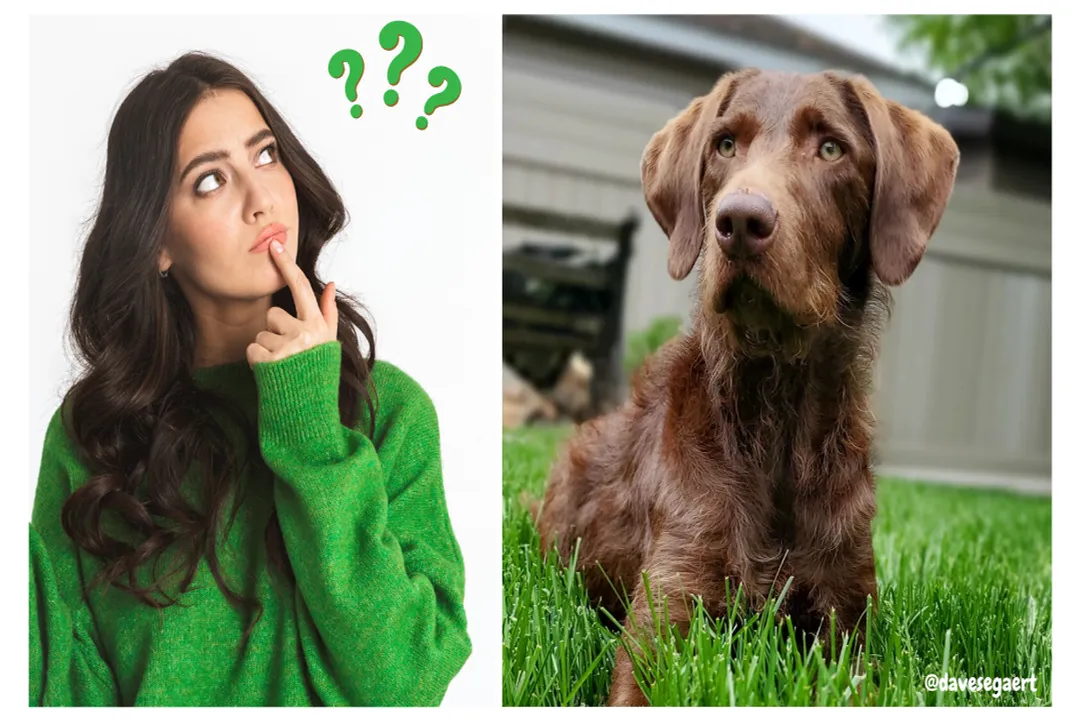
Size is perhaps the most variable physical characteristic in this mix. If a Standard Poodle is bred to a Weimaraner, the resulting dog will likely be a medium to large animal, potentially weighing between 45 and 90 pounds. [1][4] However, crossing with a Miniature or Toy Poodle can produce a smaller dog, though the exact outcome in a first-generation (F1) cross can still trend larger than expected due to the Weimaraner's consistent size. [8]
Coat texture is another area of significant variation. While Poodle heritage often suggests a wavy or curly coat that sheds minimally, this is not a guarantee of being truly hypoallergenic. [1][5] Some Weimardoodles may inherit a shorter, denser coat closer to the Weimaraner’s, which means they might shed more than expected. [4] Color typically leans toward the Weimaraner’s palette: various shades of gray, silver, or blue. [1][5] Eye color is another distinguishing feature; these dogs often inherit the Weimaraner’s light, piercing eyes, which can range from amber to light blue or that famous silvery-gray. [1][5]
Considering the variability, especially in F1 crosses where the genetic split is 50/50, predicting the exact physical outcome requires understanding that hybrid vigor means traits don't always blend predictably. [7] For instance, one puppy in a litter might take the Poodle’s tight curl and the Weimaraner’s eye color, while a sibling might have a straighter coat and a darker, more common brown eye color. [3] This unpredictability means that prospective owners need to look closely at the parents or the breeder’s history with multi-generational crosses to gauge size and coat type more accurately. [9]

# Coat Care
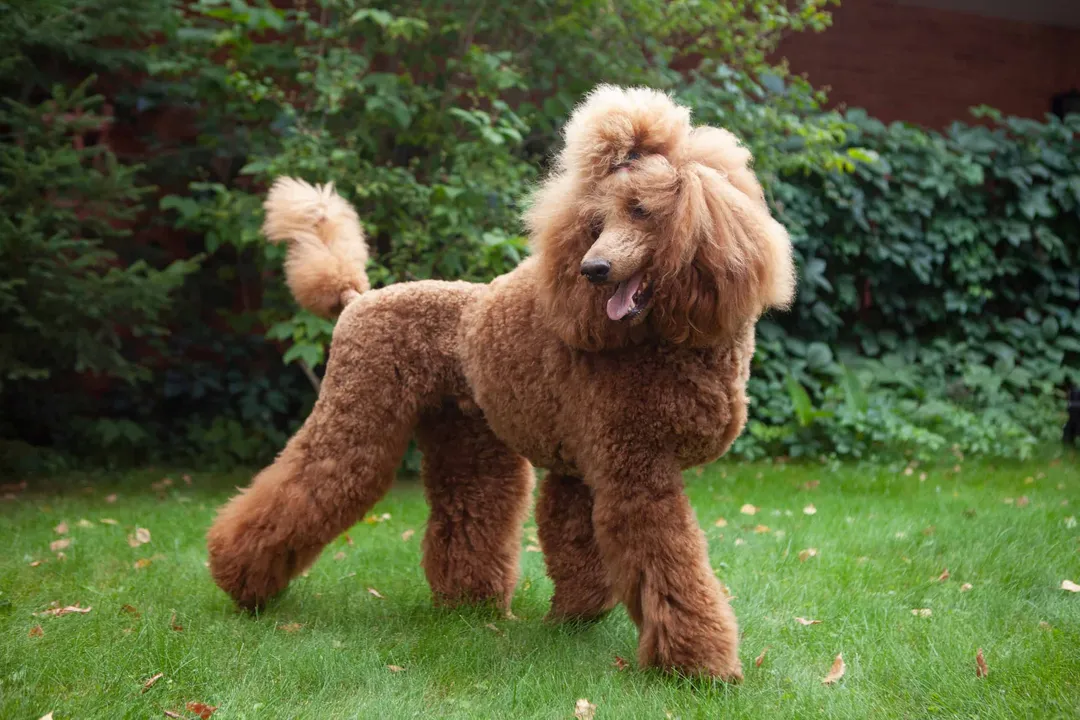
Regardless of whether the coat leans toward wavy or curly, the Weimardoodle generally requires dedicated grooming maintenance to keep it healthy and tangle-free. [4] The hair does not typically stop growing, meaning routine trimming or professional grooming appointments every six to eight weeks are usually necessary to manage length and prevent painful matting. [1][5]
Daily or every-other-day brushing is recommended, particularly for dogs exhibiting curlier coats inherited from the Poodle side. [4] If the coat is left unattended, mats can form quickly, pulling on the skin and potentially leading to irritation or infection. [1] Owners must be diligent about checking areas where friction occurs, such as behind the ears, under the legs, and around the collar line. [7] While the lower shedding potential is a major draw for allergy sufferers, the commitment to regular coat maintenance remains high; it trades constant cleanup for dedicated brushing time. [5]
# Temperament Profile

The Weimardoodle is widely regarded as an intelligent and energetic companion dog. [3][7] They generally possess a deep loyalty to their families, often forming strong bonds that can sometimes lead to clinginess or distress when left alone. [4][6] The intelligence inherited from both breeds means they learn quickly, which is a positive trait for training but also means they can quickly learn undesirable habits if bored. [7]
These dogs often exhibit a playful and affectionate nature within their immediate family unit. [1][5] However, the Weimaraner lineage can introduce a sense of alertness or territoriality. [1] While they aren't typically aggressive, they may be reserved with strangers or act as alert watchdogs, letting the household know someone is approaching. [4] Early and consistent socialization is essential to ensure that this inherent wariness develops into appropriate confidence rather than shyness or over-protectiveness. [1] They thrive on positive reinforcement methods due to their sensitivity; harsh corrections can cause them to shut down or become resistant. [7]
# Activity Needs
Owners must understand that bringing a Weimardoodle into the home means accepting a high-energy lifestyle commitment. [1][5] These are not dogs suited for sedentary living or apartment dwellers who cannot consistently provide outdoor activity. [4][6] A simple walk around the block will often not suffice to tire out a Weimardoodle built on a sporting breed foundation. [1]
At least an hour, and often closer to two hours, of vigorous activity daily is generally required. [4] This activity should ideally involve both physical exertion and mental challenges. [5] Simple repetitive tasks like long, on-leash walks primarily address the physical need; however, because of their sharp minds, they genuinely require mental work to remain content. [7] Introducing structured 'jobs' like advanced obedience drills, agility training, or scent work can effectively channel that high drive. [4] Without adequate mental and physical outlets, their intelligence and energy will manifest as destructive chewing, excessive barking, or other nuisance behaviors borne out of frustration. [1][7]
# Health Concerns
As a hybrid, the Weimardoodle benefits from hybrid vigor, suggesting a potentially broader gene pool that could reduce the incidence of certain inherited diseases seen in purebreds. [4][5] Nevertheless, they remain susceptible to the health issues common to both parent breeds. [1] Responsible breeders should screen for these common problems in the parent stock. [5]
Potential orthopedic issues include hip and elbow dysplasia, conditions seen in both Weimaraners and Poodles. [1][4] Eye problems, such as progressive retinal atrophy (PRA), can be a concern inherited from the Weimaraner side. [1] Bloat (Gastric Dilatation-Volvulus or GDV), a life-threatening condition, is a risk, particularly in deeper-chested dogs inheriting the Weimaraner's build. [5] Furthermore, Poodle genetics can carry predispositions to issues like Addison’s disease or hypothyroidism. [1] Lifespan estimates generally fall between 10 and 13 years, though excellent care and a lower-risk genetic profile can certainly extend this. [4][5]
# Owner Match
Determining if a Weimardoodle fits your household requires an honest self-assessment of your activity level and lifestyle availability. [6] They are demonstrably not suitable for first-time dog owners who lack experience in consistent training and behavior management, nor are they a good fit for individuals who spend long hours away from home. [1][6] These dogs crave interaction and can quickly develop separation anxiety if left isolated for extended periods. [4][6]
The ideal home provides structure, consistent training focused on positive reinforcement, and ample opportunity for vigorous daily exercise and mental stimulation. [7] They do well in active families where someone is generally present, whether that means engaging them in yard play or taking them on frequent hikes. [1][5] If you are looking for a quiet lap dog that is content to nap all day, the Weimardoodle’s spirited nature will likely lead to mutual frustration. [6] They are best suited for individuals or families prepared to actively involve their dog in their daily life, recognizing that the dog is a companion that requires partnership, not just ownership. [9]
Related Questions
#Citations
Weimardoodle Dog Breed Information & Characteristics - DogTime
Weimardoodle Dog Breed Information and Pictures
Weimardoodle Dog Breed Complete Guide - A-Z Animals
Weimardoodle Dog Breed Health, Temperament, Training, Feeding ...
Weimardoodle Dog Breed: Info, Pictures, Care & Traits - Hepper
Weimardoodle: Not Suitable For These Types of People
Weimardoodle | Pet Premium - Pet Insurance Comparison
Weimardoodle Breed Information & Characteristics
Dog Breeds : Weimardoodle - Eastcoast Puppies