Weasel Locations
Weasels, those quick, slender carnivores often spotted darting along the edges of fields or disappearing into stone walls, maintain a surprisingly broad distribution across North America, though pinpointing an exact sighting requires understanding their specific habitat preferences. These small mammals, belonging to the genus Mustela, [2] are masters of concealment, which contributes to their reputation as rarely seen creatures. While they occupy numerous ecological niches, their location is always tied to the availability of dense cover and a steady supply of their primary diet: small rodents. [1][5]
# Species Distribution
North America is home to several weasel species, and their locations often overlap depending on the latitude and local environment. The long-tailed weasel (Mustela frenata) is perhaps the most widely recognized, with a range stretching from southern Canada down through the United States and into Mexico. [9] In northern climes, this species is famously known as the ermine when its coat turns white during the winter months. [9]
In contrast, the least weasel (Mustela nivalis) occupies a different niche, generally favoring more open habitats. In places like Illinois, the least weasel is identified as inhabiting grasslands, hay fields, and other areas with low, dense vegetation, often avoiding dense forests. [7] The presence of these different species necessitates looking closely at the environment, as the preferred location for one might not suit the other. [7]
# Cover Requirements
The overarching theme for any weasel location, regardless of specific species or state, is the necessity of secure cover. Weasels spend a significant amount of time hunting but rely heavily on nearby refuge from predators and harsh weather. [4] They are frequently observed near stream banks, rocky outcrops, and areas with substantial brush or woodpiles. [1][6]
For instance, in Oregon and California, western weasels utilize a variety of microhabitats, including riparian zones, forested areas, and open grasslands, provided there is ample structure for them to move through undetected. [10] In New York, the long-tailed weasel shows a preference for fields, marshes, and brushy peripheries, suggesting an affinity for transitional zones between open hunting grounds and dense safety cover. [9] Even in environments that seem relatively open, like agricultural fields, the presence of hedgerows, ditches, or abandoned machinery can create a viable weasel location. [1][7]
# Midwestern Habitats
In the central US, specific state wildlife agencies provide localized context for weasel sightings. In Iowa, for example, the general weasel population is strongly associated with areas providing structure, such as ledges, brush piles, and stream banks. [1] This suggests that an observer scanning agricultural country in Iowa should focus their attention along fence lines bordering wooded creeks rather than the middle of wide-open cornfields. [1]
Illinois offers a distinction between the two common types. While the larger long-tailed weasel uses areas like woodlands and edges similar to those described for other states, the smaller least weasel leans toward open, grassy expanses. [7] This difference in required landscape structure means that the "weasel location" in central Illinois might be a dense field of switchgrass for one species and a cluttered woodlot for another. [7] Indiana reports that weasels are found in forests, grasslands, and rocky areas, fitting the general pattern seen across the Midwest. [5]
# Eastern Range
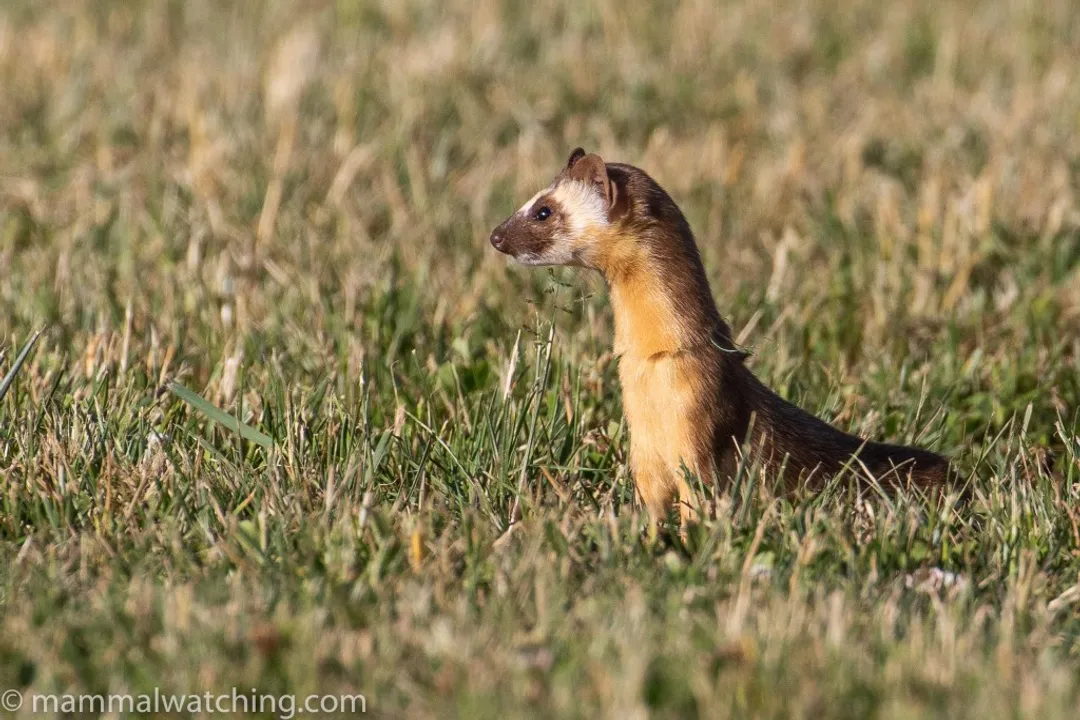
Moving east, the long-tailed weasel maintains its presence in varying landscapes. New York State's weasels favor environments that offer varied hunting opportunities—fields, marshes, and thickets—all serving as necessary travel corridors. [9]
Down south, the long-tailed weasel is present in the northern section of Alabama, where the terrain shifts. Here, they tend to concentrate in woodlands and brushy habitats specifically located close to streams. [4] This regional variation suggests that moisture and riparian habitat might be more critical drivers of location in the warmer, more densely vegetated Southern ecosystems compared to the colder, drier plains regions. [4]
# Shelter Use
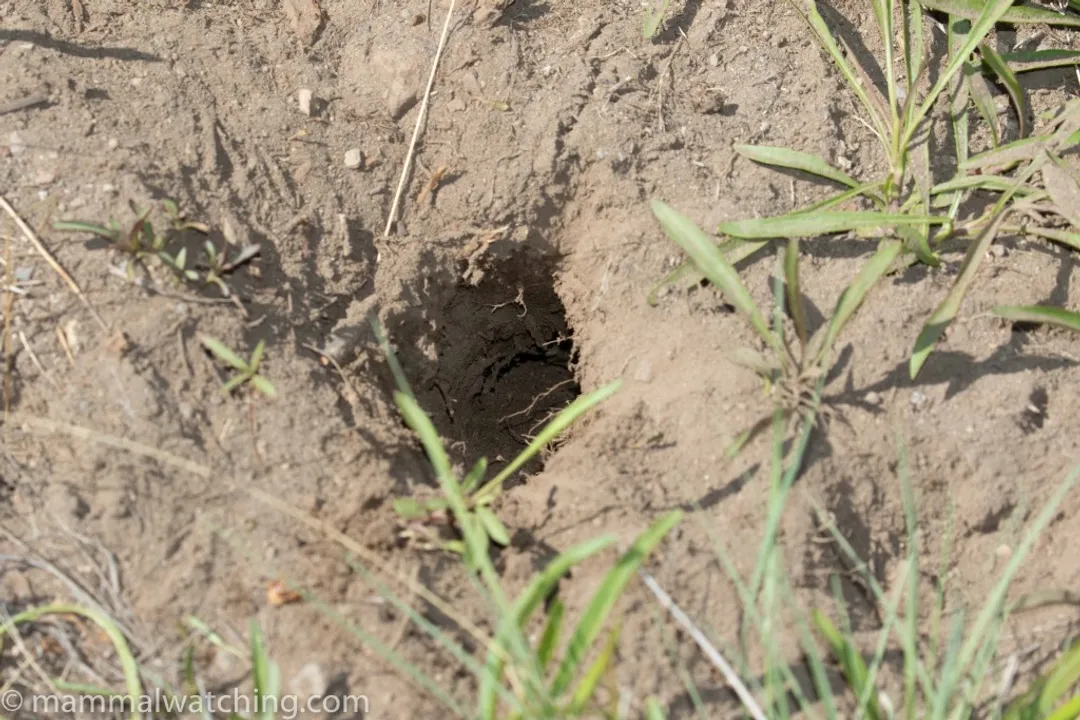
The location where a weasel rests is as important as where it hunts. Weasels are not known for excavating elaborate, permanent homes. Instead, they are adept at utilizing existing structures. [7] This opportunistic approach means that a prime location often contains an abundance of ready-made shelters: the burrows of ground squirrels, mice, or voles; the hollow spaces beneath large rocks; or the interior of decaying logs and woodpiles. [1][7] When observing an area where a weasel is known to frequent, look not just for signs of prey activity, but for the presence of these pre-existing hideouts. [7] If you live near a rural property where old stone walls or large, unmoved stacks of lumber exist, you have accidentally created an ideal weasel sanctuary. [1]
# Habitat Corridors
It is useful to think of weasel distribution not as static points on a map, but as networks of connecting safe spaces. A weasel's daily travel route will string together several high-value locations—a damp meadow for hunting voles, a stream bank for accessing cover, and a pile of debris for a bolt-hole. A failure to spot a weasel often comes down to observing only one part of its territory. For instance, in a suburban interface, the presence of a mature, overgrown shrub border running alongside a drainage culvert creates an excellent, albeit human-influenced, habitat corridor. [9] This small strip of unmanaged land connects a potential food source (like a lawn or field) with essential overhead cover, making the area far more attractive than an equivalent stretch of manicured lawn with no adjacent structure. [1][4] If an area lacks these connecting elements, even if it has good hunting, the weasel may bypass it entirely due to the high risk of exposure during travel. [2]
# Western Territories
The presence of weasels extends along the Pacific coast as well. In Oregon and California, western weasel populations utilize diverse areas, spanning from high-elevation forests to lower riparian habitats. [10] While the specific species found in the far West might differ slightly from those in the East, the fundamental requirement for secure, complex ground cover remains constant across the varied topography these states offer. [6] The density of prey and the type of structure—be it dense undergrowth in a wet forest or the cover provided by scattered chaparral—will ultimately dictate the most suitable location for a sighting. [10]
# Locating a Weasel
For anyone interested in observing these elusive creatures, knowing their preferred locations shifts the search strategy from random wandering to informed observation. Focus on the interfaces: where water meets brush, where stone walls meet open fields, or where dense grasses border woodland. These transition zones provide the necessary hunting opportunities adjacent to immediate safety. Since they are often most active at dawn and dusk, these preferred locations should be watched during those twilight hours. [1][9] While their range is wide, their immediate territory is surprisingly small and intensely utilized, meaning that if you find the right type of cover in a region they inhabit, you are likely very close to their established travel paths. [2][5]
#Videos
How to pick great weasel locations - YouTube
Related Questions
#Citations
Weasel - Hunter Ed
Weasel - Wikipedia
How to pick great weasel locations - YouTube
Long-tailed Weasel - | Outdoor Alabama
DNR: Fish & Wildlife: Weasels - IN.gov
Weasels, Skunks, Badgers and Otters | Oregon Department of Fish ...
Weasels | Wildlife Illinois
Weasel - The Wildlife Trusts
Long-tailed Weasel - NYSDEC
Western Weasels (and a few other things): California and Oregon