Wasp Locations
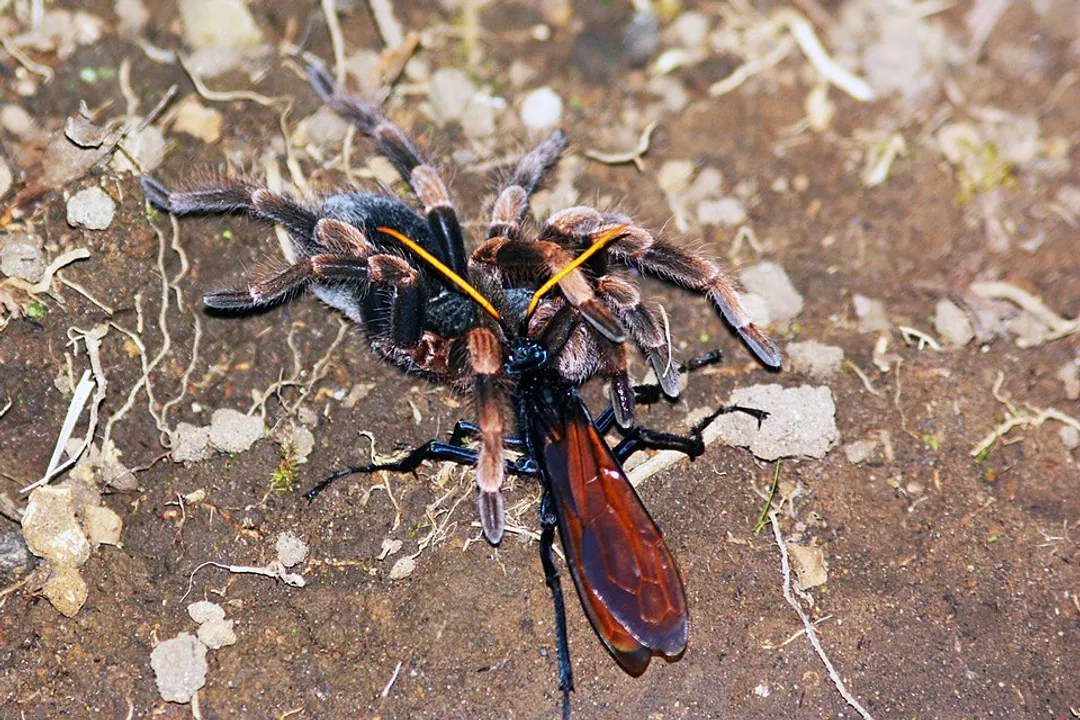
The presence of wasps often becomes a pressing concern when their construction activities interfere with human spaces, making the identification of their preferred nesting sites a matter of practical importance. Wasps, which represent an order with over 12,000 described species globally, exhibit diverse nesting habits influenced by species and local environmental factors. [7] Understanding where they choose to build allows for better avoidance and management, particularly since different types of wasps favor distinct environments. [5]
# Aerial Shelters
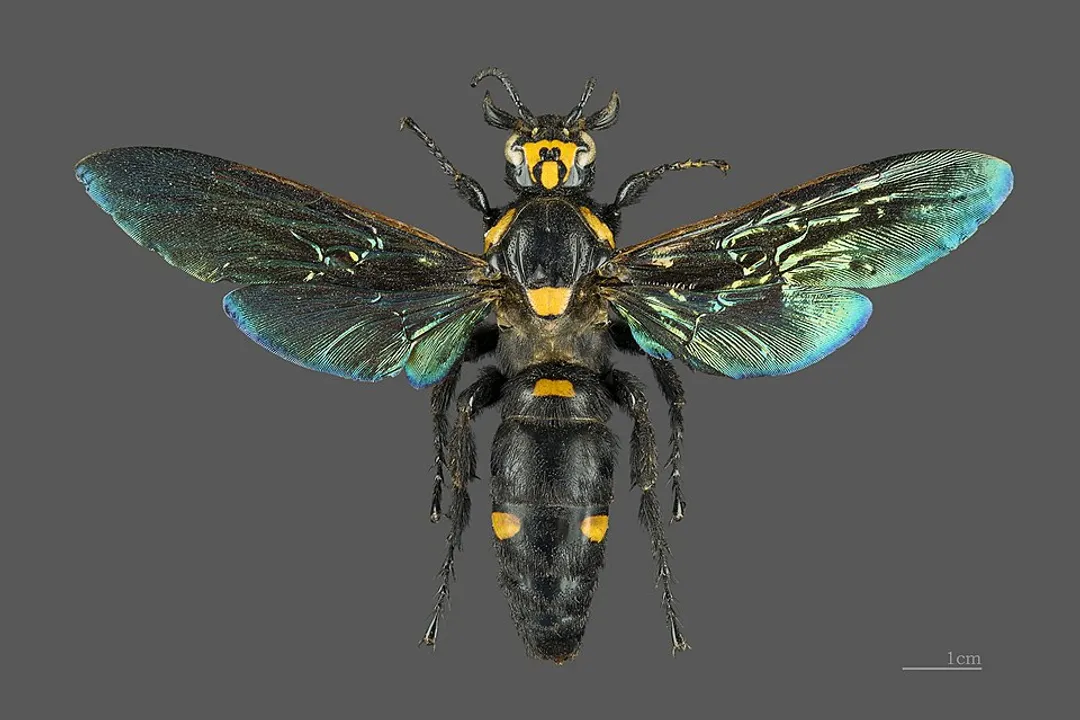
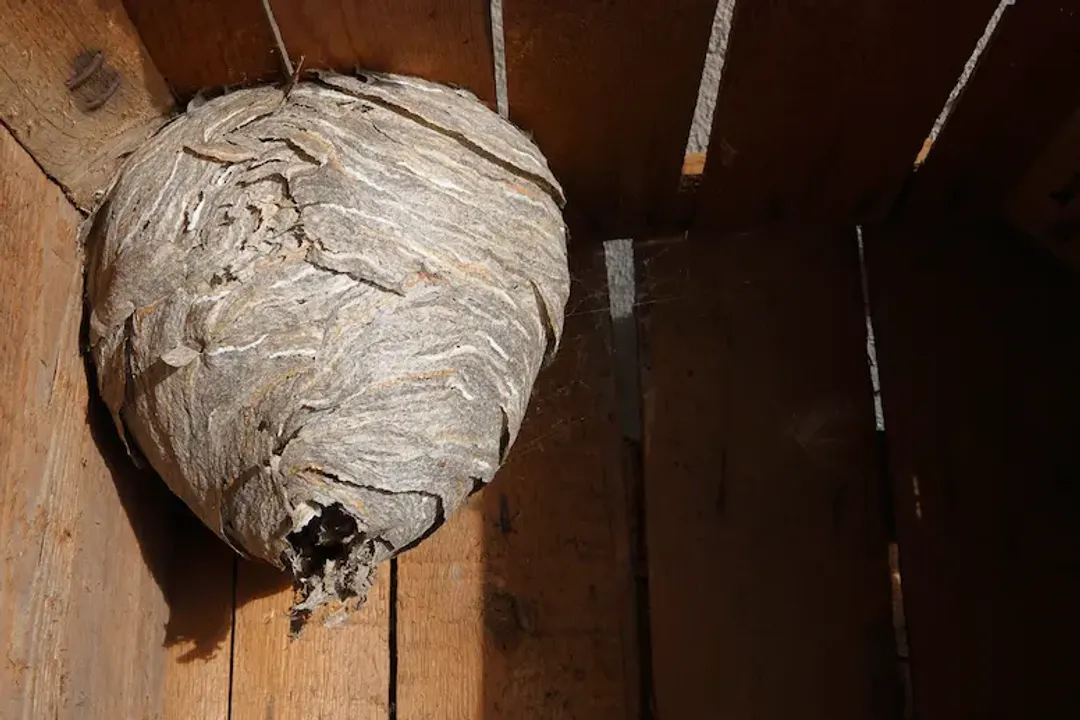
One of the most frequently encountered wasp nesting sites involves aerial structures that offer overhead protection. Wasps commonly seek locations that provide a degree of cover from direct rain and disturbance, often resulting in nests being built in the eaves or overhangs of buildings. [1][2][6][9][10] These spots are attractive because the roofline offers a stable anchor point and a natural shield against inclement weather. [6] Nests found here are frequently constructed from paper pulp created by the wasps, resulting in the familiar papery, gray or tan structures. [3]
Wasps also show a strong preference for nesting in trees and shrubs. [1][6][9] In these natural settings, the structure of the foliage helps conceal the nest, offering protection from predators or passersby. While the general term "wasp" covers a broad range of insects, the social species that construct these visible, exposed paper nests are often the ones located high in branches or dangling from outdoor fixtures. [7] Observing the flight paths of foraging wasps can sometimes indicate the direction of a hidden aerial nest that might be attached to the underside of a deck or porch railing. [2][9]
# Structural Infill
Beyond the exterior overhangs, wasps frequently exploit the sheltered cavities found within human-built structures to construct their colonies. [4] Attics, garages, and sheds represent significant targets for nesting activity. [1][4][5][6][10] These areas provide vast, dry, relatively dark spaces where a developing colony can remain undisturbed for an entire season. [6]
Attics and rooflines, for instance, offer large, often unused volumes that are protected from the elements and offer multiple access points through soffits or gable vents. [4][10] Similarly, detached structures like sheds or garages offer the necessary cover and existing structural elements—rafters, ceiling joists—that serve as ideal attachment points for a new nest foundation. When inspecting these areas, one should look for the characteristic paper-like material or, in the case of some solitary species, mud tubes or simple holes dug into exposed wood. [3]
A critical point for homeowners to consider when assessing structural locations is the role of existing access points. A small gap in siding, an improperly sealed vent cover, or a break in the roof flashing can serve as the initial invitation for a founding queen seeking shelter. [4] If you notice a steady stream of wasp traffic entering or exiting a small, seemingly insignificant opening in your home’s exterior, it is highly likely that a nest is established within the resulting void or cavity. [5]
# Hidden Cavities
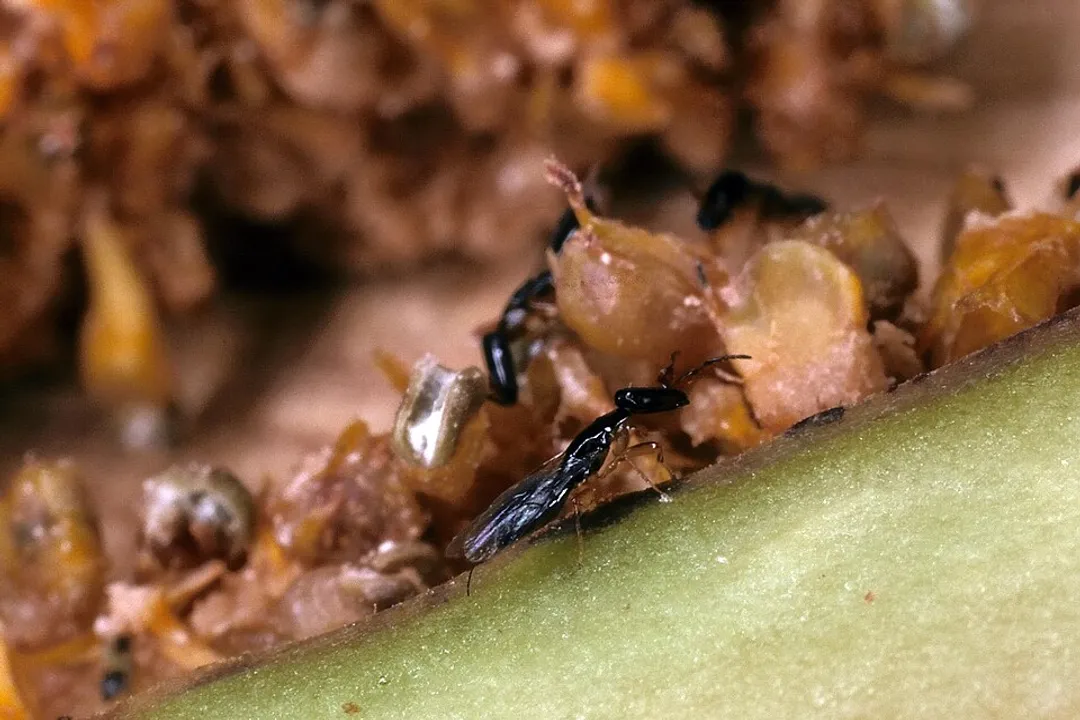
Perhaps the most concerning wasp locations are those completely hidden from immediate view, such as wall voids and crawlspaces. [2][4][5][9] These locations are particularly attractive to social wasps because they offer unparalleled protection from weather fluctuations and human interference, allowing the colony to grow unimpeded throughout the summer months. Nests inside wall voids can be particularly difficult to detect until the population becomes very large or the structure of the nest begins to press against interior finishes like drywall.
Wall voids and crawlspaces share the common feature of being enclosed, insulated environments. When a nest is built deep within a wall, it is often mistaken for an issue with insulation or plumbing until buzzing or activity near an exterior outlet or light fixture becomes noticeable. [4] In a related scenario, some wasps might target less obvious entry points like dryer vents or utility line openings that lead into these protected spaces. [5]
When thinking about hidden nests, it is helpful to contrast the behavior of paper wasps, which build exposed nests, with yellowjackets, which frequently nest underground but may also inhabit wall voids if an entry point is present. [7] A common oversight is failing to check crawlspaces, especially if they have an accessible, dry area beneath the home's structure, which mimics a natural ground burrow but offers better moisture control than a simple hole in the soil. [2]
# Subterranean Sites
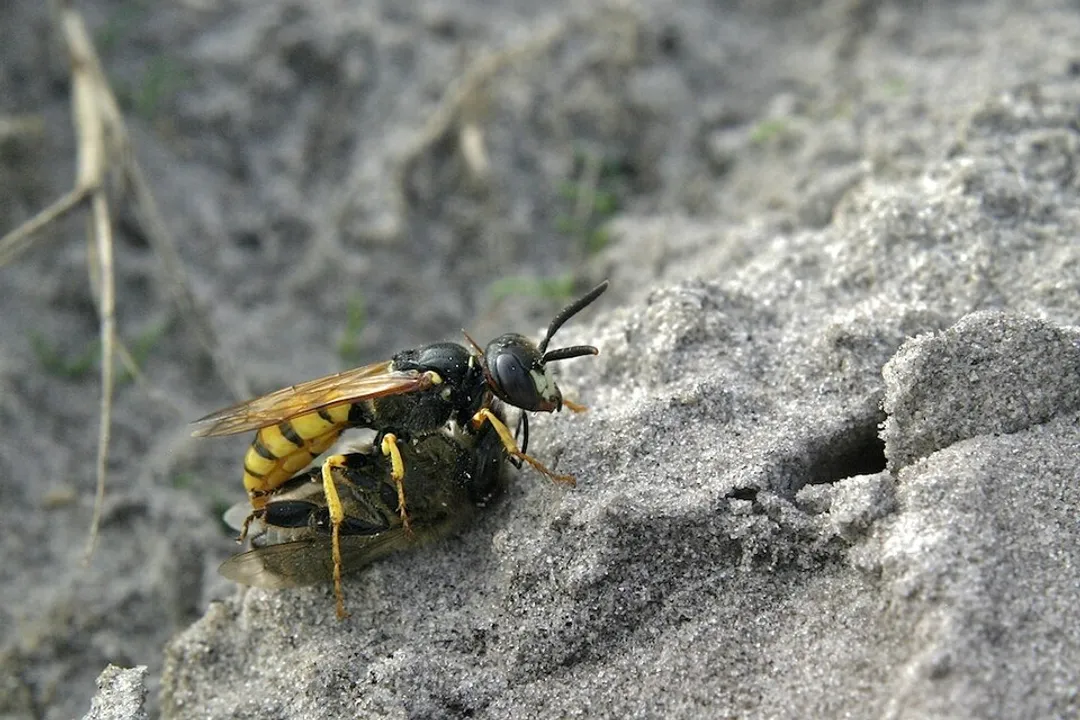
While many associate wasps with visible aerial structures, a significant number of species, most notably certain types of yellowjackets, prefer to establish their colonies underground. [1][9] These ground nests are usually situated in abandoned rodent burrows, natural depressions in the soil, or under dense vegetation that provides camouflage. [1][3] The entrance to a ground nest might appear as a small, distinct hole in the lawn, often near the foundation of a structure, under a deck, or in a shaded corner of the yard. [9][10]
A key difference when dealing with ground nests versus aerial nests is the immediate visual confirmation. A ground nest might go unnoticed until it is accidentally disturbed, such as during lawn mowing or gardening activities, leading to an immediate and aggressive defense response. [1] If you notice consistent, focused traffic—wasps entering and exiting the ground at a single point—it is a strong indicator of a subterranean colony, even if the opening seems small and insignificant. [2]
If you are dealing with an older property, investigating areas where ground settlement has created small tunnels or voids near concrete slabs or patios is worthwhile, as these provide ready-made subterranean chambers that require minimal modification by the wasps. [9]
# Nest Material Variation
The location a wasp chooses is intrinsically linked to the materials it uses to build, which often relates to the species involved. [7] Paper wasps construct nests that look like an open, umbrella-shaped comb, typically attached to a single anchor point under an overhang. [3] In contrast, the nests of species like the European hornet, while still paper-based, can grow quite large and enclosed, often found in hollow trees or sheltered areas like attics. [7][10]
Conversely, mud dauber wasps do not construct the large, papery enclosures seen with yellowjackets or paper wasps. Instead, they use mud to create cylindrical tubes or clustered cells, usually attached to vertical surfaces like the sides of buildings, under eaves, or inside sheltered porch ceilings. [3] Recognizing the material—be it paper, mud, or simply a hole in the ground—is the first step in narrowing down the potential identity of the inhabitants and predicting their likely location pattern. [3]
Here is a comparison illustrating how nesting habits influence site selection across common types:
| Nest Type | Primary Material | Typical Location Profile | Key Distinguishing Feature |
|---|---|---|---|
| Aerial Comb | Paper Pulp | Exposed, open to air, under eaves or branches [1][3] | Open-faced comb structure |
| Enclosed Paper | Paper Pulp | Sheltered voids, attics, wall cavities [4][10] | Large, fully enclosed, opaque structure |
| Ground Nest | Paper/Soil Mix | Abandoned burrows, soil cavities [1][9] | Entry/exit point is flush with the ground |
| Mud Tubes | Mud/Clay | Vertical surfaces, sheltered walls [3] | Distinctive, cylindrical mud cells |
One important pattern to observe, which often dictates location choice over species preference, is the relationship between sunlight exposure and nest initiation. A founding queen will almost universally select a site that receives morning sun to help regulate the nest's initial temperature, but she will avoid an area that receives intense, direct afternoon sun which can lead to overheating later in the season. [6] This subtle thermal preference means that the south-facing side of a structure might be avoided in favor of a more shaded spot on the east or west side, even if both offer similar overhead protection.
Furthermore, while professional advice often focuses on human structures, it is worth noting that if an area is simply undisturbed—a forgotten corner of a shed, an unused chimney flue, or a dense, low-hanging shrub that hasn't been pruned in years—it becomes a viable target for colony establishment. [5][6] The main criteria for a successful wasp nest are generally protection from direct precipitation and minimal vibration or physical disturbance throughout the nesting season. Ignoring low-traffic areas like deep brush piles or seldom-used woodpiles in a yard is a common mistake, as these areas perfectly match the security requirements for subterranean or low-to-the-ground paper nests. [10]
Identifying the precise location is key for safe removal, emphasizing that what looks like a simple hole in the ground might actually be the entrance to a complex, multi-chambered yellowjacket colony that extends several feet beneath the surface, making any ground disturbance a potentially dangerous proposition. [9]
#Videos
How to locate a Wasp Nest and move it to another ... - YouTube
Related Questions
#Citations
5 Common Places You Find Wasp Nests | Dustin Pest Control
5 places where wasps build their nest | Wilson Control
How to Identify Different Types of Wasp Nests
Hidden Wasp Nest Locations & How To Keep Them Out
A Look at the Places Wasps are Most Likely to Infest - Bug Out
How to find the nest, the top 10 wasp nest locations in your home ...
Wasp - Wikipedia
How to locate a Wasp Nest and move it to another ... - YouTube
Where Do Wasps Nest? - Harris Pest Control
Where Do Wasps Nest? Prevention & Removal Tips