Warthog Diet
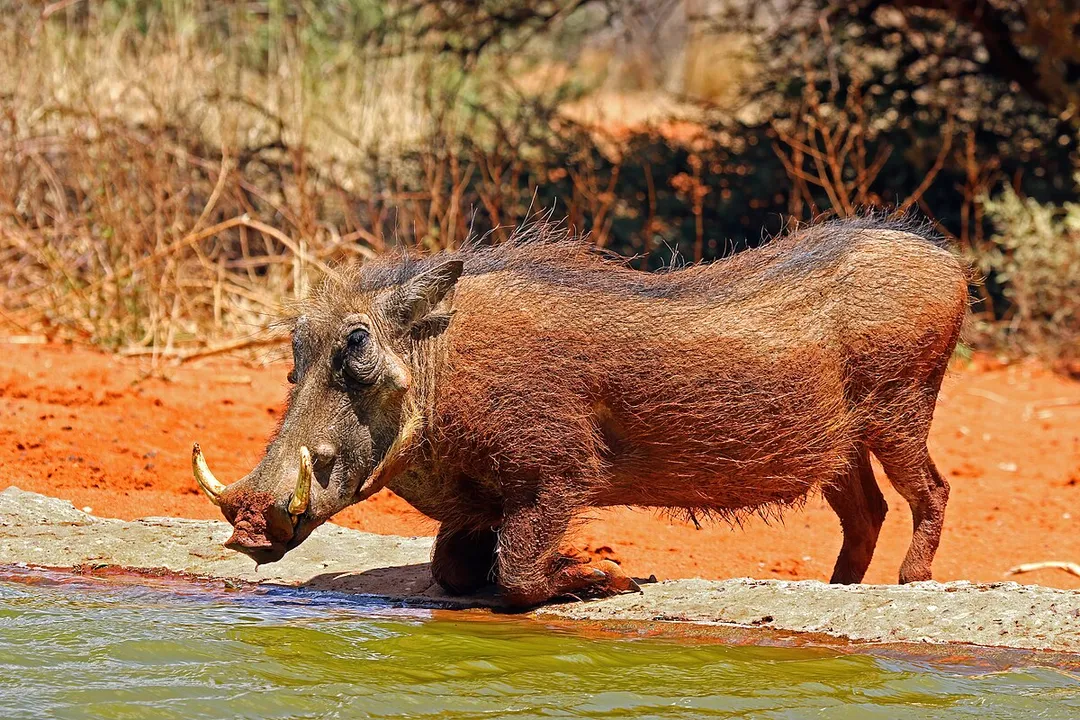
The common warthog, often depicted as a rugged inhabitant of the African savanna, maintains a surprisingly adaptable diet shaped heavily by the season and local availability of forage. While they are classified within the family Suidae—the pigs—their feeding habits lean heavily toward herbivory, though their willingness to supplement their diet showcases a practical flexibility that helps them thrive across various habitats in sub-Saharan Africa. [2][4] Their classification is often debated between strict herbivores and facultative omnivores, a distinction that becomes clearer when observing their behavior during times of scarcity. [1]
# Grasses Roots
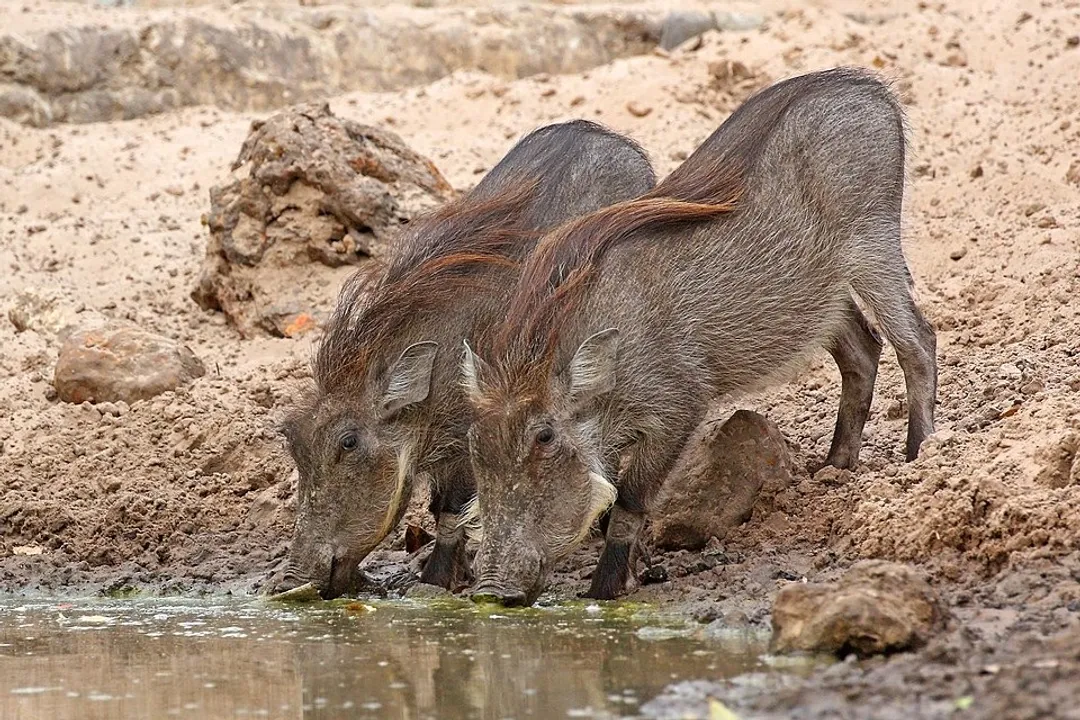
The foundation of the warthog's sustenance is overwhelmingly made up of grasses, which form the bulk of their intake when available. [1][9] They are primarily grazers, meaning they prefer short, fresh grasses, especially during the rainy season when vegetation is lush. [4] However, they are not exclusively grazers. When preferred grasses dry out or become scarce, they shift their focus to browsing—consuming leaves, bark, fruits, and roots from bushes and shrubs. [1][9] This dietary flexibility allows them to persist in arid environments where continuous, high-quality grass growth is impossible. [2]
It is interesting to note the energetic trade-off involved in their preference for grass. While grasses are nutrient-rich when young, warthogs must consume large volumes to meet their energy needs, requiring significant time dedicated solely to grazing. [7]
# Kneeling Foraging
Perhaps the most recognizable aspect of the warthog's feeding strategy is its distinctive posture when eating shorter vegetation or rooting for underground material. Warthogs drop down onto their front knees, which are protected by thick, hardened calluses, allowing them to maintain a low profile close to the ground. [4][10] This kneeling technique is essential because their snout is not ideally suited for vigorous, deep plowing like that of true subterranean root-eaters. [3] By dropping low, they can efficiently clip short, new grass shoots or investigate shallow patches of food with precision. [10]
This posture is crucial when considering niche separation among African herbivores. While larger grazers like wildebeest strip the taller, coarser grass, the warthog’s ability to safely and effectively graze right down to the soil level, often while kneeling, allows them to access the most tender, nutrient-dense parts of the pasture that taller competitors cannot easily reach. [1] They can spend considerable time in this position, sometimes for several hours a day, demonstrating that this method is energetically worthwhile despite the awkward appearance. [7]
# Root Digging
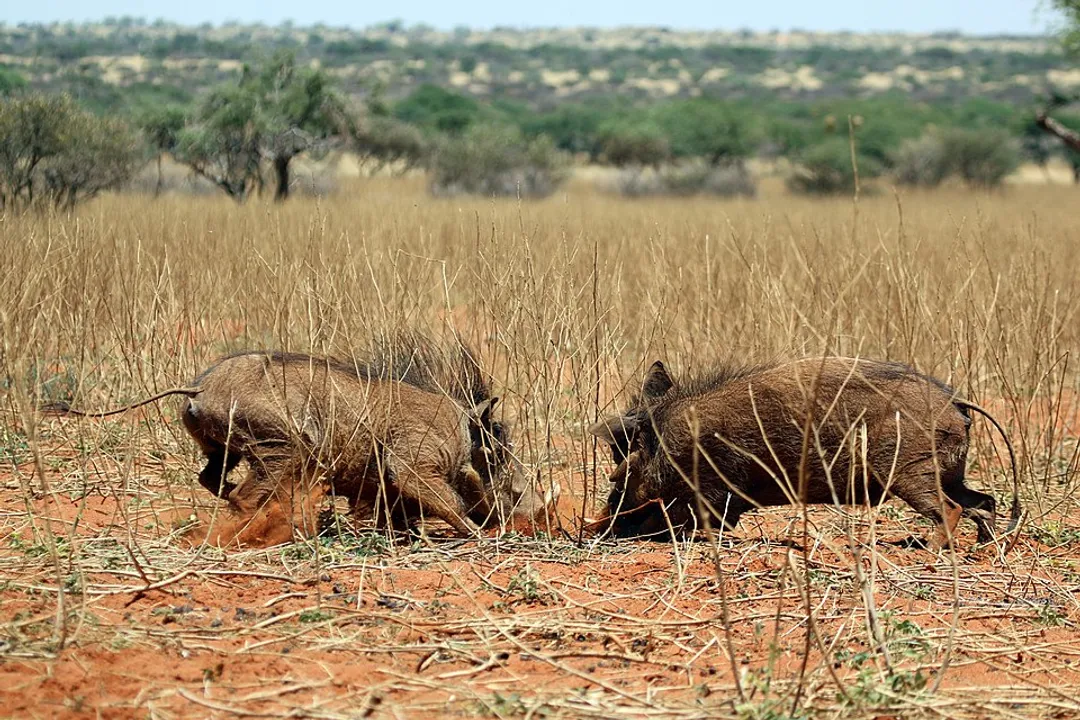
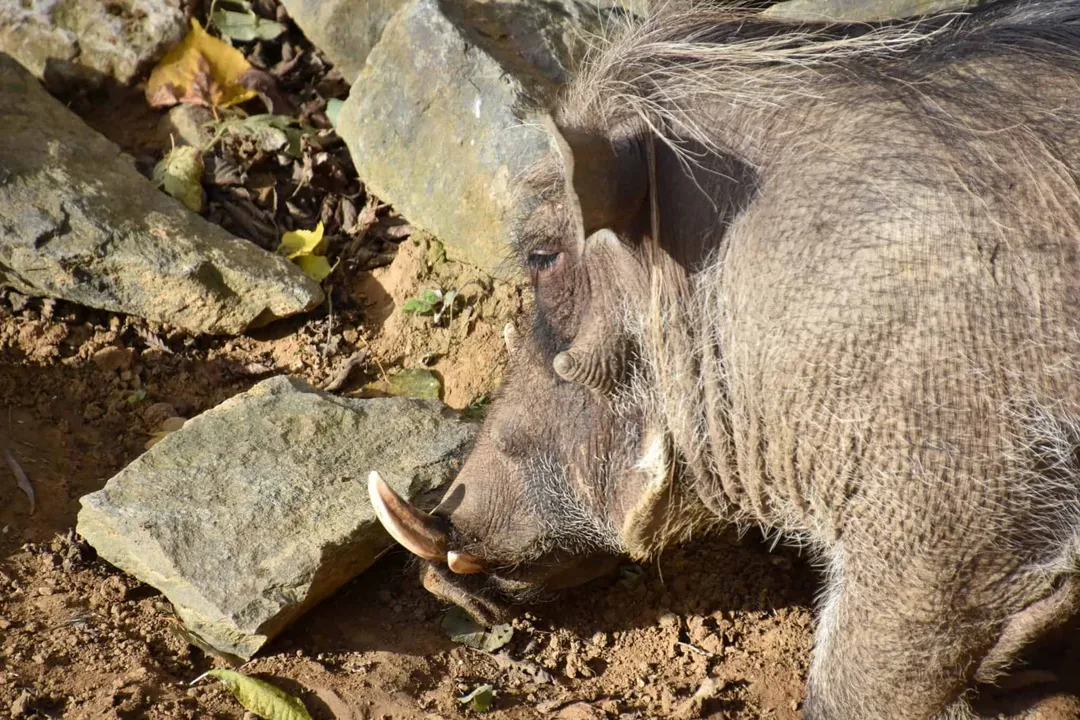
While short grass is preferred, warthogs are adept at digging to supplement their diet, especially when surface forage diminishes. [3][9] They use their tough, flattened snouts, reinforced by powerful jaw muscles, as miniature shovels to unearth bulbs, rhizomes, and tubers. [10] Unlike many pigs that root with their powerful snouts, the warthog’s method is often less destructive to the soil structure, focusing on specific patches rather than broad-scale overturning. [3] This digging activity is usually concentrated in areas where the soil is relatively soft or moist, making the excavation less laborious. [1]
The ability to access underground storage organs provides a vital survival mechanism during prolonged dry spells. These tubers hold moisture and calories that are unavailable in dry, standing grass, acting as a natural pantry for the warthog. [9]
# Scavenging Habits
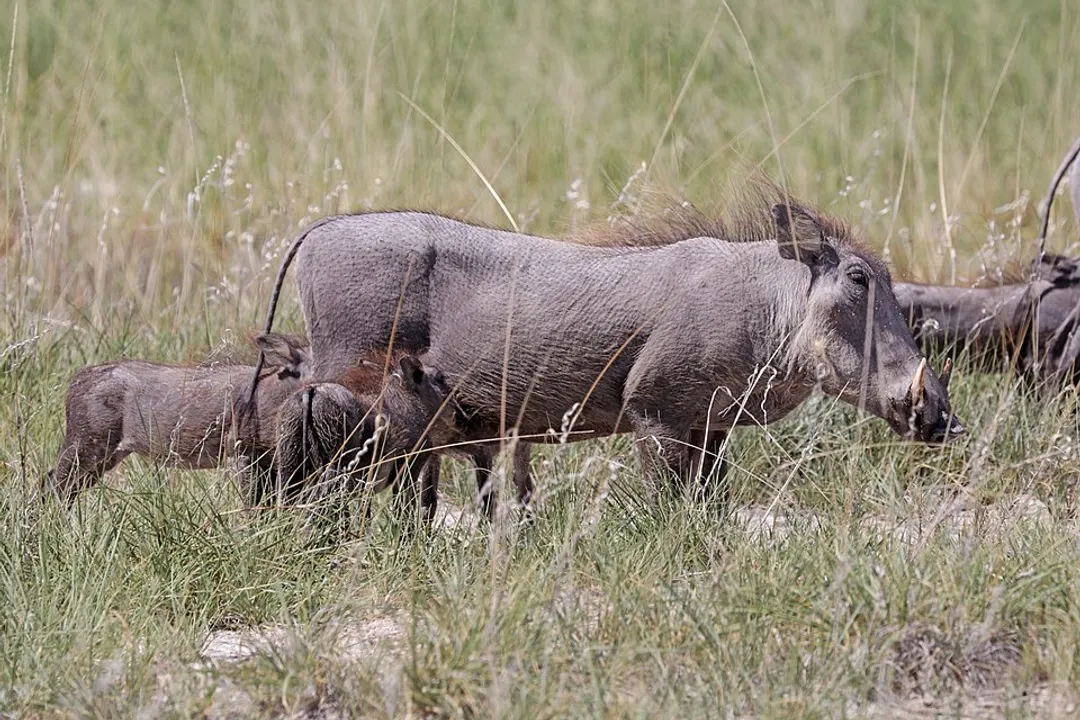
While the vast majority of the warthog diet consists of plant matter, the occasional consumption of animal protein places them on the line between herbivore and omnivore. [1][2] They have been observed eating insects, carrion, and even the young of other small animals when the opportunity arises. [4] This opportunistic scavenging behavior is generally considered a secondary survival strategy, likely employed when plant resources are severely limited or when a high-protein, easily accessible meal presents itself. [1] For instance, consuming grasshoppers or larval insects might provide a concentrated burst of protein that dry grasses lack.
The frequency of this carnivorous behavior varies significantly by location. In zoo settings, this is controlled, often involving manufactured pellets supplemented with greens and vegetables, but the potential for scavenging remains an ingrained part of their wild instinct. [5][6]
# Water Links
The accessibility of water directly dictates what the warthogs are eating at any given time, creating distinct seasonal feeding patterns that influence their overall health. During the wet season, when water is plentiful and grasses are young and palatable, warthogs remain close to water sources and focus almost entirely on high-quality grazing. [9]
When the dry season hits, water bodies recede, forcing the warthogs to travel greater distances to drink. Simultaneously, their diet must shift toward drier, tougher, or underground plant parts like bark, roots, and dry stems. [2] This transition places higher stress on their digestive systems, which are generally adapted for more succulent forage. [1] Thinking about this seasonally, a local farmer might notice that during the peak dry spell, warthogs concentrate their rooting activities near dried-up riverbeds or under large, drought-resistant acacia trees, effectively mining moisture and nutrients from localized spots that other grazers cannot reach. [2]
# Dietary Value
The nutritional profile of the warthog’s diet is determined by the balance between these different food types. Grasses provide the necessary bulk and carbohydrates. [7] However, the crucial mineral intake, particularly sodium, is often sought out through specialized means. Warthogs are known to visit natural salt licks, an activity crucial for balancing electrolytes that might be missing from a purely grass-based diet. [1]
Another interesting factor related to their digging is the localized disturbance they cause. While not as intense as true rooting pigs, repeated warthog rooting in a specific area can actually aerate the soil slightly, potentially benefiting the germination of certain pioneer grass species the following season. This gentle turning of the topsoil, while primarily for self-feeding, inadvertently contributes to the local ecosystem’s structure. [3]
In captivity, diet planning must mimic this natural fluctuation. A captive warthog’s diet often centers around hay and specialized herbivore chow, supplemented with fresh vegetables like carrots, sweet potatoes, and sometimes alfalfa, ensuring they receive the necessary roughage and vitamins without the stress of seasonal extremes. [5][6] However, even in controlled environments, the provision of browse material—branches and leaves—is important for maintaining natural behaviors and dental health. [5]
Related Questions
#Citations
Diet & Feeding - Common Warthog (Phacochoerus africanus) Fact ...
Common warthog - Wikipedia
Warthogs: Facts, Diet, Habitat, Threats, & Conservation | IFAW
What Do Warthogs Eat? - A-Z Animals
Common warthog | Kiezebrink Focus on Food
Warthog facts and conservation status in Africa - Facebook
Warthogs Diet, Habitat & Lifespan - Study.com
Common Warthog - Zoo Atlanta
Warthog - Food and Feeding | Better Planet Education
Warthog | San Diego Zoo Animals & Plants