Warbler Physical Characteristics
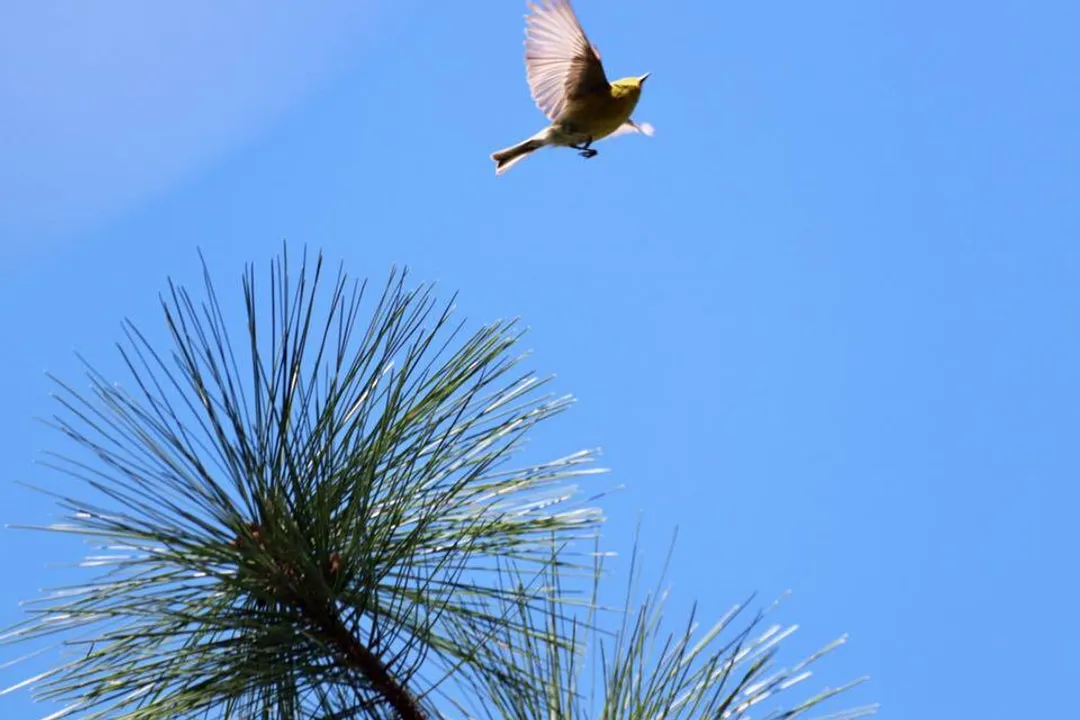
The sheer diversity within the group commonly labeled as "warblers" can be surprising, especially considering they are generally small, active songbirds. While they share an ecological niche as insectivores, their physical characteristics—from the overall size down to the precise shade of a wing bar—vary significantly enough to make field identification both a challenge and a delight for birdwatchers. Understanding the subtle physical traits that distinguish one species from another is key to appreciating this large family of birds.
# Body Shape
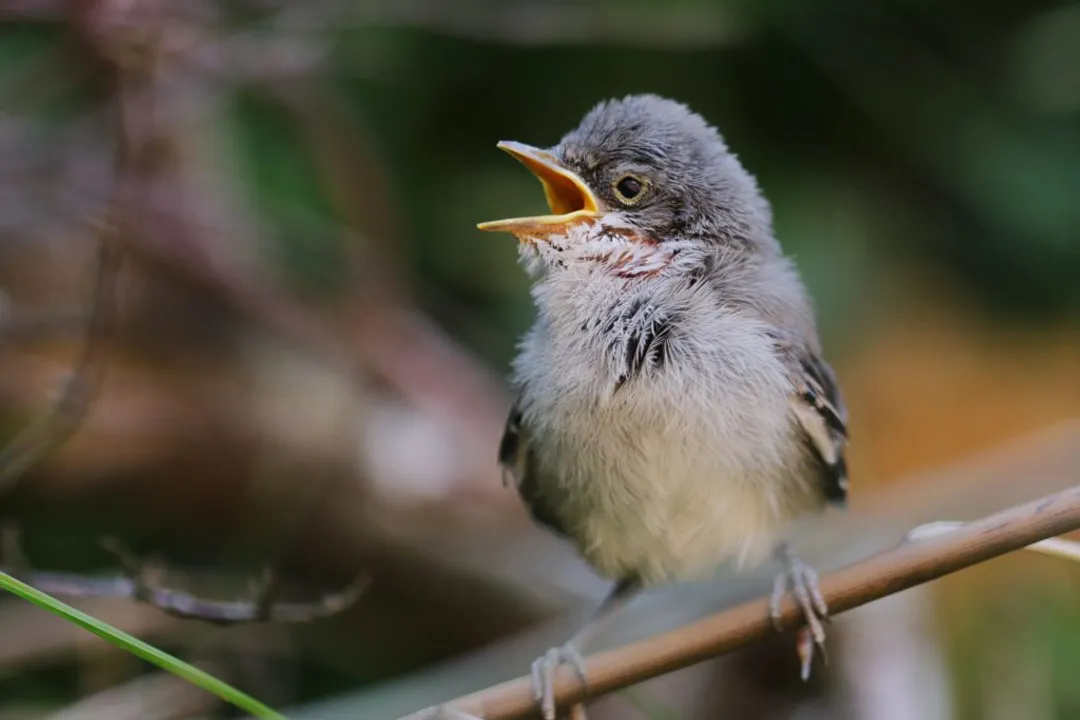
Warblers are typically characterized by a small to medium size when measured against other songbirds. They possess a relatively slender build, which contributes to their reputation for being constantly flitting and energetic as they move through foliage. Their posture, even when perched, often suggests alertness and readiness to dart out for prey. While generalization is difficult across hundreds of species, the general silhouette is light and somewhat delicate.
A feature often linked to their feeding strategy is the bill. Warblers possess bills that are thin and pointed, well-suited for snatching small insects from surfaces or picking them out of crevices in bark and leaves. Observing the bill structure in context with foraging behavior is helpful; those that spend a lot of time gleaning fine details from surfaces, like some of the black-and-white striped species, often have bills optimized for probing tiny spaces, whereas species known for aerial flycatching might have slightly broader bases to their bills, though the thinness remains a general characteristic.
# Plumage Patterns
Coloration is where warblers truly showcase their variability. Many species exhibit vibrant, striking plumage, particularly the males during the breeding season, though other individuals might appear much duller or more cryptic. It is often the patterning of colors, rather than just the colors themselves, that offers the best clues for identification.
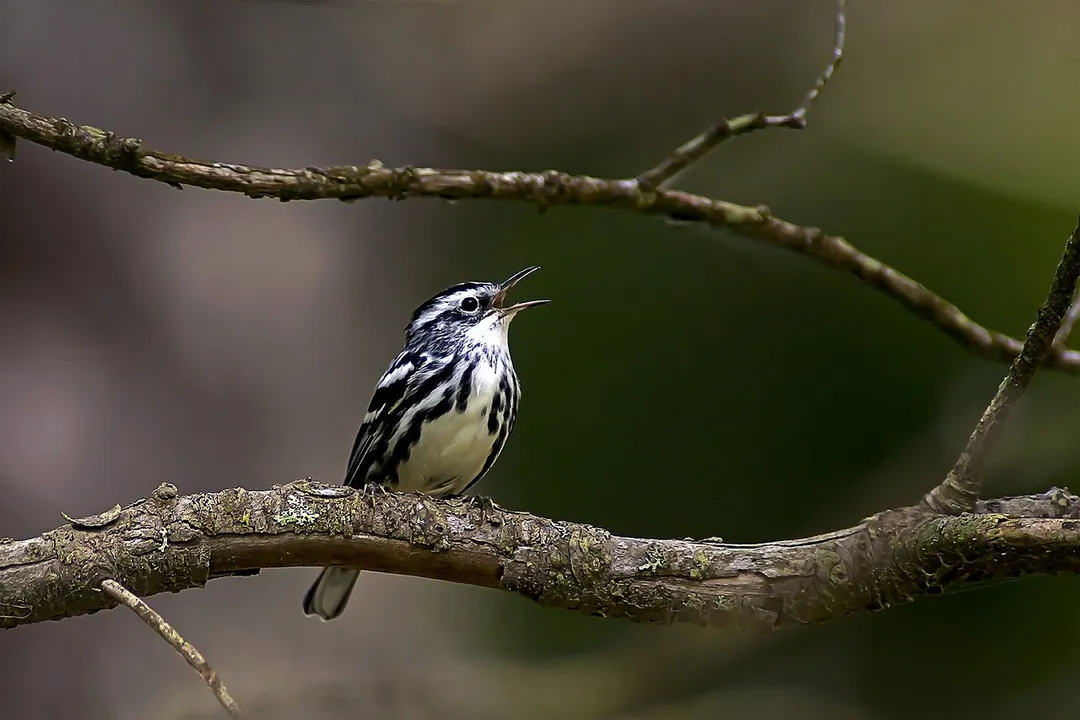
For example, looking at the Cerulean Warbler reveals a striking blue back paired with white undersides, further accentuated by a pale blue throat patch and white wing bars. Contrast this with the Hooded Warbler, where the male presents bright yellow underparts set against an olive-green back, often sporting a distinctive black throat and chest bordered by yellow. Then there is the Black-and-white Warbler, which abandons bright color for a stark, highly visible pattern of black and white stripes running across its head, back, and underside. This striped appearance is highly distinct within the warbler group, offering a reliable field mark even from a distance.
When observing a warbler, a crucial analytical step is to mentally filter out the dominant color first, and then focus intently on the markings. Is there a white patch on the wing? How many distinct wing bars are present? Is there a prominent eye-ring? These specific patterns often remain consistent across sexes and ages, making them more trustworthy identification markers than the overall brightness of the bird, which can fluctuate significantly due to lighting or seasonal molt.

# Facial Details
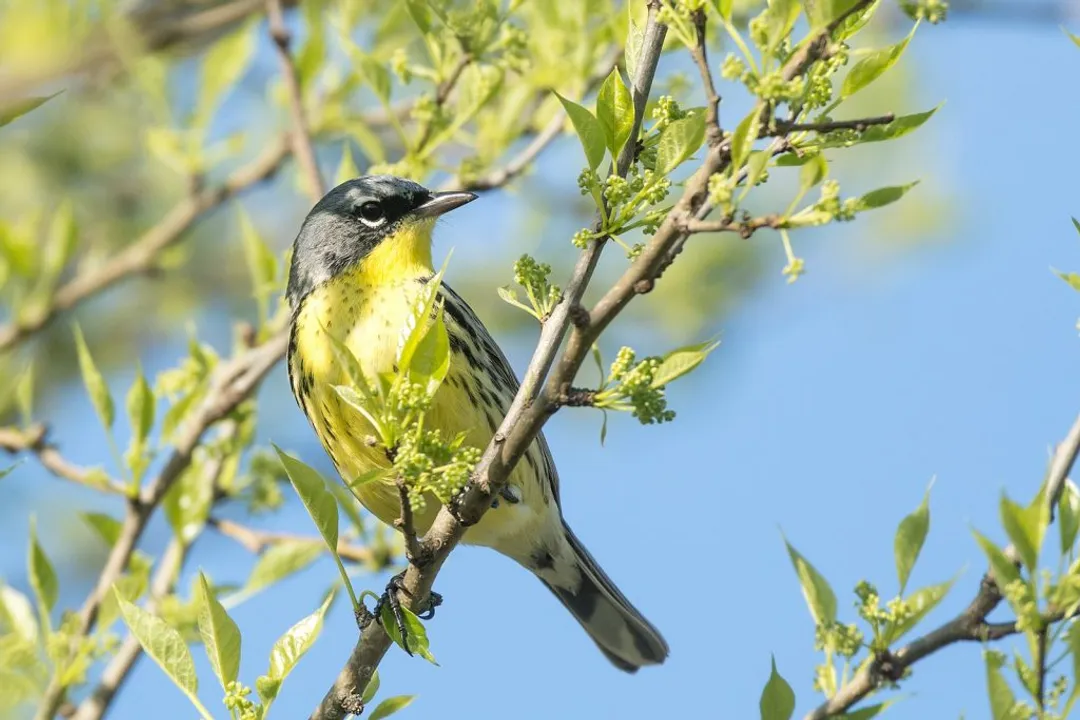
The head region provides some of the most reliable features for separating closely related species. Features such as eye rings, eye stripes, or throat patches serve as critical identifying marks.
Consider the Pine Warbler. It is generally yellowish, but its identity is solidified by noticing two white wing bars and a distinct white eye-ring. The rump of this species is also often yellowish, which is another specific detail to confirm when the bird is moving away. Similarly, the Cerulean Warbler’s identification hinges on that combination of blue, white bars, and the specific pale blue throat patch.
Many warblers use unique facial markings to signal to mates or rivals. The intensity of a black throat on a male Hooded Warbler versus the yellow throat of the female, for instance, shows sexual dimorphism—a difference in appearance between the sexes. Understanding this sexual difference is necessary when trying to identify an individual in the field; a drab bird might not be an immature or female of a brightly colored species, but an entirely different, perhaps less colorful, species altogether.
# Appendage Details
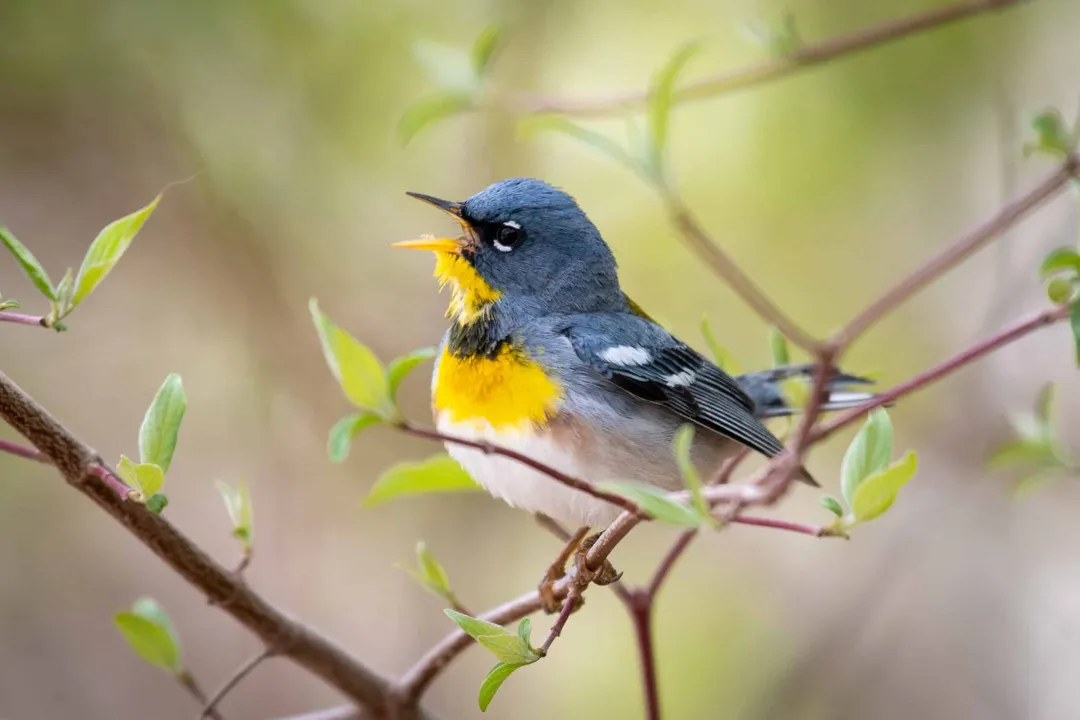
The structure and coloration of the wings and legs contribute further to identification. As mentioned, wing bars—stripes created by the tips of the wing feathers—are a frequent feature. The number, color (white, buff, or yellow), and presence or absence of these bars are primary characteristics used by field guides.
Leg color, though less frequently discussed than plumage, can also be helpful. While many warblers have slender, pale legs typical of passerines, these details can sometimes help rule out similar-looking species if the observer has good views. For instance, while not strictly a warbler feature but relevant in identification discussions, some closely related birds might have dark legs versus pale ones. Warblers generally possess slender legs suitable for clinging to leaves and twigs while foraging, supporting their active lifestyle.

# Species Examples
To illustrate how these characteristics combine, examining a few well-documented species shows the spectrum of physical traits.
The Pine Warbler, often found in pine forests, presents a relatively subdued palette compared to some tropical species, typically appearing yellowish with those aforementioned two white wing bars and a white eye-ring. It is considered medium-sized for a warbler, offering a good baseline for comparison.
In stark contrast is the Black-and-white Warbler, which looks more like a miniature nuthatch than a typical yellow-and-green warbler. Its entire body is patterned with black and white stripes, a physical characteristic that makes it remarkably easy to spot as it creeps along branches and trunks, often head-down. This specific coloration and movement pattern effectively separates it from nearly all other warblers in its range.
The Cerulean Warbler presents an intermediate level of color complexity, relying on sharp blue and white contrasts, especially the neat, horizontal white bars across its wings. The male’s bright blue cap and back make it distinct among its relatives, though the female is notably duller, shifting observers back toward focusing on the wing markings for confirmation.
When documenting warblers in a new area, it is often beneficial to create a quick personal matrix comparing observed features. For instance, if you spot two different warblers in the same shrub, note: Bird A (Yellowish, 2 white wing bars, definite white eye-ring) vs. Bird B (Olive back, strong black throat patch, bright yellow below). This simple, on-the-spot comparison of physical traits solidifies the memory and aids in later verification far better than trying to recall vague impressions of "yellowish" or "streaky" later in the day. This methodical approach, focusing on measurable or distinct physical attributes, turns casual observation into reliable identification experience.
Related Questions
#Citations
Warblers 101 » Everything You Need To Know - Bird Buddy Blog
warbler - Kids | Britannica Kids | Homework Help
Pine Warbler Identification, All About Birds, Cornell Lab of Ornithology
Warbler Bird Facts - A-Z Animals
[PDF] WARBLERS OF OHIO field guide
Ask Kenn: What Exactly Is a Warbler? - National Audubon Society
Dendroica discolor (prairie warbler) - Animal Diversity Web
Cerulean Warbler - National Park Service
black-and-white warbler - BioKIDS