Walrus Evolution
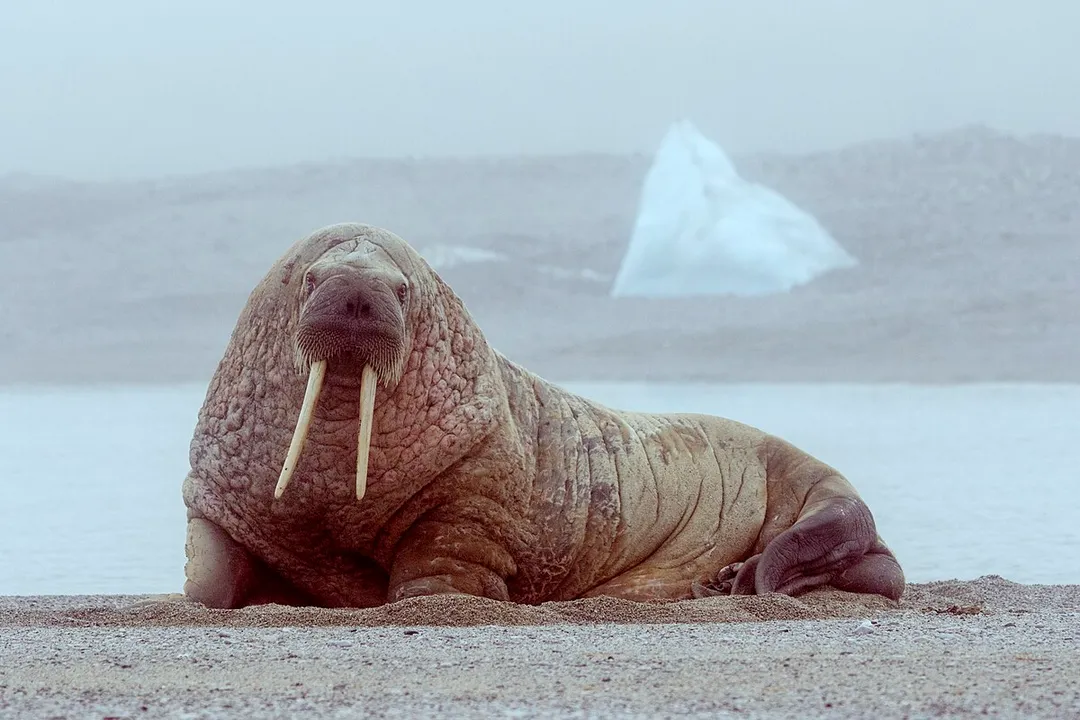
The story of the walrus, that distinctive, whiskered behemoth of the Arctic, is far more complex than just a giant, tusked mammal clinging to the ice. Tracing its lineage requires diving deep into the fossil record, moving across continents, and piecing together a family history that separates it from its streamlined relatives, the seals and sea lions. The modern walrus, Odobenus rosmarus, is the sole survivor of a diverse and ancient group known as Odobenidae, a testament to the dramatic environmental shifts that shaped marine life over tens of millions of years. Understanding where they came from reveals a lineage that once spread across warmer, ancient seas, far from the frigid waters they inhabit today.
# Pinniped Kinship
To appreciate the walrus's unique evolutionary path, we first need to place it correctly within the pinniped family tree. Pinnipeds, which include modern seals, sea lions, and walruses, are marine mammals that evolved from land-dwelling ancestors. For a long time, the exact branching order was debated, but recent comprehensive genetic studies have helped solidify our understanding of these relationships. Walruses are grouped in their own distinct family, Odobenidae, which means they are not simply an offshoot of the true seals (Phocidae) or the eared seals (Otariidae).
The evolutionary split that separated the walrus lineage from the ancestors of modern seals and sea lions occurred quite early in the pinniped timeline. This separation happened before many of the features we associate with modern pinnipeds—like fully aquatic lifestyles or specialized feeding methods—became fixed. Think of it like a family tree where three siblings took very different paths early on: one line led to the swift swimmers (seals), another to the clumsy walkers (sea lions), and the third, the Odobenids, took a path defined by massive size and, eventually, those enormous ivory projections.
# Early Lineage
The very earliest true pinnipeds began their transition from land to sea approximately 25 to 30 million years ago. These ancestors were likely adapted to coastal life, perhaps resembling modern otter-like carnivores with flipper-like paws. The walrus stem lineage followed this general trend, moving into the marine environment, but the ecological niche they began to fill was quite different from that of their cousins.
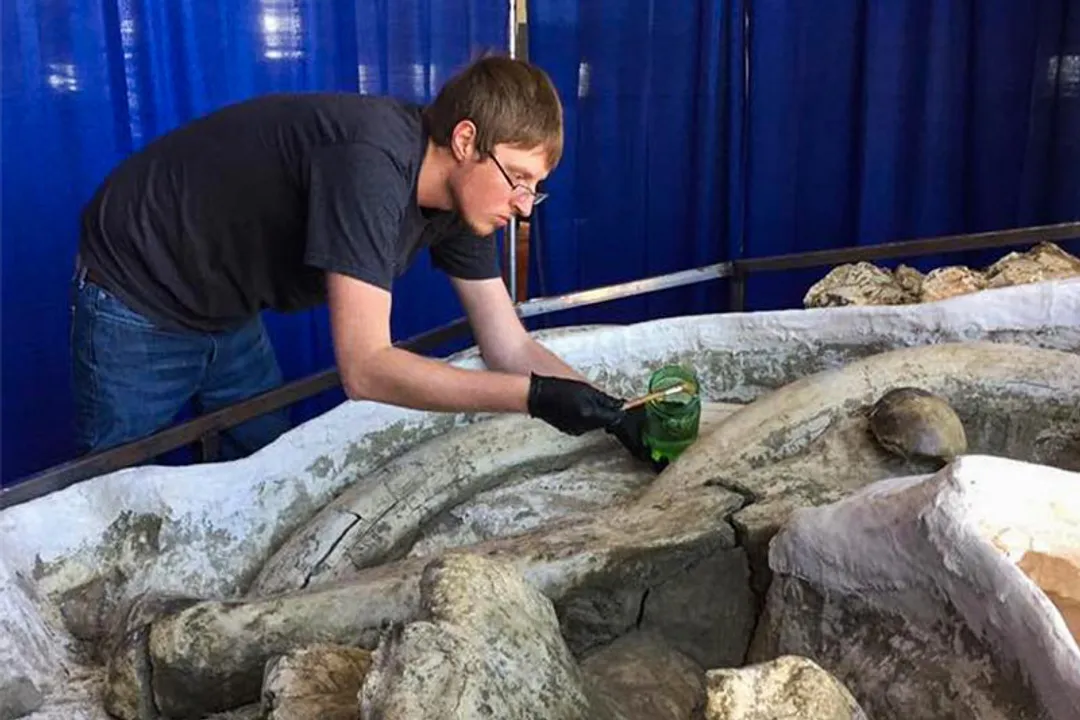
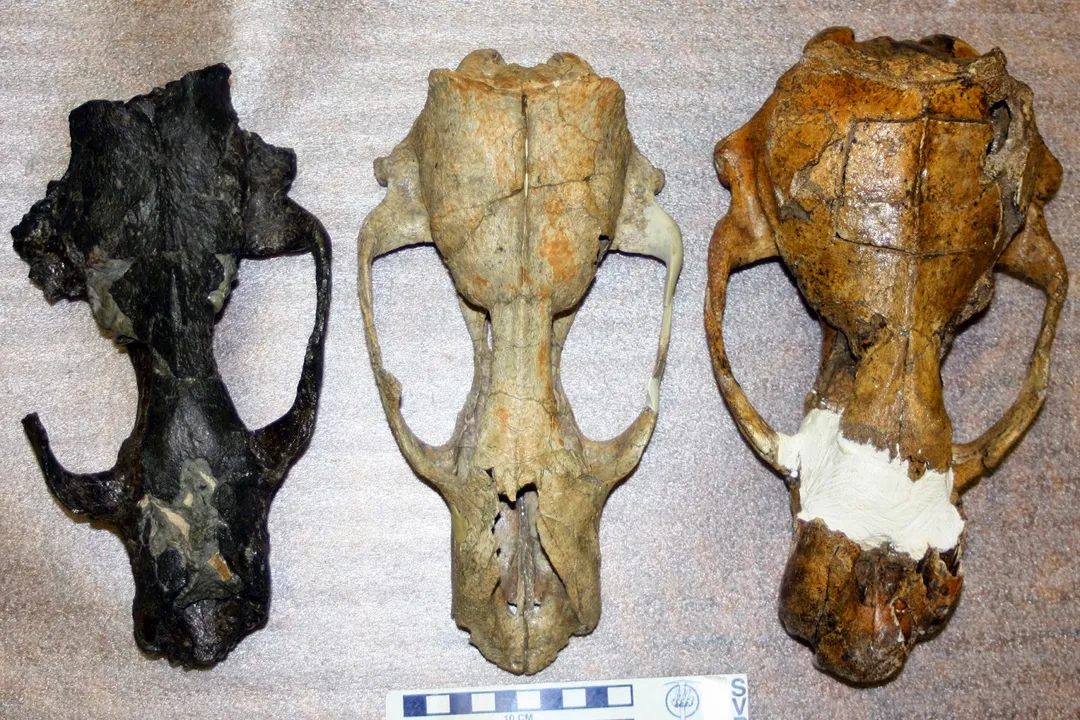
Fossil evidence paints a picture of a much broader, warmer distribution for these early relatives than the current Arctic restriction suggests. Paleontological finds, particularly in areas like Orange County, California, highlight this ancient diversity during the Miocene epoch. Discoveries there have unveiled at least three distinct extinct walrus species, suggesting that the family was flourishing across vast areas before major global cooling events. These ancient forms, such as species related to Pontolis, were part of a rich ecosystem that supported several different large, specialized marine mammals. Considering the modern walrus is restricted to the far north, it is fascinating to note that their evolutionary cradle was geographically much more temperate, suggesting a later, specialized adaptation to the polar regions.
# Tuskless Ancestors
One of the most striking features of the modern walrus is its tusks, yet its ancient relatives often lacked them entirely. The initial members of the Odobenidae family, or immediate ancestors thereof, actually looked much more like a robust sea lion than the modern blubbery giant. They possessed the general body plan suitable for hauling out on land and navigating the water, but without the defining dental armament.
For instance, fossils like Pontolis magnus are described as an ancient walrus cousin that lacked tusks altogether. This suggests that the ability to evolve into a walrus—the foundational body structure—was present before the evolution of the enormous canines that give the group its name, which literally means "tooth-walkers". The diversification we see in the fossil record, with multiple genera coexisting, shows that there was plenty of room in the ancient marine ecosystem for specialized grazers and bottom-feeders that didn't rely on massive ivory tusks for survival or display. This historical lack of tusks emphasizes that they are a derived trait—a special feature that evolved within the walrus lineage, rather than an ancient characteristic shared by all pinnipeds.
# Tusk Development
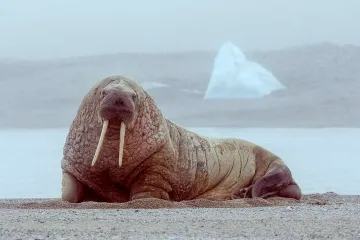
The evolution of the tusks is perhaps the most dramatic chapter in the walrus story. These are not horns or antlers; they are dramatically elongated upper canine teeth made of dentin, lacking enamel on the outside. The evolutionary pressures driving this development are complex and likely involved several factors rather than just a single selective advantage.
In many contemporary discussions, there is a tendency to simplify the function of these large structures, often focusing only on their use for breaking ice or defense. However, the development of such energy-intensive structures implies significant benefits, likely tied to sexual selection and dominance displays, similar to those seen in elephants. While elephant tusks and walrus tusks—both modified canines—evolved independently, they demonstrate a recurring theme in large mammal evolution: the modification of teeth for roles beyond simple mastication.
The timeline for the appearance of prominent tusks is later than the initial emergence of the Odobenid group. As the climate cooled and the Arctic environment became more dominant, the need to access benthic food sources through thick ice or snow cover may have favored those with robust ivory projections, giving them an edge in feeding efficiency or defense against other predators. If we were to plot the major evolutionary changes against the global temperature curve, the emergence of large tusks would likely correlate with periods of increasing sea ice extent, suggesting an adaptation to a more demanding, seasonally frozen habitat.
# Surviving Lineage
The massive radiation of extinct walrus forms eventually contracted sharply. By the time the Pliocene and Pleistocene epochs brought about the colder climates that defined the modern Arctic, most of the diversity seen in the Miocene had vanished. The surviving lineage coalesced into the genus Odobenus.
Today, the Odobenus rosmarus stands alone. This is a common pattern in evolution: periods of great diversity followed by environmental bottlenecks that prune the family tree, leaving only the most adaptable species remaining. The modern walrus is superbly adapted to its environment, using its highly sensitive whiskers, or vibrissae, to feel for clams and other benthic invertebrates on the seafloor, a feeding strategy that likely evolved from the feeding habits of its earlier, perhaps less specialized, relatives.
It is worth noting the specialized nature of the modern walrus compared to its relatives. While sea lions and seals have adapted primarily for speed and streamlining in the water column, the walrus evolved towards greater bulk and specialization for bottom-feeding in shallow, icy waters. This specialization means that while they are incredibly successful in their specific niche, they are also particularly vulnerable to major shifts in sea ice availability—a direct consequence of the environment they specialized to inhabit over millions of years. If the primary substrate for their specialized foraging—stable sea ice—disappears, the evolutionary success story quickly turns into an existential challenge.
# Comparative Morphology
Comparing the anatomy of the three living pinniped families helps illuminate the walrus's evolutionary journey. Sea lions (Otariidae) are characterized by large external ear flaps and the ability to rotate their hind flippers forward to "walk" on land. True seals (Phocidae) lack external ears and move on land by undulating their bodies in a "galumphing" motion. Walruses share some locomotion features with sea lions, particularly the ability to rotate their hind flippers, but their overall morphology—massive neck musculature, extremely thick skin, and, critically, the tusks—sets them apart entirely.
A useful way to visualize this is by comparing the structure of the skull that supports the tusks. The presence of tusks required significant remodeling of the rostrum (the snout area) to anchor these large teeth. This morphological change would have necessitated changes in jaw muscle attachment and overall skull strength, a significant investment compared to the tuskless forms that preceded them. It appears the shift favored a heavy, specialized structure over the lighter, more generalized skull of its early relatives, signaling a firm commitment to a benthic foraging lifestyle where brute force or display was prioritized.
| Feature | Modern Seal (Phocidae) | Modern Sea Lion (Otariidae) | Modern Walrus (Odobenidae) |
|---|---|---|---|
| External Ears | Absent | Present (small flaps) | Absent |
| Hind Flippers | Cannot rotate forward | Can rotate forward (walk) | Can rotate forward |
| Tusks | Absent | Absent | Present (modified canines) |
| Primary Niche | Pelagic/Open Water Foraging | Coastal/Rock Hauling | Benthic/Ice-Associated Foraging |
| Ancestry Split | Early | Early | Earliest to diverge from other two families |
This table illustrates that while the walrus shares a basic adaptation for swimming with both groups, its dental and head morphology places it on its own distinct evolutionary track, a track that once included several successful, large-bodied variants. The modern walrus is thus not just an outlier; it is the sole surviving representative of a once-thriving evolutionary experiment in large, specialized pinnipeds. The sheer difference between the California Miocene fossils and the Arctic resident highlights that evolution rarely follows a straight, predictable path toward a single "best" form.
# Ice Age Adaptation
The final critical step in the walrus story is its adaptation to the Arctic, a process that solidified its current form and led to the demise of its warmer-water cousins. As the Earth cooled significantly, the ancestral habitat of the Odobenids shrank and became increasingly dominated by ice sheets and frigid seas. Species that could efficiently exploit the rich, shallow-water benthos beneath the seasonal ice cover gained a massive selective advantage.
This adaptation was highly successful in creating the resilient, massive animal we recognize, but it also pinned the species to a very specific, changing environment. The evolutionary lineage that produced Odobenus rosmarus managed to navigate the environmental pressures of the late Cenozoic, but their deep evolutionary history—with its roots in warmer, more diverse coastal ecosystems—serves as a reminder of their long, winding path to the ice edge.
#Videos
The Evolution of Seals, Sea Lions, and Walruses - YouTube
How the Walrus Got Its Tusks - YouTube
Related Questions
#Citations
Walrus - Wikipedia
The evolutionary history of walruses, part 1: Introduction, and the ...
Most comprehensive seal family tree reveals the hidden history of ...
The Evolution of Seals, Sea Lions, and Walruses - YouTube
The surprising evolutionary heritage of the Atlantic walrus as ...
Odobenus rosmarus (walrus) | INFORMATION - Animal Diversity Web
How Did Elephants and Walruses Get Their Tusks? It's a Long Story.
Paleontologists Uncover Three Species of Extinct Walruses in ...
Walruses did not always have tusks: Archaic walrus - Earth Archives