Wallaby Locations
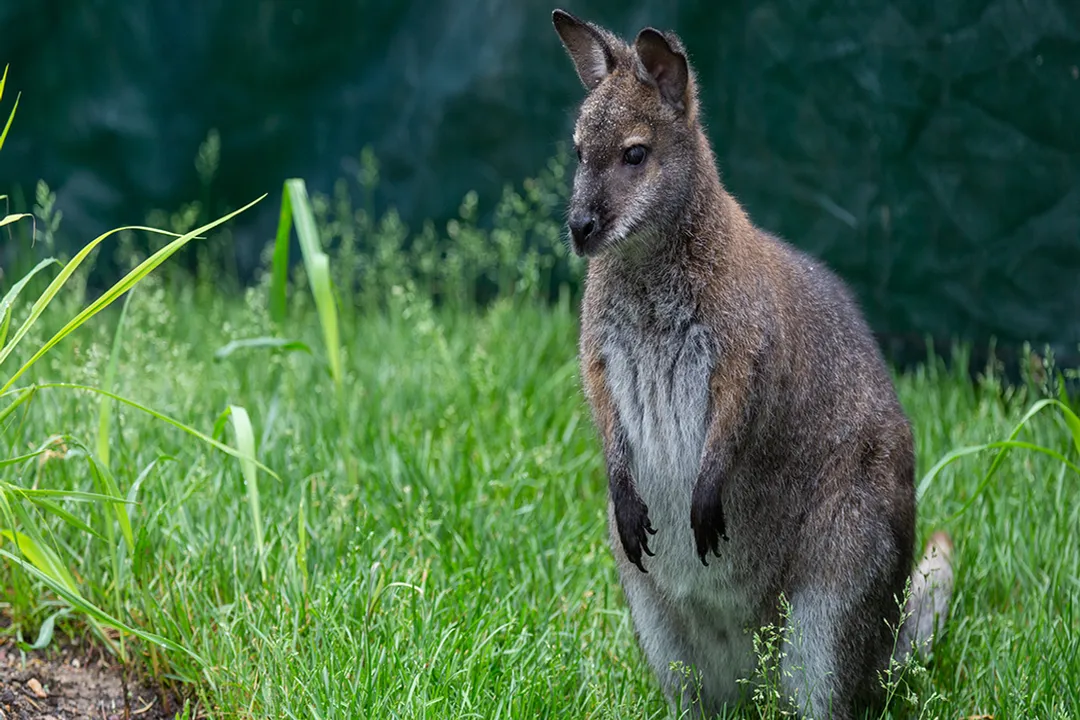
Wallabies, often recognized as smaller cousins to the kangaroo, belong to the family Macropodidae and are marsupials native primarily to Australia and New Guinea. [1][3] With a significant diversity in species—there are many different types of wallabies [1]—their presence is scattered across various ecosystems, ranging from their natural Australian bushland strongholds to surprising introduced colonies far across the globe. Understanding where these fascinating animals live requires distinguishing between their ancestral homes, areas where they are managed as introduced species, and the curated environments of zoological parks.
# Australian Roots
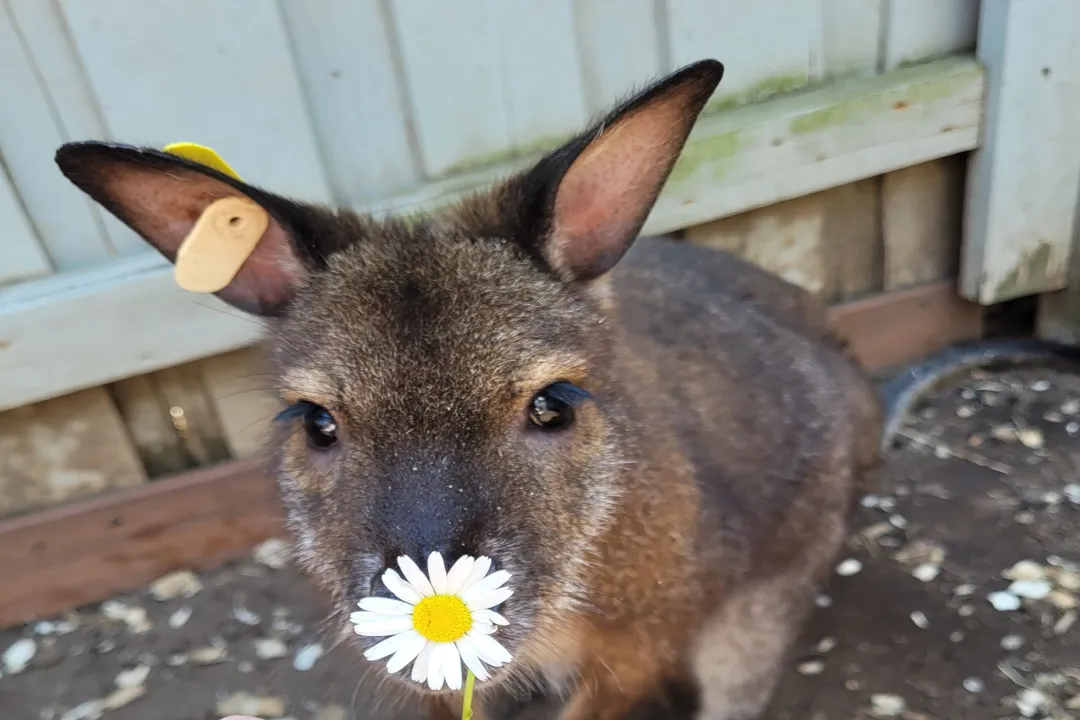
The ancestral home for wallabies is unequivocally Australia. [3] Within this continent, different species have adapted to a wide array of habitats, from dense forests to rocky outcrops. [1] For instance, conservation groups like Bush Heritage Australia actively work to protect native species and their environments, indicating the importance of these animals within the Australian ecological structure. [2] The natural dispersion across the continent means that sighting a wallaby in the wild often depends on knowing the specific ecological preferences of the species inhabiting that region of Australia. While they share the Macropus genus with kangaroos, wallabies are generally smaller, though size variation across the many species is considerable. [1]
# Global Spread
While Australia remains the primary location, wallabies have established populations in other parts of the world due to human introduction, sometimes creating complex ecological management situations. New Zealand, for example, has experienced significant population growth of introduced wallabies, leading to substantial government intervention. [7] The Ministry for Primary Industries (MPI) in New Zealand manages extensive programs aimed at controlling and even eradicating these wallabies, classifying them as pests due to their impact on farming and native vegetation. [7] This contrasts sharply with the conservation focus within their native range in Australia. [2]
Furthermore, one might be surprised to learn that wallabies have established feral populations in Scotland. [8] These groups, which have managed to survive and breed in the cooler, more temperate climate of the United Kingdom, offer a unique case study in species establishment outside of their native environment. [8] The presence of wallabies in Scotland presents an interesting situation where the management concerns might differ greatly from the pest control priorities seen in New Zealand. [7]
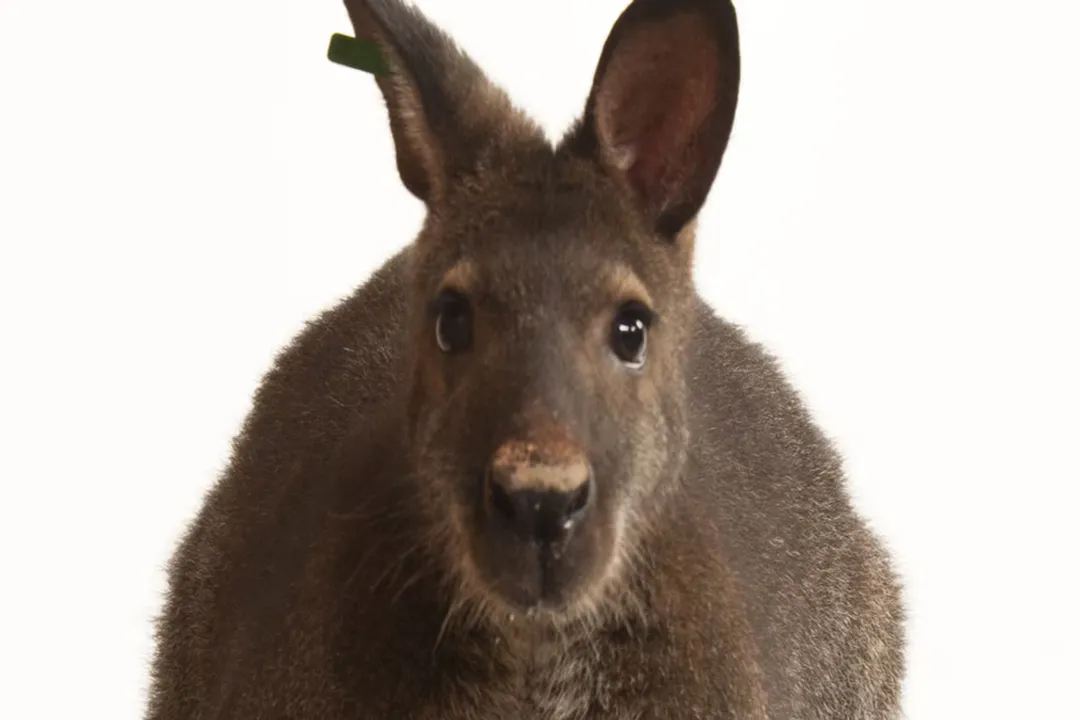
For those interested in specific, well-known species outside of Australia, the Bennett's Wallaby, also sometimes referred to as the Red-Necked Wallaby, is one of the most frequently observed types in captivity globally. [6][9]
# Zoo Encounters
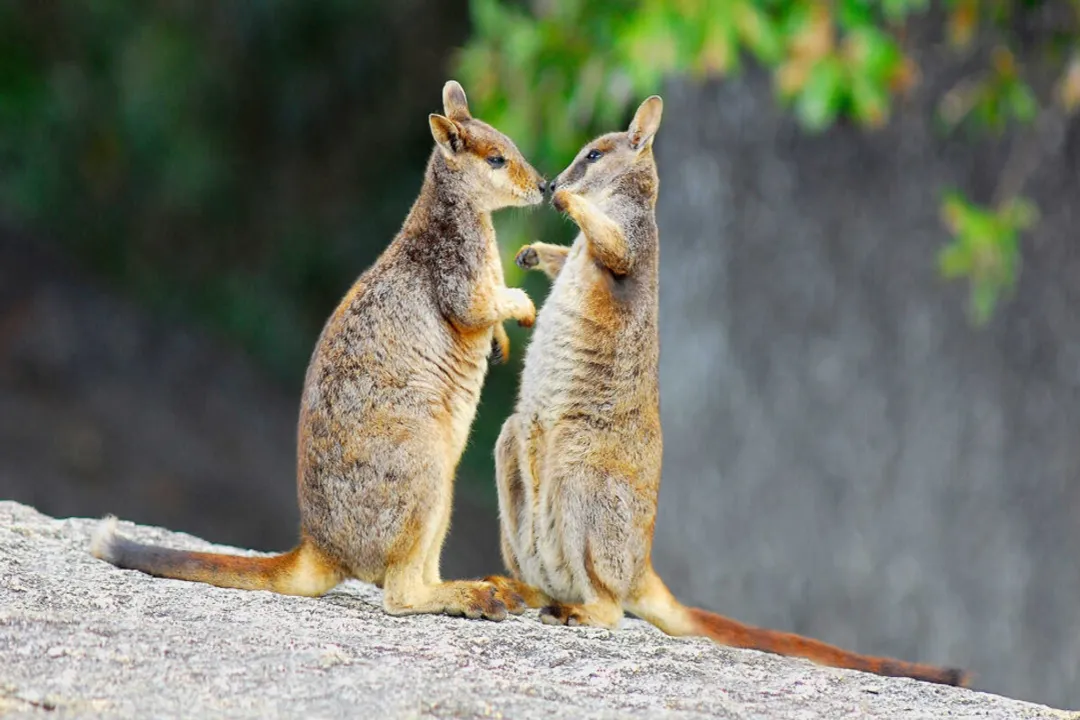
When seeking a guaranteed viewing experience, zoological institutions provide accessible locations to observe wallabies up close. The Smithsonian's National Zoo is home to the Bennett's Wallaby, allowing visitors to see this species in a controlled setting. [9] Similarly, the Turtleback Zoo features the Red-Necked Wallaby, offering another reliable spot for visitors to observe their feeding and movement patterns. [6] In these settings, the wallabies are generally cared for within enclosures designed to mimic aspects of their natural environment, though the experience is fundamentally different from spotting them in the wild. An interesting observation when visiting zoos is the difference in activity levels; captive animals often have more predictable daily routines dictated by feeding schedules, which can make for easier viewing compared to the often crepuscular or nocturnal habits of their wild counterparts.
# Wild Spotting
For many enthusiasts, the ultimate goal is seeing wallabies thriving in their natural habitat. While they are naturally found in Australia, [3] specific travel sources compile lists of the "best places to see wallabies," suggesting certain regions or parks within Australia offer higher probabilities for successful sightings. [4] These top locations often share common features: dense bushland or areas close to water sources where wallabies might graze early in the morning or late in the afternoon. [4]
If you are planning a trip specifically to see wallabies in the wild, remember that success often hinges on patience and understanding local behavior. For example, a location advertised as a "best place" might be near a known water source, implying that dawn or dusk are the prime viewing windows, as they prefer to rest in sheltered, shady spots during the heat of the day. This stands in contrast to the controlled feeding times at a facility like the National Zoo. [9] One specific business, "Wallaby Windows," lists several geographic areas related to its services, which might point toward regions where wallabies are particularly prevalent or have historically been sighted, though the context of their listing is specific to that entity's operation. [5]
The key difference in location choice comes down to desired experience: an international traveler might prioritize a curated stop at a zoo like Turtleback [6] or the Smithsonian [9] for immediate success, whereas a dedicated wildlife observer in Australia would seek out specific bushland areas known for high native populations. [2][4] The management perspective also dictates location effectiveness; in New Zealand, searching for wallabies might involve looking in areas targeted for ongoing control programs, [7] a very different motivation than seeking out a protected native population in an Australian conservation reserve. [2]
# Locality Context
The actual habitat preference can vary dramatically between wallaby types. While the Red-Necked Wallaby is common in captive collections, [6] the wild distribution of other, less common species might be restricted to small pockets of specific Australian states or territories. [1] Knowing the exact species inhabiting an area you plan to visit is crucial for maximizing your chances of a sighting, as their camouflage and preferred resting spots differ. For instance, a species that favors rocky terrain will not be found grazing peacefully in open grasslands, even if that grassland is considered a "best place" for another, more adaptable species. [4] If you are using a travel guide that suggests a location, cross-referencing that location with known habitat maps for the local wallaby species—if known—can significantly enhance your chances of observing them behaving naturally, rather than just catching a fleeting glimpse. [1]
Related Questions
#Citations
Wallaby - Wikipedia
Australian Wallabies | Bush Heritage Australia
Wallabies | National Geographic
Top 10 Best Places to See Wallabies - NewsBreak
Locations - Wallaby Windows
Bennett's Wallaby | Turtle Back Zoo
Locations of wallabies and their spread | NZ Government
Wallabies on Wallaby Island in Loch Lomond | Guide & Tips
Bennett's wallaby | Smithsonian's National Zoo and Conservation ...