White Catfish Facts
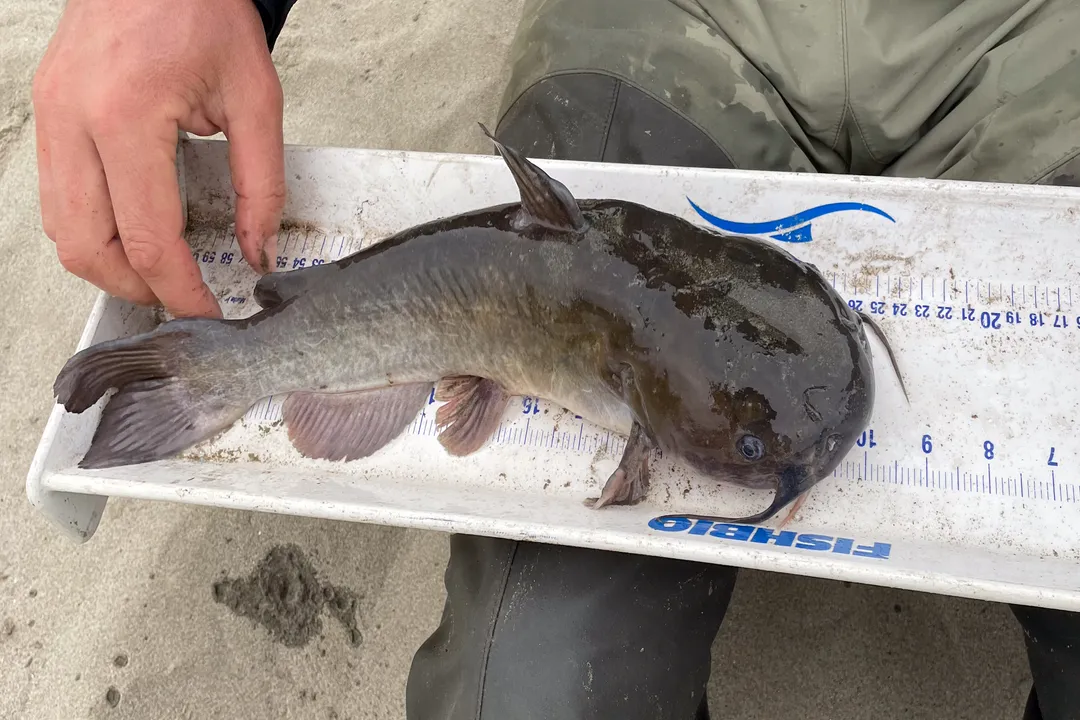
The White Catfish, often recognized by anglers across its range, is a common yet distinctive member of the catfish family, frequently sharing waters with its more famous cousins like the Channel Catfish. [1][3] Scientifically, it is often listed as Ameiurus catus, and it is sometimes referred to synonymously as the White Bullhead. [4] These fish are generally smaller than some other species but possess an adaptability that allows them to thrive in a wide variety of freshwater environments across the eastern and central United States. [2][5]
# Physical Traits
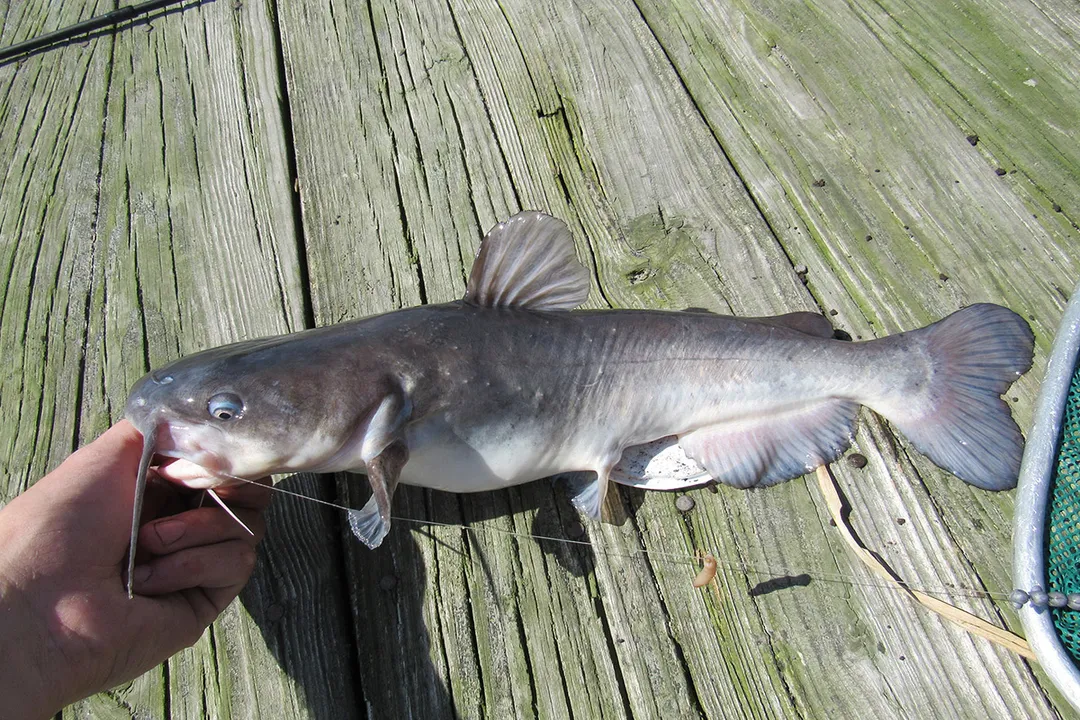
Identifying a White Catfish involves looking closely at several key morphological features, particularly its coloration and the structure of its anal fin. [1][2] Adult White Catfish typically have a uniform, light gray or silvery-white coloration on their underside, which contrasts with a darker olive-green to brownish-gray hue on their back. [3][5] This lighter overall appearance is a primary feature distinguishing it from darker bullheads. [5] Like all catfish, they possess prominent sensory barbels around their mouth, but White Catfish are noted for having only six barbels on their chin, whereas the Brown Bullhead has eight. [2]
In terms of size, White Catfish are generally not giants of the aquatic world. They usually reach lengths of about 6 to 12 inches, though specimens exceeding 15 inches are possible. [3][8] Their maximum recorded weight often hovers around 3 to 4 pounds, though catches heavier than that are exceptional. [1][3] A crucial identifier used by ichthyologists is the anal fin: the White Catfish possesses a relatively short anal fin that has between 18 and 24 rays, which distinguishes it from other members of the Ameiurus genus. [1][2] Furthermore, their caudal (tail) fin is usually slightly forked or straight, rather than deeply forked like some other catfish species. [1]
# Where They Live
White Catfish exhibit a remarkable tolerance for varied water conditions, which contributes significantly to their wide distribution. [5] They are comfortable in both flowing waters, such as rivers and streams, and still waters, including lakes, ponds, and reservoirs. [2][3][5] While they can inhabit turbid or murky water, they often show a preference for clearer environments compared to some other catfish species. [5]
Water quality parameters indicate a flexible nature. They can tolerate a relatively wide range of temperatures and dissolved oxygen levels, though they are typically found in waters with moderate oxygen saturation. [2] Their distribution spans areas where the water is relatively shallow, often near shorelines, but they can also be found in deeper sections of large river systems. [7][8] Unlike some species that might struggle when non-native species are introduced, the White Catfish appears well-established in many areas and its ecological risk profile suggests a high degree of adaptability when compared across different environmental challenges. [6] Their presence often signals a healthy, though perhaps slightly warm and productive, freshwater ecosystem. [1]
It is interesting to note how their habitat selection varies based on season and size. Smaller individuals might concentrate heavily in weedy or brushy cover near the banks during the warmer months. [7] Conversely, larger specimens or those active in cooler seasons may move to deeper holes or slack water areas along river bends where currents are less intense. [8] This shift in depth preference means an angler targeting them successfully must constantly re-evaluate the depth of water they are probing, rather than assuming a single depth zone is optimal year-round. [8]

# Feeding Habits
The diet of the White Catfish is broad, reflecting an opportunistic omnivorous nature. [1][5] They readily consume aquatic insects, crustaceans like crayfish, mollusks, and smaller fish, demonstrating they are active bottom feeders. [1][7] Plant matter and detritus also constitute a part of their nutritional intake, especially when preferred animal prey is scarce. [5]
In systems where they coexist with other species, their feeding strategy allows them to occupy a slightly different niche. While they will certainly compete for food, their willingness to consume a significant amount of insects and smaller invertebrates helps balance their diet. [1][5] This contrasts slightly with some larger piscivorous catfish that rely heavily on readily available smaller fish. [7] An effective angler targeting these fish should consider that while standard baits like worms, cut bait, and stink baits are highly effective, [7][8] sometimes presenting something that mimics a local insect hatch or a small crayfish might yield surprising results, particularly if fishing in clear water where sight plays a role in feeding cues. [5]
# Spawning Facts
The reproductive cycle for White Catfish typically begins in the late spring or early summer, usually when water temperatures rise above 68°F (20°C). [1][2] They are nest builders and exhibit parental care, a trait common among bullheads. [1] The male fish is generally responsible for locating, cleaning, and guarding the nest site. [2]
These nests are often established in protected locations, such as cavities under logs, rocks, submerged debris, or in undercut banks. [2] The female deposits her eggs into this protected area, and after fertilization, the male stays to guard the nest until the eggs hatch, which can take several days to a week depending on the exact water temperature. [1][2] This dedication to guarding the nest contributes to a reasonably high survival rate for the initial fry, helping to maintain populations in productive waters. [2]
# Geographic Scope
White Catfish have a significant historical range throughout the eastern United States, extending from the Great Lakes basin south through the Mississippi River drainage. [5] They are well-established in many major river systems, including the Chesapeake Bay watershed. [1] While native to many areas, their adaptability has led to introductions elsewhere, and in certain regions, they are considered non-native or potentially invasive. [6][9]
For instance, in areas far removed from their historical home range, such as parts of the West Coast or specific non-native drainage basins, their presence is monitored closely. [9] Their ecological risk screening often considers their potential for interaction with native species, though their established presence in systems like the Chesapeake Bay suggests they have long been integrated into those specific ecosystems. [1][6] If you are fishing in a region where they are not native, understanding local regulations regarding their capture and possession is important, as management strategies can differ significantly from native populations. [9]
# Fishing Notes
Anglers often find the White Catfish to be a dependable catch, particularly when other species might be less active. [7][8] Their willingness to feed across various times of the day makes them accessible targets. [7] While they can be caught day or night, many experienced anglers report success during the early morning and late evening hours, especially in warmer weather. [7]
Targeting them effectively means paying attention to structure. Because they utilize cover for both feeding and resting, focusing efforts around submerged timber, rock piles, logjams, and bridge pilings is often fruitful. [8] Using standard catfish baits like chicken liver, nightcrawlers, or prepared dough baits can be highly effective. [7][8] If you find yourself on a lake with a muddy bottom and slow current, setting your bait on the bottom near drop-offs or subtle shelves often presents the best opportunity to entice a bite from a resting or feeding White Catfish. [2] Their fighting ability is generally modest compared to larger catfish, but they offer a spirited fight on lighter tackle, making them an enjoyable catch for recreational fishers. [1]
Related Questions
#Citations
White Catfish Ameiurus catus - Chesapeake Bay Program
White Catfish - Virginia Department of Wildlife Resources
White Catfish | NC Wildlife
White bullhead - Wikipedia
[PDF] White Catfish (Ameiurus catus)
[PDF] White Catfish (Ameiurus catus) - U.S. Fish and Wildlife Service
White Catfish - FISHBIO | Fisheries Consultants
Learn About the White Catfish – Fishing | Guidesly
Ameiurus catus - Smithsonian Institution