Vulture Facts
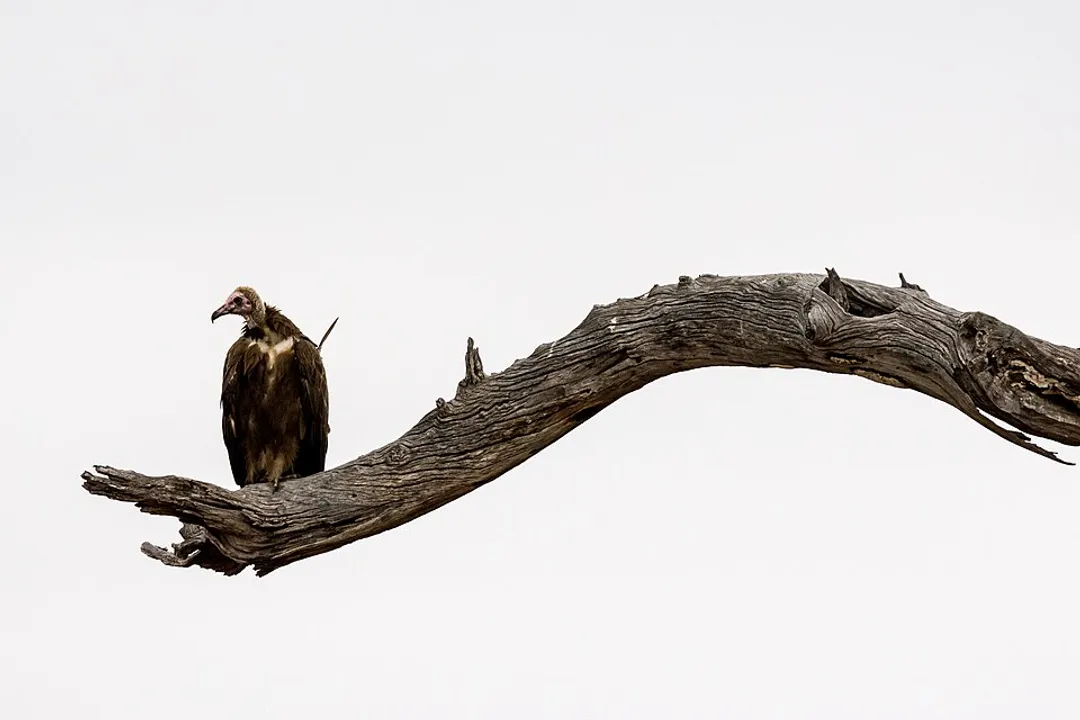
Vultures, often characterized by their somewhat forbidding appearance and their reliance on carrion, are nonetheless indispensable members of almost every terrestrial ecosystem worldwide. [6][10] Far from being mere gruesome indicators of death, these large birds of prey play a critical, often underappreciated, sanitary role by consuming decaying matter that would otherwise harbor disease. [4][10] They are masters of efficient feeding, capable of soaring for hours without expending much energy, and possess specialized tools—both physical and chemical—to thrive on a diet few other animals can stomach. [2][5]
# Two Groups
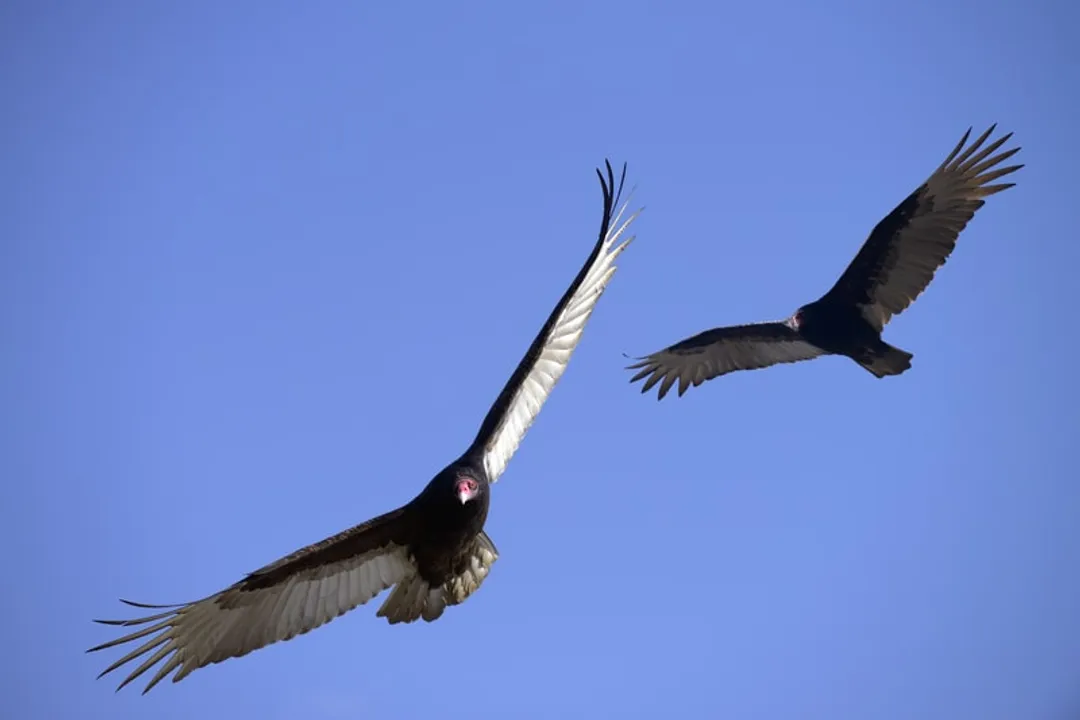
It is important to understand that the term "vulture" encompasses two distinct lineages of birds that have arrived at similar ecological niches through convergent evolution, meaning they are not closely related taxonomically. [3][7] The classification separates them into New World Vultures (family Cathartidae) and Old World Vultures (family Accipitridae), which is the same family that includes eagles and hawks. [5][6][7] New World Vultures are found only in the Americas, while Old World Vultures inhabit Africa, Asia, and Europe. [3][6]
A key difference lies in their physical relationship: New World Vultures, such as the California Condor or the Turkey Vulture, are not closely related to the Old World varieties like the Griffon Vulture. [7] Despite this distance, both groups share the behavior of scavenging dead animals, or carrion, for sustenance. [3][6] While New World Vultures generally possess a better sense of smell, Old World Vultures tend to have sharper eyesight for spotting carcasses. [5]
# Bare Heads
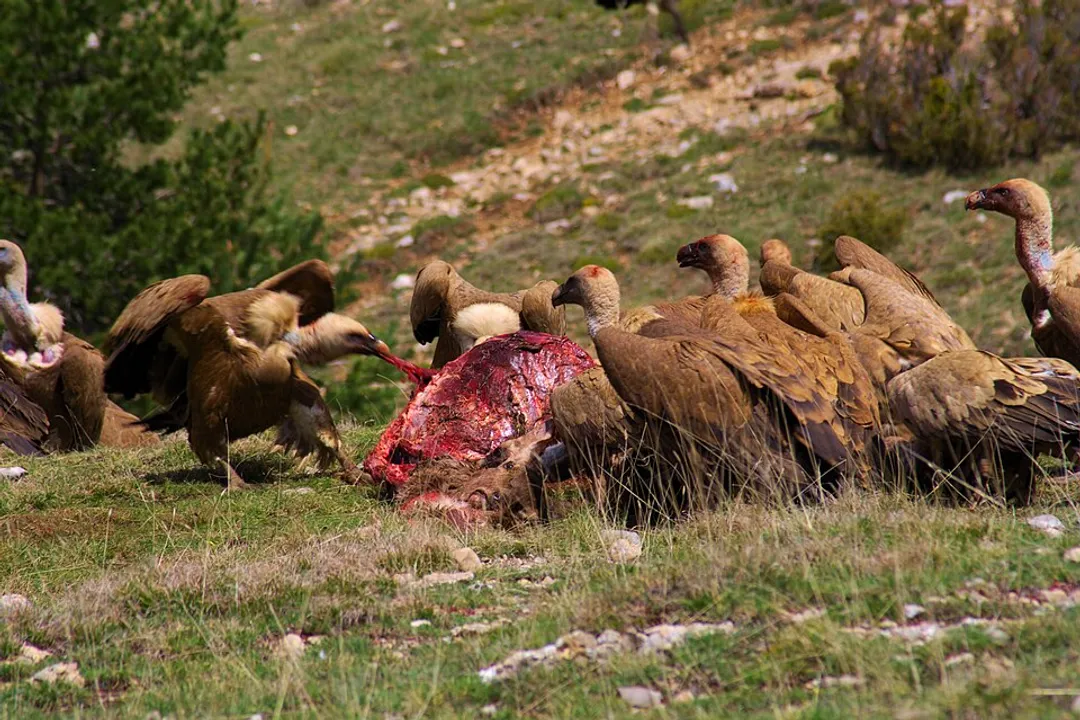
Perhaps the most striking visual characteristic of many vulture species is their lack of feathers on their heads and necks. [2] This adaptation is highly practical for birds whose primary method of feeding involves plunging their heads deep into the carcasses of large animals. [10] A feathered head would become heavily matted with blood, tissue, and bacteria, creating a breeding ground for pathogens and making preening incredibly difficult. [2][10] By having bare skin, the sun's ultraviolet rays can act as a natural disinfectant, essentially sterilizing the area while the bird feeds. [2][10]
The appearance of this bare skin can vary significantly between species. For instance, the Turkey Vulture, common across the Americas, exhibits a distinctive red, unfeathered head. [9] In contrast, many other species display black or grayish skin. [2] This adaptation minimizes the surface area where bacteria can readily adhere and multiply, a crucial feature when consuming flesh in advanced stages of decomposition. [10]
# Soaring Flight
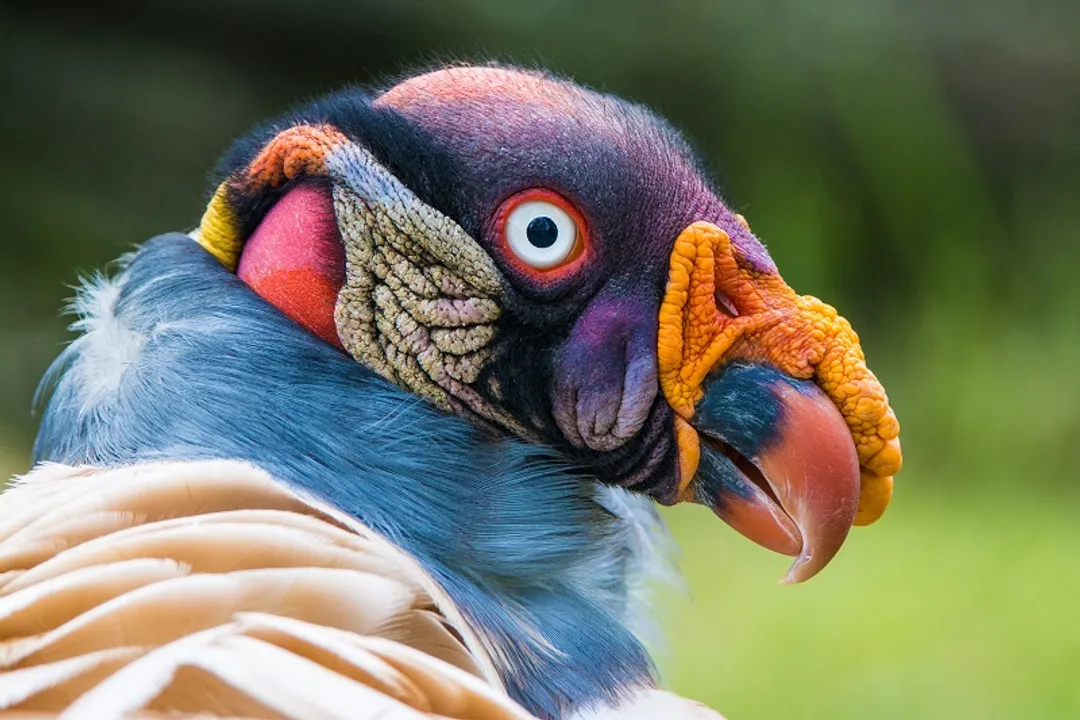
Vultures are renowned for their mastery of flight, relying heavily on soaring to conserve precious energy. [2][4] They are not built for rapid flapping or high-speed pursuits; instead, they are built to ride the air currents with incredible grace. [2] This is achieved by utilizing rising columns of warm air, known as thermals, or by gliding along mountain updrafts. [2][4]
Their large wingspans are perfectly suited for this method of travel. While specific dimensions vary, vultures are among the largest flying birds globally. [4] By staying aloft for long periods, they can survey vast territories, searching for food sources that might be many miles away. [4] This efficiency means that the energy they save by soaring can be better allocated to digesting tough, nutrient-poor carrion. [2] When compared to active hunting birds that require frequent bursts of speed and powerful wing beats, the vulture’s slower, more deliberate flight pattern represents a highly successful evolutionary trade-off for a scavenger's lifestyle. [4]
# Stomach Power
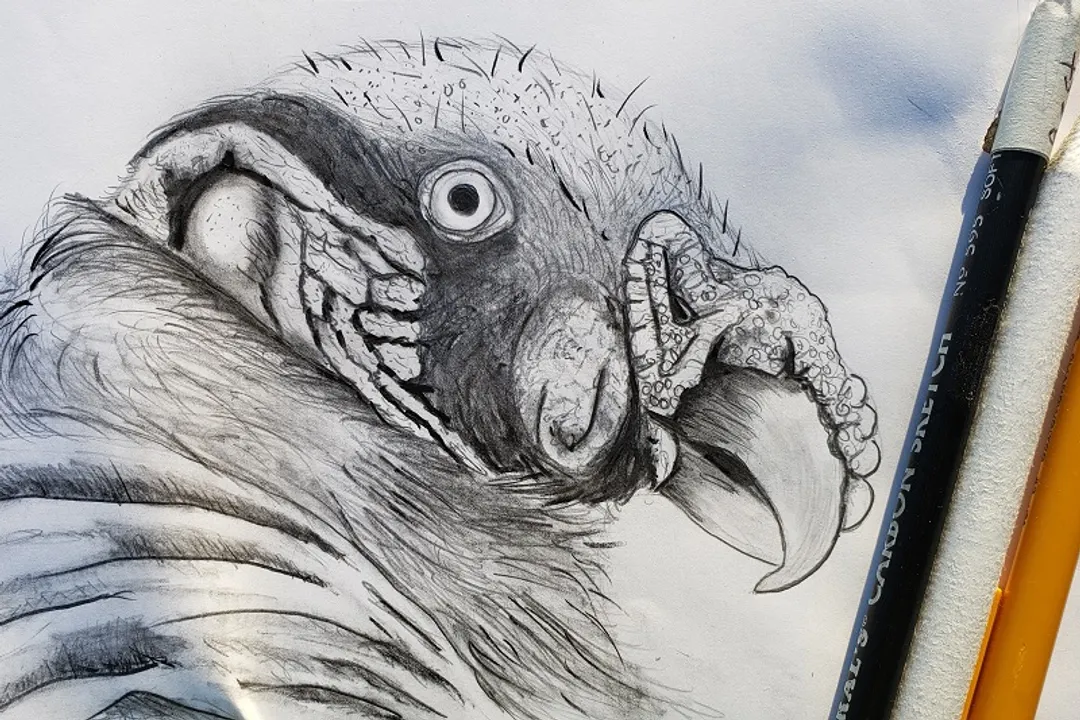
The primary function of a vulture in the ecosystem is waste removal. They are necrophagous, meaning they feed on dead organisms. [6] What sets them apart is not just what they eat, but how they process it. [1] A vulture’s digestive system is intensely acidic, featuring a stomach pH that can reach levels as low as 1 or 2. [1][5] This powerful acidity is essential for neutralizing the dangerous bacteria and toxins found in rotting meat, such as Clostridium botulinum and E. coli. [1][5]
This intense chemical defense is a significant point of contrast between the vulture and other scavengers. While a coyote or a crow might pick at a carcass, they lack the complete pathogen destruction that occurs within a vulture's gut. [1] This ability to safely consume highly putrid material prevents the widespread contamination of the landscape that might otherwise occur if decaying matter sat undisturbed for longer periods. The speed at which vultures clear carcasses, facilitated by this robust internal chemistry, directly reduces the window of opportunity for insect vectors or other mammals to spread bacteria from the remains into the environment. [10]
# Seeing Smelling
The sensory capabilities of vultures are finely tuned to their feeding habits, though specialization exists between the Old and New World groups. [5] For most species, including many Old World Vultures, the primary sense used to locate a meal is excellent eyesight. [5] They can spot a dead animal from extremely high altitudes. [2]
However, the Turkey Vulture presents a fascinating exception within the New World group. This species possesses an incredibly developed sense of smell, arguably the best among all birds, allowing it to detect the faint odors of gases released by fresh, hidden carrion—even when it cannot be seen from the air. [2][8] This olfactory ability lets them find meals concealed under dense forest canopies or obscured by vegetation, giving them an advantage in heavily wooded areas where visual scanning is difficult. [8]
# Ecologic Value
Vultures contribute significantly to the health and balance of their environments, acting as nature's cleanup crew. [10] Because they are so effective at consuming carcasses quickly, they limit the populations of other scavengers, such as rodents and flies, which can act as disease amplifiers. [4] Their presence often indicates a relatively healthy, functioning ecosystem where natural processes—death and decay—are being managed efficiently. [10]
These birds can have long lifespans when given the chance to survive. Some species are known to live for two decades or more in the wild. [4] Sadly, many populations are facing serious threats, often due to human activity. [1] Poisoning, either intentional or accidental (such as through eating livestock treated with certain veterinary drugs), is a major concern for vulture populations globally. [1] When observing these creatures, it is best to maintain a respectful distance; they are generally non-aggressive toward humans and, apart from feeding, tend to perch quietly, often sunning themselves with their wings spread wide to warm up or dry their feathers. [8] Recognizing their vital, if somewhat grim, work helps shift perception from viewing them as omens of bad luck to seeing them as indispensable biological regulators. If you are fortunate enough to live near a habitat that supports them, appreciating the sheer efficiency with which they manage decomposition is a powerful reminder of nature’s specialized engineering.
Related Questions
#Citations
Vulture Facts - Wildlife Center of Virginia
Vultures are spectacular. Here are 9 fascinating vulture facts that ...
Vultures, facts and information | National Geographic
50 Interesting Facts About Vultures - The Fact File
Interesting Facts - Vulture Culture - Arizona-Sonora Desert Museum
Vulture | Characteristics, Species, & Facts - Britannica
Vulture - Wikipedia
8 Fascinating Vulture Bird Facts - Birds and Blooms
15 Amazing Turkey Vulture Facts - Chattahoochee Nature Center
Spooky Nature Facts About Vultures - - Christine Elder