Vole Scientific Classification
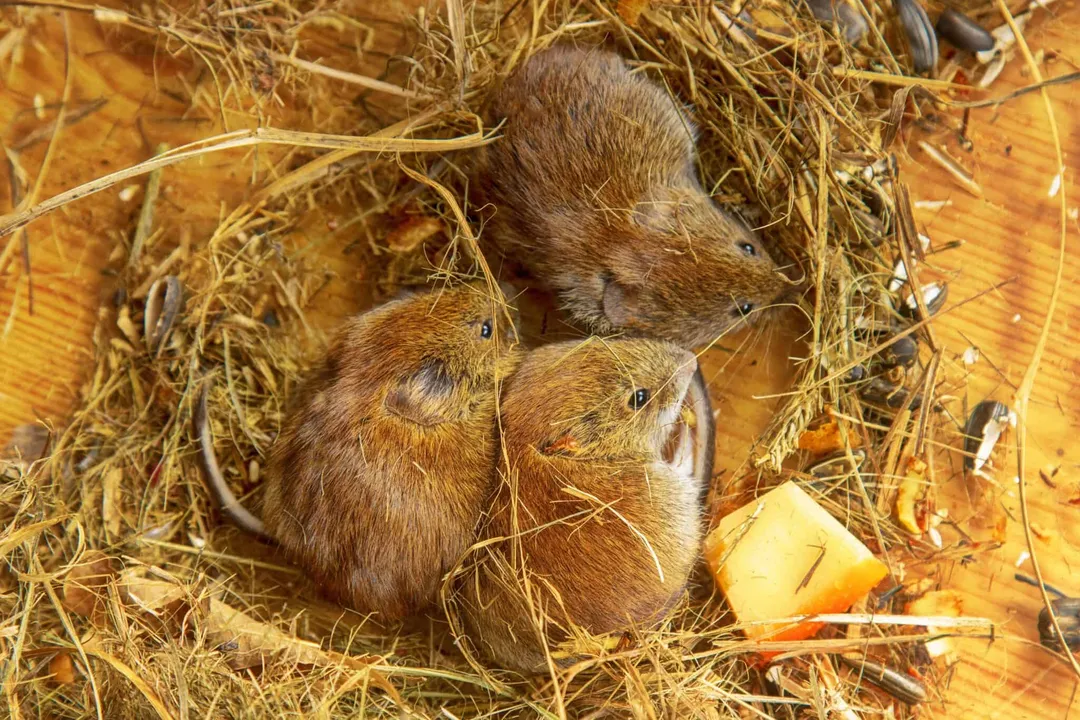
The term "vole" often conjures a single image in the mind of a casual observer—a small, fast-moving rodent that resembles a mouse but seems stockier, with a shorter tail and less prominent eyes and ears. [1][6] However, this common grouping obscures a rich and detailed scientific classification. To truly appreciate these abundant creatures, one must delve into the Linnaean hierarchy that separates the common vole from its many relatives scattered across the globe. [1]
Voles belong firmly within the class Mammalia, demonstrating the fundamental characteristics shared by all warm-blooded, fur-bearing animals that nourish their young with milk. [1] Moving down the taxonomic ladder, they are members of the order Rodentia, the largest order of mammals, characterized by a single pair of continuously growing incisors in both the upper and lower jaws. [1] This shared characteristic links them to familiar animals like squirrels and beavers, but the vole’s specific evolutionary path leads it elsewhere within this massive order.
# Cricetid Family
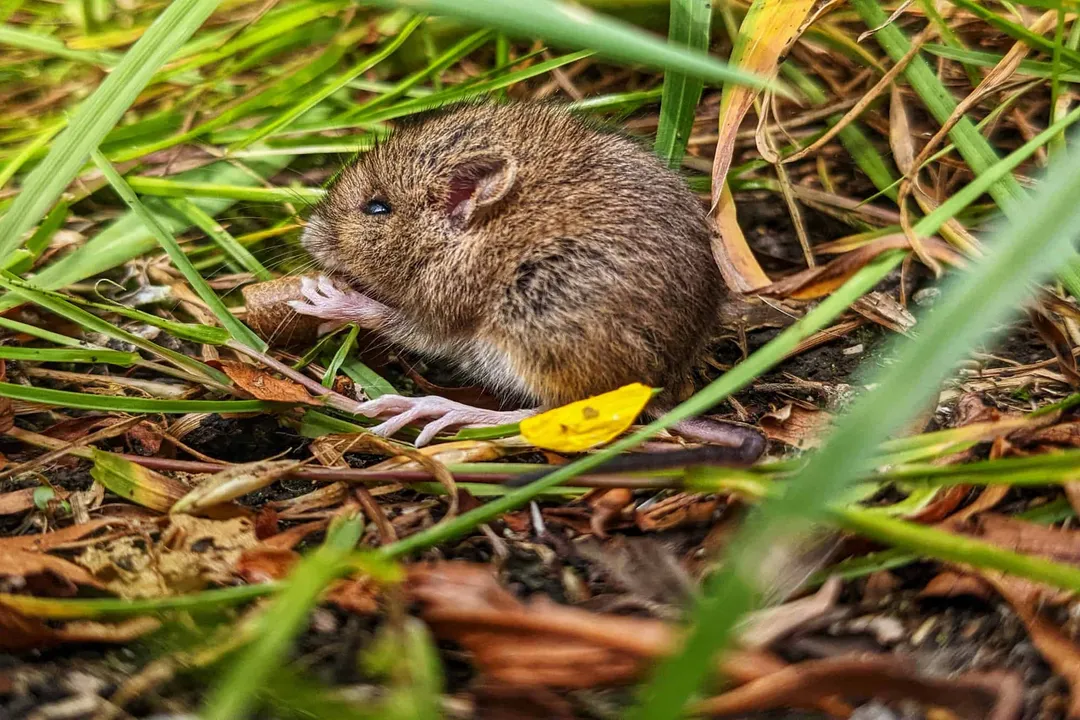
The family classification for voles is Cricetidae. [1][4] This places them among the "New World mice and rats" and the hamsters and lemmings. [1] This distinction is important because voles are often confused with members of the Muridae family, which contains the true mice and rats. [6] While superficial similarities exist, voles are structurally distinct: they generally possess shorter tails, smaller ears, and a more compact, stout build compared to their Murid cousins. [1] The Cricetidae family itself is vast, encompassing various subfamilies, but the lineage leading to voles is highly specialized.
# Arvicoline Subfamily
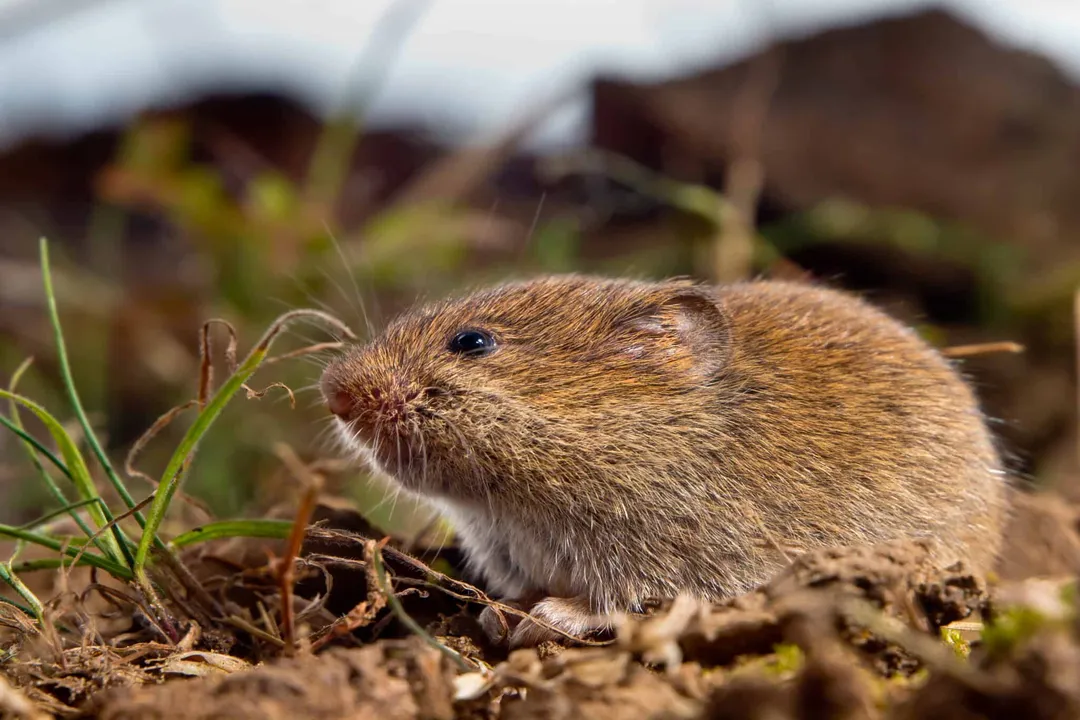
Within Cricetidae, voles are grouped into the subfamily Arvicolinae. [1] This group is sometimes referred to as the arvicolines or the voles and lemmings. [1] This level of classification signals a closer relationship between the various species commonly called "voles" than their relationship to, say, hamsters, which reside in different subfamilies within Cricetidae. [1] The Arvicolinae group is notable for containing species adapted to temperate and cold environments, often associated with grassland or burrowing habits. [4]
# Microtus Genus
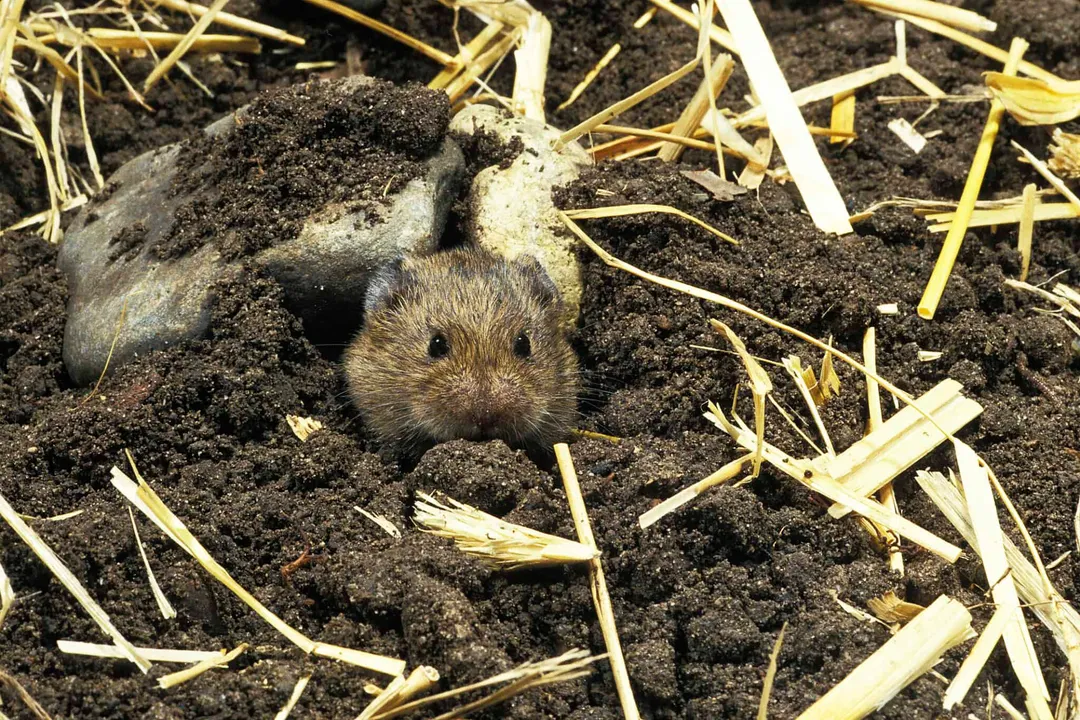
The most frequently encountered voles, and those referenced most often in ecological or agricultural literature, belong to the genus Microtus. [8] This genus is immensely successful, containing numerous species found across the northern hemisphere. [2] The species within Microtus share common morphological traits that distinguish them from other genera within Arvicolinae. [1]
For instance, we can observe key species under this classification umbrella:
- The Common Vole, Microtus arvalis. [2][3]
- The Prairie Vole, Microtus ochrogaster. [8][9]
- The Field Vole, Microtus agrestis. [5]
While all three share the Microtus designation, their specific ecological niches and behaviors diverge significantly, illustrating how classification at the species level captures essential life history differences. [2][5][9] The Common Vole, for example, thrives in diverse habitats, including meadows and cultivated fields, and is known for its high reproductive output. [2][3]
# Species Variation
Examining the differences between these Microtus species helps clarify the utility of scientific classification beyond mere naming. The Field Vole (M. agrestis) in the United Kingdom is a good case study; its conservation status is complex, often receiving protection due to localized population declines, indicating a sensitivity to habitat disturbance. [5] In contrast, the Prairie Vole (M. ochrogaster), native to North America, exhibits fascinating social structures, often living in cooperative family groups and maintaining complex tunnel systems. [9] NatureServe lists the global status of M. ochrogaster as G5, meaning it is globally secure. [9]
This comparison immediately reveals the importance of precise identification. If a landowner is dealing with population issues, knowing whether they have the highly social Prairie Vole or the more solitary Field Vole could significantly influence trapping or exclusion efforts. While the general term "vole" might suggest a single problem, the underlying biology varies. [5]
The Common Vole (M. arvalis) is noted for its ability to produce multiple litters annually, sometimes reaching up to 15 young per year, which is a primary reason it is sometimes considered a pest in agricultural settings. [2][3] This high fecundity, combined with widespread distribution across Eurasia, suggests that management approaches must account for rapid population cycling. [3]
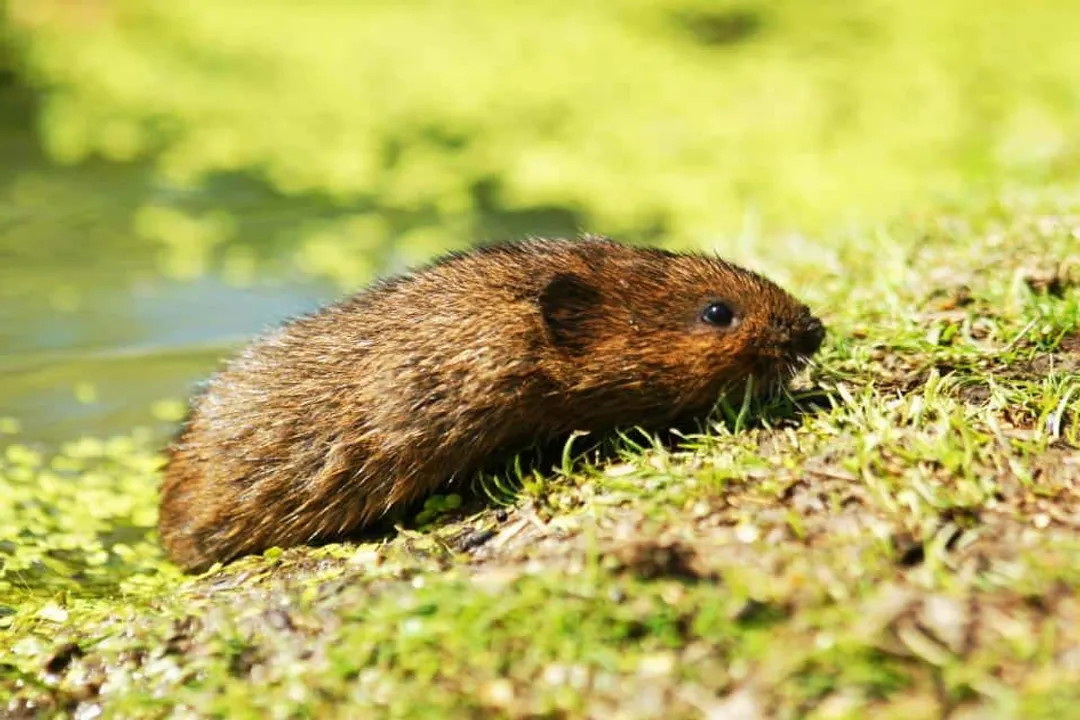
If we consider the broader vole classification structure, we see that not all voles are Microtus. The source material also hints at other groups, such as the Water Vole, which, while still an arvicoline, is classified differently (e.g., genus Arvicola), reflecting its semi-aquatic lifestyle adaptation compared to the grassland specialists of Microtus. [4] This highlights a pattern where the genus level separates species based on significant ecological and morphological divergence, even within the same subfamily. [1][4]
# Taxonomic Significance
Understanding the scientific classification of voles offers more than just academic interest; it has real-world implications for ecological management and conservation science. [4] When a government agency or conservation body outlines protection measures, they rely on the distinct genetic and ecological boundaries established by taxonomy. [5][7] For example, recognizing a species as Microtus ochrogaster immediately brings up its known social tendencies, which can inform environmental impact assessments near its prairie habitats.
A subtle but crucial point arising from studying these classifications is how quickly common names can mislead. A person in Montana might be observing a vole perfectly adapted to arid grasslands (M. ochrogaster), [8] while a person in the UK is observing one adapted to damp meadows (M. agrestis). [5] Both are voles, both are likely Microtus, but their specific needs for vegetation cover, soil type, and predator avoidance will differ based on their species-specific adaptations codified in their scientific names. [7][2]
The sheer volume of species within the vole group—with over 100 species documented globally—demonstrates a high degree of adaptive radiation within the Arvicolinae subfamily. [6] This radiation means that even within the Microtus genus, there are numerous cryptic species or highly localized endemic species whose classification is vital for preventing accidental eradication during control efforts targeted at a more common agricultural pest species. [4]
To put this diversity into context, imagine a local agricultural monitoring program. If data collection relies solely on visual identification of "a vole," management becomes guesswork. But by using scientific classification—determining the precise species, perhaps down to the subspecies level if required—managers can reference established ecological data. For instance, understanding that the Prairie Vole forms extensive, semi-permanent tunnel networks suggests that surface deterrents might be less effective than those targeting the more transient, above-ground runways characteristic of some other species. [5] This difference in subterranean structure, rooted in genus-level evolution, dictates on-the-ground action.
# Classification Comparison Table
To further illustrate the relationships and distinctions, a look at key species across the identified classification levels is useful:
| Rank | Common Vole (M. arvalis) | Prairie Vole (M. ochrogaster) | Field Vole (M. agrestis) |
|---|---|---|---|
| Order | Rodentia | Rodentia | Rodentia |
| Family | Cricetidae | Cricetidae | Cricetidae |
| Subfamily | Arvicolinae | Arvicolinae | Arvicolinae |
| Genus | Microtus | Microtus | Microtus |
| Key Trait | High reproductive rate [2][3] | Highly social/colonial | Associated with damp grassland [5] |
The consistent placement within Microtus, Cricetidae, and Arvicolinae underscores their core shared ancestry and biology. [1] The variations in traits, however, are what drive the species-level differences in ecology and management needs. [5]
In conclusion, the scientific classification of a vole moves systematically from the broad category of Rodentia down through the family Cricetidae and the subfamily Arvicolinae, typically settling into the genus Microtus for the most familiar types. [1] This nested structure acts as a biological filing system, ensuring that researchers, conservationists, and pest managers can communicate precisely about the organism in question, avoiding the pitfalls associated with relying solely on general common names like "meadow mouse" or simply "vole". [4][6] The detail embedded in these binomial names is the key to understanding their specific roles in ecosystems worldwide. [9]
Related Questions
#Citations
Vole - Wikipedia
Microtus arvalis (common vole) - Animal Diversity Web
Voles - Internet Center for Wildlife Damage Management
Field Vole (Microtus agrestis) - Woodland Trust
Vole Animal Facts - A-Z Animals
Microtus pennsylvanicus Meadow Vole - Species Summary
Meadow Vole - Montana Field Guide
Microtus ochrogaster - NatureServe Explorer