Vizsla Scientific Classification

The Vizsla, instantly recognizable by its sleek, rust-colored coat and aristocratic bearing, is more than just a popular sporting companion; it holds a precise position within the grand scheme of the animal kingdom. Understanding the scientific classification of this Hungarian pointer helps reveal its evolutionary background and its relationship to other familiar species. While many people simply refer to it as a breed of dog, its formal taxonomy places it within a structured biological hierarchy that speaks volumes about its ancestry and physical capabilities. [6][4]
# Animal Placement
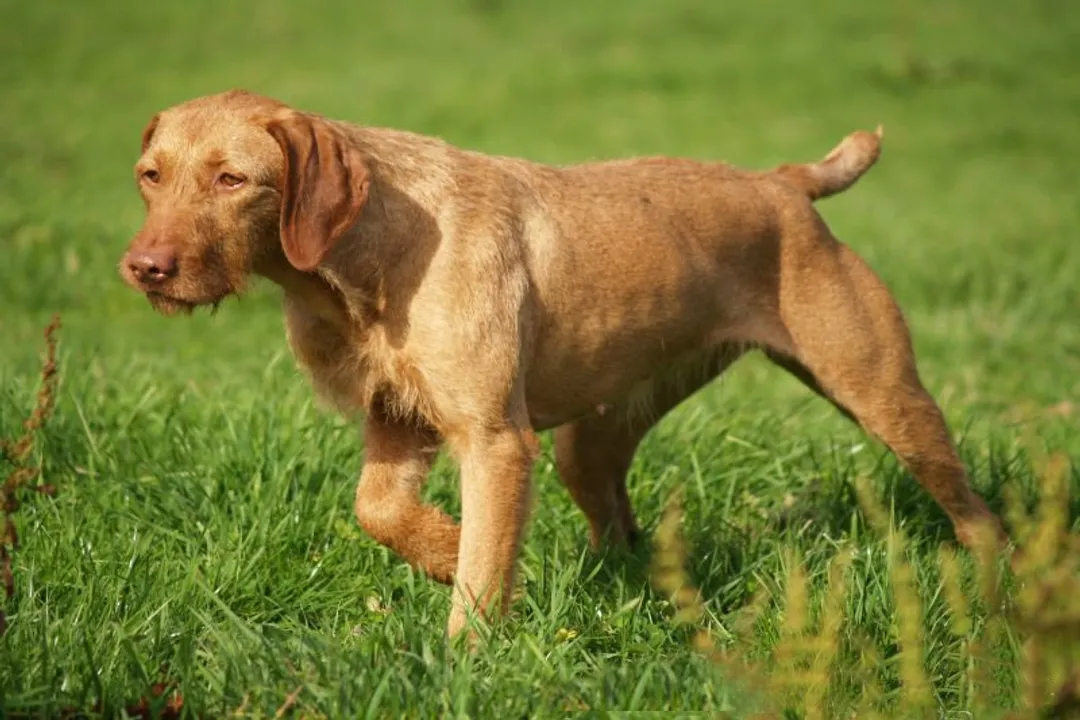
At the broadest level, the Vizsla belongs to the Kingdom Animalia, signifying that it is a multicellular, eukaryotic organism that ingests food and is capable of movement. [2] Moving down the lines of descent, the Vizsla is placed within the Phylum Chordata, a grouping that includes all animals possessing a notochord—a flexible rod that provides skeletal support—at some point in their lives. [2] This phylum encompasses vertebrates, a category instantly familiar to any dog owner.
# Taxonomic Ranks

The next step down in the classification places the Vizsla in the Class Mammalia. [2] This classification highlights characteristics such as having fur or hair, being warm-blooded, and nursing their young with milk—traits central to the domestic dog experience. Following this, the Order is Carnivora. [2] This grouping is significant because it indicates the Vizsla’s evolutionary history is rooted in meat-eating ancestors, which influences everything from its dental structure to its need for specific proteins in its diet, even as a highly domesticated animal. [2]
Deeper still, we find the Family Canidae. [2] This is the family of dog-like carnivores, which includes wolves, foxes, coyotes, and jackals. Being a member of Canidae immediately connects the Vizsla to a lineage known for stamina, pack orientation, and keen senses, traits deliberately preserved through selective breeding. [4][7] The Genus is designated as Canis, [2] a group that contains the wolf and the domestic dog, suggesting a very recent divergence from wild populations compared to other canids like foxes.

# Domestic Status
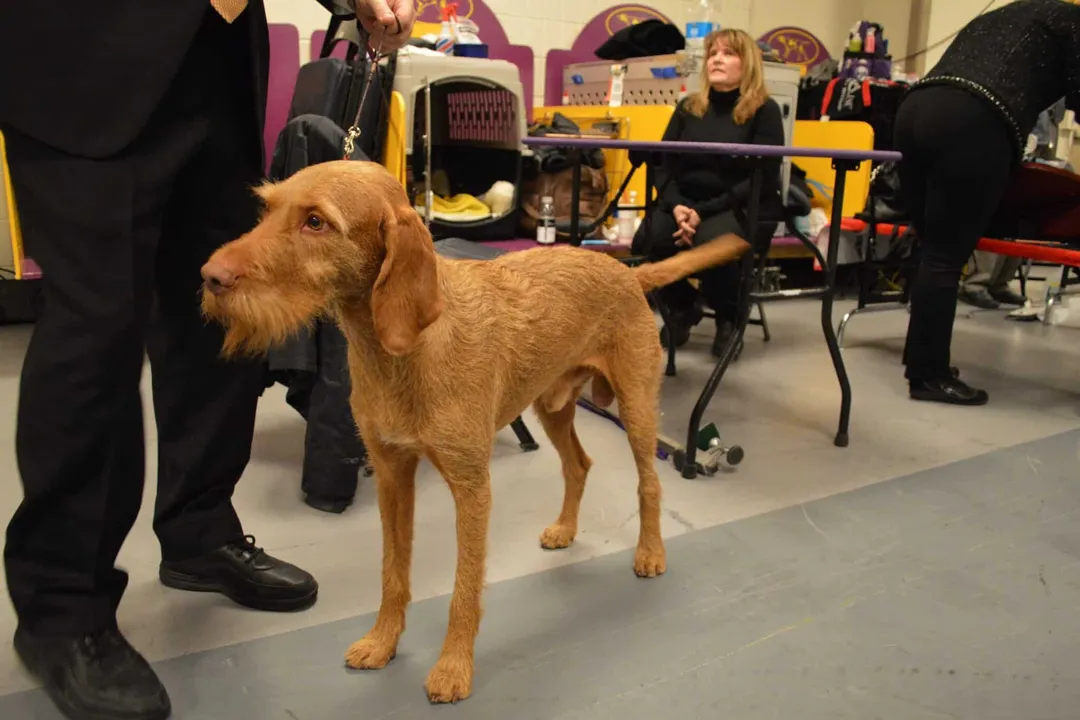
The Species designation is where the Vizsla’s current existence is codified. It is classified as Canis familiaris or, alternatively, as Canis lupus familiaris. [3][9] The latter name, Canis lupus familiaris, emphasizes its status as a subspecies of the gray wolf (Canis lupus), acknowledging the shared ancestry and the relatively recent domestication of the dog. [9] This scientific placement confirms that every Vizsla, whether competing in a field trial or relaxing on a sofa, shares the same fundamental species classification as its wild relatives, albeit shaped by centuries of human interaction. [5]
Considering the various sources, there is a slight variation in how the species is named, with C. familiaris used by some and C. lupus familiaris by others. [2][3][9] This reflects ongoing scientific discussion regarding the exact taxonomic relationship between the domestic dog and the wolf, but both confirm its identity as the modern, domesticated canine. [9]
# Coat Variations
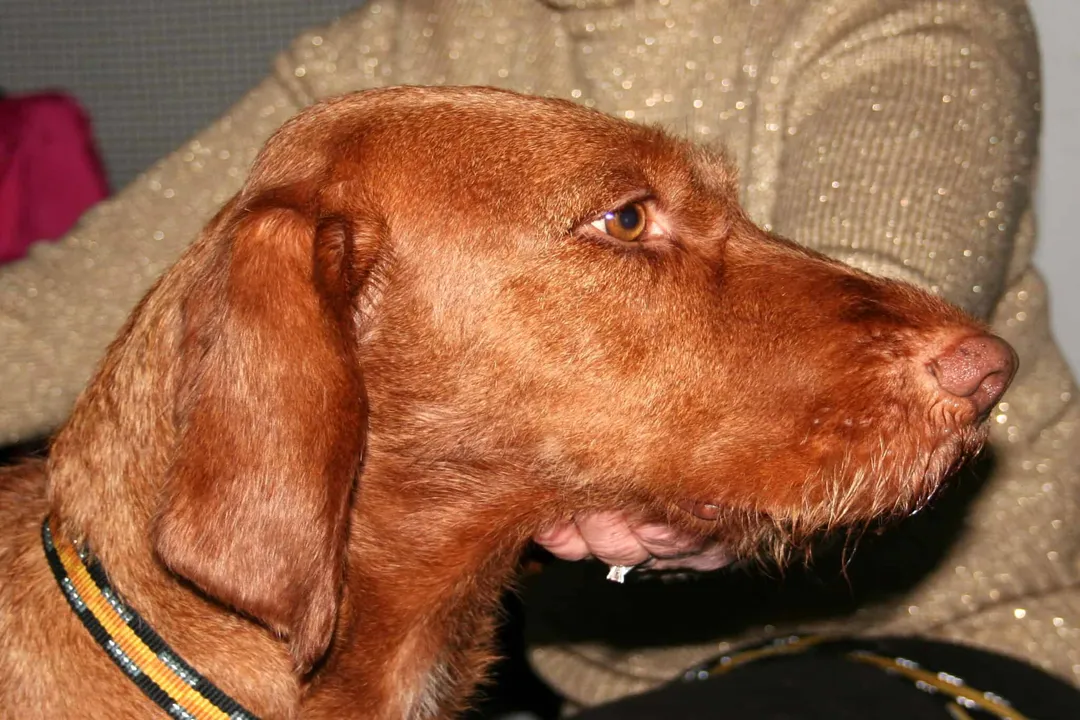
Interestingly, the scientific classification doesn't typically differentiate between the two recognized Vizsla types at the species or genus level. Both the standard smooth-coated Vizsla and the Wirehaired Vizsla share the same fundamental classification as Canis lupus familiaris. [9] The difference lies purely within breed standard and genetic variation related to coat texture, not in their fundamental biological grouping. The Wirehaired Vizsla is simply a variation of the breed, often considered a distinct variety within the overall Vizsla type. [3] This parallels how many breeds can exist under one species umbrella, like how a Poodle and a Labrador Retriever are both C. lupus familiaris despite their vastly different appearances. [1]
# Sporting Lineage
While the Linnaean system places the Vizsla firmly in the mammalian carnivore category, its function—the reason for its existence as a breed—is deeply embedded in its history as a gundog. [4] Originating in Hungary, the breed was developed to be a versatile pointer and retriever, capable of working in various terrains. [7] This history explains why the breed maintains such high energy levels and intelligence, characteristics that, when viewed through the lens of its Canidae family, translate into intense focus and drive in the field. [4] A dog bred for upland bird hunting must possess the endurance of a capable hunter, which relies on the physical architecture inherited from its carnivorous, cursorial ancestors. [2]
One useful way to contextualize the Vizsla’s place is to compare its lineage with other common hunting companions. For instance, while both the Vizsla and the Dachshund fall under the Canis genus and Canidae family, the Vizsla’s development as a pointing/retrieving dog aligns it more closely in function with Setters or Pointers, whose morphology supports the sustained, mid-range speed required for covering ground with a hunter. [7] This functional development, driven by human selection, is what separates it from its wolf ancestors, even while the underlying biological blueprint remains substantially the same. [5]
# Canid Comparisons
Diving into the Canidae family allows us to see where the Vizsla sits relative to its extended relatives. The family is diverse, ranging from the solitary coyote to the highly social gray wolf. The Vizsla, by virtue of its domestication, retains many social structures inherent to the Canis genus, specifically the need for social bonds, which are often translated into strong attachment to its human family. [5] However, its temperament is markedly different from a wolf’s. A wild Canis lupus relies on independent survival strategies, whereas the Vizsla’s historical role required intense cooperation and responsiveness to human commands—a behavioral evolution overlaid onto the basic Carnivora body plan. [4]
If we were to construct a simplified comparison of evolutionary proximity based on the provided taxonomy, it might look something like this, moving from broadest to narrowest grouping:
| Rank | Group | Relevance to Vizsla |
|---|---|---|
| Class | Mammalia | Warm-blooded, fur, nursing young [2] |
| Order | Carnivora | Diet structure, predatory instincts [2] |
| Family | Canidae | Dog-like relatives (wolves, foxes) [2] |
| Genus | Canis | Closely related to wolves and other Canis species [2] |
| Species | C. lupus familiaris | Domestic dog subspecies [3][9] |
This table visually reinforces that while the Vizsla shares a deep biological past with wild canids, its classification as a subspecies of the wolf (lupus) anchors it to the history of domestication. [9]
# Breed Standard Implications
For prospective or current owners, understanding the scientific classification, particularly the Order Carnivora and Family Canidae, provides insight into non-negotiable care requirements. The fact that the Vizsla is taxonomically classified as a carnivore means that despite being a gentle companion, its nutritional needs are genetically predisposed toward a high-protein diet. [2] Ignoring this fundamental biological reality, even for a highly managed domestic animal, can lead to health issues. The breed standards developed by kennel clubs like the AKC emphasize the dog's structure for endurance and scent work, features selected for within the Canis framework. [6][4]
When a breeder discusses line quality, they are effectively discussing the preservation of specific traits within the Canis lupus familiaris species—traits like the lean build suitable for covering ground quickly (suggesting a more cursorial adaptation within the Carnivora order) and the strong retrieving drive. [7] The scientific classification gives us the skeleton; the breed standard provides the specific details of the flesh built upon it by human endeavor in Hungary. [5][7] It is this intersection of wild biological ancestry and focused human selection that defines the modern Vizsla.
Related Questions
#Citations
Vizsla | Discover Animals
Vizsla - Scientific Classification, Appearance, Food Habits and Health
Wirehaired Vizsla Dog Breed Complete Guide - A-Z Animals
Vizsla: Dog Breed Information, Form, Function, History, and More
Breed History - Vizsla Club of America
Vizsla Dog Breed Information - American Kennel Club
Hungarian Vizsla | Breed Standards - The Kennel Club
Vizsla Dog Breed – Origin, Traits & Facts | DogFlux
Wirehaired Vizsla - Wikipedia