Virgin Islands Dwarf Gecko Scientific Classification
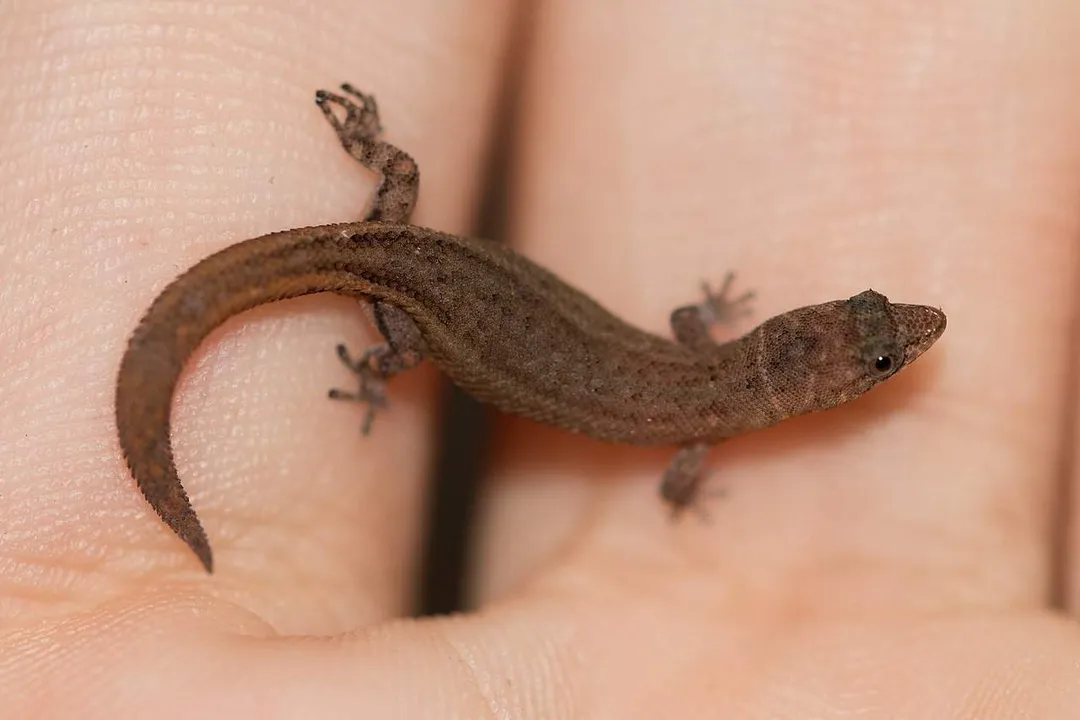
The classification assigned to the Virgin Islands Dwarf Gecko, Sphaerodactylus parthenopion, does far more than simply assign a name; it weaves a precise historical and biological narrative about this minute inhabitant of the Caribbean, placing it within the vast tree of life. To truly appreciate this tiny lizard, one must unravel the meaning behind the scientific labels bestowed upon it by taxonomists like Thomas, who first described it in 1965. Understanding this hierarchy—from the broadest kingdom down to the specific species epithet—reveals its evolutionary heritage, its closest relatives, and the unique morphological features that define it.
# Kingdom and Phylum
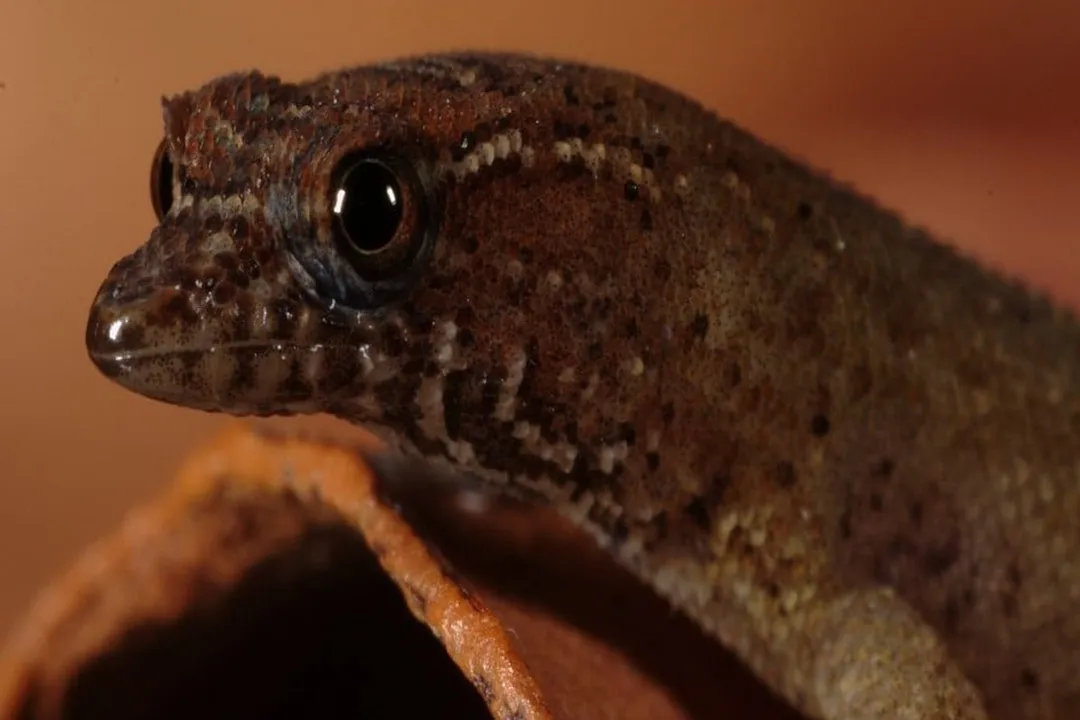
At the most expansive level, the Virgin Islands Dwarf Gecko is situated within Kingdom Animalia, making it a multicellular, heterotrophic organism that obtains energy by consuming other organisms. This places it alongside everything from sponges to blue whales. Moving deeper, it belongs to the Phylum Chordata. This classification signifies a fundamental characteristic shared with all vertebrates—the presence, at some point in its life cycle, of a notochord, a dorsal hollow nerve cord, pharyngeal slits, and a post-anal tail. As a lizard, these traits are immediately apparent in its adult form.
# Class and Order
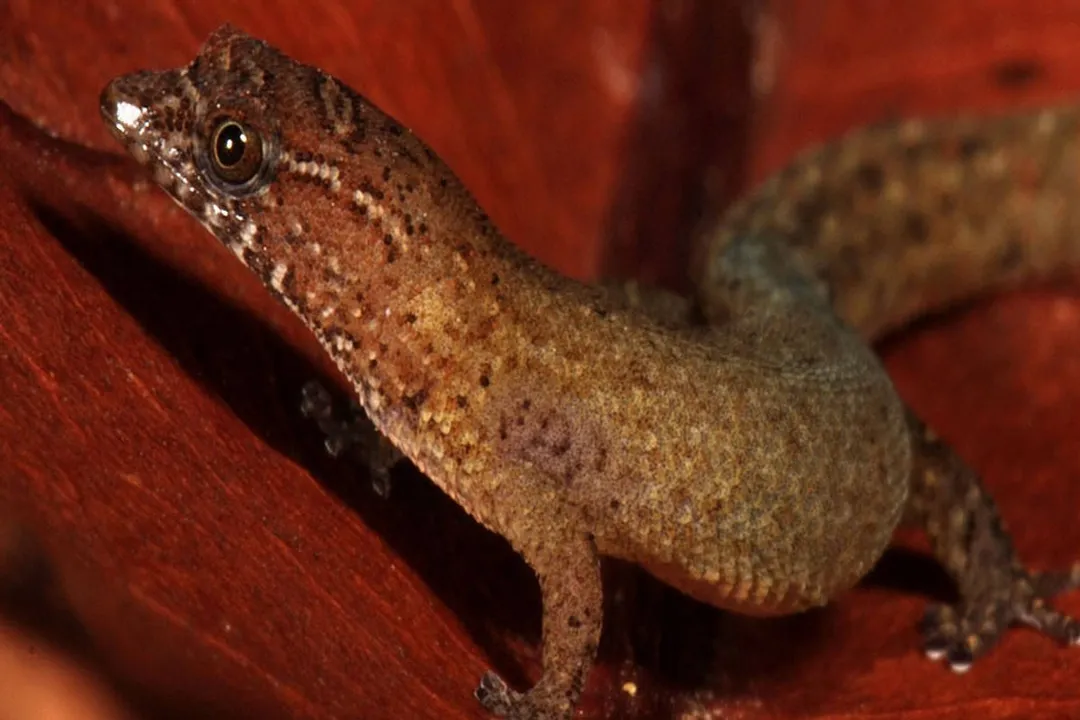
Within Chordata, the gecko falls into the Class Reptilia. This means it is ectothermic, relying on external sources to regulate its body temperature, and is covered in scales—a key characteristic of reptiles. It shares this class with snakes, turtles, crocodiles, and all other lizards. The next classification step narrows this group considerably into the Order Squamata. Squamata is the largest order of reptiles, encompassing all snakes and lizards. The term Squamata itself refers to the presence of scales, reinforcing a primary physical attribute of these animals.
To gain more specific insight into its place within the reptiles, sources also place the gecko within the taxonomic groups Sauria (lizards) and Gekkota (geckos). Sauria is the suborder for lizards, and Gekkota represents the infraorder that groups together geckos and their immediate relatives, distinguishing them from other lizard lineages.
# Family Placement
The gecko’s family level designation is Sphaerodactylidae. This placement signals a close evolutionary kinship with other geckos possessing similar skeletal structures and developmental pathways. Within the Gekkota, the Sphaerodactylidae family is a group that houses the fascinatingly diverse small geckos of the New World tropics. The taxonomy here is becoming increasingly specific, moving from general lizard characteristics to the specialized features that define the gecko lifestyle.
# Genus Significance
The genus name, Sphaerodactylus, provides one of the most immediate clues to the gecko’s physical specialization. Wagler established this genus in 1830. The name is derived from Greek roots: sphaero meaning "round," and dactylus meaning "finger". This refers directly to a defining characteristic of all members in this group: each digit terminates in a single, round adhesive pad or scale, rather than the multiple lamellae seen in some other gecko families.
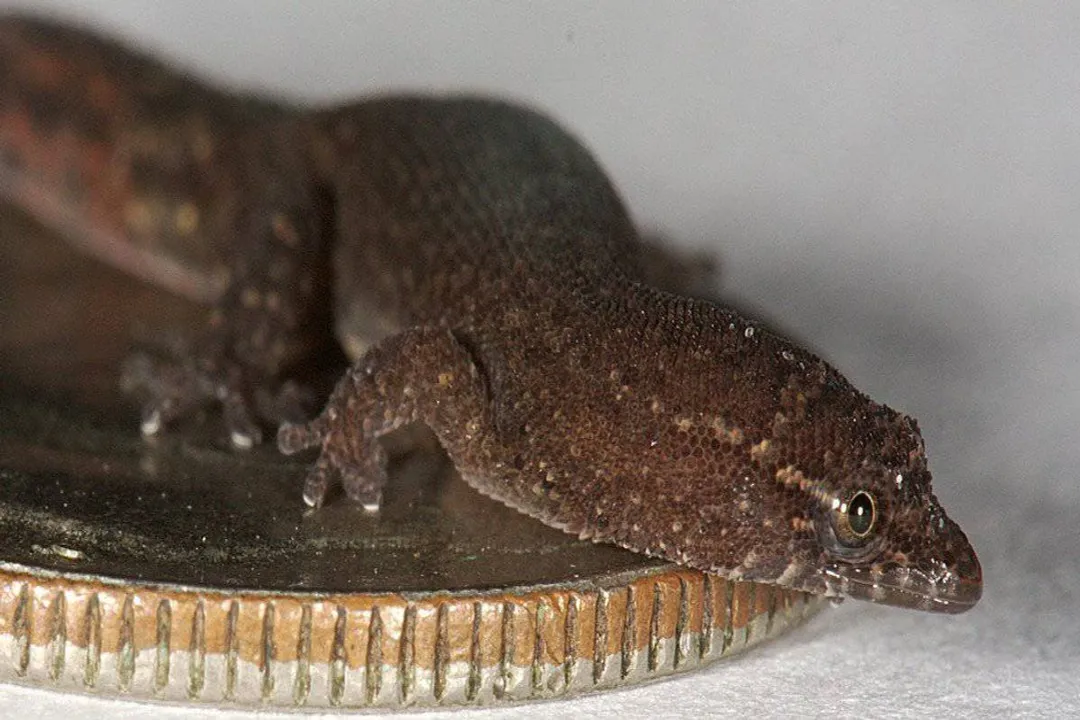
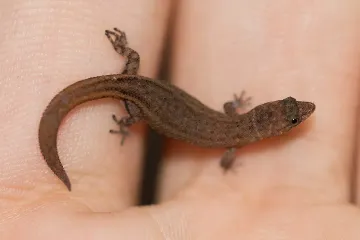
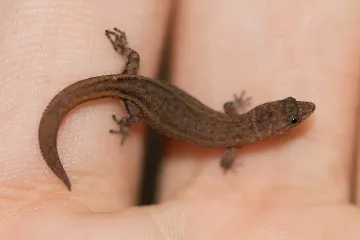
This genus is incredibly prolific, containing over one hundred recognized species, mostly scattered throughout the Caribbean and Central America. Furthermore, the members of Sphaerodactylus are globally significant in terms of size. The Virgin Islands Dwarf Gecko belongs to a lineage that includes two of the world's smallest reptiles: S. parthenopion and the Jaragua dwarf gecko, S. ariasae, both documented with snout-vent lengths around 1.6 centimeters. This distinction—being among the smallest reptiles on Earth—is a powerful qualifier that shapes how we view its ecological role and its physiological limitations, such as rapid moisture loss.
# Species Designation
The specific epithet, parthenopion, finalized the classification when Richard Thomas described the species in 1965. This name is directly tied to its restricted geographic origin. Parthenopion is thought to derive from the Greek word for "virgin" or "young woman," a clear reference to its discovery location in the Virgin Gorda of the British Virgin Islands. The official type locality is precisely noted as a hillside above Pond Bay on Virgin Gorda. The assignment of the authority, THOMAS, 1965, formally establishes the initial scientific description and dating of this designation.
The common names reflect this classification and geography: the Virgin Islands Dwarf Geckolet or the Virgin Gorda Least Gecko. The term "Dwarf" or "Least" is common across the genus and emphasizes the diminutive size relative to other geckos.
# The Taxonomy of Endemism
The scientific classification of Sphaerodactylus parthenopion immediately raises questions about its persistence. The name itself, rooted in the island's appellation, signals extreme geographic isolation, or endemism. This high degree of specificity in the classification, tying the species name so intimately to a specific archipelago, serves as an immediate flag for conservation concern. Unlike widespread species, its entire survival hinges on the ecological integrity of a few small landmasses in the British Virgin Islands. When a species’ formal description points to such a narrow geographical anchor, it often correlates directly with a higher threat level, which is confirmed by its listing as Endangered (EN) on the IUCN Red List. The very act of naming it after its island home underscores its vulnerability to localized threats like habitat alteration or invasive species.
# Morphological Naming Versus Physiological Need
There is a fascinating interplay between the etymology of the genus and the physiological challenges of the species. The genus name, Sphaerodactylus (round finger), describes a physical tool for gripping surfaces. This gripping ability is likely paramount for a gecko that must remain stationary on surfaces, such as the underside of rocks or leaves, to successfully manage its extreme rate of water loss. Because they are so small, potentially losing water 70% faster than typical reptiles, hiding in cool, moist microhabitats is a core survival strategy. The specialized "round fingers" provide the necessary traction to adhere to these damp surfaces, whether it is seeking shelter from the dry scrub forest environment or resting during the day to avoid heat and desiccation. Therefore, the ancient Greek roots used to describe its feet point not just to its appearance, but to a behaviorally critical adaptation for surviving in a dry-island environment where water conservation is a daily struggle.
# Authority and Synonyms
The scientific record shows the nomenclature is relatively stable since its description, with various authors citing and confirming Sphaerodactylus parthenopion in subsequent works. While a scientific name is often subject to revision, the current record indicates that THOMAS, 1965, remains the valid authority, and the name has been consistently recognized across major taxonomic reviews. This stability in its designation is helpful for researchers attempting to track its history and distribution across different publications.
# Conclusion on Classification
The scientific classification of the Virgin Islands Dwarf Gecko, Sphaerodactylus parthenopion, is a layered system that moves from the broad category of 'animal' to the highly specific realm of island microfauna. Each rank, from Class Reptilia down to the species epithet parthenopion, contributes a piece of essential information—its evolutionary history, its defining features like the 'round fingers' of its genus, and its small, endemic home on Virgin Gorda. This precise labeling is the starting point for all further study, conservation planning, and understanding this extraordinary, minuscule lizard.
Related Questions
#Citations
Virgin Islands Dwarf Gecko - A-Z Animals
Sphaerodactylus parthenopion - The Reptile Database
Sphaerodactylus Wagler, 1830 - GBIF