Virgin Islands Dwarf Gecko Diet
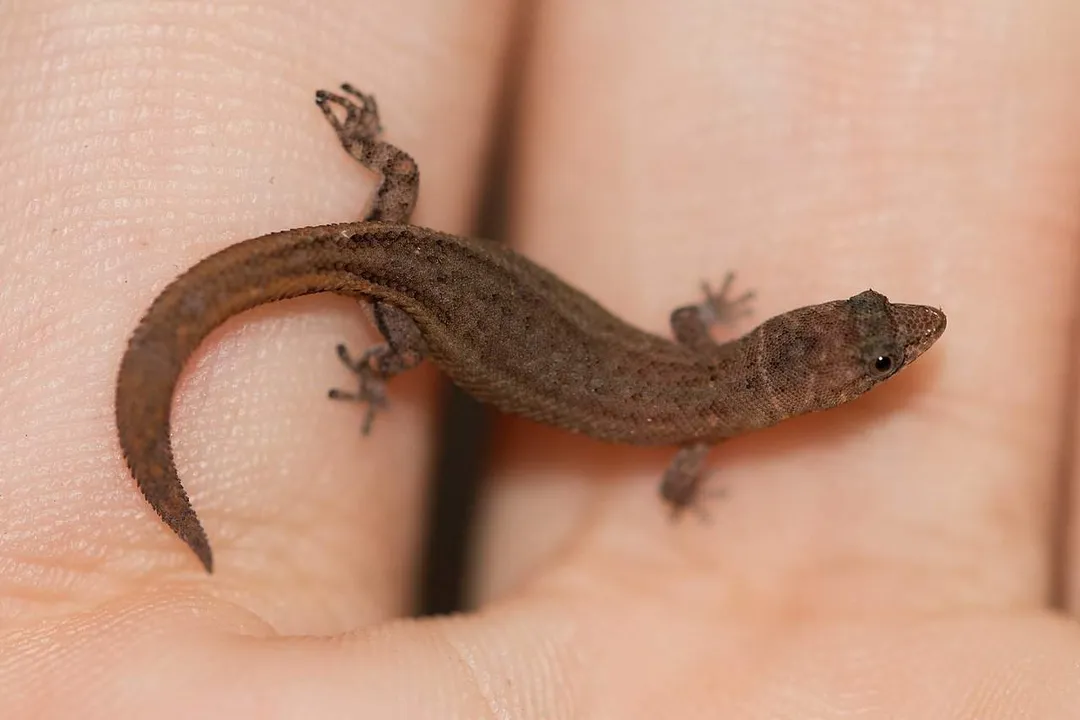
The Virgin Islands Dwarf Gecko, scientifically known as Sphaerodactylus parthenopion, presents a fascinating study in miniaturization and survival within the Caribbean ecosystem. While much about this elusive reptile remains mysterious due to its small size and preference for deep cover, its dietary habits are intrinsically linked to the environmental pressures it faces daily. Understanding what sustains this tiny creature helps paint a clearer picture of its existence on the islands of the British Virgin Islands, such as Virgin Gorda, Tortola, and Moskito Island.
# Miniature Carnivore
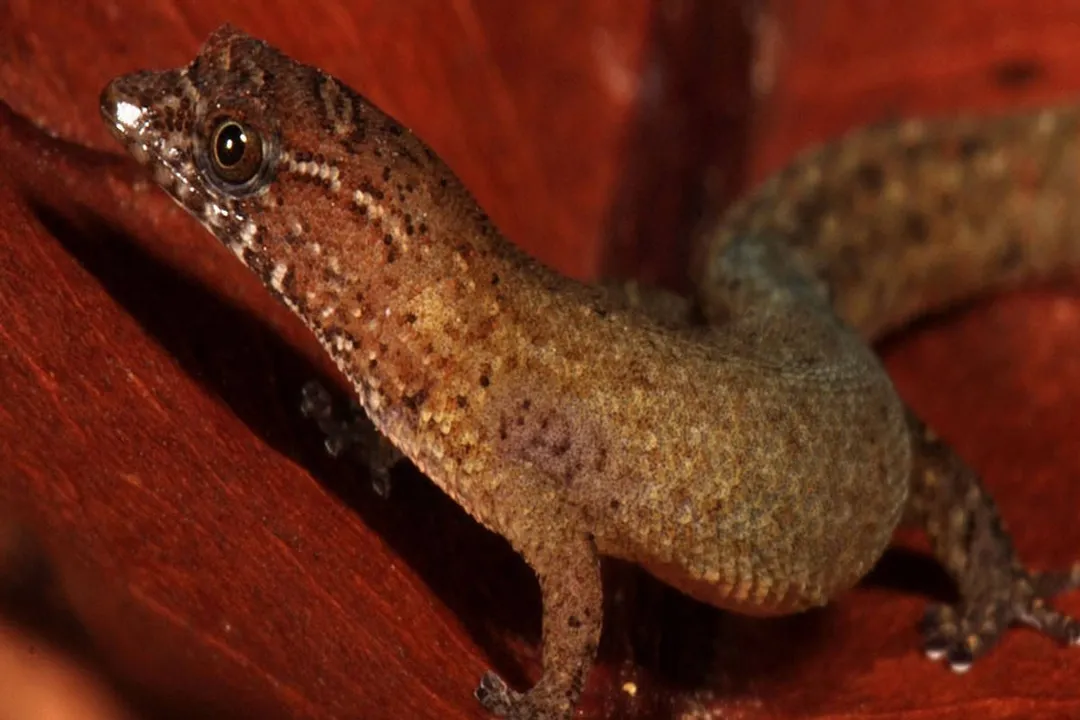
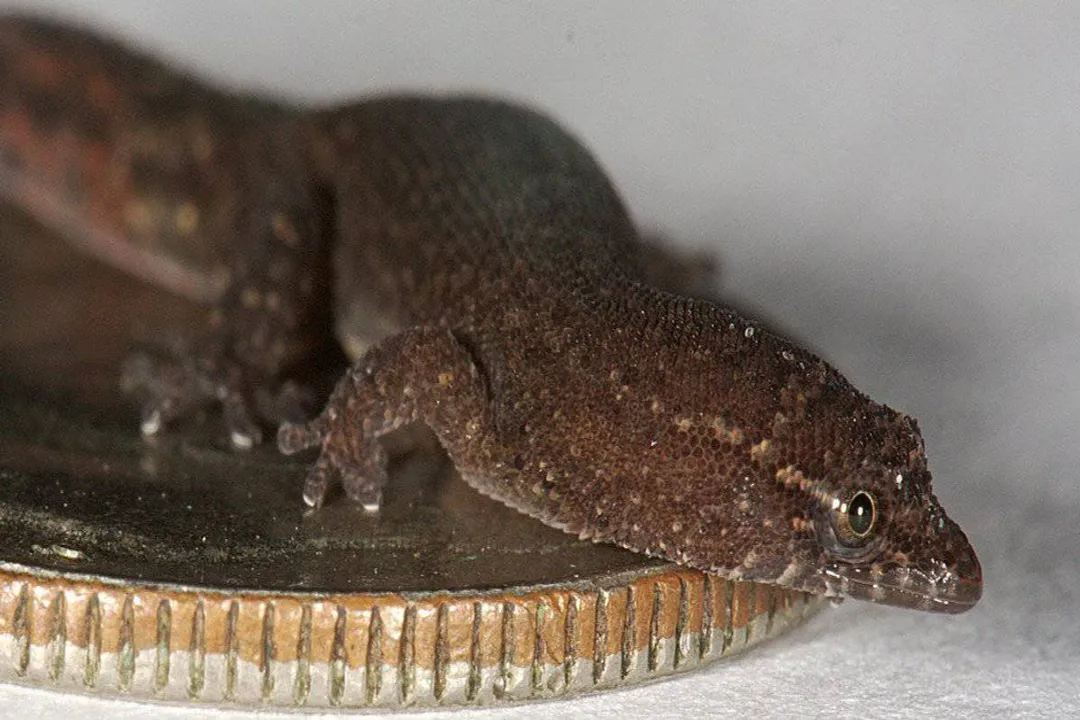
This gecko is remarkable not just for its habitat preference, but for its sheer scale. Measuring only about one to two inches long, with an average snout-to-vent length around $18$ millimeters, it rivals the Jaragua dwarf gecko as one of the smallest known terrestrial vertebrates. This extreme lack of bulk creates a massive surface-area-to-volume ratio problem, forcing the gecko to dedicate significant survival effort to water retention. The diet, therefore, must be efficient and readily available to support its active, albeit brief, existence.
Classification places the Virgin Islands Dwarf Gecko firmly in the carnivore camp, specifically within the insectivore category. For an animal this small, its feeding strategy is about precision and quantity of tiny meals rather than tackling large prey items. Like many other gecko species, it utilizes its quick reflexes to successfully capture its food.
# Primary Menu Items
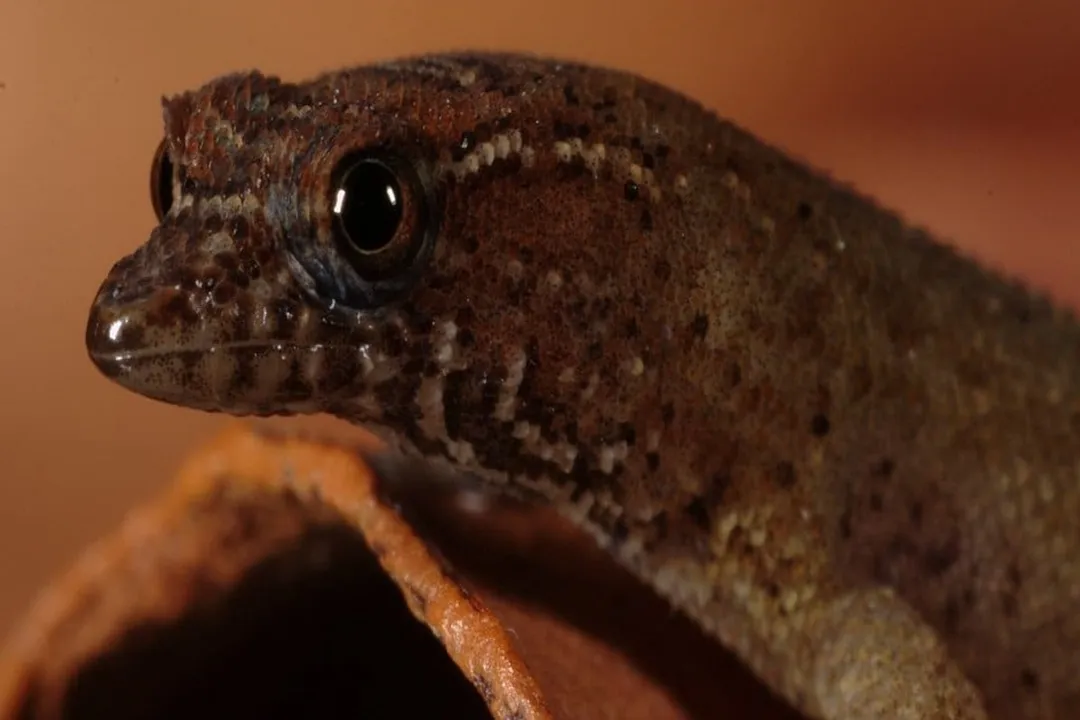
The staple of the S. parthenopion diet consists of insects and spiders. This aligns perfectly with what is expected of a micro-predator inhabiting terrestrial environments like dry scrub forests on rocky hillsides. Given its minute size, the gecko is restricted to consuming the smallest arthropods available in its immediate surroundings.
Sources suggest that this gecko actively stalks its prey, dispatching it quickly with its relatively long tongue. While specific species of prey are not extensively documented, the menu likely includes mites, small ants, springtails (collembola), or tiny spiders that share the same humid retreats. The ability to consume several small insects throughout a single day suggests that feeding activity must be frequent to meet its basal metabolic requirements.
| Prey Category | Relevance to S. parthenopion | Citation |
|---|---|---|
| Insects | Primary food source | |
| Spiders | Included in the primary diet | |
| Plant Matter | Not part of the diet (Carnivore/Insectivore) |
# Water Conservation and Foraging
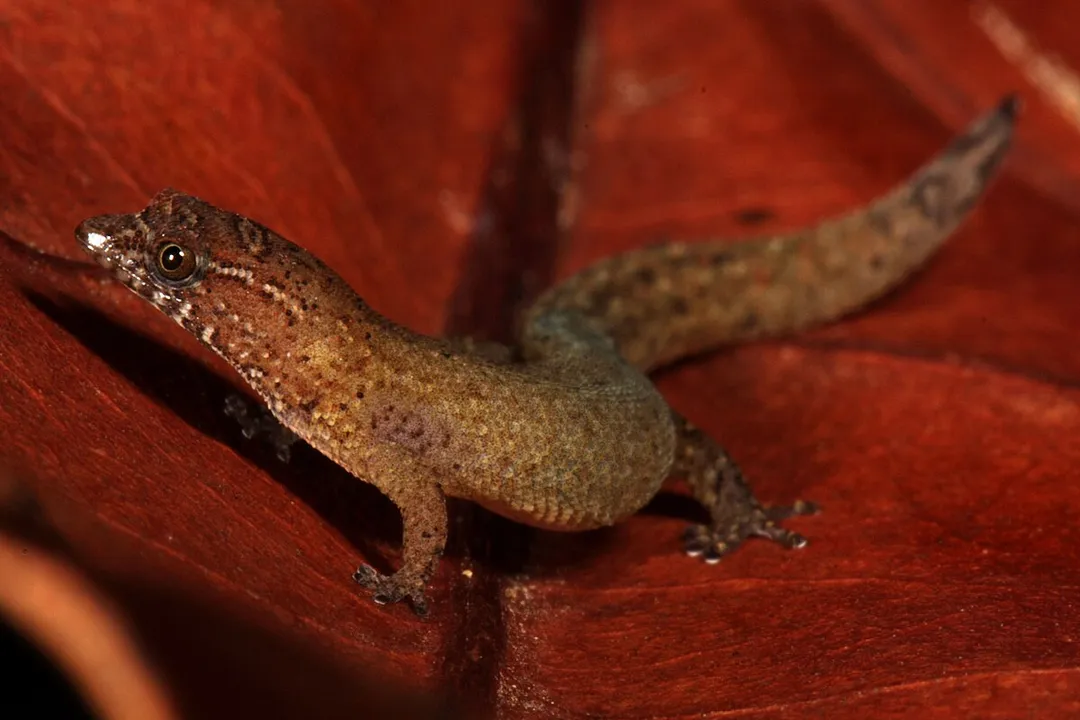
The need to conserve moisture heavily dictates when and where this gecko hunts. Unlike true desert lizards, the Virgin Islands Dwarf Gecko lacks specialized adaptations to slow down water loss; it loses water about $70%$ faster than its larger relative, the big-scaled least gecko (S. macrolepis). Consequently, its survival strategy revolves around inhabiting humid microhabitats within its generally drier scrub forest niche.
These favored spots are typically the cool undersides of rocks or beneath leaf litter—places where moisture lingers even when the surrounding environment is arid. This dependence means that successful foraging is confined to these shaded, damp locations, or perhaps occurs during cooler, wetter times, like during the height of the rainy season when they time their breeding. The gecko reduces its activity during the driest parts of the day to further limit water evaporation. It is in these sheltered, relatively consistent microclimates that the day's catch—the small insects and spiders—will be found hiding as well.
Considering this critical need for moisture retention, the caloric content of the prey becomes an important factor. Since movement increases water loss, the gecko needs prey items that offer a high return on investment in terms of energy gained versus water expended during the hunt. An insect that is quick to catch and provides substantial fat storage, perhaps even in its tail as hypothesized for other geckos, would be an ideal find. This suggests a behavioral preference for prey that is not only small enough to consume but perhaps less mobile or slower moving than quicker, drier-habitat bugs, allowing for a swift, low-energy strike.
# Captive Versus Wild Intake
For many geckos kept as pets, the diet is managed through captive-bred feeders like crickets, mealworms, or fruit flies. While the S. parthenopion is rarely available in the pet trade due to its elusive nature and tiny size, anyone observing or caring for a similar small Sphaerodactylus species should recognize the challenges inherent in replicating the wild diet. In the wild, the gecko consumes whatever small arthropods are naturally occurring in the specific island's rock crevices and leaf debris.
This leads to a significant knowledge gap: the exact spectrum of prey available to the wild population is largely undocumented. An expert trying to create a captive diet would need to source invertebrate prey that matches the size profile—perhaps only first or second-instar insects or minute spiders—which can be difficult to source consistently compared to standard reptile feeders. Furthermore, these specific native arthropods may carry unique micronutrients or hydration levels provided by the island's unique flora, which standard captive diets might miss entirely. A diet for a captive dwarf sphaero, therefore, demands careful supplementation to account for the likely nutritional diversity provided by a varied, wild-collected menu. The reliance on hiding beneath rocks suggests a diet high in soil-dwelling or detritus-associated invertebrates, something easily overlooked when simply offering flying insects in a dish.
# Behavioral Diet Clues
Beyond what they eat, S. parthenopion exhibits behaviors that hint at their feeding patterns. The species is thought to be solitary outside of mating season. In territorial species, basking spots are often defended. In the context of the dwarf gecko, a "favorite basking spot" may be more accurately described as a "favorite, optimally humid, insect-rich hiding spot." The energy expenditure required for defending territory must be balanced by the caloric intake from that territory's inhabitants, suggesting that territoriality is directly tied to the productivity of a small, resource-rich microhabitat. The entire life strategy of this minuscule lizard seems to orbit around maximizing resource acquisition (insects) while minimizing expenditure (water loss and movement).
Related Questions
#Citations
Virgin Islands Dwarf Gecko - A-Z Animals
Virgin Islands Dwarf Gecko Facts & Photos - Wowzerful
Virgin Islands dwarf sphaero - Wikipedia
Virgin Islands dwarf sphaero - Facts, Diet, Habitat & Pictures on ...