Virgin Islands Dwarf Gecko Evolution
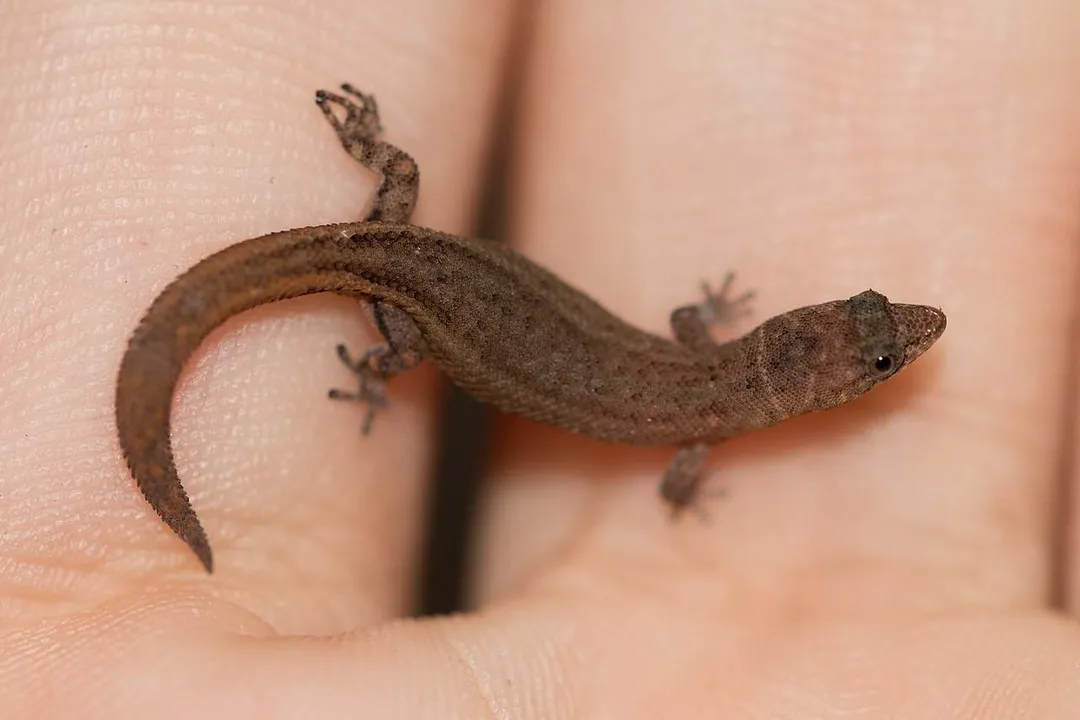
The story of the Virgin Islands Dwarf Gecko, Sphaerodactylus parthenopion, is one of miniature extremes forged by isolation and deep time. This reptile, barely exceeding the length of a standard paperclip, represents a specialized branch of life that thrived by getting incredibly small on a chain of Caribbean islands. [1][2] For evolutionary biologists, these minute lizards offer a compelling case study in island biogeography, adaptation, and the processes of speciation that sculpt biodiversity across isolated archipelagos. [5][9] Understanding where this tiny creature came from requires looking not just at the few islands it inhabits today, but at the broader, ancient radiation of its genus across the West Indies. [5][8]
# Island Scale
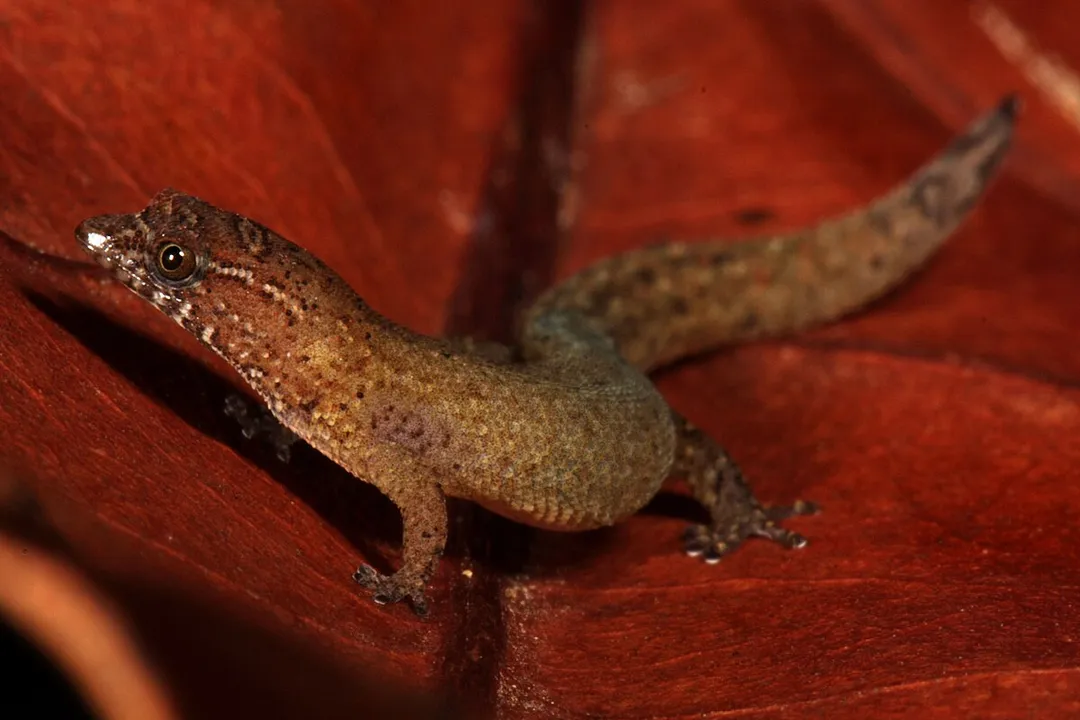
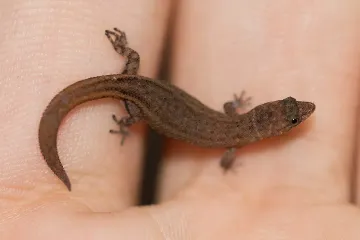
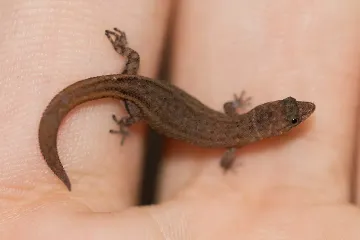
The sheer diminutive nature of Sphaerodactylus parthenopion is perhaps its most defining characteristic when viewed by an observer today. [2] Males typically measure around 38 millimeters (1.5 inches) in snout-vent length, with females being slightly larger, reaching lengths near 45 millimeters (1.8 inches). [6] To put this into perspective, a typical observation notes that the gecko is so small it can often rest comfortably on a person’s thumbnail. [7] This species is recognized as one of the smallest lizards globally, a trait that highlights the intense selective pressures associated with island life. [1]
This gecko is endemic to a very specific, small area within the Virgin Islands, primarily found on St. Thomas and nearby cays in the US Virgin Islands, and also on Tortola and Virgin Gorda in the British Virgin Islands. [1] Its distribution is restricted to terrestrial environments, usually among rocks and dense vegetation in humid forests or scrub, demonstrating a preference for cover and moisture. [2] Being small on an island often means lower resource requirements, which can be a significant advantage in environments where food and space are limited.
# Genus Lineage
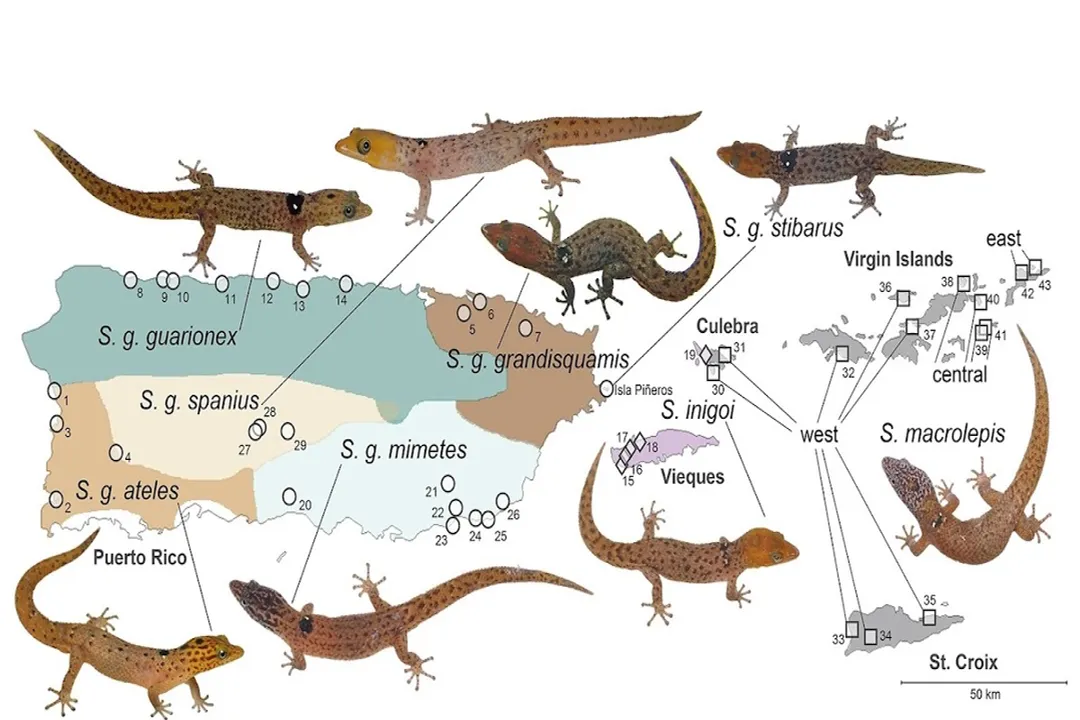
To appreciate the evolution of the dwarf gecko, one must place it within the context of its larger family, the Sphaerodactylus genus. [5] This group is famously diverse and widespread across the Greater and Lesser Antilles, making it a prime system for studying island evolution, sometimes referred to as a "natural laboratory" for evolutionary biologists. [5][9] Studies focusing on phylogenetic relationships within Sphaerodactylus have revealed deep divergence patterns, suggesting that the lineage has a long history in the Caribbean basin. [5]
Genetic work on this genus indicates that diversification events often align with major geological or sea-level changes in the region, suggesting that the fragmentation of landmasses—whether through the creation of islands or changes in sea level isolating populations—has been a major driver of speciation. [5][9] The evolutionary history of the Sphaerodactylus radiation in the Puerto Rico area, for example, shows clear evidence of distinct colonization events followed by subsequent, rapid diversification on newly formed or isolated landforms. [9] While S. parthenopion is part of this wider radiation, its specific evolutionary trajectory is linked to the unique formation history of the Virgin Islands archipelago itself.
# Genetic Splits
Molecular data provides a clearer picture of how recently some of these species diverged. Research into the genetic makeup of Sphaerodactylus species has confirmed complex relationships, where traditional morphological classifications sometimes masked actual evolutionary distances. [5][8] The ability to sequence and compare DNA allows scientists to estimate divergence times, revealing which island populations split off from others and how long they have evolved independently. [8]
One fascinating aspect illuminated by recent genetic studies concerns the patterns of dispersal versus vicariance—did the ancestor arrive by flying/floating to a new island (dispersal), or was a population split because an island formed and separated it from the mainland (vicariance)? For many Antillean species, the answer is a mix, but the deep roots of the Sphaerodactylus genus suggest ancient vicariance events played a significant role in establishing the major clades. [5] When considering the Virgin Islands group, including S. parthenopion (which is part of the S. vinitor group according to some classifications), [1] the precise placement relative to relatives on nearby islands like St. Croix or Puerto Rico dictates whether its tiny size is an ancient trait retained from a basal ancestor or a recent adaptation resulting from insular dwarfism. [3][9]
For instance, comparisons of color morphs within other Sphaerodactylus species show that distinct genetic lineages often correspond to specific visual traits, suggesting that adaptation related to camouflage or signaling can rapidly become fixed in isolated populations. [3] While S. parthenopion itself is generally known for a relatively uniform appearance, this capacity for rapid genetic and resulting morphological change is a hallmark of the genus. [3]
It is worth noting that the isolation on these islands, which resulted in the establishment of S. parthenopion, has led to unique genetic signatures. When considering the geological timeline, if the divergence time calculated from the genetics of S. parthenopion is significantly older than the current surface geology of the smaller cays it inhabits, it implies that the species survived periods when these cays were submerged or connected to larger islands, a scenario that places an extreme burden of survival on small, isolated populations. [5] This persistence through geological change is an impressive, albeit often invisible, evolutionary achievement.
# Size Evolution
The evolution toward extreme small size, or nanism, in island reptiles is a well-documented phenomenon, and the Virgin Islands Dwarf Gecko is a premier example. [6] Small size can evolve due to several pressures: reduced resource availability, fewer predators (or specialized, very small predators), or simply the "founder effect" where the original colonizing individuals were already small. [1]
In the case of S. parthenopion, the extreme reduction in body size likely provided a distinct advantage in the microhabitats it occupies—the leaf litter, rock crevices, and under bark of small bushes. [2] Smaller creatures require less food, can hide more effectively, and mature faster, which are beneficial traits when the available niche space is tight and populations are small. [1] An interesting consequence of this evolutionary path is that smaller body size often correlates with shifts in reproductive strategy, such as fewer, smaller clutches or even parthenogenesis in related species, though S. parthenopion is known to reproduce sexually. [1][5]
# Color Variation
While the physical size is an easy feature to observe, genetic work often focuses on observable traits like coloration, which can be subject to strong selection pressures, especially camouflage on different substrate types common across the Virgin Islands. [3] Studies on the genus have shown that coloration patterns can evolve very quickly, sometimes leading to what appear to be distinct species based only on hue or pattern, even if genetic separation is not yet complete. [3]
In Sphaerodactylus, different color morphs can be maintained within populations or become fixed in isolated micro-populations. [3] The relatively restricted and patchy distribution of S. parthenopion suggests that localized environmental differences—perhaps variations in soil color, lichen growth on rocks, or even differing light penetration in the understory vegetation between St. Thomas and Tortola—could have driven the fixation of slightly different color characteristics in those isolated demes over time. [1][3] While comprehensive data specifically detailing multiple stable color morphs for S. parthenopion is less emphasized in the general overview sources, the context provided by research on its congeners implies that its current appearance is the result of fine-tuning camouflage to its specific micro-island habitats. [3] The consistent description of the species points toward strong stabilizing selection keeping the current morphology dominant across its range, contrasting with sister species that might exhibit greater color polymorphism. [1][6]
# Taxonomic Classification
The taxonomic identity of the gecko has been stable, placing it firmly within the genus Sphaerodactylus and the family Sphaerodactylidae. [1][4] The specific epithet parthenopion is derived from Greek, hinting at the species' seemingly independent existence or unique nature. [1] While the taxonomy appears settled for this species, its placement within the broader Sphaerodactylus phylogeny has seen refinement through genetic sequencing. [5][8] Revisions in reptile taxonomy often rely on these molecular markers to properly group species that look similar but have been separated for millions of years, or conversely, to lump together populations that look different but are genetically very close. [5]
The ongoing work to resolve the relationships among the numerous small Sphaerodactylus species underscores the dynamic nature of evolutionary classification. [8][9] For S. parthenopion, confirmed identification relies on specific morphological traits alongside geographical location, especially when distinguishing it from other closely related dwarf geckos that might share parts of the Caribbean landscape. [4]
# Conservation Outlook
The evolutionary story of S. parthenopion is inherently tied to its conservation status. [1] Species that evolve on small, highly restricted island ranges are inherently vulnerable to disturbance, a concept often summarized as high endemism risk. [9] Because this gecko is restricted to just a few islands and cays, any significant habitat change—such as coastal development, the introduction of invasive predators (like rats or predatory ants), or the effects of climate change altering island humidity or increasing storm severity—can have catastrophic consequences for the entire species. [1][2]
Understanding its evolutionary history—specifically, whether its dispersal capabilities are limited (suggesting a slow recovery from population crashes) or if it has deep resilience rooted in surviving past geological upheavals—is vital for effective management. If the species arose from a single dispersal event relatively recently, its genetic diversity might be low, making it less able to adapt to new diseases or environmental stressors compared to a species whose ancestors have persisted through multiple island-merging and splitting cycles. [5] Protecting the unique, small-scale environments that shaped this reptile's evolution is the most direct way to ensure its continued existence in the wild. [1]
Related Questions
#Citations
Virgin Islands dwarf sphaero - Wikipedia
Virgin Islands Dwarf Gecko - A-Z Animals
[PDF] Clarifying a male color morph of Sphaerodactylus macrolepis ...
Virgin Gorda Least Gecko (Sphaerodactylus parthenopion) · iNaturalist
Colonization of islands in the Mona Passage by endemic dwarf ...
Virgin Islands dwarf sphaero - Facts, Diet, Habitat & Pictures on ...
Just how tiny is the Virgin Islands dwarf sphaero (Sphaerodactylus ...
Molecular phylogeny of Puerto Rico Bank dwarf geckos (Squamata
Systematics and Biogeography of the Puerto Rican Dwarf Geckos ...