Virgin Islands Dwarf Gecko Locations
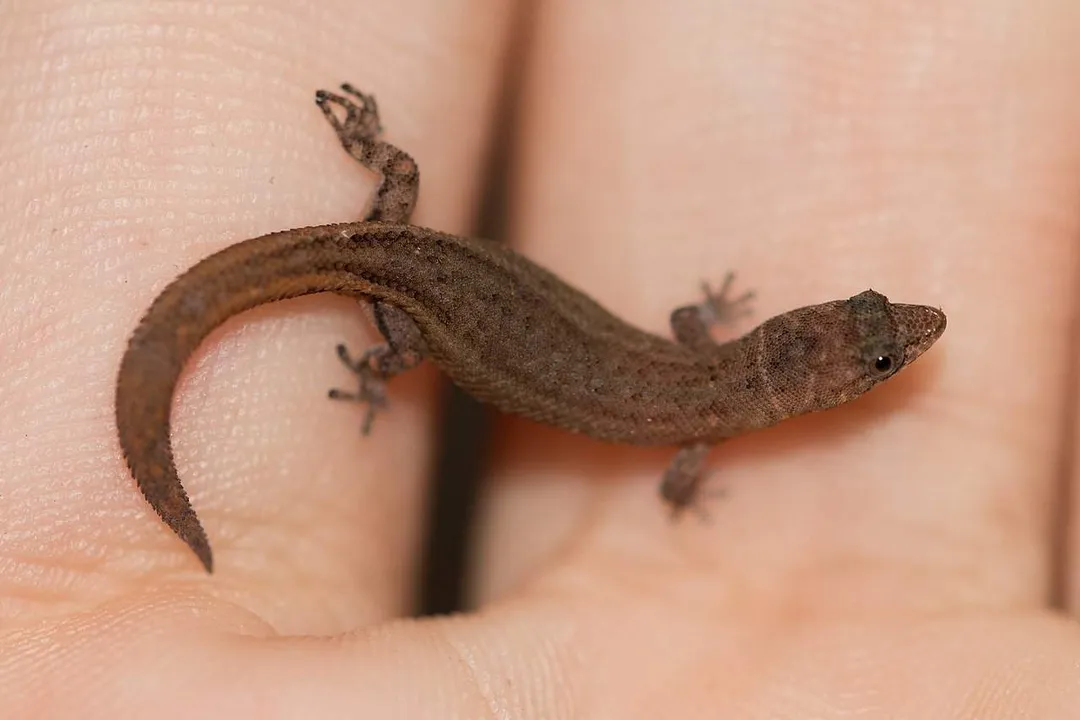
The search for the Virgin Islands dwarf gecko, scientifically known as Sphaerodactylus parthenopion, is a unique exercise in island biogeography, defined entirely by its extremely narrow geographic boundaries. This creature, one of the smallest known terrestrial vertebrates on Earth, presents a fascinating challenge for naturalists, as locating it requires understanding not just which islands it inhabits, but precisely where on those islands it manages to survive. Its diminutive size, averaging about 18 millimeters from snout to vent—comparable to a U.S. dime—means that even if a larger population exists elsewhere, confirming its presence is notoriously difficult due to its ability to camouflage and its highly specific shelter requirements.
# Discovery And Identity
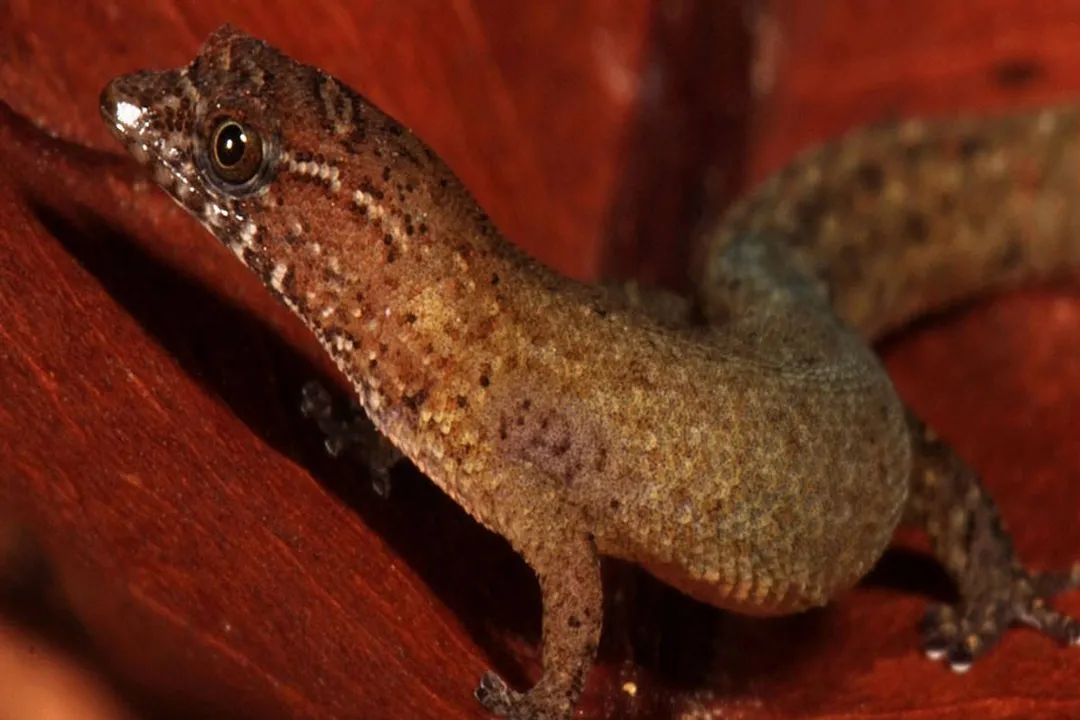
The species belongs to the genus Sphaerodactylus, often called dwarf sphaeros or dwarf geckos, which features numerous small species scattered across the Caribbean and Central America. The S. parthenopion was officially described after being discovered in the summer of 1964 by biologist Richard Thomas. The initial discovery site—and the location that gives one of its common names—was the island of Virgin Gorda in the British Virgin Islands (BVI). The very first specimen was collected on a hillside above Pond Bay. While its physical characteristics, such as scale counts and a specific head pattern, distinguish it, its most defining feature remains its status as an ultra-miniature reptile.
# Confined Geography
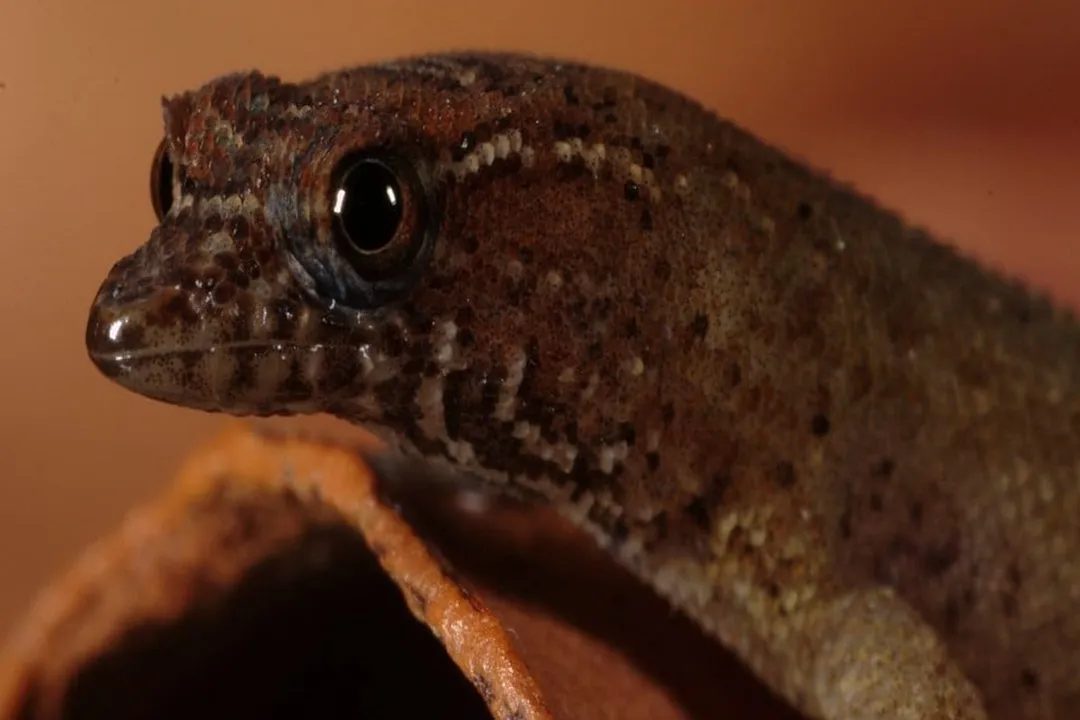
The most authoritative information points to an exceedingly restricted distribution, which is the primary driver behind its conservation concern. The Virgin Islands dwarf gecko has only ever been reliably documented on three specific islands, all part of the British Virgin Islands archipelago. These confirmed locations are:
- Virgin Gorda: The type locality, where it was first found.
- Tortola: Later reports confirmed its presence here.
- Moskito Island (also spelled Mosquito Island): Another confirmed location.
The original expedition that defined the species failed to find specimens on other BVI landmasses, such as Anegada, or any of the islands belonging to the United States Virgin Islands (USVI), including Saint Croix, Saint Thomas, and Saint John. This distinction between the BVI and USVI is crucial for researchers tracking the species’ true range.
# Habitat Niches
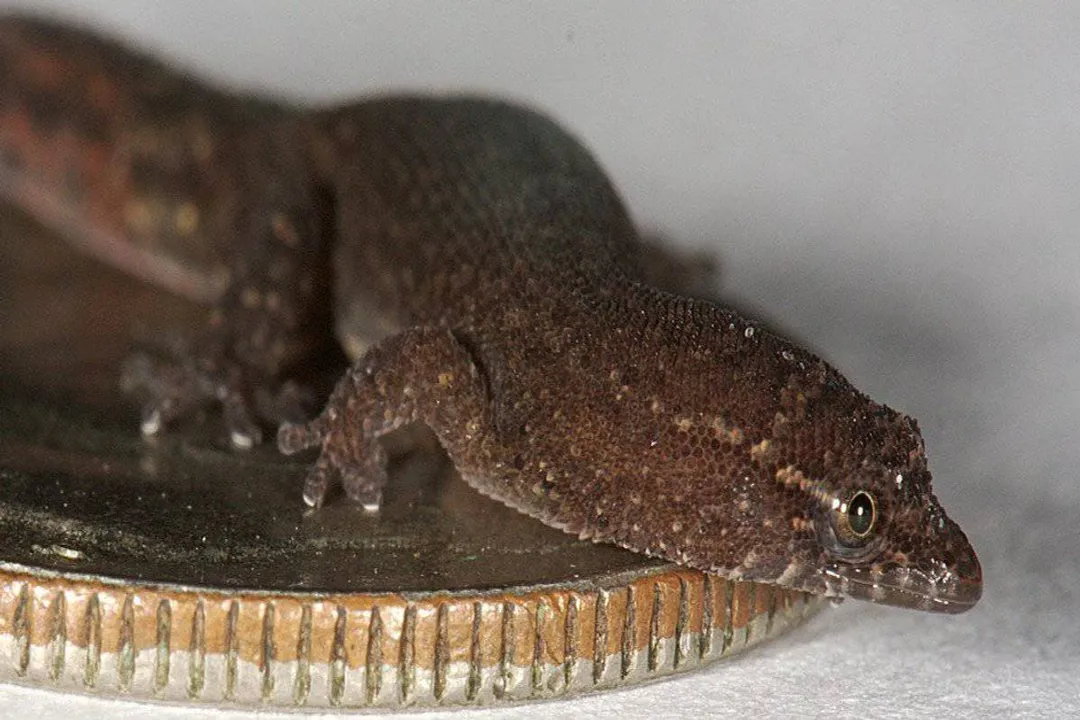
Understanding the gecko’s habitat is as important as knowing the island names, as its survival hinges on specific environmental conditions. The S. parthenopion favors dry, or xeric, scrub forests, typically situated on rocky hillsides and often mixed with thorny scrub and cacti. Although it can be found near sea level, scientists have noted it does not inhabit the immediate littoral zone, meaning it avoids the beach areas with seaweed litter or rotting palm debris.
This preference for dryness is countered by a significant biological hurdle: due to its tiny volume relative to its surface area, the gecko suffers from rapid water loss, losing water approximately 70% faster than the larger S. macrolepis, a bigger gecko that shares the same general territory. To compensate for this, the dwarf gecko strategically occupies moist microhabitats within its dry surroundings. They are rarely found swarming in leaf litter, preferring instead to hide under rocks. This search for cool, damp refugia under stable objects defines their micro-location within the macro-habitat of the rocky hillside.
# Conflicting Geographical Data
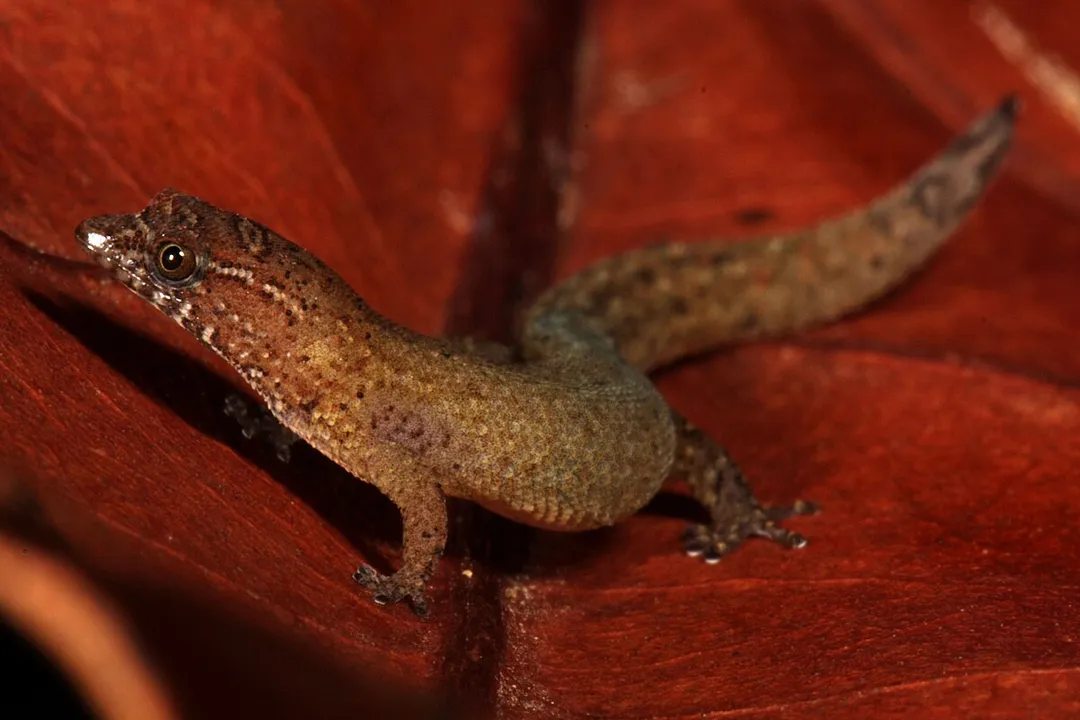
It is worth noting that not all published accounts align perfectly with this consensus view of a restricted BVI range. One source suggests that the species is found across the broader "Virgin Islands" and specifically lists St. Thomas, St. John, and St. Croix as locations where the gecko thrives, also noting its preference for sandy areas. Furthermore, this conflicting report assigns the gecko a conservation status of Least Concern. This presents a significant data variance against the IUCN's classification of Endangered (EN), which is based directly on the severely limited range confined to the BVI islands mentioned previously. When dealing with such a rare species, the distinction between the USVI and BVI is paramount; the scientific literature strongly supports the BVI-only distribution, implying that the USVI records may refer to a different, potentially related, Sphaerodactylus species, or perhaps represent an unverified claim.
# Evolutionary Isolation Context
The geographical arrangement of this species and its relatives provides further insight into its current locations. S. parthenopion is suspected to be a close relative of S. nicholsi, a dwarf sphaero endemic to nearby Puerto Rico. Biogeographically, this separation is unusual because another species, S. townsendi, occupies the area between these two populations. This suggests a complex evolutionary history where S. parthenopion and S. nicholsi diverged before S. townsendi evolved or colonized the intervening space, effectively isolating the tiny gecko onto its few specific BVI landmasses.
This high degree of isolation makes the gecko particularly vulnerable to localized threats, such as the development proposal once considered for Moskito Island, which generated concern that the introduction of an outside predator could swiftly eradicate the entire global population of this rare lizard.
If one were to attempt to locate this elusive lizard for ecological survey purposes, understanding the threat of desiccation is key to predicting its exact whereabouts. Since the gecko has no special adaptations to prevent water loss and loses moisture rapidly, its survival depends on finding the moistest, darkest crevices available in the dry, rocky landscape. Therefore, the most promising micro-locations within the three confirmed islands would be the undersides of large, stable rocks that retain ground moisture well into the day, situated on the upper slopes of hillsides rather than the exposed, dry, sandy zones. A practical approach, therefore, must prioritize searching within established, less disturbed rocky outcrop areas on Virgin Gorda, Tortola, and Moskito Island, avoiding areas that may have been recently cleared or developed. The fact that its sympathetic species, S. macrolepis, occupies the leaf litter zone provides a clear ecological partitioning, guiding observers away from the deep soil to the stable stone structures.
# Small Size Survival Tactics
The life strategy of S. parthenopion is entirely dictated by its size, which forces specific behavioral adaptations tied to location and time. It survives the arid environment not by changing its physiology, but by changing its schedule and location relative to precipitation. It adjusts its breeding cycle to ensure young hatchlings emerge during the rainiest time of the year. Furthermore, it reduces its activity during the hottest, driest parts of the day, meaning that observation efforts focused during midday heat are almost guaranteed to yield no results. The general consensus is that the species is terrestrial, solitary, and highly dependent on external temperatures, further cementing the need for specific, stable micro-locations to regulate body heat and water balance.
# Final Conservation Snapshot
The official classification as Endangered is a direct result of this minute geographic footprint. Limited range means any single catastrophic event—a major hurricane, significant new construction, or the introduction of a persistent invasive predator—could have devastating, possibly terminal, effects on the entire species. While the population size remains largely unknown due to the difficulty of surveying such small, cryptic animals, the known locations on those three British Virgin Islands remain the known entirety of its world. The ongoing scientific focus remains on protecting these specific island fragments and their unique, sun-scorched yet stone-shaded habitats.
Related Questions
#Citations
Virgin Islands dwarf sphaero - Wikipedia
Virgin Islands Dwarf Gecko - A-Z Animals
Virgin Islands dwarf sphaero Facts for Kids
Virgin Islands Dwarf Gecko Facts & Photos - Wowzerful
Virgin Islands dwarf sphaero - Facts, Diet, Habitat & Pictures on ...
The Virgin Islands dwarf sphaero is a species of gecko has ... - Reddit