Virgin Islands Dwarf Gecko Facts
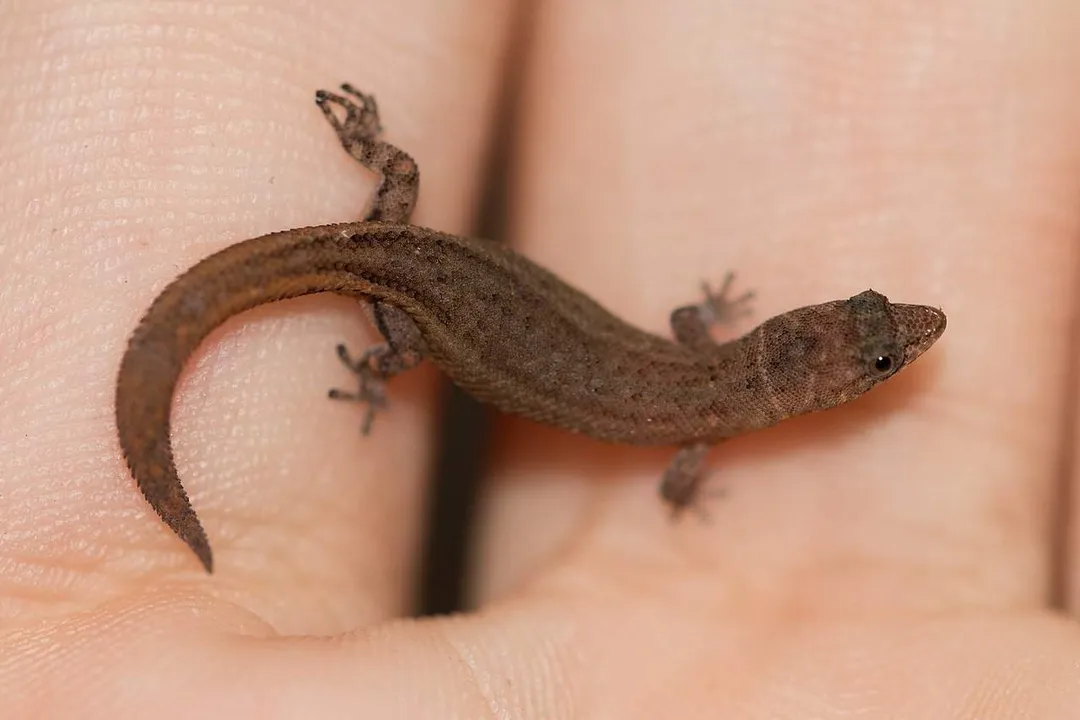
The Virgin Islands Dwarf Gecko, or Sphaerodactylus parthenopion, represents one of nature’s most astonishing feats of miniaturization in the reptile world. [1][4] Far from being just another lizard, this species holds a prestigious spot as one of the smallest lizards globally, a fact that immediately captures the attention of herpetologists and nature enthusiasts alike. [2][5] Understanding this diminutive creature requires looking closely at its specialized niche within the Caribbean environment, as its survival hinges on its extremely small stature. [1]
# Size Marvel
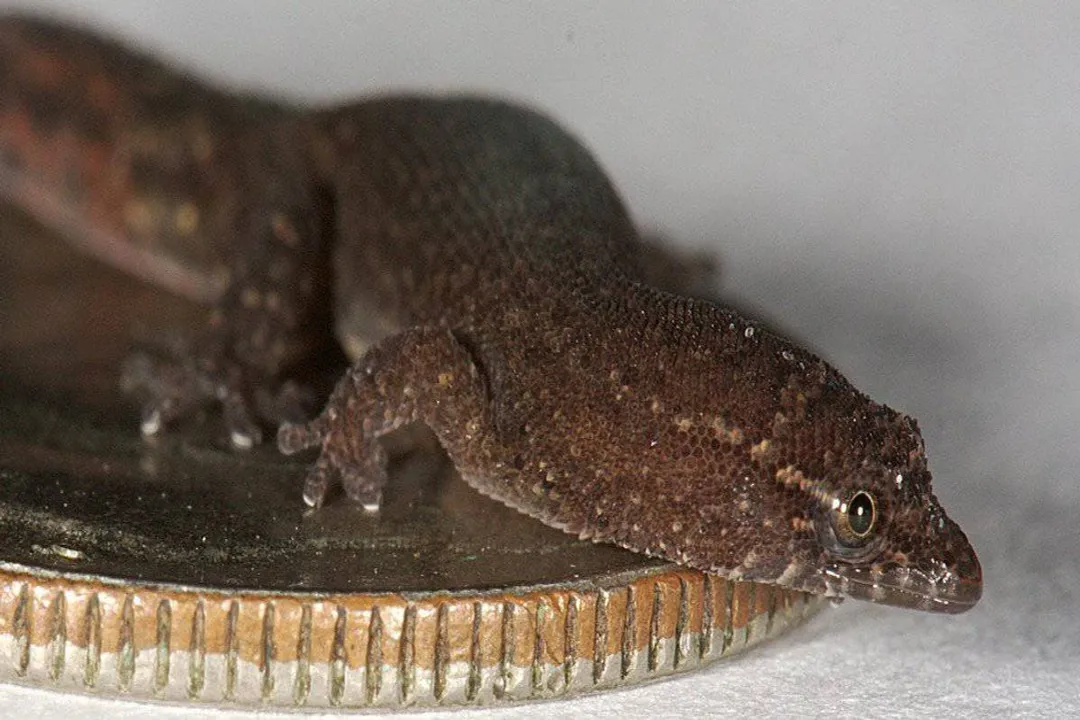
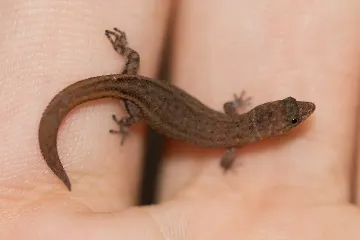
The most defining characteristic of this gecko is its incredibly small size. [1] While specific measurements can vary, the Virgin Islands Dwarf Sphaero is often cited as being less than an inch in total length, sometimes measuring only about half an inch from snout to vent. [2] This places it in direct competition for the title of the world’s smallest lizard, depending on the measurement method used—snout-vent length versus total length—and which other miniature species is currently being discussed. [2][5] To put this scale into perspective, a mature adult could easily perch unnoticed on a dime or disappear completely into the fold of a large leaf. [1] This evolutionary trend towards extreme miniaturization on islands often suggests intense selective pressure, perhaps favoring individuals that require fewer resources or can hide more effectively in the scant microhabitats available, such as within the detritus layer of the forest floor. [1]
# Island Location
As its common name suggests, the native range of S. parthenopion is restricted to the Virgin Islands. [1][4] Its presence is noted across this archipelago, though some of the most famous sightings have occurred on privately owned islands. [9] For instance, Necker Island, part of the British Virgin Islands and known for its association with Sir Richard Branson, is documented as a habitat for this tiny gecko. [9] This restricted geographic distribution makes the species highly sensitive to local environmental changes, as there is no secondary population reservoir elsewhere in the world to buffer against localized threats. [4]
# Physical Traits
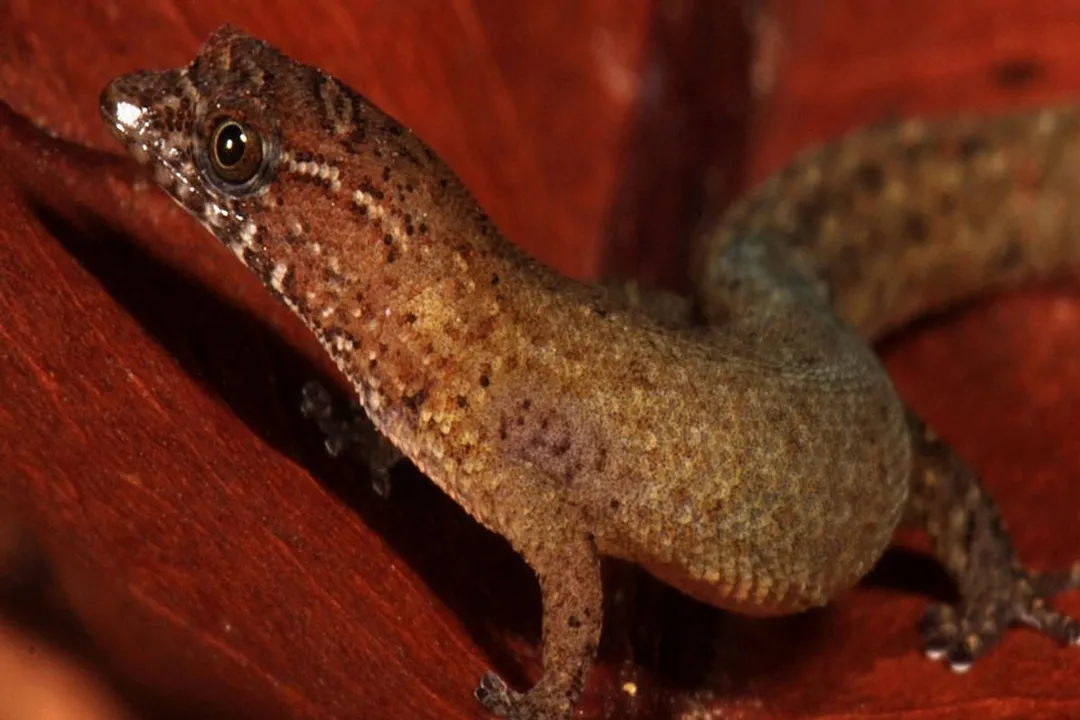
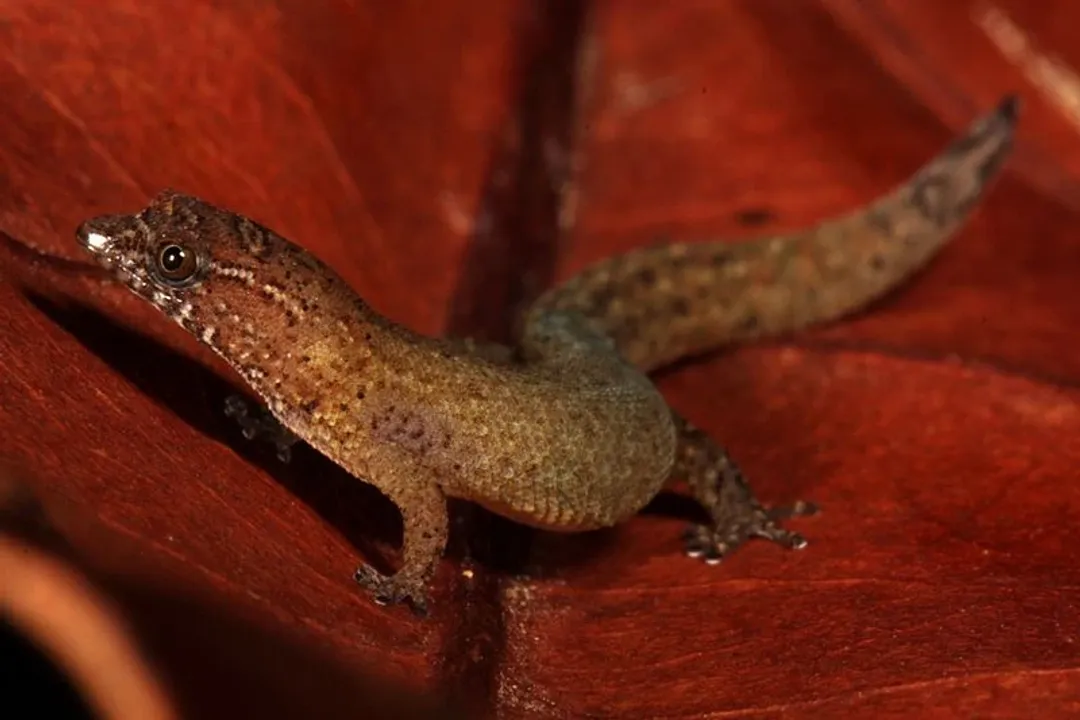
While its size is its claim to fame, the physical appearance of the Virgin Islands Dwarf Gecko is also worth noting. [1] These small lizards typically exhibit mottled coloration, often blending shades of tan, brown, or gray, which provides excellent camouflage among the leaf litter, bark, or rocky substrates where they reside. [1] Like other geckos, they possess specialized toe pads that allow them to cling to smooth surfaces, though their terrestrial or near-terrestrial habits mean they may spend more time navigating the complex terrain of the forest floor than climbing vertical structures. [5] Although comprehensive data on every subspecies might be sparse, the general Sphaerodactylus genus is known for its granular or tubercular scales, which likely hold true for this diminutive member. [4]
# Habitat and Life
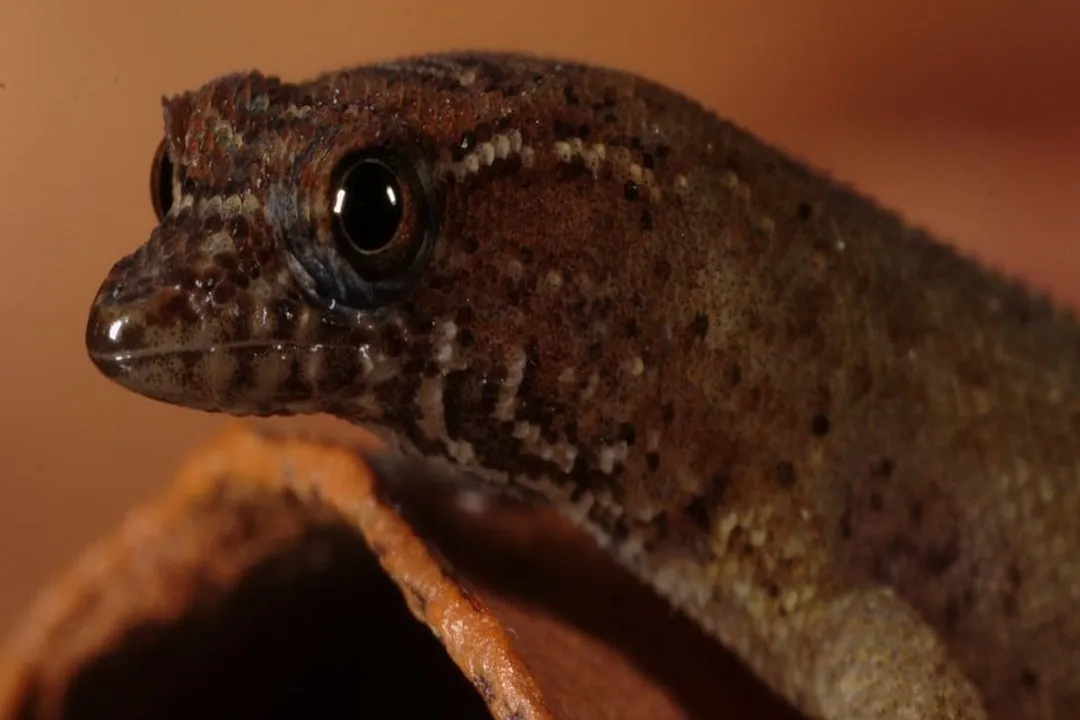
The specific ecological requirements for the Virgin Islands Dwarf Sphaero center around maintaining moisture and finding tiny prey items. [1] They are generally found in damp, shaded areas, such as under stones, within rotting wood, or deep within dense ground cover. [1] Their diet consists of the smallest invertebrates available—things like mites, springtails (Collembola), and other microscopic arthropods that thrive in the same humid microclimates. [1] Given their very small body mass and high surface area-to-volume ratio, regulating body temperature and preventing water loss is a constant challenge. [1] This physical constraint strongly implies that their daily activity is dictated by humidity levels, forcing them to retreat deep into substrate crevices during the hottest, driest parts of the day to avoid fatal desiccation. [1] It is fascinating to consider that an animal this small must constantly manage a thermal and hydrological environment on a scale almost invisible to us. [1]
# Classification Details
The scientific classification places this gecko within the family Gekkonidae and the genus Sphaerodactylus. [4] The genus Sphaerodactylus itself is famous for containing many of the world’s smallest reptiles. [4] The specific epithet, parthenopion, is unique to this species, distinguishing it within the broader group. [4] For keepers or researchers interested in taxonomy, knowing its placement helps contextualize its biology alongside its close relatives, many of which share similar small body plans but occupy different island niches across the Caribbean. [4]
# Conservation Concerns
Any species restricted to a small island chain faces inherent conservation risks, and the Virgin Islands Dwarf Gecko is no exception. [4] Habitat disturbance, climate change impacts on local humidity, and invasive species pose constant threats to its survival. [1] While some sources note the species as existing, [4] the very nature of its extreme rarity and confinement to specific, potentially fragile island habitats means its conservation status requires vigilant monitoring. [1] Protecting the specific, damp microhabitats—the leaf litter, the shaded rock piles, the understory vegetation—is paramount to ensuring this tiny lizard continues to thrive in its island home. [9] Any collection or disturbance on the islands where it resides must be approached with extreme caution due to its specialized life history. [1]
Related Questions
#Citations
Virgin Islands Dwarf Gecko - A-Z Animals
Just how tiny is the Virgin Islands dwarf sphaero (Sphaerodactylus ...
Virgin Islands Dwarf Gecko Facts & Photos - Wowzerful
Virgin Gorda Least Gecko (Sphaerodactylus parthenopion) · iNaturalist
Virgin Islands Dwarf Sphaero - Wild Kratts Wiki - Fandom
Virgin Islands dwarf sphaero Facts for Kids
Virgin Islands dwarf sphaero - Facts, Diet, Habitat & Pictures on ...
Virgin Islands dwarf gecko : r/reptiles - Reddit
Sir Richard Branson and the World's Smallest Gecko | BVI Holidays