Can you have a satanic leaf-tailed gecko as a pet?
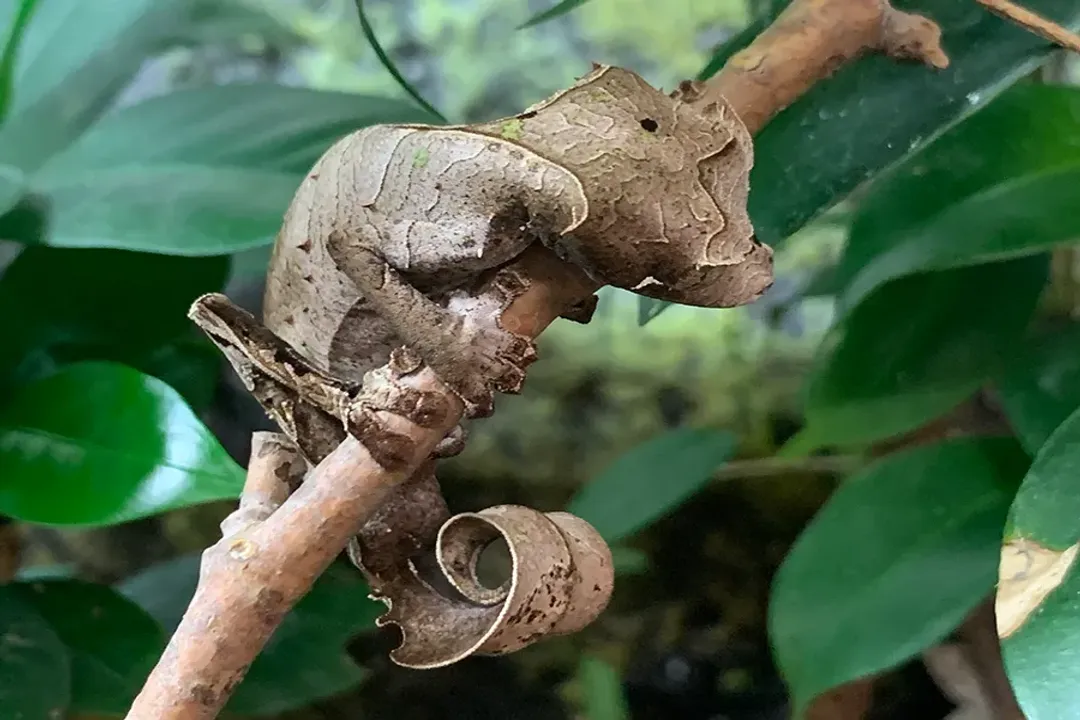
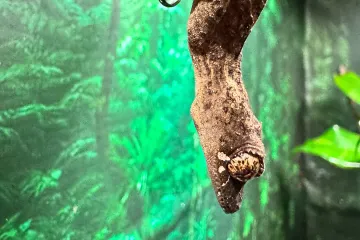
The Satanic Leaf-Tailed Gecko, Uroplatus phantasticus, presents one of the most astonishing examples of camouflage found in the reptile world, making the question of keeping one a common one among specialized reptile enthusiasts. Their common name is inspired by their appearance, which mimics a dead, decaying leaf, complete with vein-like patterns and a tail shaped precisely like a brittle leaf fragment. [2][6] This camouflage is so effective that spotting one in the wild is a significant challenge, let alone in a home enclosure. While their stunning looks inspire a desire for ownership, determining if they are suitable pets requires a deep dive into their specialized requirements, as they are decidedly not beginner-level reptiles. [3][4]
# Visual Identity
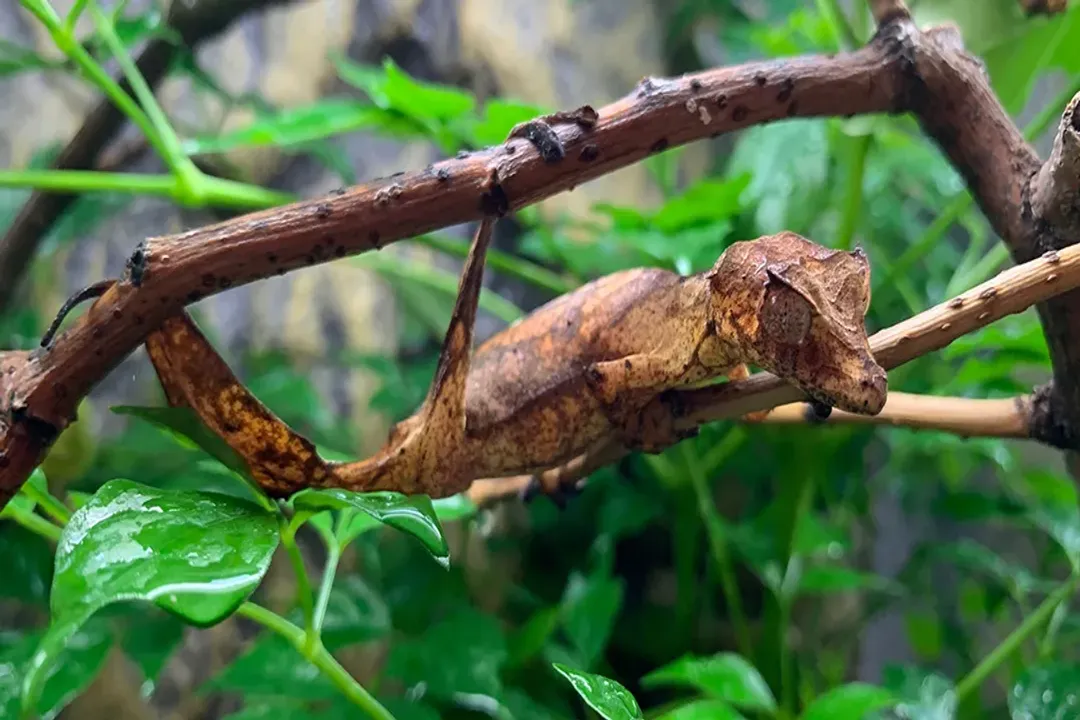
The Uroplatus phantasticus is instantly recognizable by its incredible mimicry. [6] They possess thin bodies, often featuring jagged, irregular edges that help them blend perfectly against bark and leaf litter. [1] Coloration varies widely, encompassing shades of brown, reddish-brown, or pale tan, all overlaid with patterns that mimic the deterioration of organic matter. [2] Males tend to be more brightly colored and patterned than females, and they may have small horns above their eyes, though not always prominent. [1] These geckos are relatively small, typically reaching an adult length of around 4 to 6 inches, including the tail. [4] Their eyes are large, a necessity for their nocturnal lifestyle, often featuring vertical pupils. [1]
# Pet Status
The direct answer to whether one can be kept as a pet is yes, provided the keeper has significant dedication and experience with advanced husbandry, as these are fragile, strictly display animals. [4] They are native to the rainforests of Madagascar. [1][4] This origin immediately signals a need for precise environmental parameters that mimic their native habitat, which can be difficult to replicate consistently. [3]
Many keepers describe them as strictly "look, don't touch" pets. [4] While they are not aggressive, they are easily stressed by handling. [4] Stress can manifest quickly, potentially leading to illness or refusal to eat. [8] They are arboreal and spend most of their time camouflaged motionless on vertical surfaces, often on thin branches or bark, waiting for prey. [7] An owner must accept that this species is kept for observation rather than interaction, much like observing an exotic piece of living art. [4]
# Enclosure Structure
Because Uroplatus phantasticus are arboreal, the structure of their enclosure must prioritize vertical space over floor space. [3][7] A minimum enclosure size recommended for a single adult is often cited as a 18" x 18" x 24" tall terrarium, though taller is always better. [4][9] The height allows for the creation of necessary vertical thermal and humidity gradients. [3]
The interior decor is critical for both environmental stability and the gecko's psychological well-being. They require a dense environment filled with climbing opportunities. [1] This means incorporating plenty of horizontal and diagonal branches of varying diameters, cork bark tubes, and dense, live or high-quality artificial foliage that allows them to hide completely during the day. [4][7] Substrate choice supports humidity maintenance; layers of chemical-free soil, coconut fiber, and sphagnum moss are commonly recommended to help hold moisture. [4][9]
# Climatic Control
Maintaining the correct temperature and humidity is arguably the most challenging aspect of keeping this species successfully. [3][9] They thrive in a specific tropical environment. Daytime ambient temperatures should generally hover between 75 to 80 degrees Fahrenheit, with a slight drop in the evening. [3][4] Basking spots should be modest, rarely exceeding 85°F, and must be carefully monitored to prevent thermal stress. [4]
The humidity requirement is stringent, often needing to be maintained between 70% and 80%. [3][4] This level is substantially higher than what is required for many common pet geckos. To achieve this without encouraging stagnant air—a recipe for respiratory infections—excellent ventilation is non-negotiable. [4][9] Many experienced keepers rely on automated misting systems or foggers to maintain high nighttime humidity levels, followed by adequate ventilation during the day to allow for drying. [9] Substrate layering, as mentioned, assists in this slow release of moisture. [4] Some sources suggest a slight temperature drop during the night, perhaps down to the mid-60s°F, simulating natural conditions, but a steady, high ambient humidity remains paramount. [3]
When considering the requirements for consistent, high humidity and ventilation, one must account for the logistical investment. While a beginner might manage a Leopard Gecko with infrequent water bowl changes, the Satanic Leaf-Tailed Gecko demands equipment—often computerized environmental controllers or dedicated misting gear—to keep parameters stable. This difference in required upkeep is the primary factor elevating them into the advanced care bracket. [4][9]
# Insect Provisions
As nocturnal insectivores, their diet consists entirely of invertebrates. [3][7] A variety of live prey items is necessary to ensure nutritional completeness and to encourage natural hunting behavior. [7] Staple feeders usually include appropriately sized crickets, dubia roaches, and occasionally waxworms or mealworms as occasional treats. [3] The prey items must be gut-loaded, meaning they are fed nutritious food by the keeper shortly before being offered to the gecko, ensuring the gecko receives those nutrients. [7]
Supplementation is vital for bone health. The feeders should be dusted with a high-quality calcium supplement that contains D3 (or D3-free if proper UVB lighting is utilized) several times a week, alongside a multivitamin supplement on a different day of the feeding cycle. [4] The insects offered should be no larger than the distance between the gecko's eyes to prevent choking or digestive blockage. [7]
# Health Concerns
Given their sensitivity to improper conditions, Uroplatus phantasticus are prone to several issues if husbandry is lacking. [8] Respiratory infections (RIs) are common when ventilation is poor and humidity is too high or stagnant, leading to bacterial or fungal growth. [4] Mouth rot can also occur if the environment is too cool or stressed. [8] Furthermore, metabolic bone disease (MBD) is a persistent threat if calcium and D3/UVB exposure are inadequate, which highlights the necessity of strict supplementation protocols. [4] Observing the gecko’s behavior—lethargy, refusing food, or open-mouth breathing—requires immediate veterinary attention from a reptile-experienced professional. [8]
# Ethical Sourcing
For anyone seriously considering acquiring one of these geckos, the source of the animal is a major ethical and practical consideration. [1] Because they are native to Madagascar, importation laws, including CITES regulations, must be strictly followed. [4] The vast majority of geckos legally available in the North American and European pet trade today should be captive-bred individuals. [1] Wild-caught specimens often arrive dehydrated, stressed, carrying heavy parasite loads, and frequently refuse captive food sources, leading to high mortality rates in the first few months. [8] Purchasing only from reputable breeders who can verify the animal’s lineage is the best way to ensure you receive a healthy animal better adapted to captive life. [3]
# Behavior Observation
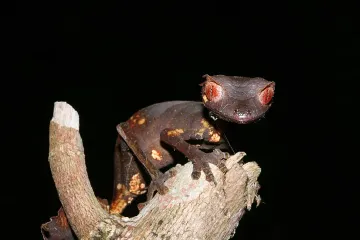
These geckos exhibit fascinating defense mechanisms beyond their primary camouflage. When startled or threatened, they often perform a dramatic threat display, opening their mouths wide to show the bright red or orange interior of their mouth, which contrasts sharply with their drab exterior. [2][6] They may also flatten their bodies against a surface to appear thinner or, conversely, puff themselves up to appear larger and more intimidating. [1] They are almost exclusively nocturnal, spending the day completely still, often pressed against a vertical surface or tucked into foliage, and become active only after dark to hunt and move around their enclosure. [7]
#Videos
Satanic Leaf Tailed Geckos (Uroplatus phantasticus) + VIVARIUM ...
Related Questions
#Citations
Uroplatus phantasticus geckos as pets - Misty Mountain Phants
The Satanic leaf-tailed gecko : r/natureismetal - Reddit
Satanic Leaf-Tailed Gecko Care Sheet - Reptiles Magazine
Satanic Leaf Tailed Gecko Care Sheet
Baby giant leaf-tailed gecko care requirements - Facebook
Satanic Leaf Tailed Geckos (Uroplatus phantasticus) + VIVARIUM ...
Leaf-Tailed Gecko Care Sheet | DubiaRoaches.com
Satanic leaf-tailed gecko (Uroplatus phantasticus)