Are you allowed to touch the horses on Assateague Island?
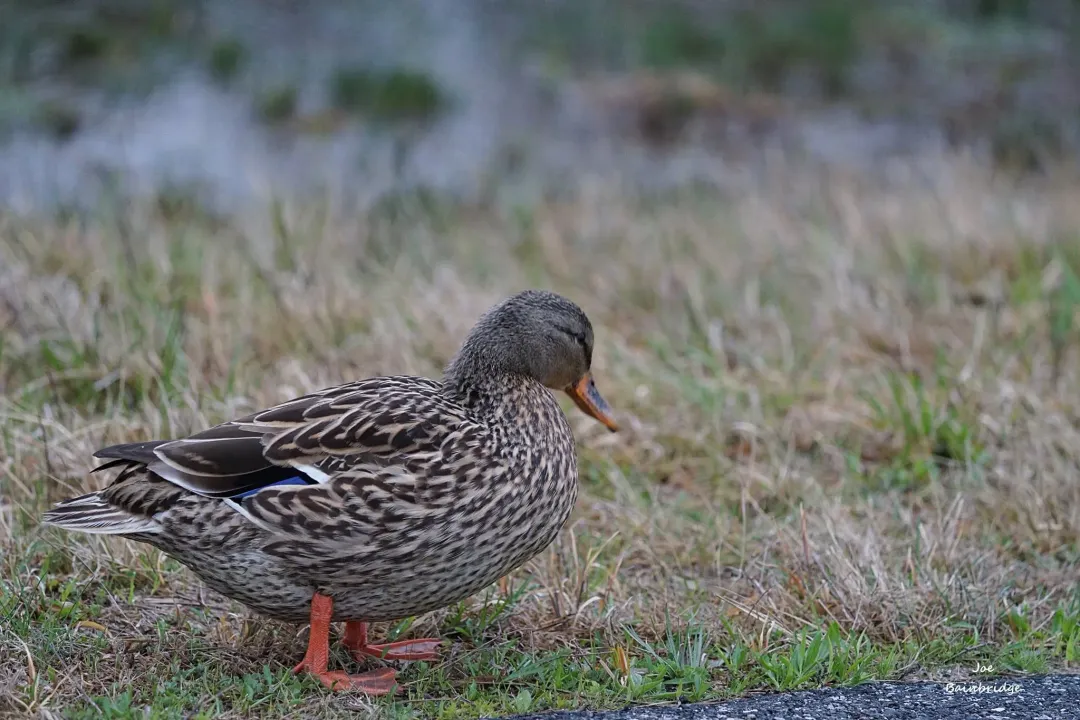
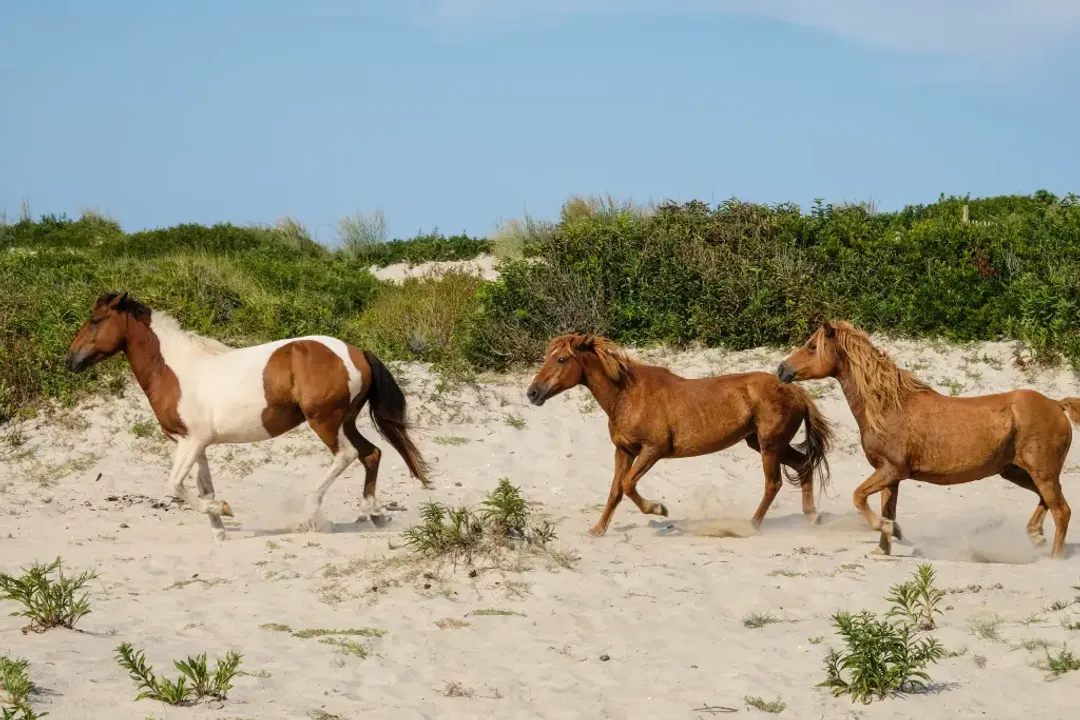
The sight of a wild horse grazing peacefully near the dunes or trotting along the waterline of Assateague Island is often the primary reason visitors flock to the seashore, and it’s completely understandable why that immediate, tangible connection seems so appealing. You see these magnificent creatures, seemingly approachable against the backdrop of the Atlantic, and the desire to reach out, offer a scratch, or capture that perfect, close-up photograph is powerful. However, the immediate, direct answer to whether you are allowed to touch these horses is an emphatic no. [1] Strict regulations are in place to protect both you and the horses, who, despite their domesticated appearance, are not tame pets but wild animals managed within a fragile ecosystem. [1]
# Minimum Distance
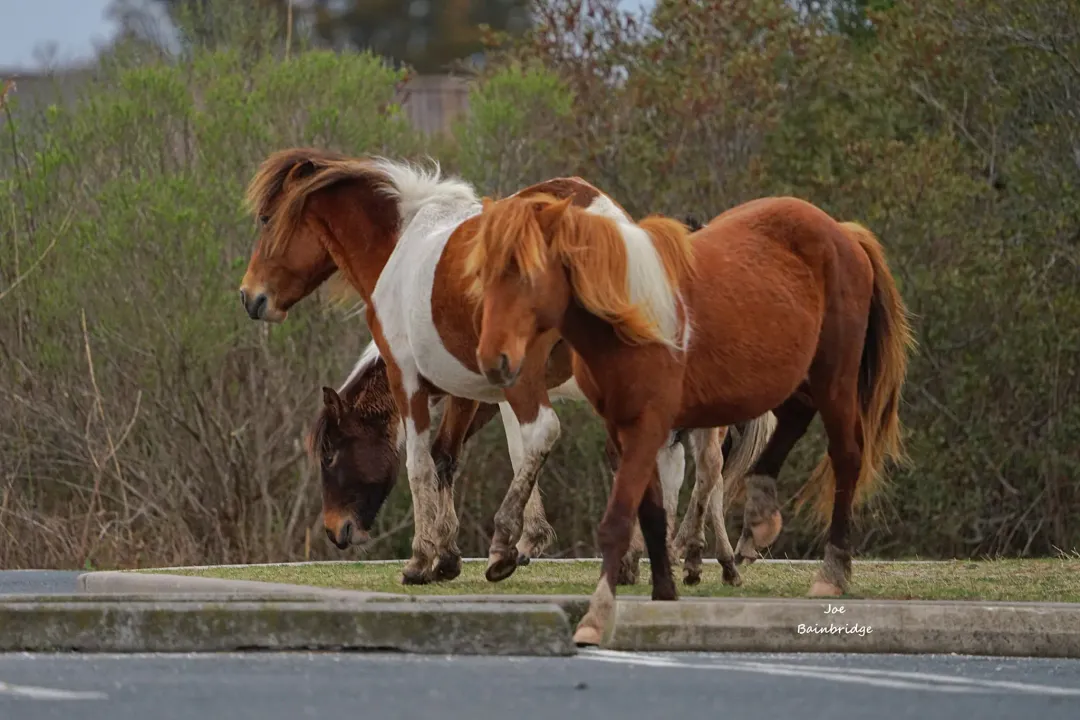
The core directive for all visitors interacting with the Assateague Island horses—whether on the Maryland or Virginia side—revolves around maintaining a mandatory physical buffer zone. Federal regulations dictate that you must keep a significant distance from the horses. [1] Specifically, visitors are required to remain at least 10 feet away from any of the wild horses at all times. [1][6] This isn't a guideline to be bent during a quiet moment; it is a required safety measure enforced by the National Park Service (NPS). [1]
To put that required 10-foot separation into perspective, imagine standing next to an average mid-sized sedan—the required distance is roughly the length of that vehicle [^Original Insight 1]. When you are viewing the animals, if you feel the need to step back further because the horse appears agitated or is moving toward you, you should do so immediately. [1] Even if a horse approaches you—and they frequently do because they have become habituated to human presence—the responsibility rests with the visitor to retreat and re-establish that 10-foot perimeter. [1]
# Animal Safety

The reasoning behind this firm boundary extends far beyond simple visitor liability; it is fundamentally about wildlife management and the long-term survival of the herd. [1] The Assateague horses are technically feral—descendants of domestic stock that returned to the wild—rather than purely wild animals in the strictest biological sense, yet they must be managed as wild equines [^Original Insight 2]. This distinction is important because their proximity to humans has led to a lack of natural fear, which is precisely what makes them dangerous to interact with directly. [1]
When people feed the horses, even with what seems like a harmless treat, it fundamentally alters their behavior for the worse. [1] They begin to associate people with food, leading to aggressive behaviors necessary to obtain handouts, such as nipping or kicking. [1] This habituation means they lose the instinct to avoid dangerous situations, putting them at risk of injury from vehicles or other dangers they would naturally bypass. [1] Furthermore, human food is often unhealthy for them; just as you wouldn't give a dog chocolate, certain human foods can cause serious gastrointestinal distress or even death in horses. [1] Therefore, touching or feeding them is a direct threat to their health and their ability to thrive in their natural setting. [1]
# Viewing Guidelines
Observing the horses is the real treat, and there are many ways to do it responsibly across both the Maryland and Virginia portions of the island. [9] When planning your trip, remember that the horses move across the island, often traveling between the ocean side and the bay side, depending on the weather, time of day, and foraging needs. [8] They are most commonly seen grazing near the beach or near campsites and parking areas. [8]
For visitors who might have mobility concerns, such as the frail mother mentioned by some visitors, it is worth noting that large portions of the island, particularly the visitor centers and main access roads, are designed to be accessible. [5] While the deepest beach access points may require walking across soft sand, designated overlooks and paved areas near the visitor centers often provide excellent, stationary viewing spots where you can wait for the horses to wander into view. [5] Always check the specific access points for ramps or firm surfaces before setting out. [5]
It is crucial to use your zoom lens or binoculars for photography rather than trying to close the distance for a better angle. [1] Remember that the horses are often more active during the cooler hours of the early morning or late afternoon. [8] If you are camping, secure all food properly within hard-sided vehicles or food storage lockers, as the horses have learned that human campsites are potential sources of easy calories. [8] Never leave coolers or food unattended, even for a moment, because a horse can easily breach a temporary barrier. [8]
# Rule Enforcement
The park service treats violations of the feeding and touching rules very seriously because the safety risks are documented. [1] Breaking the required distance can result in substantial penalties. If you are observed attempting to pet, feed, or harass the horses, you can face fines that can reach several thousand dollars, along with potential citations. [1] These regulations are actively enforced by park rangers who patrol the area to ensure compliance. [1]
One of the common misunderstandings arises when visitors believe that because the horses have not kicked or bitten them yet, the rules are somehow exaggerated. However, the park must establish universal, non-negotiable standards for interacting with an entire herd that exists in a wild state. [1] An incident that might seem minor—a quick pat on the neck—can be the trigger for a behavioral escalation that leads to injury or necessitates wildlife management intervention, such as relocating or removing an animal that has become overly aggressive toward people. [1] The park's authority is built on preserving the wild nature of the herd, and that preservation begins with keeping human hands strictly to ourselves. [1]
When you encounter a horse or a small group, the best practice involves stopping, observing quietly from the required safe distance, and allowing them to pass if they choose to do so. [1] Do not attempt to corner them against a vehicle or dune line to block their path, as this forces a confrontation. [1] Respecting this boundary ensures that future generations of visitors will also have the extraordinary experience of seeing these horses roam free and behave as nature intended, rather than being habituated beggars or dangerous roadside attractions.
Related Questions
#Citations
Safety Tips for Viewing the Wild Horses - Assateague Island ...
Guidelines for interacting with wild ponies at Assateague island and ...
♂️ Tourons at the Assateague Island National Seashore. Safety ...
How accessible is Assateague Island? My kids are eager to see the ...
You have to stay 10' feet away from the wild ponies on Assateague ...
Can you really walk up and pet the ponies on Assateague Island?
Assateague Island Travel Guide: How To See The Wild Ponies and ...