Viper Boa Locations
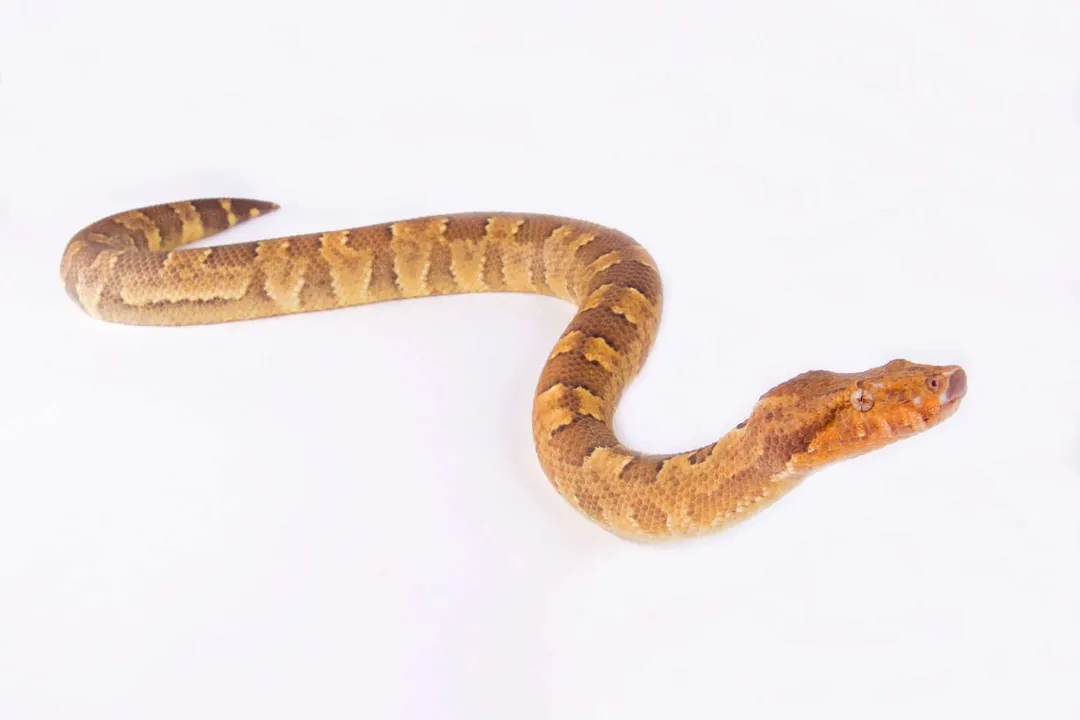
The Viper Boa, a term often used to describe members of the Candoia genus, primarily inhabits regions spanning the Indo-Pacific, reaching into Australasia. These snakes are not found globally like some of their boa cousins; instead, their distribution is closely tied to island chains and landmasses in the vicinity of Southeast Asia and Oceania. Understanding their locations requires looking closely at the specific ranges attributed to different Candoia species, as the common name can cover several distinct populations.
# New Guinea Distribution
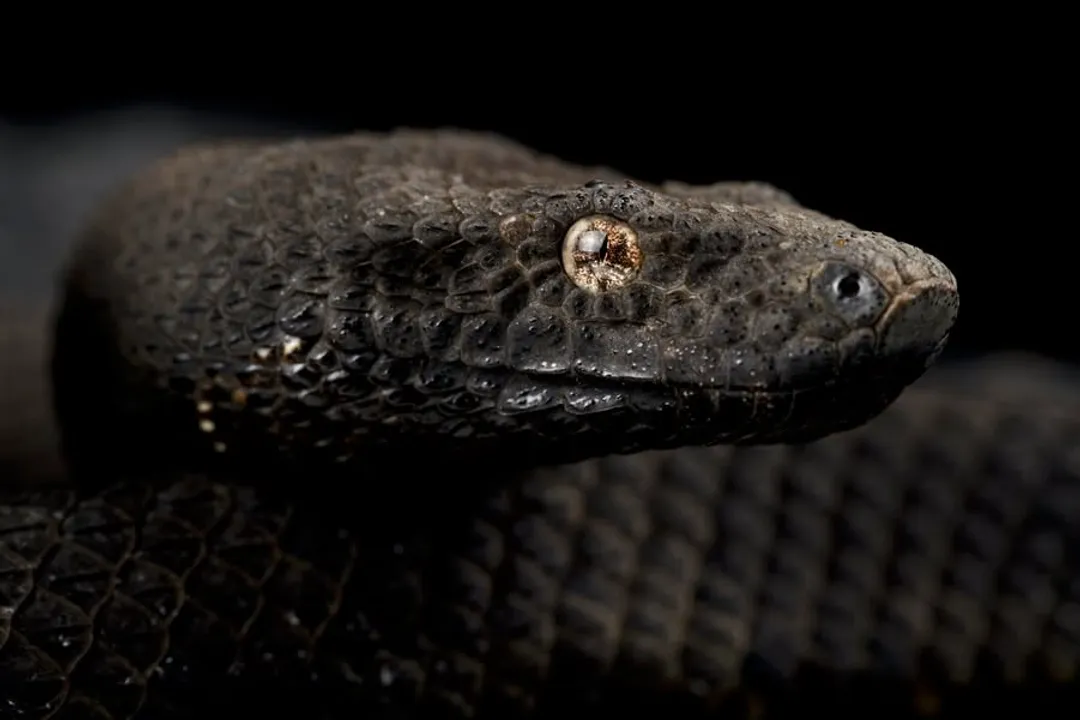
The island of New Guinea stands out as a central hub for Viper Boa populations, with multiple species or subspecies recorded there. This large island appears to be a significant biogeographic area for the genus. For example, the New Guinea Viper Boa, specifically identified as Candoia aspera, is strongly associated with this territory. Similarly, Candoia gemmata also lists New Guinea among its known habitats.
# Species Range Comparisons
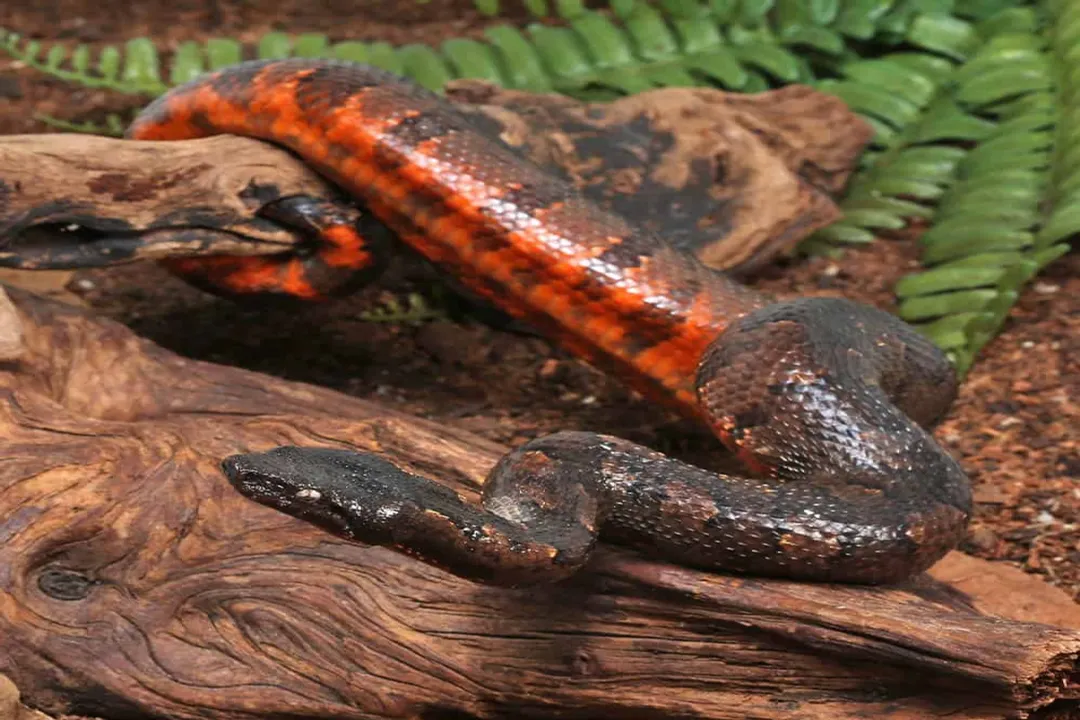
The distribution patterns become clearer when examining the accepted ranges for the different members of this group, showing a fascinating pattern of geographic segregation and overlap across the island chains.
For Candoia aspera, frequently called the Red Belly Viper Boa, the confirmed territory includes New Guinea, the Solomon Islands, and parts of Australia. This suggests a wider distribution than just the main island of New Guinea.
In contrast, Candoia gemmata, sometimes referred to as the Gem Viper Boa, shares territory with C. aspera but extends its reach differently. According to one source detailing species distribution, C. gemmata is found in New Guinea, the Solomon Islands, and Australia. Another source examining C. gemmata specifically adds the Bismarck Archipelago to its known range, alongside New Guinea, the Solomon Islands, and the northern coast of Australia.
It is noteworthy when comparing the data that Candoia bibroni occupies a more exclusively South Pacific niche, reportedly inhabiting Fiji, Tonga, Samoa, and the Bismarck Archipelago. The inclusion of the Bismarck Archipelago in both C. gemmata’s range and C. bibroni’s range highlights how island geography—particularly smaller, proximate island groups—can lead to complex species boundaries or perhaps slight variations in classification across different studies or regional guides.
We can summarize the key territorial information for these three main types:
| Species | Primary Locations Mentioned |
|---|---|
| Candoia aspera | New Guinea, Solomon Islands, Australia |
| Candoia gemmata | New Guinea, Solomon Islands, Australia, Bismarck Archipelago |
| Candoia bibroni | Fiji, Tonga, Samoa, Bismarck Archipelago |
When looking at the geographic spread of Candoia species, one interesting observation is the way the distribution seems to anchor on New Guinea and then radiate outwards. The most western extent appears to touch the northern parts of Australia, while the eastern spread reaches into the Polynesian islands like Fiji and Tonga. This pattern is typical of island biogeography, where dispersal across water bodies dictates where new populations become established, often leading to speciation over time due to isolation.
# Island Archipelago Presence
Beyond the main landmasses, the Viper Boa’s presence is confirmed across several archipelagos that surround New Guinea. The Solomon Islands feature prominently as an area inhabited by both C. aspera and C. gemmata.
The Bismarck Archipelago, located to the northeast of New Guinea, is another critical area. While one source links it to C. bibroni, another explicitly places C. gemmata there, alongside the other locations. This suggests that keepers or researchers encountering specimens from this archipelago should be mindful of which specific Candoia species they are dealing with, as the specific care requirements might subtly differ based on whether the snake originates from a C. gemmata or C. bibroni population center. The proximity of these islands means that while physical isolation drives evolution, movement between them, either naturally or through human activity, can complicate precise identification based on geography alone.
The islands further east, such as Fiji, Tonga, and Samoa, appear to be the domain of Candoia bibroni. These locations represent the most isolated, eastward populations detailed in the available range information, situated well into the South Pacific.
# Australian Limits
The southernmost reach of the Viper Boa complex seems to terminate along the northern edges of the Australian continent. Both C. aspera and C. gemmata are cited as having ranges that extend to Australia. This connection between New Guinea and Northern Australia via island chains like the Torres Strait islands is a well-known biogeographic corridor for many species, and the Viper Boa is no exception.
# Habitat Context and Defense
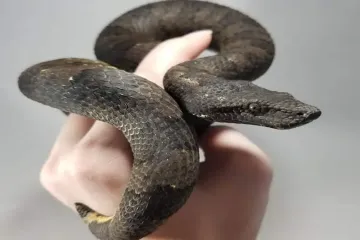
While location dictates where the snake lives, its environment influences its behavior, which is relevant when discussing its natural range. The New Guinea Viper Boa (Candoia aspera) is known for its striking defensive displays, which include flattening its body and mimicking the appearance of a venomous snake. This reliance on potent visual mimicry is a strong evolutionary adaptation that seems well-suited to an environment where predator pressure or competition with actual venomous species is high, as found throughout New Guinea and the surrounding islands. For those interested in keeping these animals, understanding their native humidity and temperature regimes—which are reflective of these tropical island locations—is crucial for appropriate husbandry. A general rule of thumb for these tropical island endemics is to err on the side of higher humidity and stable warmth, mimicking the consistent tropical climate found across their distribution.
# Ecological Niche and Location Insights
The sheer number of islands hosting Candoia species suggests that while New Guinea might be the genetic source or primary center, the snakes are adept colonists of new island habitats. This adaptability to colonize various islands within the wider Melanesian and Polynesian regions—from humid rainforests on larger islands to potentially drier coastal areas on smaller atolls—is a key factor in their survival across such a broad geographical spread. The differing locations mentioned across sources for species like C. gemmata and C. bibroni concerning the Bismarck Archipelago suggests that fine-scale habitat variation within island groups likely drives specific micro-evolutionary paths, even if the larger regional distribution seems stable. This means that a Candoia from a humid lowland forest in New Guinea might have slightly different baseline environmental needs than one sourced from a drier, elevated island within the Solomons, even if both are categorized under the same species name. Paying attention to the specific locality data when acquiring an animal, if provided, can offer a starting point for replicating its precise natural conditions.
#Videos
Species Spotlight- Viper Boas - YouTube
Related Questions
#Citations
Viper Boa - Candoia aspera - A-Z Animals
[PDF] New Guinea Ground/Viper Boa (Candoia aspera)
Viper Boa Facts & Photos | Wowzerful
Red belly viper boa (Candoia aspera) care guide - Grimoire Exotics
The New Guinea viper boa (Candoia aspera) mimics the looks and ...
Viper Boa Care Sheet | Dubia.com
Species Spotlight- Viper Boas - YouTube
ISLAND GEMS - Kingsnake.com
Boa Species & Subspecies - ReptiFiles® Red-Tailed Boa Care Guide