Viper Boa Evolution
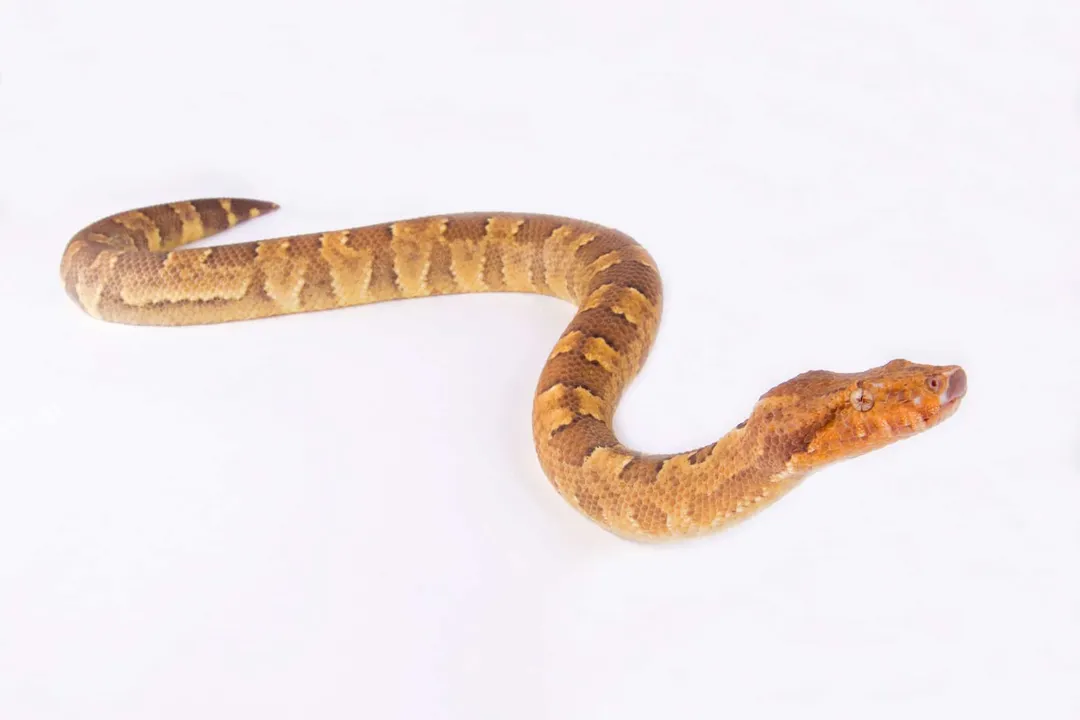
The Viper Boa, scientifically recognized primarily as Candoia aspera, represents a fascinating lineage within the world of snakes, though direct, in-depth evolutionary chronicles specific to this species might be fragmented across available public records. What we can piece together points to a reptile whose diversity and distribution across Australasia offer clues into its adaptation over time. [5][6] As a member of the Boidae family—the boas—it occupies a unique space, distinct from the larger, more famous boas of the Americas, highlighting a separate evolutionary trajectory following ancient continental separations. [6] The very name "Viper Boa" hints at an evolutionary outcome, one where superficial resemblance to true vipers, which are elapids or advanced vipers, has developed independently due to similar environmental pressures, a classic example of convergent evolution in external morphology, even if the term isn't explicitly used in all descriptions. [5]
# Classification Roots
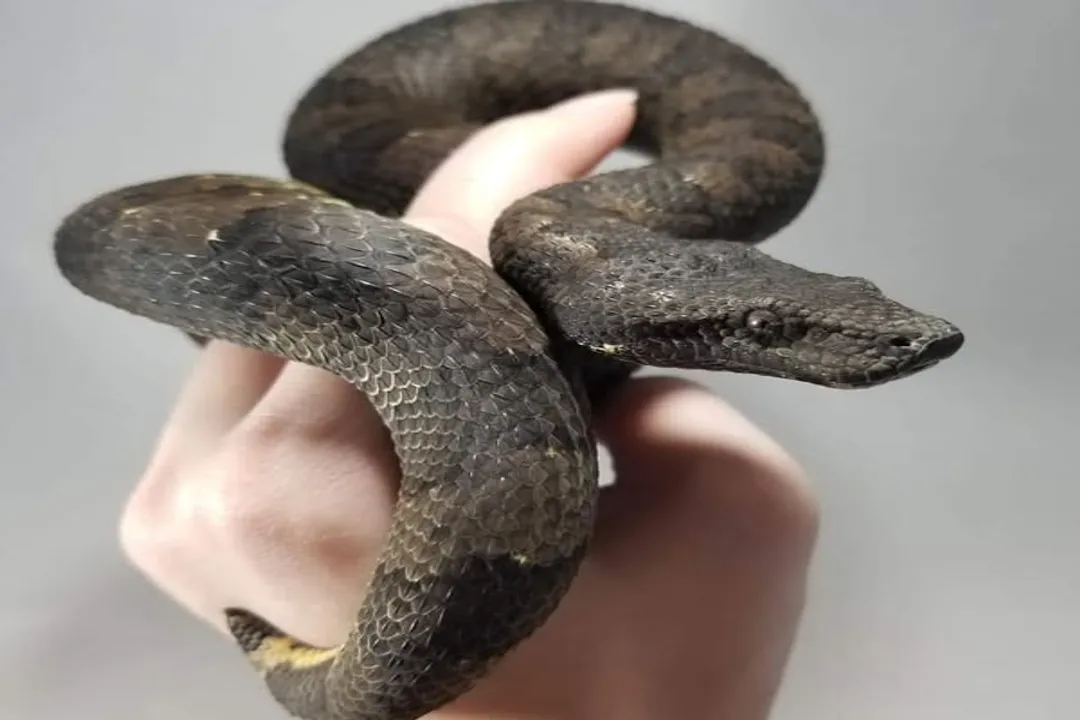
To understand where the Viper Boa fits into the grand scheme of reptilian life, we must look at its placement within the snake phylogeny. Candoia aspera is often discussed alongside its congeners within the genus Candoia, which includes several recognized species spread across the region. [6] The family Boidae itself is ancient, suggesting that the split leading to the Candoia lineage occurred a considerable time ago, allowing for the development of these island-dwelling forms. [6]
Taxonomically, the Viper Boa is sometimes colloquially referred to simply by its species name, Candoia, or more specifically, Candoia aspera. [6] The species is endemic to New Guinea and numerous surrounding islands. [5][6] This geographical isolation is a critical driver of evolution; when populations become separated by water or impassable terrain, genetic drift and local selection pressures begin to mold distinct regional characteristics, leading eventually to speciation. [6] Observing the various forms within the Candoia genus—which may include species like C. bibroni or others depending on the classification system used—allows one to hypothesize about the ancestral stock and the subsequent adaptive radiation events that populated the islands with specialized forms. [6]
# Geographic Distribution
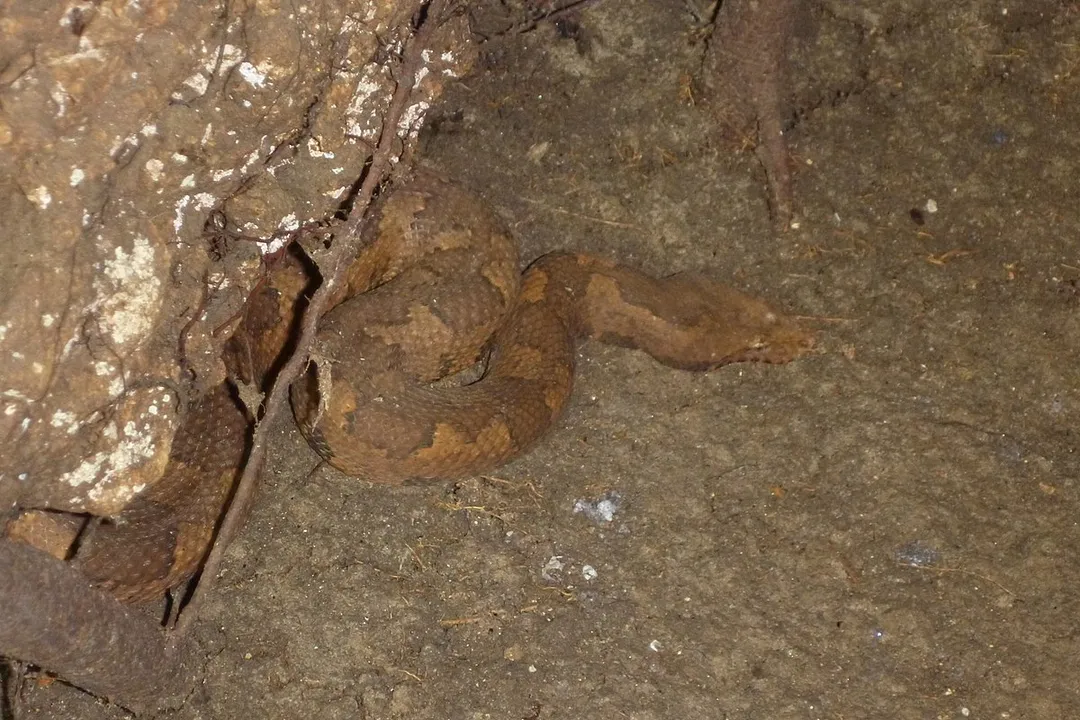
The extensive range of the Viper Boa complex across Melanesia provides fertile ground for evolutionary study. The snakes are found in places like New Guinea, the Solomon Islands, and nearby archipelagos. [5][6] Different islands or even different regions on the single landmass of New Guinea often host variations in appearance, size, and temperament. [1] For instance, while some populations are commonly kept as pets, displaying specific colorations or keeled scales, their wild counterparts show adaptations suited to their immediate locale, whether that be rainforest floors or drier scrubland areas. [1][10]
Consider the differences one might observe in specimens gathered from geographically distinct areas within their range. A specimen from a high-humidity coastal area might exhibit darker, glossier coloration optimized for camouflage in dense, dark undergrowth, whereas a population on a drier, more exposed island might trend toward lighter, earth-toned patterns offering cryptic advantage against sandy soil or rocky outcrops. While the sources catalog the existing morphs kept by hobbyists, such as the extremely dark or patterned variations, [1] these domesticated forms are often echoes of localized, naturally selected traits. [7]
To illustrate the potential variation across this range, imagine comparing just three common presentations of the Candoia group:
| Trait | Coastal New Guinea Morph | Dry Island Morph | Captive 'High Contrast' Morph |
|---|---|---|---|
| Primary Color | Dark Brown to Black | Tan to Grey-Brown | Bold, sharply defined saddle patterns |
| Scale Texture | Moderately Keeled | Heavily Keeled | Variable, often smooth due to selection |
| Body Profile | Moderately Stout | Slenderer, more angular | Usually stout for pet trade appeal |
| Primary Habitat | Moist forest floor | Open scrub/rocky terrain | Enclosure setting |
This regional variety suggests that the evolutionary clock has been ticking differently across the various islands, pushing localized populations toward divergence based on immediate survival needs—a slow, continuous process of in situ evolution driven by environmental filtering. [6]
# Morphological Characteristics
The physical appearance of the Viper Boa is perhaps its most defining characteristic, leading to its common name. It possesses a broad, somewhat triangular head that is distinct from the typically slender heads of many other boa species. [5] This head shape, along with its moderately stout body and often keeled dorsal scales, gives it a surprisingly "viperine" look. [5] However, despite this visual mimicry, Candoia aspera is a non-venomous constrictor, placing it firmly in the Boidae group, far removed from the true vipers (Viperidae) in terms of venom delivery systems and direct lineage. [6]
The keeling of the scales is another key feature often mentioned in descriptions of the species. The degree of keeling—how pronounced the ridge on the center of the scale is—can vary significantly between individuals and populations. [1][10] This scale texture influences how light reflects off the snake, affecting camouflage, and potentially even aiding in traction as the snake moves across rough substrates, which is an adaptive trait shaped by the physical texture of the environment it inhabits. [10] The robust nature of these scales suggests an evolutionary history tied to terrestrial, perhaps fossorial (burrowing), or heavily vegetated habits where abrasion resistance is beneficial.
# Adaptations and Behavior
Behaviorally, Viper Boas are noted for being relatively secretive and often nocturnal or crepuscular. [5] In captivity, they are generally described as placid once acclimated, though hatchlings and younger animals might display more defensive behaviors, sometimes involving striking or tail rattling—behaviors that can further contribute to their viper-like reputation. [10] When threatened, their tendency to coil tightly and hold their ground, combined with their head shape, enhances the defensive posture. [5]
Their diet primarily consists of small mammals and birds, typical for a snake of its size class. [5] The evolutionary success of any predator relies on efficient hunting and energy conservation. For a constrictor like the Viper Boa, effective ambush tactics in its specific habitat are paramount. The relatively thick body and cryptic coloration facilitate long periods of inactivity interspersed with bursts of predatory strikes, a highly energy-efficient strategy favored by many ambush predators across various evolutionary lines. [5]
An interesting observation when discussing the "evolution" of a species in a modern context, especially one kept in captivity, is how human selection introduces new pressures. While natural evolution is slow and driven by survival and reproduction in the wild, the pet trade selects for traits that are visually appealing, such as unusual color morphs or specific patterning. [1][7] This artificial selection, while not evolution in the natural sense, creates rapid changes in the observable phenotype of the captive population over just a few generations, sometimes leading to strains that would likely not thrive if suddenly introduced into the ancestral habitat. [7] For example, breeders actively pursue specific genetic combinations, sometimes overlooking the hardiness of the original stock. [9] Understanding the baseline Candoia aspera—the wild form—is essential for appreciating the true extent of its natural adaptive success before modern breeding practices introduced new selective pressures.
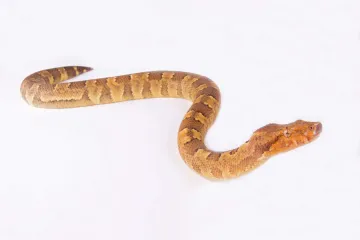
# The Evolutionary Context of Candoia
Moving beyond just C. aspera to the genus level helps illuminate the broader evolutionary story. The presence of several Candoia species across islands suggests an ancestral population arrived in the region and subsequently diversified as landmasses shifted or sea levels changed, isolating populations onto emergent islands. [6] This isolation is a powerful engine for speciation, resulting in species that, while related, have adapted to slightly different microclimates or food sources.
This diversification often leads to niches becoming filled. One might be arboreal, another strictly terrestrial, and a third perhaps semi-fossorial. This partitioning of available ecological roles prevents direct competition and allows multiple closely related species to coexist within a relatively small geographic area—a process that requires distinct evolutionary specialization in morphology and behavior. [6] The differences in scale texture and body robustness between the various Candoia forms noted in herpetological literature strongly imply such niche differentiation. [6]
If we consider the conservation angle, it highlights where our understanding of this evolution is incomplete. Many island species are inherently vulnerable because they evolved in isolation without facing generalized predators found on larger continents. When invasive species are introduced, or habitats rapidly change due to human activity, these specialized island lineages can face extinction quickly. [5] Therefore, studying the genetic diversity and morphological variation across the Candoia range is not just academic; it is a prerequisite for effective conservation planning, allowing scientists to identify the most distinct and perhaps genetically unique populations that represent critical branches of this evolutionary tree. [5]
# Husbandry Insights and Conservation
For those involved in keeping and breeding Viper Boas, understanding their natural history translates directly into responsible husbandry. The care requirements—temperature gradients, humidity levels, and appropriate substrate—are direct reflections of the environmental conditions from which they evolved. [1][9] For instance, recognizing that certain island morphs evolved in drier settings means they may require lower ambient humidity compared to their New Guinea counterparts to prevent respiratory issues. [1]
The emphasis on providing appropriate hides and substrate in captive care stems from their evolved behavior as secretive, ground-dwelling reptiles that rely on cover. [10] A snake that is chronically stressed due to an inappropriate environment cannot thrive, underscoring the link between evolutionary history and modern welfare standards.
The ongoing discussion within keeper communities regarding the health and genetics of imported versus captive-bred specimens also touches on evolutionary concepts. [9][10] Captive breeding programs, while allowing for the preservation and study of specific traits, must be managed carefully to maintain genetic diversity and avoid the pitfalls of inbreeding depression, which weakens a population's long-term viability. [7] A successful breeding program, in essence, mimics, in a controlled way, the natural selection pressures that maintain genetic health over deep time, focusing not just on looks but on viability. [9]
While precise dating of the divergence events within the Candoia genus requires molecular clock analysis—data often found in dedicated scientific papers rather than general overviews—the patterns of distribution and morphology strongly suggest multiple rounds of speciation tied to the geological history of the Pacific islands. [6] The Viper Boa, Candoia aspera, is thus a living testament to island biogeography and the persistent power of natural selection to sculpt form to function, even resulting in striking visual illusions like its viper-like appearance. [5] Its continued study helps fill in the blanks of boa evolution in the Old World tropics.
#Videos
Species Spotlight- Viper Boas - YouTube
MY VIPER BOA GAVE BIRTH ! - YouTube
Related Questions
#Citations
Viper Boa Morphs: Facts, Breeding, Care — Animallearns - Medium
Species Spotlight- Viper Boas - YouTube
Viper boa care and characteristics - Facebook
[PDF] New Guinea Ground/Viper Boa (Candoia aspera)
Viper Boa - Candoia aspera - A-Z Animals
Candoia aspera - Wikipedia
Viper Boas tip and trick - MorphMarket Reptile Community
Viper Boa (Candoia aspera) - Tails and Scales
Anyone have experience with Viper Boas? - Reptile Forums