What class is a sea scorpion?
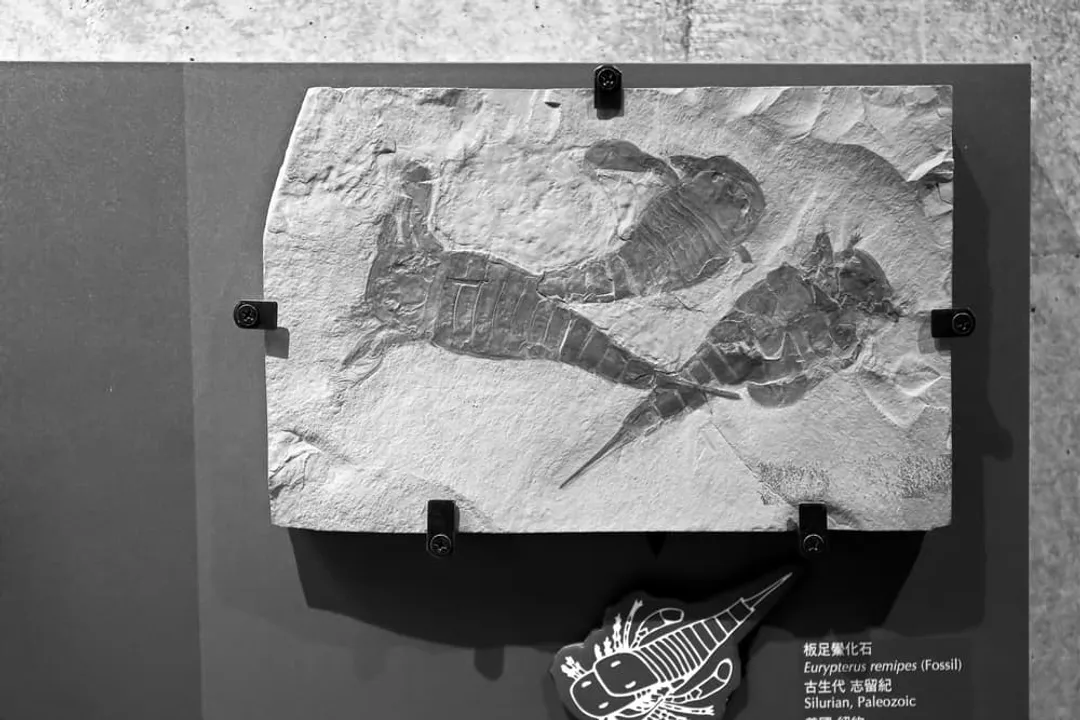
The sea scorpion, or eurypterid, represents one of the most striking examples of how ancient life dominated Earth’s oceans long before the age of dinosaurs. These extinct marine arthropods were not true scorpions; rather, they were a distinct, vanished group that held top predator status in aquatic ecosystems for hundreds of millions of years. [2][4][5][9] To accurately place them in the tree of life, we must look at their formal classification: sea scorpions belong to the extinct class Eurypterida. [1][7] This class falls under the massive phylum Arthropoda, the same group that includes modern insects, spiders, and crabs. [2][5] More specifically, they are classified within the subphylum Chelicerata. [2][7] This relationship places them closer evolutionarily to modern horseshoe crabs and spiders than to crustaceans like shrimp or lobsters. [2][5][7]
# Arthropod Kinship
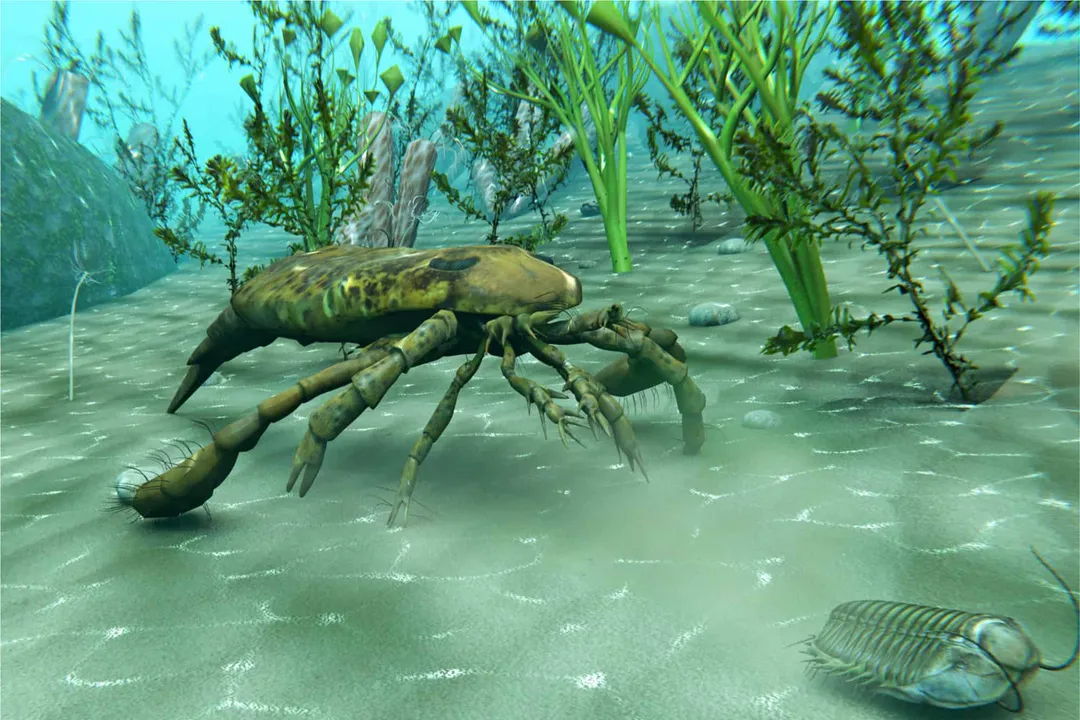
The placement of eurypterids within Chelicerata is significant because it groups them with organisms that possess chelicerae—the pincer-like or fang-like appendages often seen near the mouthparts of spiders and scorpions. [2][7] While they share this fundamental characteristic with their arachnid cousins, the appearance of the sea scorpion was distinctively adapted for swimming. Fossil evidence paints a picture of creatures far removed from the familiar terrestrial scorpion. For instance, the fossil record shows that the earliest known eurypterids appeared during the Ordovician Period. [1][4][7] Their reign continued through the Silurian and Devonian periods before they finally vanished in the great extinction event at the end of the Permian Period. [1][3][8] Their long tenure—spanning over 250 million years—demonstrates remarkable evolutionary success in their ancient marine habitats. [1][5]
# Giant Forms
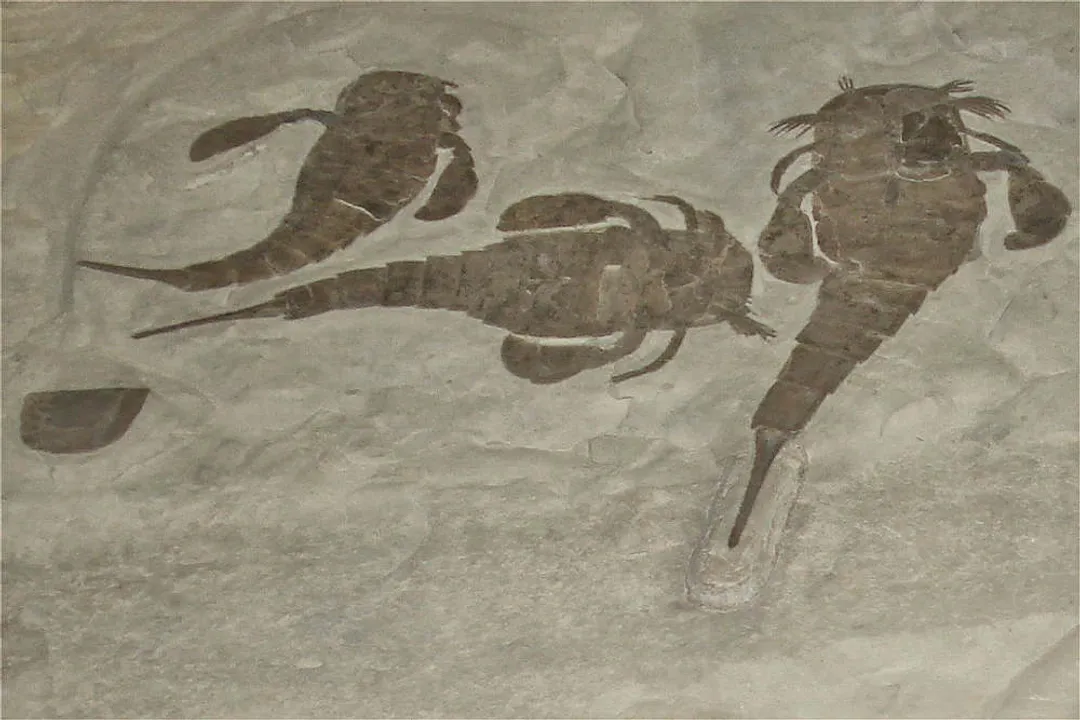
One of the most compelling features of the class Eurypterida is the sheer variation in size, which ranged from specimens only a few centimeters long to truly colossal hunters. [1][7] The largest of these creatures, often cited as Pterygotus, could reach lengths of up to 2.5 meters (about 8 feet). [2][4][7][10] Thinking about a modern, familiar arthropod like a large American lobster, which might reach a couple of feet at best, Pterygotus would have dwarfed them completely. If one were to encounter such a creature swimming in shallow Paleozoic waters, it would have presented a challenge comparable to encountering a modern Great White Shark, but encased in an exoskeleton—a testament to the bizarre gigantism that characterized some ancient arthropod lineages. [4][5]
Anatomy across the class showed adaptation for their environment. They possessed a segmented body, a prosoma (head shield), and an opisthosoma (abdomen). [7] Many species featured specialized, paddle-like swimming appendages, which helped propel them through the water. [2][4][5] This adaptation contrasts sharply with terrestrial chelicerates that evolved long, walking legs. While some smaller, later forms might have briefly ventured onto land or lived in extremely shallow water, the vast majority were firmly aquatic, using gills for respiration. [1][7] The tail structure, or telson, also varied, sometimes ending in a sharp spine or a broad, flattened paddle. [2]
# Ancient Waters
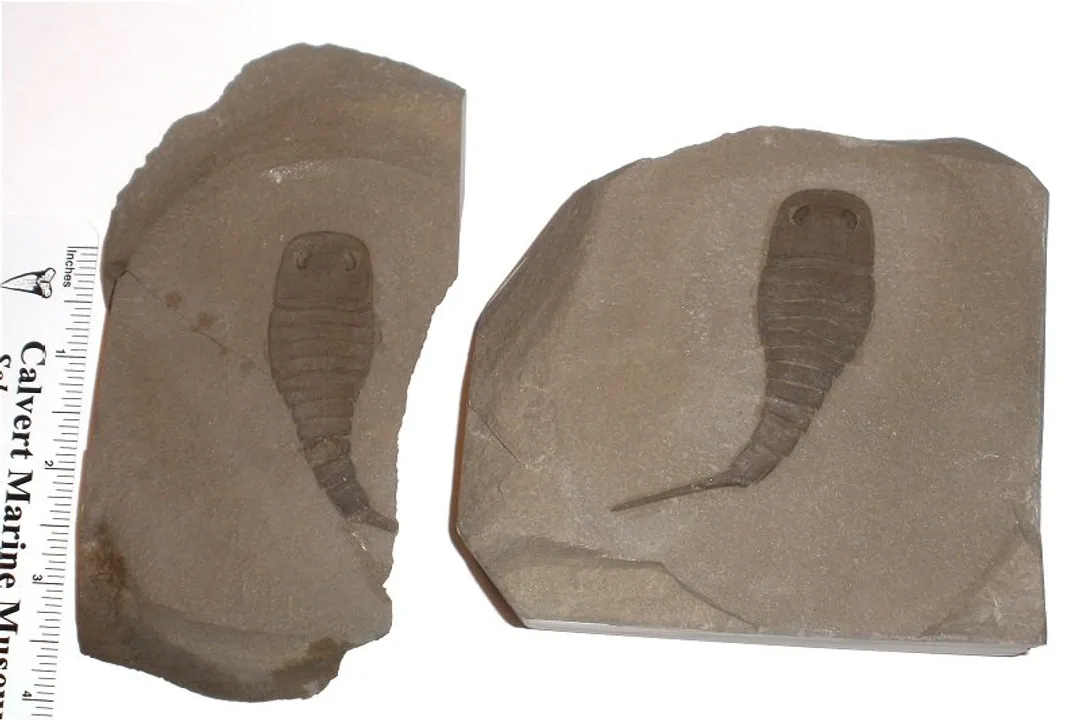
The environments these creatures inhabited were primarily saltwater, thriving in shallow marine settings across the globe. [2][4][7] However, the fossil record also points to a degree of adaptability not always expected from such massive marine arthropods. In regions like North America, the discovery of eurypterid fossils in sediments associated with ancient river deltas and freshwater deposits indicates that some lineages successfully colonized brackish or even pure freshwater environments. [1][7] This ecological flexibility is an important point; while the largest forms, like the predatory Pterygotus, likely required the density and stability of the open sea, smaller or specialized types were capable of navigating transitional zones. [7] This ability to occupy diverse aquatic niches suggests that the class Eurypterida was not a monolithic group restricted to one habitat, but rather a diverse assemblage adapting to various water chemistries and flow regimes over their long history. [1]
# Apex Predators
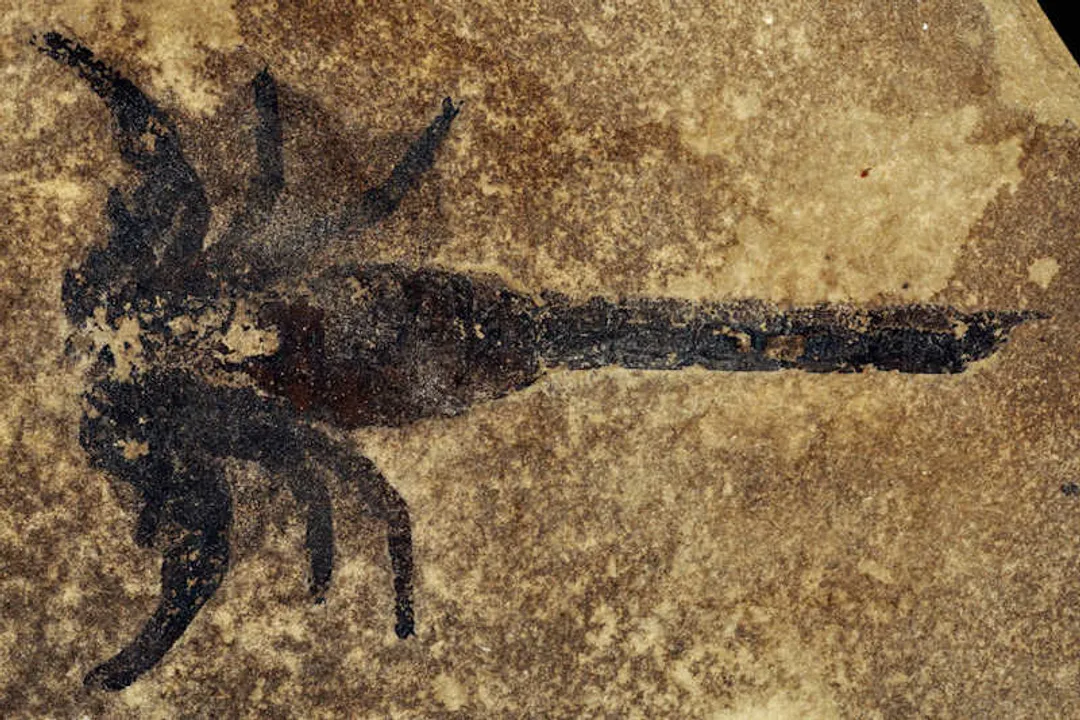
When we discuss what class a sea scorpion belongs to, we also implicitly ask about their role in the ecosystem—and they were undeniably at the top of the food chain for extended periods. [5] Their powerful, often clawed, specialized appendages were used for grasping prey. [2][5] Analyses of gut contents in some specimens, though rare, strongly support their role as active predators rather than scavengers. [4] They likely fed on early fish, trilobites, and various invertebrates that populated the Paleozoic seas. [5]
Consider the ecological niche these large predators filled. In the modern world, large predatory roles in coastal zones are often filled by sharks or marine mammals. For vast stretches of the Paleozoic, that role was occupied by these armored arthropods. It is fascinating to realize that for much of the time spanning from the early complex life forms up until the rise of reptiles, a segmented, multi-legged arthropod was the creature you would most fear encountering while swimming in ancient oceans. [3][4] Their eventual demise, coinciding with the Permian-Triassic extinction, likely involved environmental changes that favored the diversification of vertebrates, leading to competition that these specialized predators could not overcome. [1]
# Modern Relatives
While the class Eurypterida itself is entirely extinct, understanding its taxonomic placement helps us appreciate modern biodiversity. [2][7] As members of the Chelicerata, they share an evolutionary heritage with arachnids (spiders, scorpions, mites) and the marine arthropods known as Xiphosura (horseshoe crabs). [2][5][7] Although a living sea scorpion would be an unimaginable sight, one can observe remnants of their body plan in the horseshoe crab, particularly in the general segment structure and the telson, though the modern horseshoe crab’s telson is used for righting itself rather than as a weapon. [2]
In summary, the sea scorpion belongs to the class Eurypterida. [1][7] They were formidable, extinct arthropods within the Chelicerata subphylum that dominated the oceans of the Paleozoic Era, evolving from small forms into true giants that rivaled some of the largest modern marine predators. [2][4][5] Their fossil record provides a crucial window into an ancient world ruled by armored, swimming arthropods. [3][8]
Related Questions
#Citations
Eurypterid - Wikipedia
Systematics of the Eurypterida
Eurypterid (Sea Scorpion) Facts and Information - Fossilguy.com
Eurypterids, Giant Ancient Sea Scorpions | Yale Peabody Museum
Eurypterus Animal Facts
Megalograptus lived during the Ordovician period some 453-445 ...
Eurypterid | Fossil Arthropods, Sea Scorpions, Paleozoic Era
Eurypterid | Ohio Department of Natural Resources
Eurypterids (sea scorpions) are an extinct group of arthropods ...
Sea Scorpion | Jurassic Park Institute Wiki - Fandom