Where can I find Cedar Waxwing?
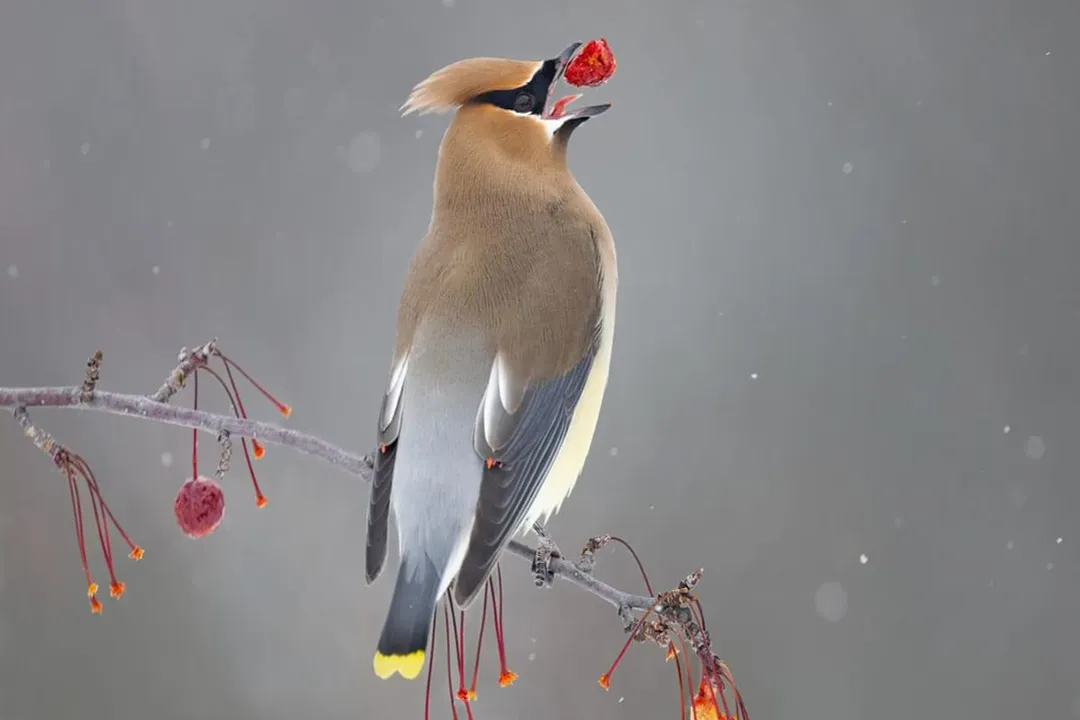
The search for the Cedar Waxwing often feels like chasing ghosts, whether you are scanning the treetops in the real world or tracking digital prey across the plains of the American frontier simulation. These sleek, masked birds are undeniably stylish, known for their smooth gray-brown plumage, black mask, and distinctive yellow tail tips. [3] Locating them requires understanding where and when they decide to appear, which differs dramatically depending on whether you are holding binoculars or a controller.
# Real World Range
In nature, the Cedar Waxwing is widespread across North America, covering a vast area that spans much of the continent. [3] Their breeding range generally includes most of Canada and the northern half of the United States, though they are known to stray farther south during non-breeding seasons. [3] Maps detailing their movements show year-round presence in the far southern US, while the central and northern sections see them primarily during the summer nesting months. [3]
These birds are highly nomadic, rarely staying put for long, which makes finding them a matter of luck and timing rather than routine observation. [3] They move in flocks, often traveling considerable distances in search of the best berry crops. [3] If you are seeking them outside of the summer breeding season, you will have the best luck looking south, particularly in regions like Maryland, where they might pass through during migration or winter over. [6]
# Attracting Birds
For the dedicated backyard birder hoping to lure these visitors closer, diet is the main consideration. Cedar Waxwings are primarily frugivores, meaning their meals consist mainly of fruit and berries. [6] They show a marked preference for small, soft fruits like those from serviceberry, juniper, cedar, and dogwood trees. [6]
If you are trying to encourage them to stop by your feeding station, consider planting or maintaining native shrubs that produce these preferred fruits. [7] Unlike many other songbirds, they rarely visit feeders offering seeds or suet, so focusing on water sources or berry-laden landscaping will be more effective. [6][7] An expert tip for encouraging a stopover is ensuring that any berry bushes you have are native to your specific region, as these often provide the exact nutritional profile the migrating flocks are seeking. [7] Because these birds move as a group, once one lands, you might suddenly find your yard filled with a dozen or more stylish visitors feeding together. [3]

# Virtual Locations
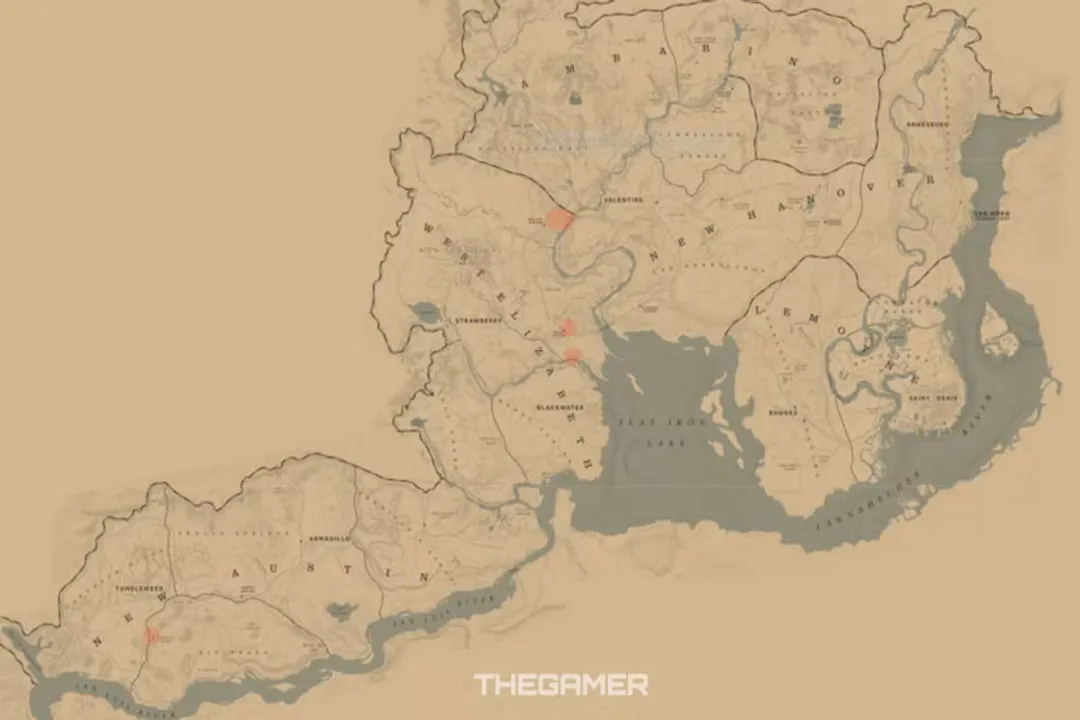
The quest for the Cedar Waxwing takes on a very different feel within the landscape of Red Dead Redemption 2 (RDR2), where the bird is a prized, yet sometimes elusive, component for crafting and compendium completion. [5][9] The virtual bird shares its real-world counterpart’s preference for fruit-bearing areas, but its spawn points are fixed locations within the game world, making systematic searching possible.
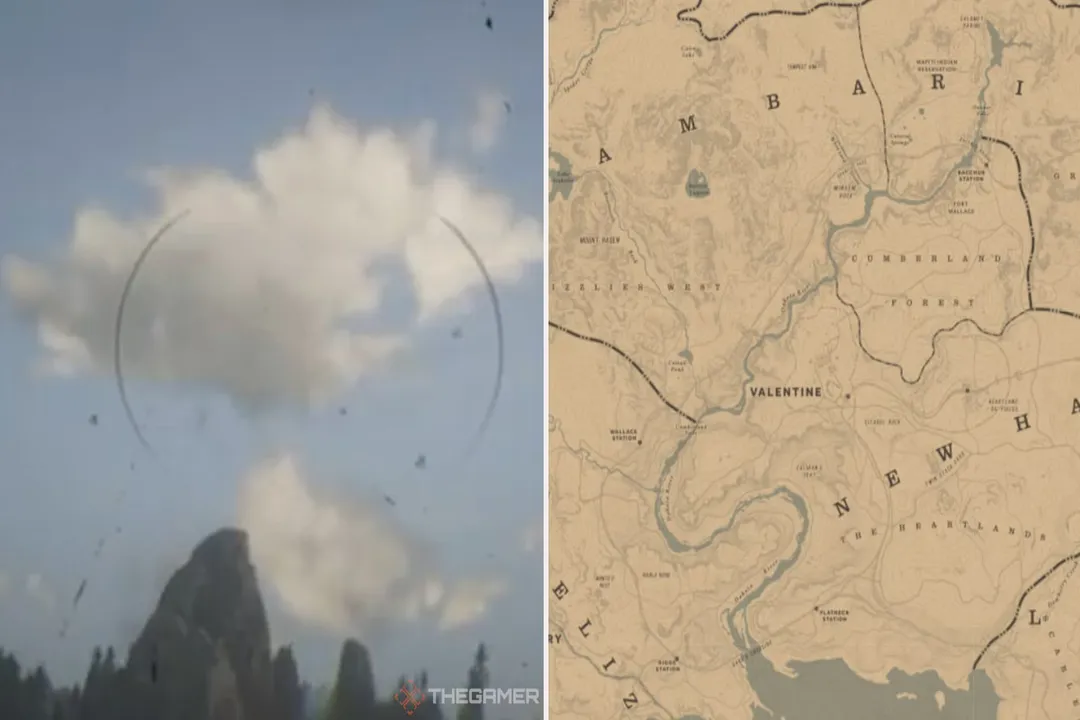
The New Hanover region consistently features as a strong candidate for finding these birds. Specifically, players often report success near the area southeast of Valentine, close to the Elysian Pool. If you travel along the railway lines or near established river bends in this general vicinity, your chances increase significantly. [4]
Another highly recommended area that yields results is the southern part of Ambarino, often mentioned to be north of Valentine, closer to the colder territories. [9] Areas close to Heartlands Overflow also appear on various hunter reports as reliable spots. [5]
One player’s experience suggests focusing search efforts around Cumberland Forest. [9] While they are not always plentiful, their appearance seems tied to the overall environment, perhaps mimicking the real-world pattern of appearing where food is plentiful, even if the "food" in the game is represented by specific tree clusters. [1] A helpful strategy synthesized from player reports suggests that when you find one, you are likely to find several others nearby, similar to their natural flocking behavior. [8]
# Perfect Specimen Hunting
In the context of Red Dead Redemption 2, simply locating the bird is often not enough; the goal is usually obtaining a perfect three-star specimen for the Trapper or the Compendium. [1][5] This means the hunting strategy shifts from simple observation to precision marksmanship.
The general consensus among hunters is that a single shot from a Varmint Rifle is necessary to secure a perfect pelt or carcass without damaging its quality. [5][9] Using any weapon that causes excessive damage, such as a repeater or rifle, will instantly downgrade the quality, making it useless for perfect crafting purposes. [9] You must be patient, approach slowly, and ensure the bird is glowing with the three gold stars before committing to the shot. [1]
While the real bird is nomadic, the game bird is static in its spawn zones but not static in its immediate position. Therefore, moving slowly through the known high-density areas—like the southeastern section of the map near Valentine or the southern edge of Ambarino—is key. [4] If you ride through quickly and don't see any, ride away, wait a short period (perhaps simulating a day or two in-game), and return to "reset" the potential spawns in that localized area. [8]
It is fascinating to note how the game logic subtly echoes reality: in the real world, you follow the berry harvest; in the game, you follow the known zone maps for the bird, which inherently ties to the simulated environment's resources. [6] If you are struggling to find them near Valentine, slightly adjusting your altitude or moving toward an area with more dense shrubbery nearby—mimicking the real-world habitat preference for dense cover near food sources—can sometimes trigger a spawn that wasn't present before. [6][7] For instance, checking the higher elevations just south of the colder Ambarino region, where different berry types might thrive, could be the key to that elusive third star. [9]
# Comparison of Search Efforts
The effort involved in finding the Cedar Waxwing highlights a contrast between simulation and field observation. In the real world, the primary challenge is mobility and unpredictability. [3] You are dependent on weather fronts, the seasonal ripening of local berries, and sheer fortune to intercept a large, moving flock. [3] A birder might spend weeks checking various locations during migration only to have the birds pass entirely overhead without landing. [6] The reward is witnessing a natural phenomenon.
Conversely, the challenge in Red Dead Redemption 2 is precision and low spawn rates. [1][5] The location is known, but the bird's presence in that exact spot at that exact moment is not guaranteed, requiring the player to repeatedly sweep the same digital environment. [8] The reward here is purely mechanical: an item of specific quality needed for an in-game objective. [5] While the real bird rewards patience with natural beauty, the game bird rewards persistence with data tracking and crafting materials. [1][9] The core difference lies in the goal: survival and observation versus collection and completion.
#Videos
RDR 2: Getting a perfect Cedar Waxwing for Wildlife Art Exhibition V ...
Red Dead Redemption 2: Cedar Waxwing Location - YouTube
Related Questions
#Citations
Perfect Cedar Waxwing : r/RDR2 - Reddit
RDR 2: Getting a perfect Cedar Waxwing for Wildlife Art Exhibition V ...
Cedar Waxwing Range Map - All About Birds
Waxwing | Red Dead Wiki - Fandom
Cedar Waxwing - Maryland DNR
Looking to attract Cedar Waxwings to your backyard? These stylish ...
Cedar Waxwing Hunting Locations In Red Dead Online - TheGamer
('v')\ For anyone having trouble finding robins or cedar waxwings \('v')