What classifies a Russian Blue?
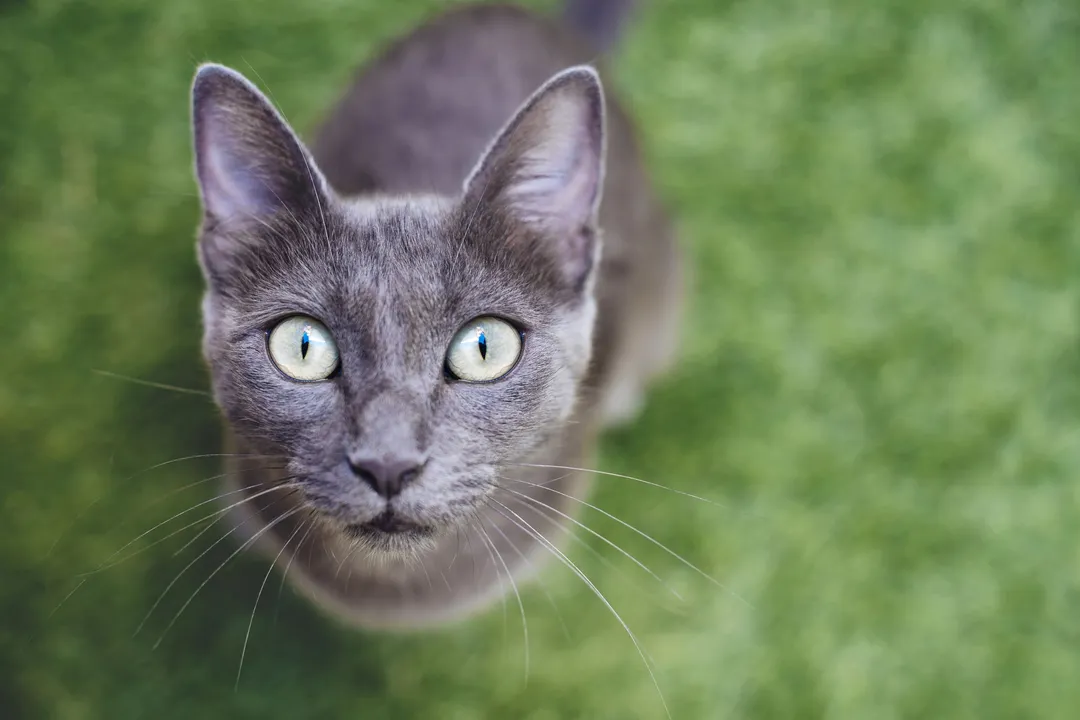
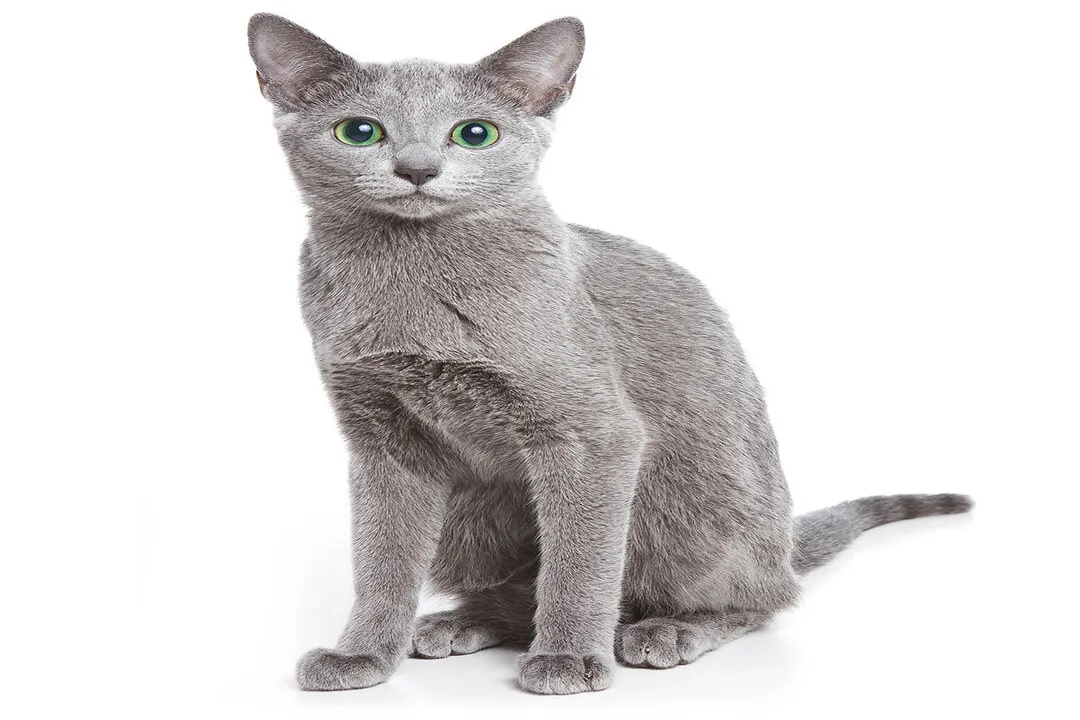
The Russian Blue cat is instantly recognizable, defined by a combination of traits that set it apart from other breeds, particularly other solid blue felines. The most striking classification element is its luxurious, dense coat, which possesses a distinct silvery sheen. [1][4] This coat is composed of two layers: a short, plush undercoat that is soft and downy, matched in length by the outer guard hairs. [4][7] When the light catches this fur, it shimmers, sometimes likened to moire silk. [7][8] The color itself must be an even, bright blue throughout, with lighter shades sometimes preferred in show standards. [4] Crucially, the guard hairs must be distinctly silver-tipped, creating the lustrous appearance that is a hallmark of the breed for over a century. [1][4]
If you are fortunate enough to meet one of these cats, examining the coat texture confirms its quality. When running a finger across the plush fur, the density is such that temporary "footprints" may remain behind until smoothed out again. [2] This structure, where the double coat stands out slightly from the body, actually contributes to an optical illusion, making the cat seem larger or more robust than its actual frame suggests. [7] Beneath this magnificent pelt, the paw pads are noted for their characteristic pinkish lavender or mauve coloring. [4]
# Eye Color
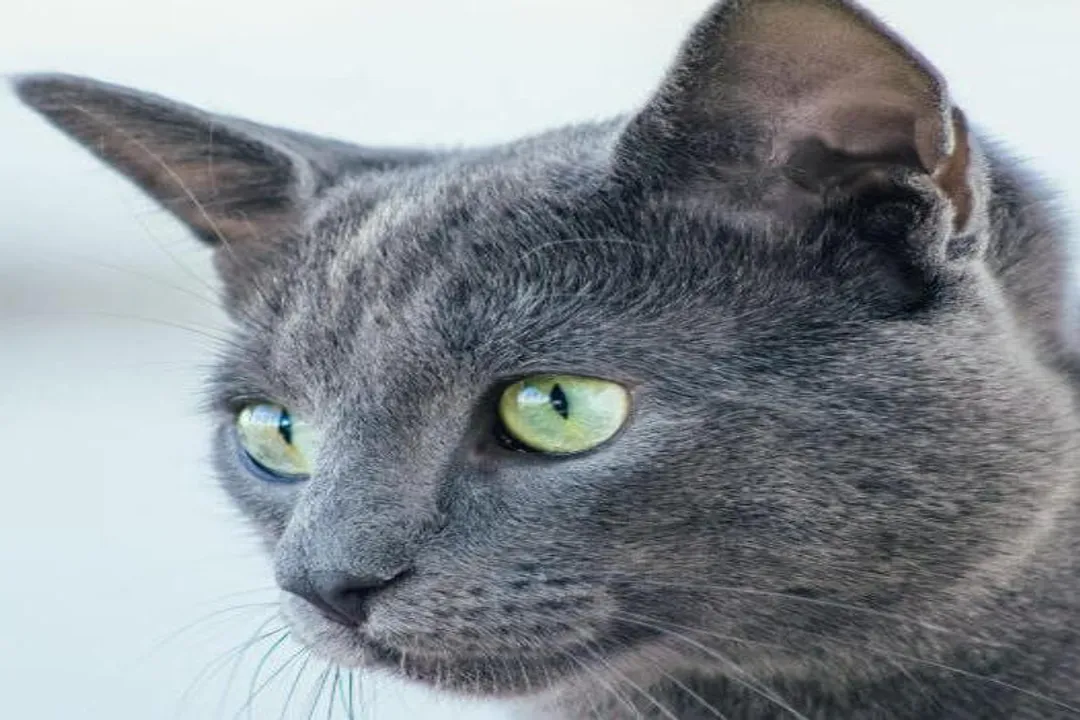
Perhaps second only to the coat in defining the breed are the eyes, which are typically described as large, wide-set, and an intense, vivid green. [1][4][7] This bright emerald hue is a key standard for the adult cat. [4][7] It is worth noting that Russian Blue kittens are born with eyes that range from yellow-green to yellow, deepening to the characteristic brilliant green as they mature. [1][7] Any presence of white patches of fur or persistent yellow eyes in an adult are considered faults in the show ring. [4] The overall facial structure is described as a modified wedge, with high, wide cheekbones that frame the eyes, often giving the cat a charming, enigmatic expression that suggests a perpetual smile. [1][5][7]
# Body Structure
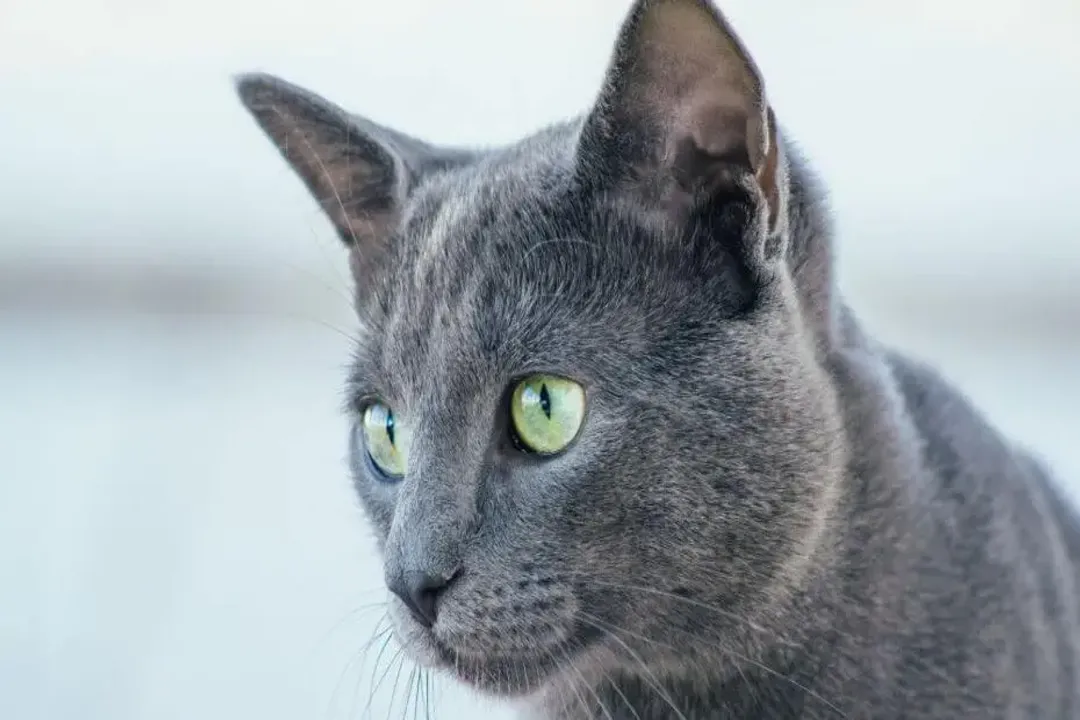
Physically, the Russian Blue is classified as a medium-sized cat, characterized by a fine-boned, lithe, and muscular body. [1][5][8] Despite the fine bone structure, they are surprisingly strong and graceful in outline and movement. [4][5][7] The breed standard emphasizes long, fine-boned legs and small, slightly rounded paws. [2][5] Their ears are another defining feature: they should be relatively large, wide at the base, and flared, with tips that are more pointed than rounded. [2][8] The head shape is precise, defined by seven angular planes creating a pleasing look. [7] While they are often grouped visually with other blue cats, the Russian Blue should not be confused with the British Shorthair, which is a different breed that simply comes in a blue coat color. [4] They are also distinct from the Korat and Chartreux, two other naturally occurring blue cat breeds. [4]
# Temperament
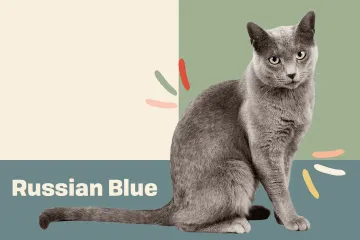
Classifying a Russian Blue is incomplete without discussing its nuanced personality. They are generally characterized as friendly, intelligent, and elegant companions. [1][2][8] However, this friendliness comes with a distinct caveat: they are typically reserved or shy around strangers. [1][5][7] This reserve is often misinterpreted as aloofness, but many sources suggest it is actually a thoughtful process where the cat assesses whether a newcomer is worthy of their affection. [4][7] Once an individual has been accepted, the Russian Blue becomes extremely affectionate, loyal, and often follows its chosen person around the house, sometimes even riding on a shoulder. [1][5][7][8]
These cats are also known for their need for predictable structure. They thrive on routine in everything from feeding times to daily schedules. [4][7] This sensitivity to environment means they prefer calm settings and may retreat to hiding spots if the household becomes overly noisy or filled with rambunctious visitors or children. [1][5]
# Intelligence
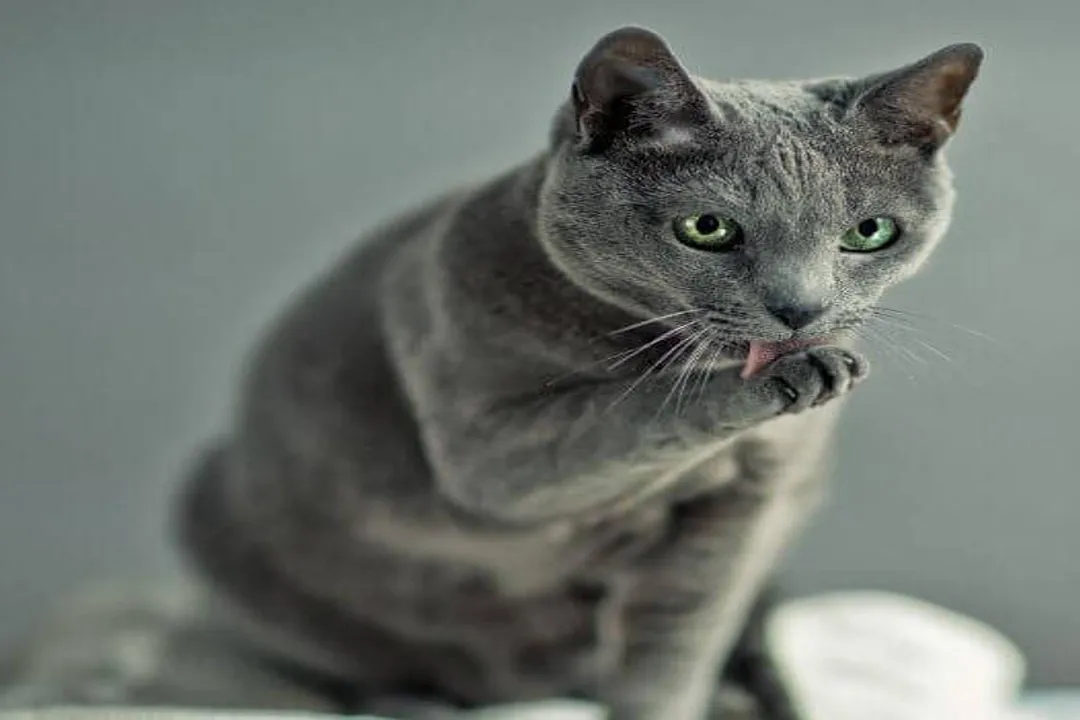
The breed’s high intelligence is a critical classifying feature, often noted alongside their beauty. [2][5][8] This intelligence manifests not just in learning but in practical, mechanical aptitude. [2] Owners should anticipate that a clever Russian Blue will figure out how to open closed cabinets, drawers, and sometimes even sealed containers holding treats. [2][4][8] To manage this mental energy, providing intellectually stimulating puzzle toys is highly recommended. [1][7] They are also highly trainable; many have been taught to play fetch. [1][7] This keen intellect, combined with their observational nature, means they learn their owners' routines well—and will certainly let their humans know if those routines are interrupted, often through vocal communication. [7][8]
# History
The origins of the Russian Blue are rooted in Russia, believed to stem from a naturally occurring landrace found near the port city of Arkhangelsk, sometimes called the Archangel Isles. [4][7] Folklore ties these cats to Russian royalty, even suggesting they were favored by Czars. [7] Sailors are thought to have transported them to Great Britain and Northern Europe in the mid-1860s. [4] They made an early public appearance in England at a cat show in 1872, then classified as the "Archangel Cat" among all other blue cats. [4][7] It wasn't until 1912 that they received their own dedicated class. [4][7]
The development of the breed faced significant hurdles, particularly after World War II, due to low numbers. [4] This necessitated outcrossing programs. English breeders sometimes used the blue British Shorthair, while others, including Scandinavian lines, utilized the blue-point Siamese to retain the elegant body type and large ears/eyes. [4][7][8] American breeders later combined these English and Scandinavian lines to create the modern look, meaning that most Siamese traits have now been successfully bred out of the primary lines. [4][7] Though a naturally occurring breed, the selective development process is what solidifies its pedigree classification today. It is important to note that while CFA does not recognize color variations, other registries, such as the GCCF, accept Russian Whites and Russian Blacks, which originated from crosses with domestic white cats imported from Russia. [4]
If you encounter a gray domestic cat that sheds a lot, it is merely a cat that happens to be blue; the breed classification is based on the specific coat texture, body type, and pedigree, not just the color. [3]
# Care Needs
Overall, the Russian Blue is considered a hardy and relatively low-maintenance breed in terms of grooming. [5][7] Their dense coat sheds less than many other breeds, meaning brushing once or twice a month is often sufficient to maintain softness and control any loose hair. [1][5] However, because they are so fastidious, a greasy coat can sometimes be a subtle indicator that the cat is feeling unwell and has stopped grooming itself normally. [7] Regular nail trims, ear checks, and routine dental care, including brushing, remain necessary parts of their general hygiene. [1][7]
One key area requiring owner vigilance is weight management. Russian Blues are known for having a healthy, sometimes overly enthusiastic, appetite. [7][8] Because they are prone to overeating and subsequent weight gain—which can lead to issues like diabetes or arthritis—portion control is essential. [1][2][5] Stick to regular, measured mealtimes rather than leaving food out continuously. [1][7] Given their intelligence, using food-dispensing puzzle toys serves a dual purpose: it satisfies their mental need for stimulation and slows down their eating process. [7]
These cats are long-lived, frequently reaching their late teens or even past twenty years with proper care. [1][5][8] They are adaptable to apartment living because they can keep themselves occupied when alone, yet they deeply value interactive playtime and attention when their family is present. [1][5][7] Ensuring they have climbing structures, like scratching posts, will accommodate their natural desire to leap and survey their domain from high vantage points. [1][7] For the prospective owner, understanding that a Russian Blue assesses a situation before acting is vital; they are not typically the breed to greet every guest effusively, but they are deeply attached to their chosen human companions. [5] Their quiet nature means they usually only become vocal to converse with their trusted people. [7]
Related Questions
#Citations
Russian Blue - Wikipedia
Russian Blue Cat Breed Information | Purina UK
What is the difference between a Russian Blue breed and a cat that ...
Russian Blue - The Cat Fanciers' Association
Russian Blue Cat - Hill's Pet Nutrition
Russian Blue - TICA - The International Cat Association
Russian Blue: Cat Breed Profile, Characteristics & Care
The Russian Blue Cat - Pet Health Network