What type of dog is a Blue Lacy?
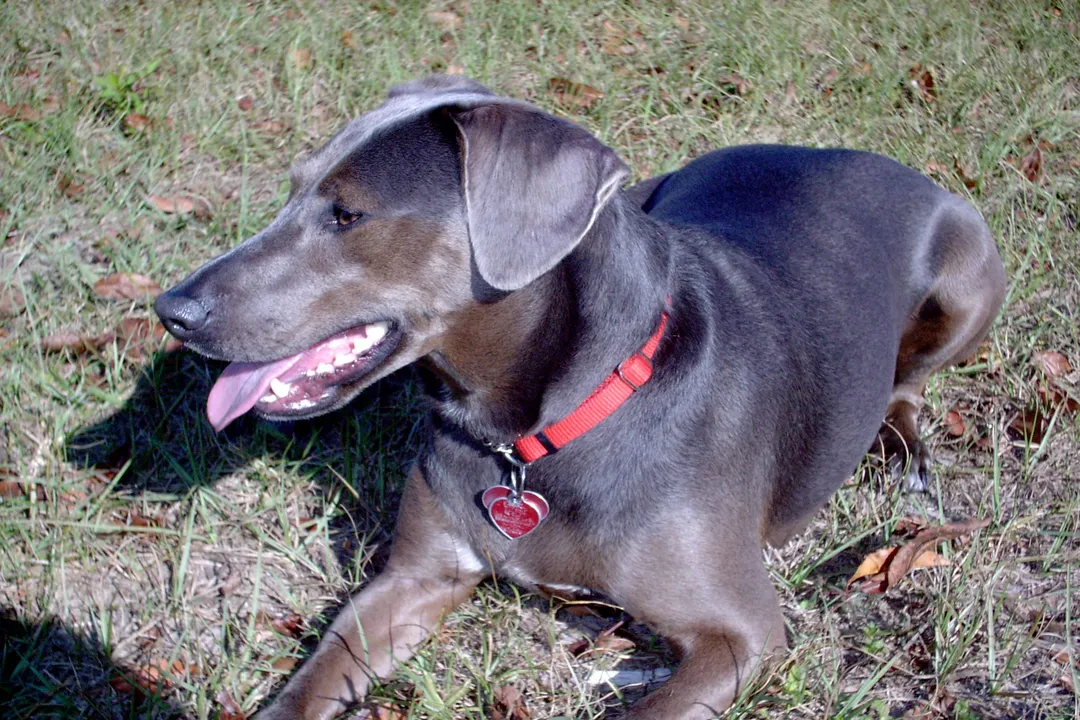
The Blue Lacy is a distinctly American dog breed, one that carries the heritage of the rugged Texas frontier in its very DNA. While not instantly recognizable in every dog park across the country, this breed holds a special place in the history of the Lone Star State, having been officially recognized as its State Dog. [5][6] They are medium-sized canines known primarily for their striking blue or gray coats, though the breed itself is defined more by its unmatched working drive and keen intelligence than by its color alone. [1][2] To understand what type of dog the Blue Lacy is, one must look past the pedigree papers—or the lack thereof in some major registries—and delve into the demanding job this dog was created to perform.
# Texas Origins
The development of the Blue Lacy is a story rooted in late 19th-century Texas, specifically associated with the Lacy family in Burnet County. [1][2] Brian and Harry Lacy are credited with creating this breed, initially intending to develop a dog perfectly suited for the difficult tasks of ranch life in the harsh Texas environment. [1][5] These tasks were varied and demanding, requiring a dog that could handle everything from trailing wild hogs to assisting with cattle drives. [1][6]
The exact ancestral makeup of the early Lacy dogs is somewhat obscured by time and the necessity of adapting quickly to the rugged conditions. [2] While the precise blend remains somewhat mysterious, historical accounts suggest mixes involving breeds like the coyote, scent hounds, and possibly some form of herding dog. [1] This amalgamation resulted in a dog with the stamina of a hound, the agility of a herder, and the tenacity needed to face down large, dangerous game like wild hogs. [2] The breed was largely developed in isolation within the local Texas community for many years before gaining wider recognition. [5]
# Coat Color
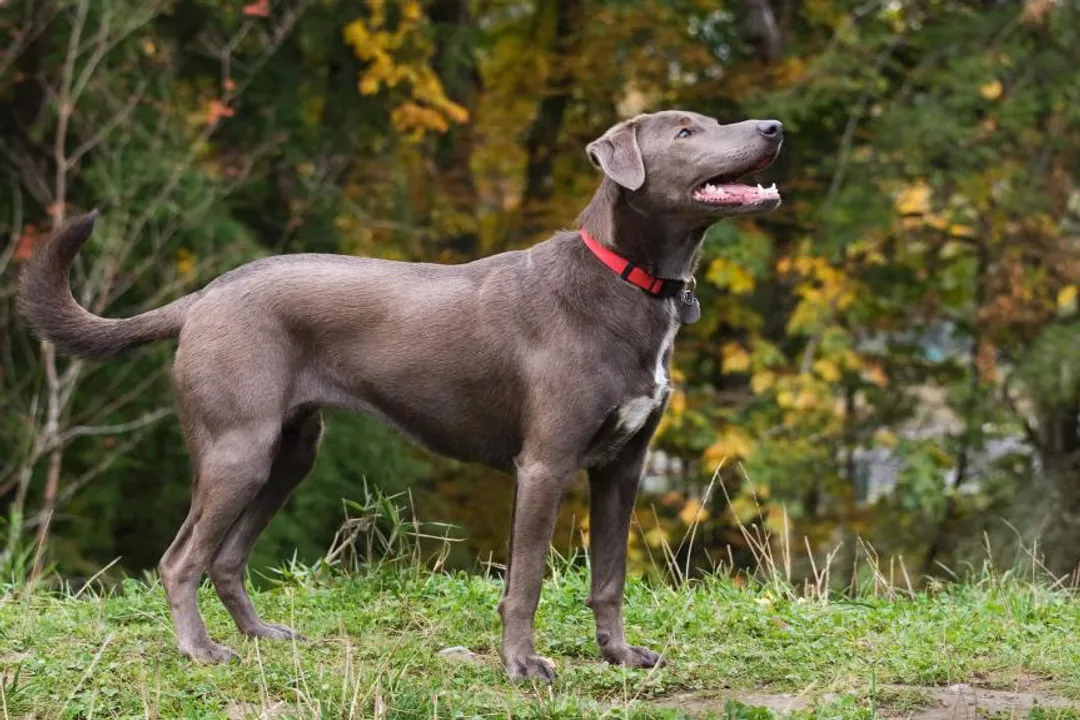
The most immediate identifying characteristic of the breed is its signature color, which gives the dog its name: blue. [1] However, "blue" in Lacy terminology refers to a range of shades, often described as slate gray or a mottled blue. [2] While the blue coloration is the standard, the breed registry allows for variations, including solid black and variations with white markings, particularly on the chest or feet. [1][4]
A key point of differentiation, especially when consulting breed standards, is the coat texture itself. The coat is short, tight, and smooth, serving well in the hot Texas climate by minimizing heat retention and making external parasites less likely to cling. [2] Despite the striking color, responsible breeding focuses on maintaining the structure and temperament suitable for strenuous work; the color is secondary to function, though it remains a defining visual trait. [4] A Blue Lacy puppy will often have a dark blue or black coat that lightens as it matures, sometimes showing darker points or a grizzled appearance. [2]

# Temperament Profile
The Blue Lacy is emphatically not a sedentary companion dog; it is a high-energy, highly intelligent working breed that requires consistent engagement. [2] Owners looking for a dog that is happy with a short evening walk will quickly find that the Lacy develops unwanted behaviors out of sheer boredom and pent-up energy. [2] They possess a pronounced prey drive, a trait inherited from their hunting lineage, which means they need firm, consistent management around smaller pets and wildlife. [2]
Loyalty is another hallmark trait. These dogs form very strong bonds with their families. [2] However, this deep attachment can manifest as reservedness or wariness around strangers. [2] They are often described as protective of their home and people, making them natural watchdogs, though perhaps not always the best greeters. [2][4] Their intelligence means they learn quickly, but this also means they can learn undesirable habits just as fast if training is inconsistent. [2] They thrive when given a purpose—be it advanced obedience, agility, herding trials, or simply being a highly involved companion on outdoor adventures. [2]
If you are considering bringing a Lacy into a typical suburban home, the critical evaluation point is not just whether you can provide physical exercise, but whether you can provide the necessary mental work. [2] A Lacy that is mentally unchallenged will frequently try to "herd" or "control" its environment in ways that might seem unruly to an uninvolved observer, such as obsessively patrolling the fence line or constantly trying to initiate games of chase with family members. [4] They require early socialization to temper their natural protective instincts without dulling their awareness.
# Breed Status
One significant aspect defining the Blue Lacy's current status is its relationship with major kennel clubs. The Blue Lacy is not recognized by the American Kennel Club (AKC). [1] This lack of AKC recognition means that the breed's development and maintenance are largely overseen by dedicated breed clubs and registries specific to the Lacy, such as the Blue Lacy Dog Registry (LGDR). [4]
The breed's dedication to its working heritage is arguably why it has maintained a more closed gene pool compared to many AKC breeds, where conformation standards can sometimes take precedence over working ability. [1] In Texas, their heritage is celebrated; they were officially named the State Dog in 2001, cementing their place in state culture. [5][6] This official designation helps protect the breed's identity within Texas, even as they remain relatively rare nationwide. [6] The National Kennel Club (NKC) does list the Blue Lacy. [3]
# Essential Care
Caring for a Blue Lacy revolves almost entirely around managing their high energy and channeling their inherent instincts appropriately. [2]
# Exercise Needs
This is perhaps the most non-negotiable aspect of Lacy ownership. These dogs were bred to cover large tracts of land daily while tracking game or moving livestock. [1] A simple walk around the block will not suffice. They need vigorous, sustained activity. Owners should be prepared for activities like jogging, hiking, swimming, or structured dog sports. [2] A simple comparative metric: a typical medium-energy dog might need 30-45 minutes of activity; a Blue Lacy often requires double that, broken into multiple sessions, coupled with demanding mental puzzles. [2]
# Grooming and Health
Grooming is straightforward, reflecting their short, close-fitting coat. [2] Occasional brushing is usually enough to remove loose hair, and regular nail trimming is necessary, especially since their activity might not always provide sufficient natural wear on hard surfaces like concrete. [2]
When assessing potential health concerns, owners should look for lines dedicated to preserving working health. While specific, widespread hereditary issues are not heavily documented across all available sources, the intense physical demands placed on the breed mean that joint soundness and overall cardiovascular health are paramount for any reputable breeder to screen for. [2] Their lean build is characteristic; prospective owners should note that a thin Lacy that is active and alert is generally healthier than a sturdy Lacy that is lethargic. [2]
# Working Aptitude
The historical function of the Blue Lacy directly informs its modern aptitude. They are versatile workers, capable of both herding and hunting. [1]
# Herding and Control
As herding dogs, they possess the instinct to gather and move livestock. Their style, however, might be more assertive than that of a traditional Border Collie; they are built for the tough cattle of Texas ranches, meaning they aren't afraid to use their presence and drive to influence movement. [2] This instinct can transfer to controlling family movement within the house if not properly managed with early training establishing the owner as the clear leader. [4]
# Hunting Prowess
The breed excels at tracking and treeing game, most notably wild hogs. [1] Their scenting ability, likely enhanced by the hound genetics in their makeup, allows them to follow trails effectively, and their courage enables them to hold dangerous prey at bay until the handler arrives. [2] This intense focus on scent and tracking means that off-leash reliability in uncontrolled environments is extremely low unless they have extensive, ongoing training reinforcement, as the scent of interesting game can override any command structure they have learned. [1]
# Training Philosophy
For a dog as intelligent and driven as the Lacy, training is less about breaking a stubborn spirit and more about directing an intense focus. [4] They respond best to positive reinforcement methods coupled with clear, firm boundaries. [2] Harsh methods are typically counterproductive, as they can cause this sensitive, bonded breed to shut down or become defensive. [2]
Consistency is vital. Because they are so quick to learn, any inconsistency in house rules will be exploited quickly. If jumping on the couch is allowed on Tuesday but punished on Wednesday, the dog learns the timing of the rule, not the rule itself. [2] A successful training program should integrate structure with their need for a "job," using scent work games or complex obedience routines as rewarding work, rather than simply treating training sessions as a prerequisite to playtime. [4] The bond formed through this cooperative work is what truly satisfies the Lacy's need to partner with its human.
# Breed Purity
Compared to many established breeds, the Blue Lacy maintains a more localized and perhaps less standardized history regarding registry tracking, which contributes to its rarity outside of Texas and specialized circles. [1][5] While some breed clubs, like the LGDR, work to establish and maintain standards of appearance and temperament, [4] the lack of recognition by the AKC means the gene pool remains comparatively small and closely guarded by dedicated enthusiasts. [1]
This tight-knit breeding community often prioritizes function over aesthetics, which is generally positive for preserving the working drive. [2] However, it also means that potential new owners must exercise extreme caution to ensure they are acquiring a dog from a breeder who understands the breed's history and health requirements, rather than just seeking a rare color pattern. [4] Researching the lineage for working ability, not just registration papers, becomes the paramount step in acquisition.
#Videos
Blue Lacy - Top 10 Facts - YouTube
Related Questions
#Citations
Blue Lacy - Wikipedia
Blue Lacy: Dog Breed Characteristics & Care - The Spruce Pets
Blue Lacy | National Kennel Club
LGDR Breed Standards - Lacy Game Dog Registry
Official State Dog of Texas The Blue Lacy The Blue Lacy ... - Facebook
Blue Lacy Dog Breed Health and Care - PetMD
Blue Lacy - Top 10 Facts - YouTube
Texas State Dog - Blue Lacy - wheretexasbecametexas.org
Blue Lacy Dog Breed Information and Pictures