How big are scrotum frogs?
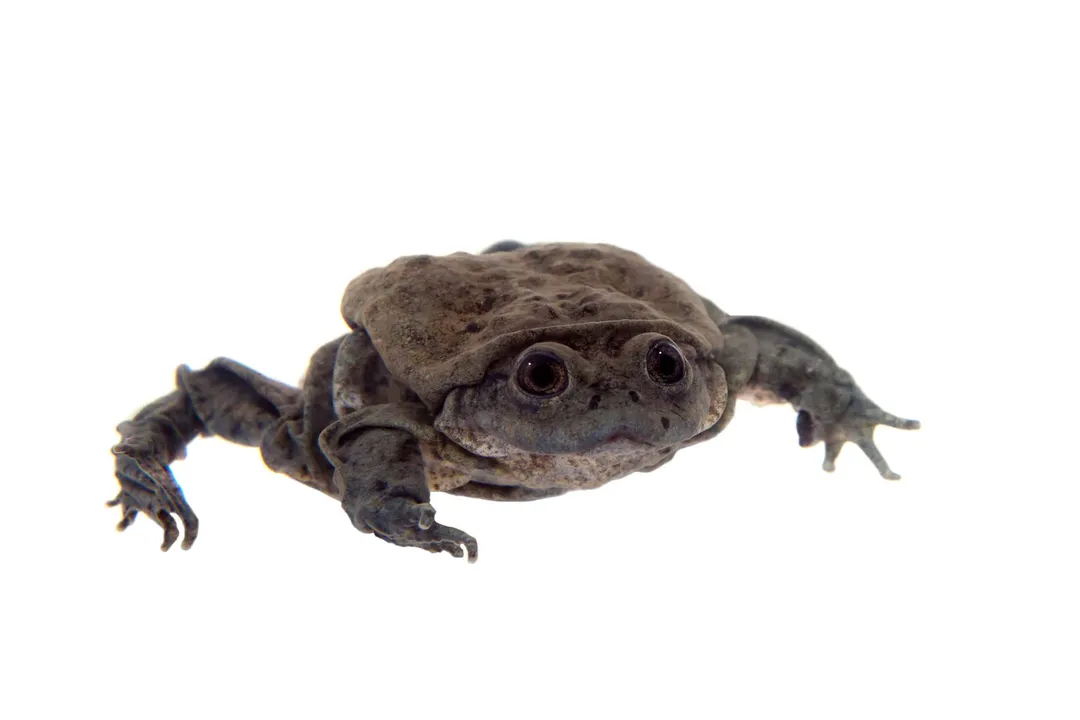
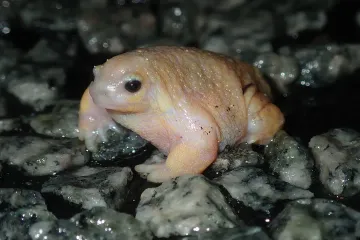
The Titicaca water frog, scientifically known as Telmatobius culeus, is one of the most distinctly featured amphibians on the planet, immediately recognizable by its notably loose, folded skin that has earned it its informal moniker. [4][5] This creature is found exclusively in the high-altitude basin of Lake Titicaca, situated on the border between Peru and Bolivia. [1][4] While its appearance draws immediate attention, understanding the actual physical scale of this fully aquatic frog requires looking past the baggy exterior and examining historical observations alongside modern findings.
# Frog Size

The size of the Telmatobius culeus varies considerably, often leading to confusion about its "true" dimensions. Being entirely adapted to life underwater, it does not need to surface for air, relying instead on its highly vascularized skin folds to absorb oxygen from the water, functioning much like external gills. [4][6] This adaptation means that when the frog is dry or its skin is deflated, it appears much thinner than its usual appearance suggests. [4]
When measuring the length, scientists commonly rely on the snout-to-vent length (SVL). [4] The maximum recorded SVL for this species is around 20 centimeters (approximately 8 inches). [4] Furthermore, their hind legs are noteworthy, often being about twice the length of the body. [4] Females generally attain a slightly larger size than their male counterparts. [2][4] For a more direct comparison, a measurement of up to 20 centimeters SVL places it among the larger aquatic frogs globally. [1][5]
# Historical Records
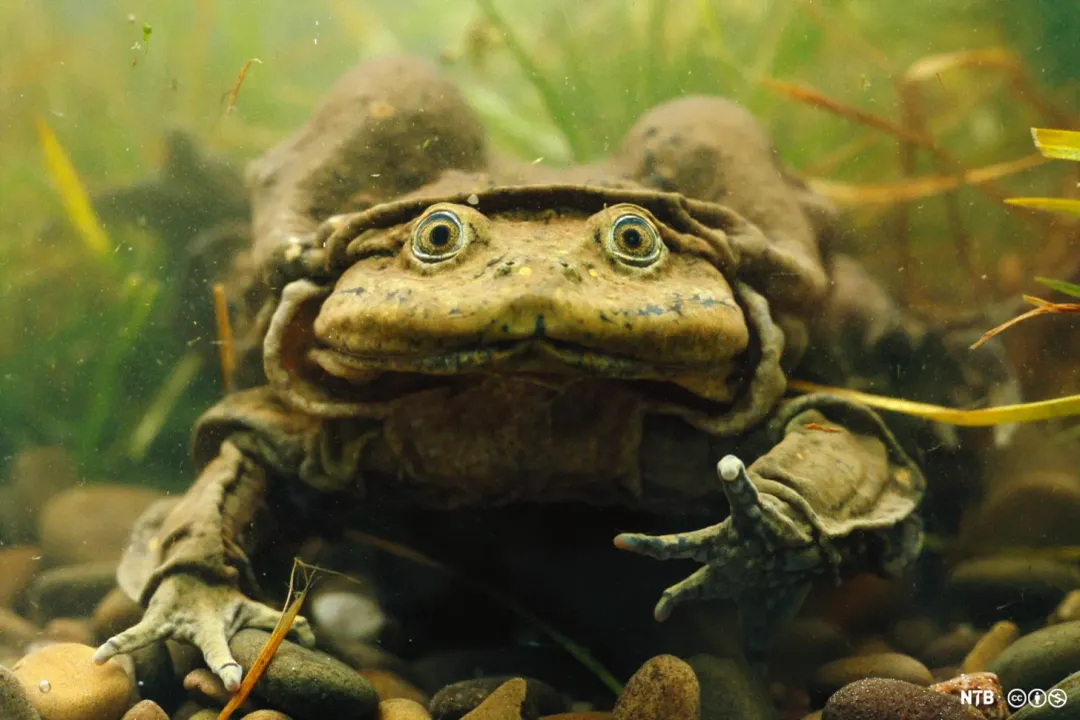
The recorded maximum size of the Titicaca water frog is quite startling and comes from an expedition led by Jacques Cousteau in the late 1960s. [4][6] Cousteau's team reported finding individuals reaching an outstretched length of up to 60 centimeters (or 2 feet) and weighing as much as 1 kilogram (2.2 pounds). [4] These exceptional, almost record-breaking dimensions would classify them among the largest exclusively aquatic frogs worldwide. [4] However, contemporary accounts suggest that such giants are now very unlikely to be seen. [6] Today, the typical large form usually possesses an SVL between 7.5 and 17 cm and weighs under 0.4 kg (0.9 lb). [4]
This discrepancy between the historical maximum and current typical size highlights the severe population decline the species has experienced. [6] The fact that the largest specimens were documented decades ago suggests that environmental pressures have reduced the capacity for the remaining wild population to reach their full potential size, as larger individuals may have been disproportionately affected by threats like over-harvesting. [4][7]
# Morphological Variation
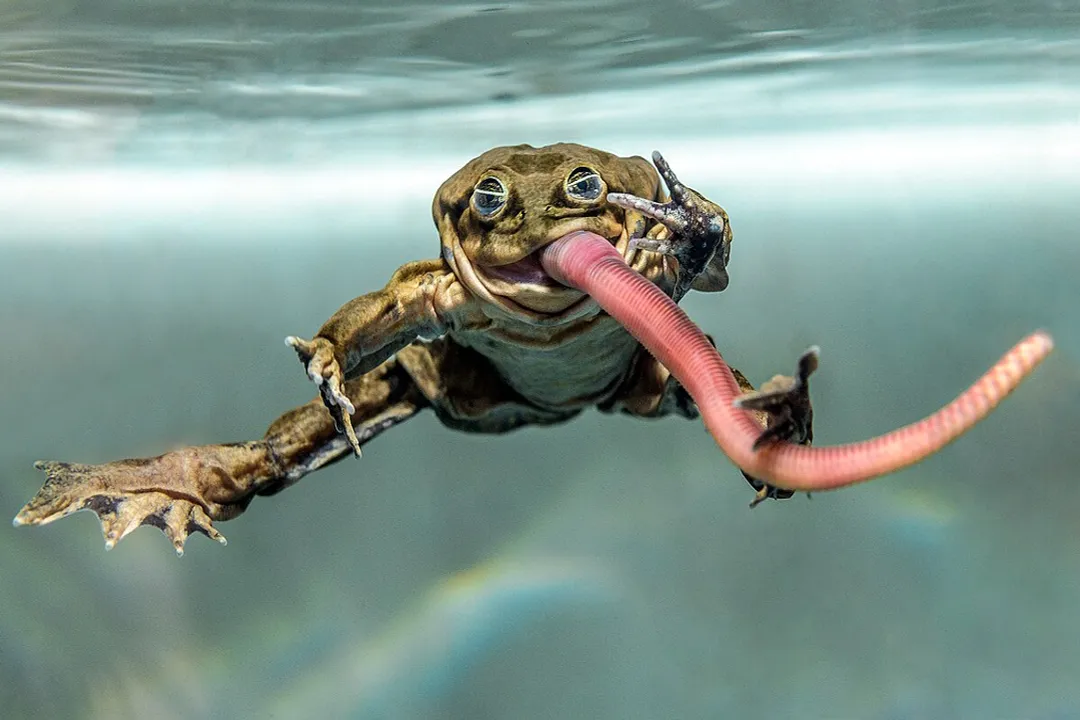
One interesting aspect of the Titicaca culeus size structure is that it is not monolithic; the species exhibits distinct forms correlated with habitat depth. [4] While the larger, typical form generally inhabits the deeper waters of the main lake basin, other recognized forms historically lived in shallower depths, smaller connected lakes, or feeder streams. [4][5] These shallower-dwelling variants tend to be smaller, with SVL measurements ranging from 4 to 8.9 cm. [4] Although these variations were once classified as separate species, modern taxonomic reviews group them as morphological variants of T. culeus, noting that they intergrade extensively. [4]
The skin folds themselves are fluid-filled structures that contribute significantly to the apparent bulk of the frog. [4] The actual tissue beneath this loose covering is relatively thin. [4] This physical characteristic offers a fascinating case study in extreme biological specialization: to survive at high altitudes where the air is thin, these frogs must maximize their ability to extract dissolved oxygen from the water, especially when resting near the deep, colder bottom. [5][6] The sheer volume of loose skin effectively increases the total surface area available for cutaneous respiration relative to the frog's mass. If we consider the basic constraint of the frog's lung capacity—which is only about one-third the size expected for a frog of comparable body size—the massive, wrinkled skin surface must compensate for a significantly smaller internal respiratory system. [4][5] The sheer scale of this adaptation suggests that the ratio of skin surface area to body volume must be drastically higher in this species than in most other anurans, enabling life in the high, oxygen-stressed waters of Lake Titicaca. [5]
# High Altitude Biology
The environment that necessitates such a large, specialized body—Lake Titicaca—is located at an elevation of about 3,800 meters (12,500 feet). [4][5] The low atmospheric pressure at this altitude means the air itself contains less oxygen compared to sea level. [4][6] For a completely aquatic animal like the Titicaca water frog, its existence is entirely dependent on the water's ability to retain sufficient oxygen, which it achieves through wave action and high winds. [5]
When oxygen levels drop acutely, particularly at the depths where the typical form resides (sometimes filmed at 120 meters, a record depth for any frog), [4] the frog exhibits a derived behavior: it performs "push-ups" or bobs to increase water flow over its skin folds, maximizing the diffusion of scarce oxygen. [4][5] This extreme adaptation to hypoxia means that any environmental change impacting water quality—such as pollution causing algal blooms that consume oxygen—is not just an inconvenience but an immediate, existential threat. [4][6] This high degree of specialization creates a narrow survival window; unlike smaller, more generalist frogs that can easily ascend to the surface to gulp air, the T. culeus's entire lifestyle is built around this low-oxygen aquatic niche, rendering the entire species highly sensitive to even slight environmental shifts in its specific habitat. [5]
# Scale of Threats
When discussing the size of the Titicaca culeus, it is important to contextualize this within the scale of threats it faces. While a large frog might seem formidable, its specialization works against it in times of crisis. [4] The threats facing this amphibian are significant, leading the IUCN to classify it as Endangered. [4] The population has seen declines of over 80% in recent generations. [4][6]
Major threats include pollution from mining, agriculture, and sewage, which directly affect the water quality the frog relies on for respiration. [4][7] Furthermore, introduced rainbow trout prey heavily on the frog's tadpoles, limiting recruitment into the adult population. [2][4][6] Humans also impact the population size through capture for food and the illicit pet trade, sometimes involving the sale of the frogs blended into drinks believed to have aphrodisiac qualities. [4][6][7] The fact that a mass die-off event in 2016 saw an estimated 10,000 individuals perish in a single tributary underscores how vulnerable the species is to widespread environmental insults, despite its imposing physical size. [7] Efforts to conserve this unique, large amphibian are ongoing, including successful captive breeding programs established outside its native range. [4]
Related Questions
#Citations
Telmatobius culeus - Wikipedia
Telmatobius culeus - AmphibiaWeb
Scrotum Frog - Telmatobius culeus - A-Z Animals
Cabinet of Freshwater Curiosities: Lake Titicaca 'scrotum' frog ...
Scientists investigate death of 10,000 endangered 'scrotum' frogs in ...
Scrotum Frog Facts & Photos | Wowzerful
Denver Zoo makes history with first batch of 'scrotum frog' tadpoles