What can I feed a frog in a pond?
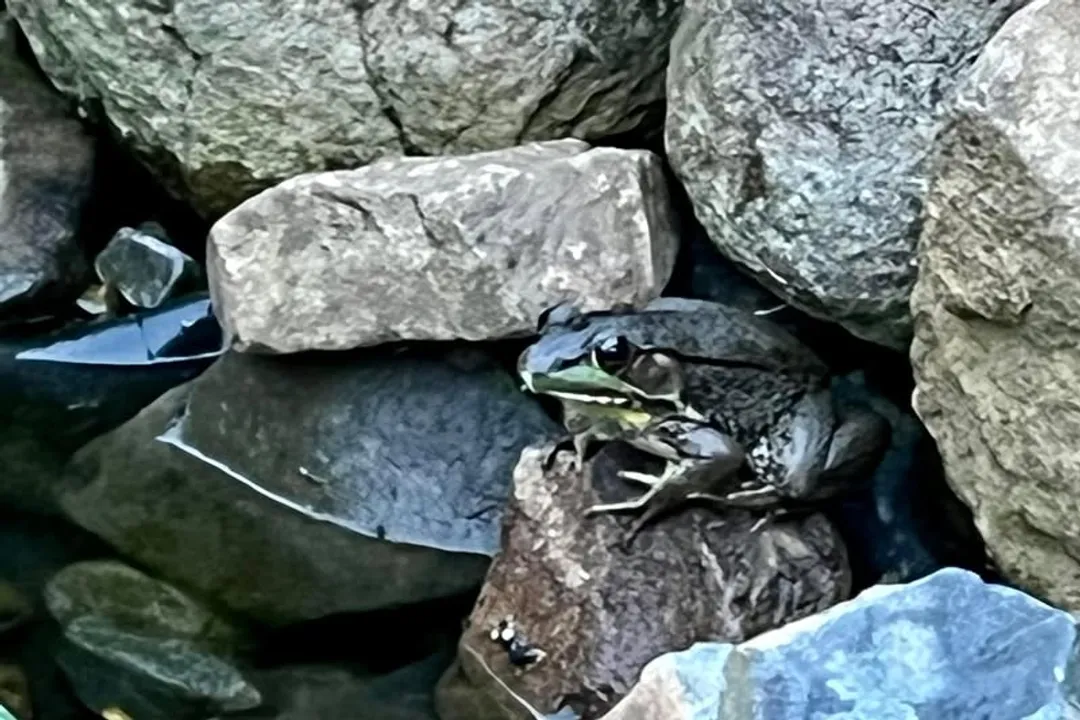
Frogs residing in a pond environment are perfectly adapted to sourcing their own meals from the water and surrounding vegetation. [1][8] They are opportunistic carnivores, meaning their diet consists primarily of whatever live, moving prey they can successfully capture and swallow. [1][2] For the wild frog, the menu is dictated entirely by the local ecosystem's biodiversity. [5]
# Natural Prey

The staple diet for most wild pond frogs centers on insects and other small invertebrates they encounter. [2][8] This includes a wide spectrum of common pond and garden visitors. Look for mentions of flies, mosquitoes—a welcome service provided by the frogs—and various spiders that venture too close to the water's edge. [1][8] If the pond has a healthy bottom layer of decaying matter and mud, various worms, slugs, and snails will also contribute to their intake. [1]
When considering what a wild frog eats, it is crucial to remember that they rely on movement to trigger their feeding response; a frog will generally ignore food that isn't visibly alive or twitching. [1][2] A healthy pond teeming with aquatic insects—like midges, water boatmen, and even smaller dragonfly nymphs if the frog is large enough—ensures a self-sustaining food chain for its amphibian residents. [8]
# Size Matters
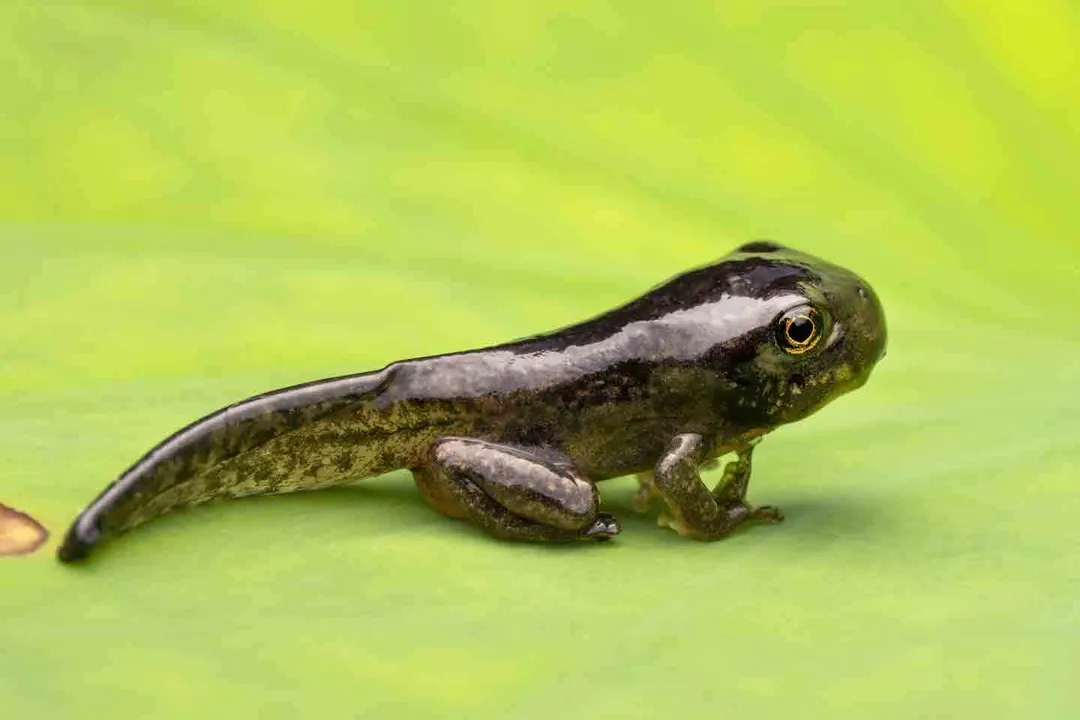
The size of the frog directly dictates the size of the prey it can consume. [7] This is a fundamental concept in understanding their feeding habits. A newly metamorphosed froglet, barely larger than a thumbnail, cannot manage a large earthworm or a mature cricket. [7] These tiny juveniles often subsist on the smallest available invertebrates, such as springtails or the tiniest gnats. [7]
Conversely, a fully grown bullfrog or a large native species has a much broader palate. While still focusing on insects, larger frogs can effectively take on sizable prey, including small fish, small rodents, or even other amphibians if the opportunity arises. [1][2] When you observe a frog in its natural habitat, its current body condition is a direct reflection of the availability of appropriately sized prey items in that specific location. [5]
| Prey Type | Typical Frog Size | Natural Pond Source |
|---|---|---|
| Mosquitoes/Gnats | Small to Medium | Air/Water Surface |
| Spiders/Flies | Medium | Vegetation/Surface |
| Crickets/Grasshoppers | Medium to Large | Land Near Water |
| Worms/Slugs | All sizes (dependent on worm size) | Soil/Debris |
# Supplementary Feeding

The central question for pond keepers often shifts from what they eat to if they should be fed by humans. [5] In a thriving, balanced pond ecosystem, supplemental feeding is usually unnecessary, as the natural food supply should be adequate for the local frog population. [8] Wild frogs are experts at finding sustenance on their own. [5]
However, if you are trying to encourage frogs to linger near a specific area or if you suspect the natural food sources are temporarily low, you might consider introducing high-value, natural prey items. [5] Crickets and dried or live mealworms are sometimes used as supplementary food, particularly for captive frogs, but caution is advised when introducing large quantities into a wild pond setting. [4]
Consider the ecological balance. Introducing large quantities of feeder insects (like crickets purchased for pets) might temporarily benefit a few individuals but could also attract predators or disrupt the local invertebrate population balance if done frequently, acting as an artificial subsidy. It’s better to support the environment that supports the insects they naturally hunt.
# Avoiding Harmful Foods
When thinking about feeding pond frogs, it is perhaps more important to know what not to provide. [4] Frogs have highly specialized digestive systems built for the nutritional profile of whole insects and invertebrates. [2] Introducing items that are not part of their natural diet can cause serious health issues. [4]
Absolutely avoid offering any type of human food, such as bread, cheese, or processed scraps. [4] These items offer no nutritional value to the frog and can actually cause digestive blockages or introduce unhealthy additives. [4] Furthermore, while some sources mention specific captive frog foods like specialized pellets, these are irrelevant and potentially harmful if introduced into an outdoor pond setting where frogs are expected to hunt naturally. [4][9] The wild environment should remain free of human intervention regarding their primary meals.
# Tadpole Nutrition
It is vital to distinguish the diet of an adult frog from that of a tadpole. [6] Tadpoles are not miniature versions of the adults; they undergo a significant dietary shift during metamorphosis. [6] Initially, tadpoles are largely herbivorous or omnivorous. [6] Their primary sustenance comes from grazing on algae, decaying aquatic plant matter, and biofilm that grows on rocks, plants, and pond liners. [6]
If you notice a large population of tadpoles, the health of the pond plants is crucial for their survival. [6] Introducing commercial fish flakes or algae wafers intended for other aquatic life should be done sparingly, if at all, as these can pollute the water if uneaten, even if the tadpoles consume some of it. [6] Their natural grazing provides the necessary roughage and microorganisms for their development. [6]
A simple way to gauge the health of the frog population's natural food supply is to observe the presence of healthy aquatic plants and undisturbed muddy/leafy areas near the water's edge. These areas shelter the larvae and smaller insects that form the base of the adult frog's diet. If these foundational elements are missing, the frogs may struggle regardless of occasional supplemental feeding.
# Habitat Support
Ultimately, ensuring that pond frogs have a consistent food supply means focusing on maintaining a healthy pond habitat rather than trying to hand-feed them. [8] A habitat that encourages a diverse insect population will naturally feed the frogs. [5] This means avoiding excessive chemical treatments that kill invertebrates and providing varied vertical surfaces, like marginal plants or smooth rocks, where different types of insects rest or breed. [8]
For instance, dense clumps of pond grasses or iris near the water provide excellent perching spots for dragonflies and damselflies—larger prey for bigger frogs—and also harbor smaller crawling insects beneath their base. [1] Creating a slightly messy edge with leaf litter, managed appropriately so it doesn't choke the pond, provides shelter for worms and beetles, which are essential protein sources for terrestrial hunting phases. [8] By prioritizing water quality and plant life, you are providing the most high-quality, consistent, and species-appropriate diet possible for your resident pond frogs. [2]
Related Questions
#Citations
What Do Frogs Eat in Your Pond? | Living Water Aeration
What do Pond Frogs Eat?
Help with feeding wild frogs? - Reddit
What Can I Feed My Pet Frog? - Pet Assure
What treats do you feed your green frog residents? - Facebook
What Do Frogs Eat? A Guide to Feeding Amphibians | Chewy
How to feed tiny baby frogs | Reptile Forums
What Do Frogs Eat in a Pond? A Guide for Pond Owners
Frogs in ponds? - Beginners Corner - Aquarium World