Where is the best place to put a tree frog?
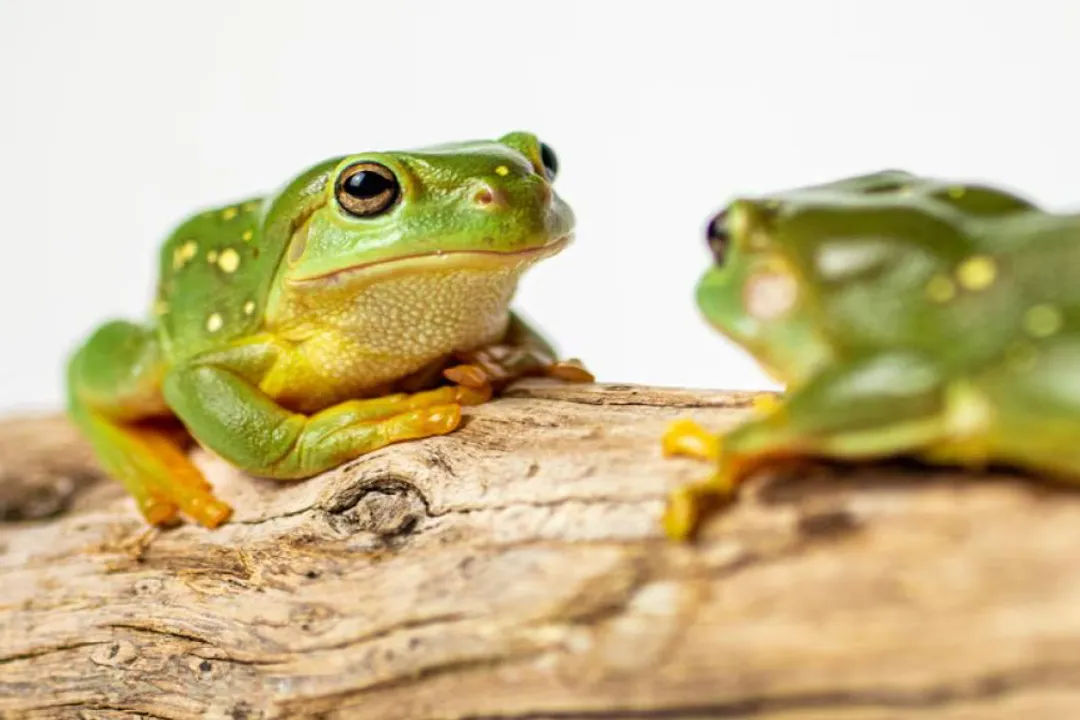
The determination of the absolute "best place" for a tree frog depends entirely on whether the frog is a captive pet, a recently wild-caught individual needing temporary housing, or a specimen being considered for release back into the wild. For the vast majority of keepers, the best place is a meticulously prepared, secure, and species-appropriate enclosure designed to mimic its native environment as closely as possible. However, if the context is returning a frog to its home, the best place is its original, uncontaminated local habitat.
# Enclosure Setup
When setting up a permanent home for a tree frog, the enclosure needs to address height, security, substrate, and the atmospheric conditions necessary for respiration and hydration. Tree frogs are largely arboreal, meaning they prefer vertical space over floor space. A taller enclosure, such as a screen-sided terrarium or a glass tank with a secure mesh top for ventilation, is generally better than a wide, short aquarium. For many species, including the common Green Tree Frog, the environment must maintain high humidity levels, often between 60 and 80 percent.
The choice of substrate can significantly impact both humidity and maintenance. Some keepers opt for simpler bases like paper towels or coconut fiber, which are easy to clean, especially when dealing with wild-caught amphibians where quarantine or observation is necessary. For a more naturalistic and long-term habitat, bioactive setups are often recommended. A bioactive enclosure involves a living ecosystem utilizing specific layers of substrate, detritivores (like springtails and isopods), and live plants to naturally recycle waste. While this offers the most authentic setting, it requires a deeper understanding of environmental balance to ensure the frog's safety and health.
Temperature management is non-negotiable. For instance, White’s Tree Frogs thrive with daytime temperatures around 75 to 80 degrees Fahrenheit, requiring a slight drop at night. Green Tree Frogs have similar requirements, often needing temperatures in the mid-70s Fahrenheit, though specialized species may require specific thermal gradients. Providing branches, cork bark, and other climbing structures is essential, as these frogs spend most of their time off the ground, often resting on leaves or twigs. You must ensure that any materials placed inside, whether they are decorations or structural elements, are safe and free from chemicals or pesticides that could harm the frog through its sensitive skin.
# Species Needs
The concept of the "best place" shifts dramatically based on which tree frog species you are housing. A setup perfect for a South American White’s Tree Frog, which tolerates slightly drier conditions and can get quite large, might be fatal for a smaller, more moisture-dependent native frog.
Consider the requirements for three common types:
| Species | Preferred Humidity Range | Key Housing Feature | Source |
|---|---|---|---|
| Green Tree Frog | 60% - 80% | Ample climbing space, often vertical | |
| White’s Tree Frog | Generally lower than other species, but still moist | Larger enclosures due to adult size | |
| Gray Tree Frog | High humidity, misting essential | Needs places to hide during the day |
When housing a wild-caught Gray Tree Frog, keepers on forums often stress the importance of providing ample hiding spots and keeping the environment consistently moist, reflecting the damp conditions they seek under bark or in leaf litter in the wild. The transition from the wild to a glass box is stressful, and minimizing environmental shock is paramount; this often means prioritizing immediate humidity and security over aesthetic perfection initially. For any newly acquired frog, an initial observation period in a simple enclosure using paper towel substrate is a wise practice, allowing the owner to monitor eating habits and defecation before introducing a complex, permanent habitat. This temporary, controlled setup acts as a low-risk testing ground before committing to a full bioactive tank.
The lighting setup also needs attention. Tree frogs generally require full-spectrum lighting, often including UVA/UVB, to regulate natural behaviors, although their specific needs differ from diurnal reptiles. Water quality is another constant in setting up the best environment. Dechlorinated or spring water must always be used, as amphibians absorb chemicals directly through their skin, making tap water potentially toxic.
# Release Ethics
If the "best place" refers to returning a frog to the natural environment, the answer becomes one of ethics and biology, not decoration. Releasing a pet frog into a local ecosystem is almost always strongly discouraged by experts and hobbyists alike, as it poses a severe threat to native amphibian populations through disease transmission (like Chytridiomycosis) or by introducing non-native genetics.
However, if the frog was found locally—say, a Gray Tree Frog encountered in your yard—and you are asking where it should go if you aren't keeping it, the consensus points toward returning it to the exact spot it was found, or at least within the immediate vicinity. When users on community boards inquire about releasing found frogs, the most critical advice centers on where it was found. If you found it near a specific pond or under a known log, that specific location is its established territory and provides the necessary microclimate, food sources, and shelter it already knows.
The crucial factor in determining the "best place" for release is isolation from other established wild populations if the frog has been kept in captivity, even for a short time. Keeping a wild-caught amphibian for more than a few days warrants serious consideration about its long-term welfare, as many people discover that caring for wild specimens is difficult and potentially harmful to the frog. If a frog has been in a home environment, releasing it near a local, healthy water source—one clearly teeming with native life and free from pollution—is the general recommendation for found animals, provided it hasn't been treated with any medications. But an even better approach, as some discussions suggest, is to ensure that the frog is immediately placed into a safe, temporary habitat (like a clean container with damp paper towels and a few leaves) and then released near where it was found within 24 hours, thus minimizing handling and exposure to potential home pathogens.
# Habitat Comparison Summary
To summarize the decision-making process for finding the ideal location, one must weigh the risks of the wild against the benefits of expert captive care.
For the owner, the best location is a well-maintained terrarium. It offers temperature stability, protection from predators, controlled hydration, and consistent access to appropriate food—factors that are entirely unpredictable in the wild. This is especially true for non-native species purchased from the pet trade, whose home locations are often thousands of miles away and utterly impossible to replicate accurately.
For a native frog found temporarily, the best location is its immediate, original outdoor habitat. If relocation is unavoidable due to immediate danger (like construction), the relocation site should share the same basic characteristics: access to permanent or temporary water, native vegetation, and appropriate moisture levels, ideally within a few hundred yards of the original spot to keep it within its known foraging range. A helpful checklist for a potential release candidate involves asking: Has it been treated with any antibiotics or anti-fungal agents? If yes, do not release it. Has it been housed with other frogs of unknown origin? If yes, do not release it. If the answer to these critical health questions is negative, then placing it back near its point of capture is the responsible action.
Ultimately, the "best place" is the location where the frog can meet its specific physiological and behavioral requirements without causing harm to itself or the local ecosystem. For the dedicated keeper, this means a vertical, secure, highly humid terrarium appropriate to the species' adult size. For the temporarily displaced native frog, it means the exact patch of damp earth or branch where it was first encountered.
#Videos
How to Care for Gray Treefrogs! - YouTube
How To Build a Tree Frog House - YouTube
Related Questions
#Citations
How to Care for Gray Treefrogs! - YouTube
Where would be an ideal setting to release a green tree frog? - Reddit
Creating a tree frog habitat in your yard is highly recommended
Green Tree Frog Care Sheet - PetMD
Keeping Wild Caught Gray Tree Frogs | Our Reptile Forum
White's Tree Frog Caresheet and bioactive maintenance
A Set-up Guide for Your Tree Frog - Reptizoo
Newbie, need tips on Gray Tree Frog habitat