Are bird snakes venomous?
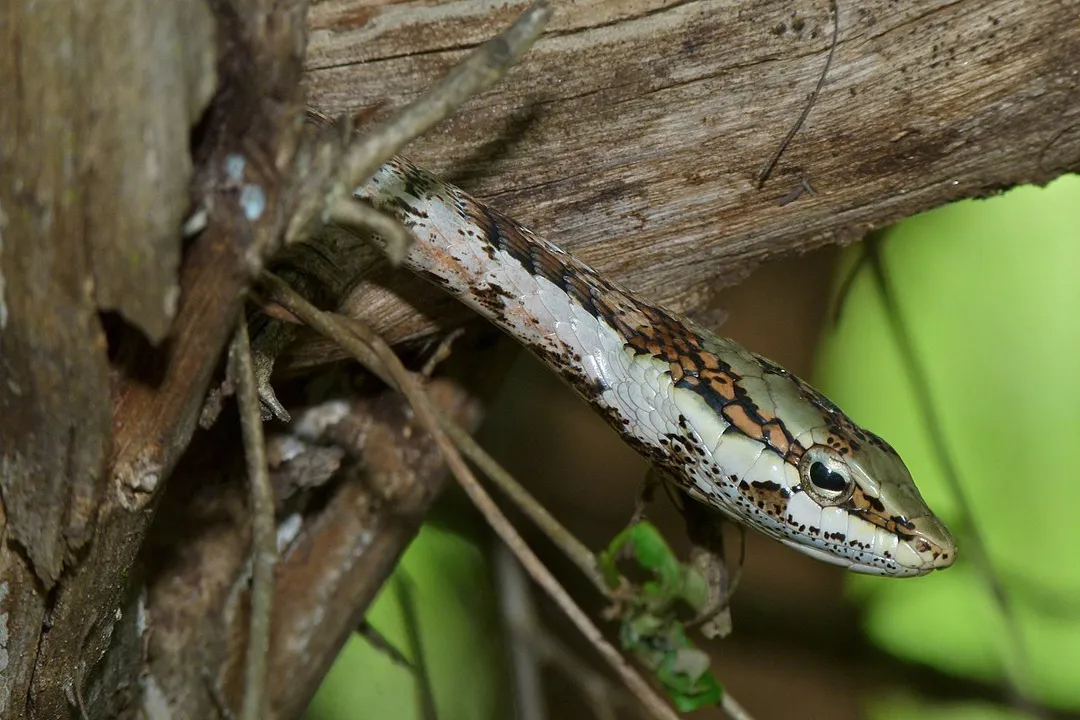
The serpentine world often presents challenges in common naming, and the creature often referred to as a "bird snake" is a prime example that demands precise identification, particularly when discussing its potential hazard to humans. The snakes that frequently carry this moniker belong to the genus Thelotornis, which also goes by the names twig snake or vine snake. The critical point for anyone encountering one of these slender reptiles, especially in their native African habitats, is that they are indeed venomous. This venomous nature is not always apparent from their docile appearance or lack of immediate, dramatic local reaction, making them a significant animal to understand.
# Venomous Status
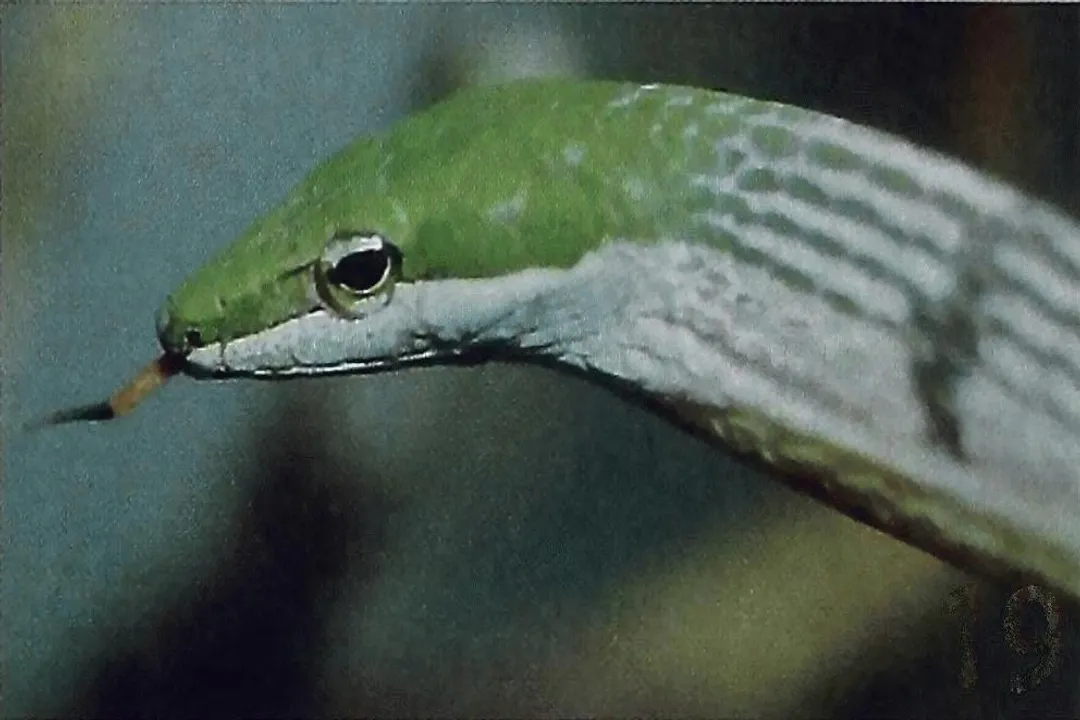
To be clear, when discussing bird snakes in the context of danger, we are referring to the Thelotornis genus. Snakes within this group, such as the Forest Vine Snake (Thelotornis kirtlandii), possess venom that is medically significant. Unlike some of the heavily built vipers common in the same regions, these snakes are characterized by their delicate, extremely slender bodies. This morphology belies the potency of their bite. They are rear-fanged snakes, which sometimes leads to an underestimation of their danger, but their venom delivery system is highly effective. If a dangerous snake's venom is present, it is often related to its ability to disrupt the victim's blood clotting mechanisms.
# Appearance Twigs

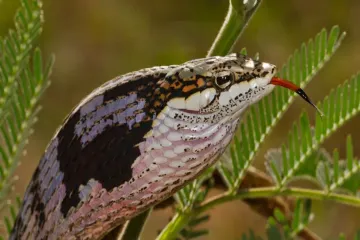
The common name "twig snake" is entirely derived from their remarkable camouflage. These snakes are masters of concealment, perfectly mimicking the appearance of a dead twig or vine hanging in the foliage. Their coloration and slender, often slightly angular build allow them to blend into the branches and shrubs where they hunt. This adaptation is crucial to their survival, as it aids them in ambushing their prey, which commonly includes birds and lizards. For someone not trained in herpetology, spotting a Thelotornis resting motionless against bark or a branch is incredibly difficult, which inherently increases the risk of accidental contact.
Their physical characteristics further aid in this deception. They possess distinctive vertical pupils. While many venomous snakes have vertical pupils, this feature, combined with their elongated snout and head shape, helps them maintain a low profile when they are not actively moving or striking. A vine snake may be observed hanging vertically among branches, appearing indistinguishable from the surrounding vegetation, a predatory behavior that doubles as a defense strategy.
# Venom Danger
The venom produced by Thelotornis species is generally considered haemotoxic. While some initial accounts might focus on neurotoxic effects, the primary, life-threatening danger documented from bites involves coagulation disorders. This means the venom interferes with the body's ability to form blood clots. The direct consequence of this interference is severe internal bleeding, or hemorrhaging, which can lead to catastrophic systemic failure if the bite is not treated promptly and correctly.
The venom of Thelotornis kirtlandii, for example, is known to be very potent. Bites from this species, and closely related ones like the Southern Vine Snake, have unfortunately resulted in fatalities in humans. The venom, delivered via fangs situated towards the back of the mouth, requires a chewing or deep bite to inject effectively, but bites do occur, sometimes when individuals attempt to handle or harass the snake.
It is helpful to compare the immediate effects to more well-known local snakes. While a bite from a highly cytotoxic (tissue-destroying) viper might cause immediate, agonizing swelling and necrosis at the bite site, the Thelotornis bite can be deceptively mild initially. The initial local pain might be slight or absent, leading the victim to believe they were bitten by a harmless species or that the bite was superficial. This is the most dangerous characteristic of these snakes from a public safety perspective. One must always treat a suspected Thelotornis bite with the utmost seriousness, regardless of the immediate local pain level.
# Bite Misdiagnosis
The subtle nature of initial symptoms presents a unique challenge in emergency medical response. A person bitten by a bird snake might experience very little localized pain or swelling compared to bites from other venomous species. This lack of immediate, dramatic local symptoms can lead to misdiagnosis or a dangerous delay in seeking appropriate antivenom treatment.
For instance, if a bite victim presents to a clinic with only mild discomfort hours after a suspected snake encounter, a medical professional might incorrectly rule out a serious envenomation, perhaps assuming a dry bite or a bite from a non-venomous species. However, during this waiting period, the venom is actively disrupting the coagulation cascade within the bloodstream. By the time systemic symptoms like bruising, bleeding gums, or frank hemorrhage appear—the hallmark signs of severe envenomation—the damage is already extensive.
Considering this mechanism, a proactive, standardized approach following any suspected Thelotornis encounter is vital. If a person is bitten and the snake's identity is uncertain, or if it is confirmed to be a vine snake, immediate transport to a facility capable of administering appropriate antivenom is non-negotiable, even if the patient feels relatively fine immediately afterward. Relying on subjective physical pain as the sole indicator of a serious envenomation is a critical failure point when dealing with this specific genus of rear-fanged viper relatives.
# African Habitats
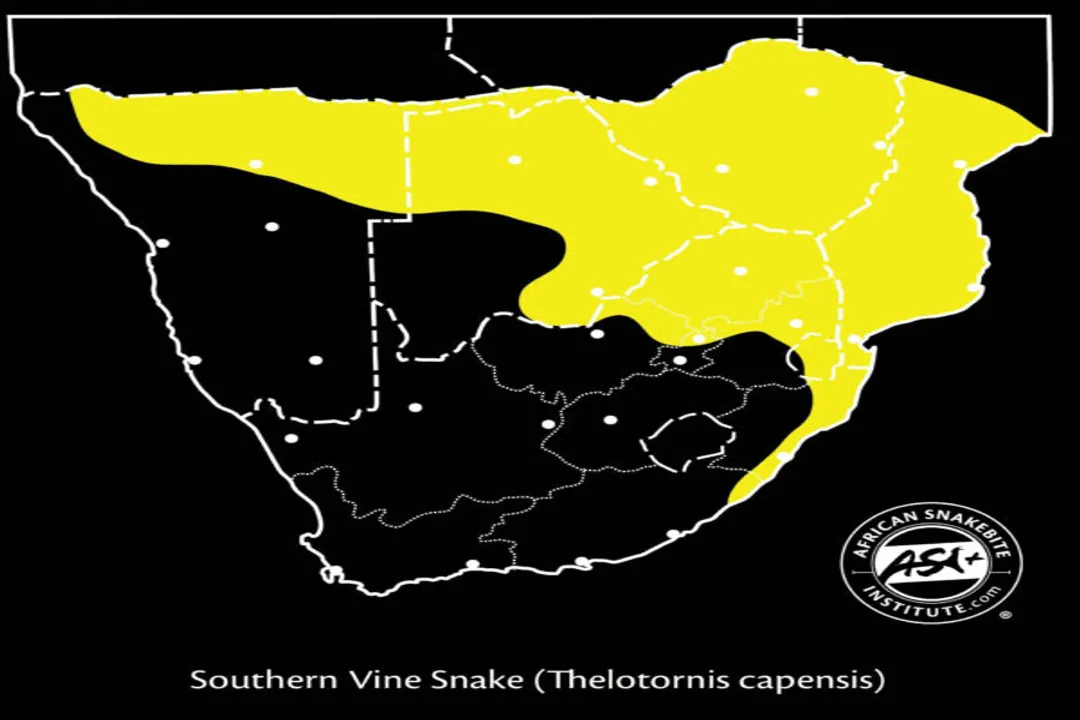
These snakes are primarily found across parts of Africa. The genus Thelotornis includes several species, with the Forest Vine Snake (T. kirtlandii) being one recognized member. Others, like the species commonly encountered in the southern parts of the continent, inhabit a range extending through various African environments. They are generally arboreal, meaning they spend a significant amount of time off the ground, maneuvering through bushes, shrubs, and trees. This preference for elevated cover influences where encounters might occur. A person clearing dense brush, pruning high branches, or even climbing structures in wooded areas of their range faces a higher risk of interaction than someone strictly walking on open ground.
The range can vary by species, but their distribution covers large swathes of tropical and subtropical Africa. For example, species like Thelotornis mossambicanus or related vine snakes are well-documented in Southern African contexts. Their ability to remain perfectly still while draped over a branch makes them difficult to spot even when observers know they are present, especially since they are not necessarily sluggish; they are capable of quick strikes when necessary.
# Identification Markers
Distinguishing a Thelotornis from a harmless vine or twig is essential for safety. Beyond the general twig-like appearance, look for specific herpetological features. As noted, the vertical pupils are a key identifier. Their heads are typically long and slender, often broader than their neck, but this can be misleading when the snake is stretched out camouflaging itself.
A useful distinction for identification, often noted by field guides, relates to the scaling patterns and overall build, though these require expert eyes. For the general public, the key takeaway is the context and shape combined with knowing the local fauna. If a slender, twig-like snake with a relatively long body is found in the trees or dense scrub of Sub-Saharan Africa, it must be treated as potentially lethal until proven otherwise. If one has the ability to safely observe from a distance and capture a clear image, the pattern of elongated scales on the back and the large eyes with vertical pupils become the critical features to confirm the identification as a bird snake or vine snake. Understanding that their defensive strategy relies on remaining hidden, rather than fleeing, means that if you do see one, it is likely because you have entered its personal space, increasing the chance of a defensive bite. Their reliance on excellent camouflage means that even experienced snake handlers can be surprised by a sudden movement from an object they assumed was inert vegetation.
Related Questions
#Citations
Twig snake - Wikipedia
Bird Snake - Thelotornis usambaricus - A-Z Animals
thelotornis capensis vine/bird snake - Facebook
Bird Snake (Thelotornis kirtlandii) - iNaturalist
The secretary bird is one of those incredible animals immune to ...
Southern Vine Snake - African Snakebite Institute
How toxic is the venom of the twig snake? - Quora