What's the most venomous snake in Mexico?
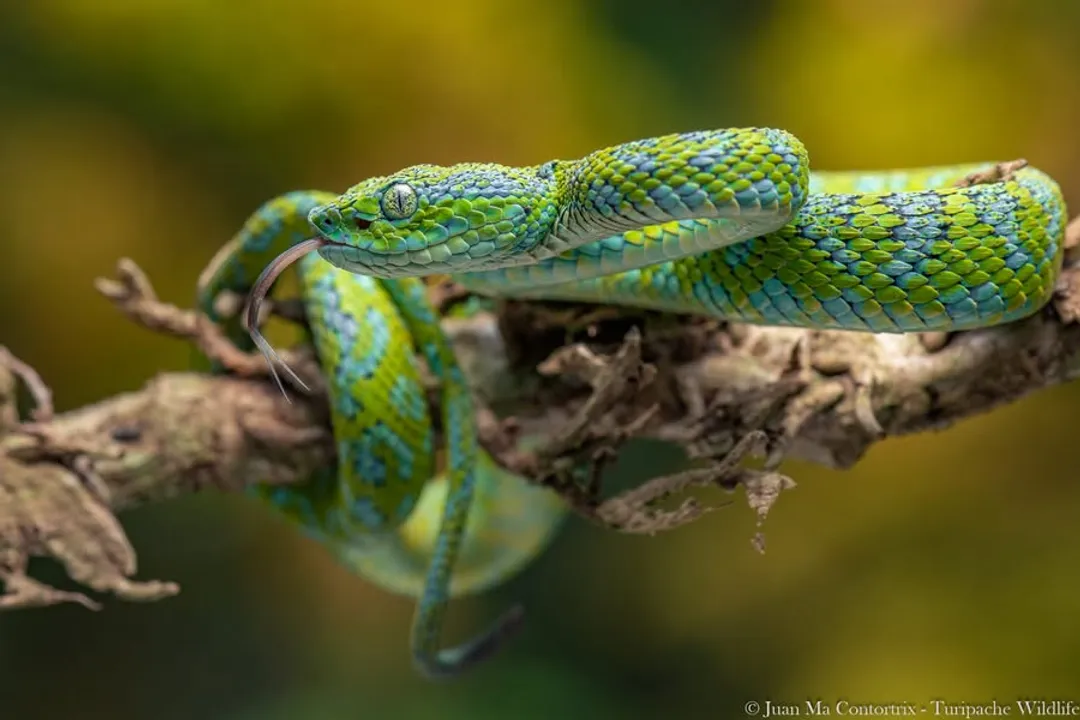
Determining the single "most venomous" snake in a country as biologically diverse as Mexico is inherently complex, as the answer shifts depending on whether one prioritizes venom potency (toxicity per drop) or the frequency of medically significant envenomations. Mexico is home to a significant array of venomous reptiles, primarily members of the pit viper family (Viperidae), which includes rattlesnakes, cantils, and lanceheads.
# Cantil Potency
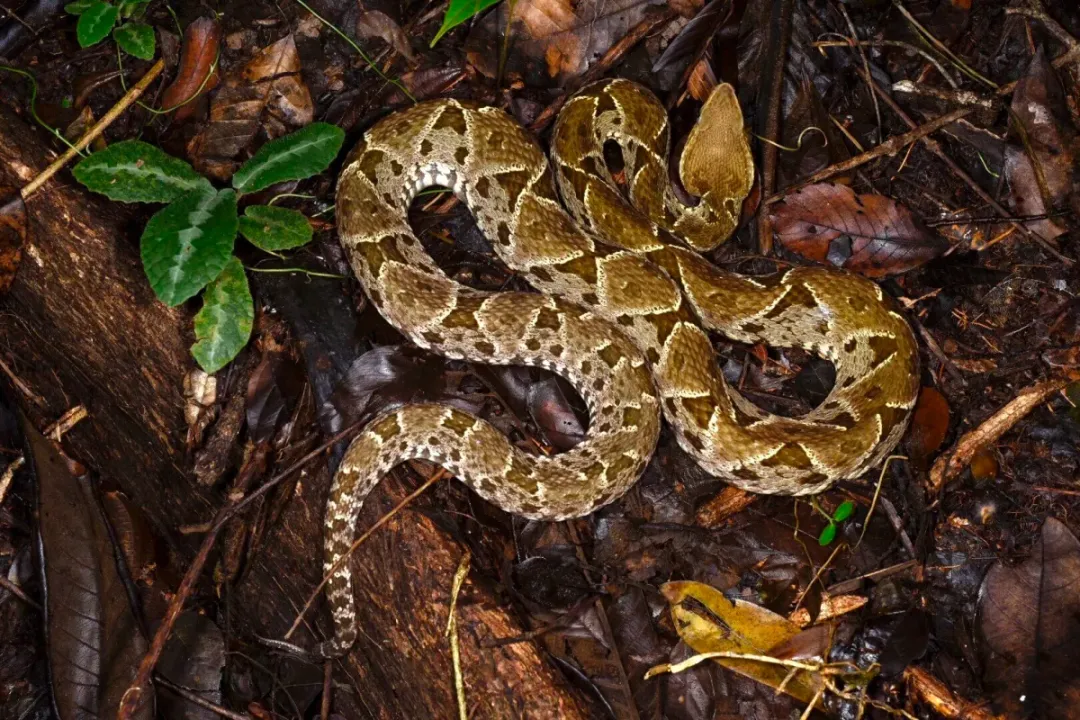
One species frequently cited for its extremely potent venom is the Cantil (Agkistrodon bilineatus), sometimes referred to as the Mexican watersnake or moccasin. This snake is a member of the pit viper subfamily and is primarily found in the southern regions of Mexico and extending into Central America. Its venom is known to be highly toxic, possessing strong hemotoxic properties that damage blood cells and tissues. Because of this high toxicity, encounters with the Cantil demand immediate and specialized medical attention.
# Fer-de-Lance Presence
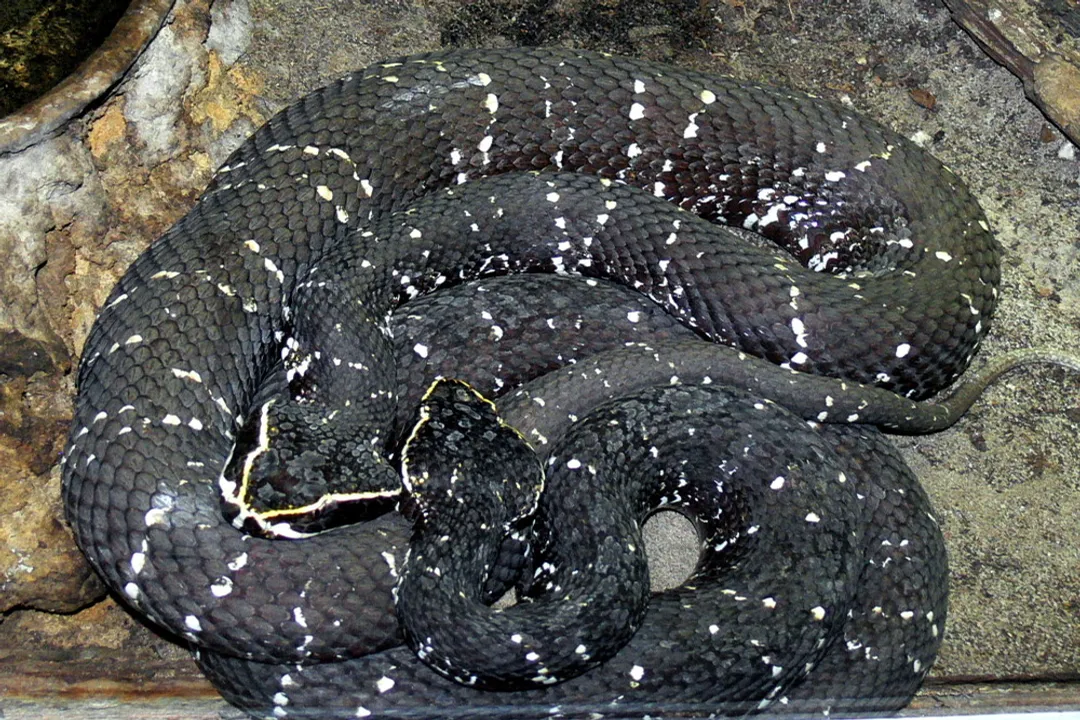
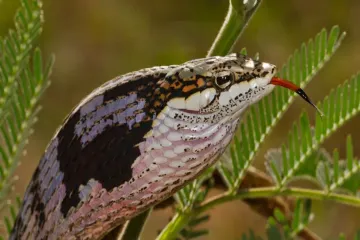
Closely related to the Cantil, and often implicated in severe envenomations in the same geographical areas, is the Fer-de-Lance (Bothrops asper). This species is also recognized as highly venomous. While the Bothrops genus is widespread, B. asper specifically inhabits the southern reaches of Mexico, sharing territory with A. bilineatus. In areas like Palenque, it can be difficult for the untrained eye to distinguish between these dangerous pit vipers, as visual identification for a definitive Bothrops versus Agkistrodon can be challenging, leading to uncertainty when one is encountered in the field.
# Rattlesnake Incidence
When looking strictly at the public health impact—the sheer number of hospital visits and documented bites—the picture changes, often pointing toward the genus Crotalus, the rattlesnakes. Although the venom of certain pit vipers like the Cantil may be more intrinsically toxic on a laboratory scale, rattlesnakes are responsible for the majority of serious snakebite incidents across Mexico. This difference between intrinsic venom potency and epidemiological impact is a crucial distinction when labeling any single snake as the "most" dangerous.
In regions such as Oaxaca, for example, medical professionals frequently treat bites from rattlesnakes like the Four-Lined Rattlesnake (Crotalus quartus) and the Mexican West Coast Rattlesnake (Crotalus basiliscus), alongside bites from Bothrops species. Rattlesnake venom is typically a complex cocktail, often including potent neurotoxins and hemotoxins, causing significant systemic damage.
# Venom Comparison
The three major venomous groups in Mexico—Agkistrodon, Bothrops, and Crotalus—all possess venom that targets the circulatory system, though the precise balance of toxins varies. The Agkistrodon bilineatus (Cantil) is noted specifically for its very potent venom. Meanwhile, Bothrops asper is similarly regarded as highly venomous. Rattlesnakes often introduce a significant amount of venom due to their size and defensive striking pattern, compounding the effect of their toxins.
To illustrate the distribution of these key species and their general characteristics, consider this comparison:
| Genus/Species Example | Common Name | Primary Geographic Association (Southern/Central) | Venom Type Summary |
|---|---|---|---|
| Agkistrodon bilineatus | Cantil | Southern Mexico, coastal lowlands | Very Potent Hemotoxin |
| Bothrops asper | Fer-de-Lance Group | Southern Mexico, wet lowlands | Highly Venomous (Predominantly Hemotoxic) |
| Crotalus spp. (e.g., C. basiliscus) | Rattlesnakes | Widespread, prominent in regions like Oaxaca | Mixed (Neurotoxic and Hemotoxic elements) |
Understanding that the specific species identification is often difficult, especially in the humid southern zones where the Agkistrodon and Bothrops inhabit, reinforces the need for caution regardless of the exact species encountered there. It is prudent to assume the highest level of danger when dealing with any terrestrial pit viper in these areas.
# Regional Safety Context
The distribution of these snakes heavily influences local safety concerns. If you are traveling through the lowlands of southern Mexico, near areas like Palenque or the Gulf Coast, you are in the heart of Cantil and Fer-de-Lance territory. These snakes are often associated with water bodies or dense vegetation, sometimes leading to encounters by people working or hiking near these environments.
Conversely, when visiting mountainous or drier inland areas, such as parts of Oaxaca, the risk profile shifts slightly toward the larger-bodied rattlesnakes, which may be encountered in scrubland or rocky outcrops. A significant piece of practical advice for any visitor or resident in these regions is to never walk off established trails or reach into areas where visibility is limited, as this is a common failure scenario leading to defensive bites from vipers that rely on camouflage.
When you are in known habitats for Crotalus species in Oaxaca, for instance, the presence of these rattlesnakes often means they are more exposed than their elusive, forest-dwelling cousins, making vigilance in open areas equally necessary. If you hear that distinct rattle, maintain a distance of several body lengths; these animals generally prefer retreat over confrontation unless they feel directly threatened or stepped upon.
# Handling Encounters
For anyone spending time in the ecosystems where these venomous species thrive, preparedness is key. Given the serious nature of the venom from the Cantil and the prevalence of bites from Crotalus species, understanding local medical response capability is not just useful—it's vital. While snakebite antivenom exists, prompt administration significantly improves outcomes, meaning knowing the nearest clinic equipped to handle severe envenomation is as important as knowing the snake’s appearance.
If you observe a snake of uncertain identification in a known viper habitat, the safest course of action is always to stop, observe the animal from a distance, and slowly back away without sudden movements. Attempting to capture, handle, or harass the animal, regardless of its perceived venom category, drastically increases the risk of a defensive strike. This remains true whether the snake is a Bothrops, Agkistrodon, or Crotalus species.
Ultimately, while the Cantil (Agkistrodon bilineatus) often presents the profile of the most toxic snake due to its highly potent venom components, the Rattlesnakes (Crotalus species) create the highest overall burden of serious snakebite medical emergencies in Mexico due to their widespread distribution and sheer numbers. There is no single undisputed titleholder; rather, Mexico presents a spectrum of danger, with different species reigning supreme depending on the specific measure applied.
#Videos
The Deadliest Snakes Of Mexico - YouTube
The Most Dangerous Snake in the Americas! - YouTube
Related Questions
#Citations
The Deadliest Snakes Of Mexico - YouTube
Agkistrodon bilineatus - Wikipedia
What is this snake we saw in [Mexico, Palenque]? - Reddit
Exploring Mexican Wildlife, Part 2: Snakes
The venomous snakes of Mexico: A fertile field for research, two ...
Venomous snake species in Chiapas, Mexico - Facebook
Central American fer-de-lance - The Dallas World Aquarium
Rare Venomous Pit Viper Snakes From Mexico - TikTok
¡Ojos! Watch Out!!! Avoiding the Venomous Snakes of Oaxaca | The