How venomous is a twig snake?
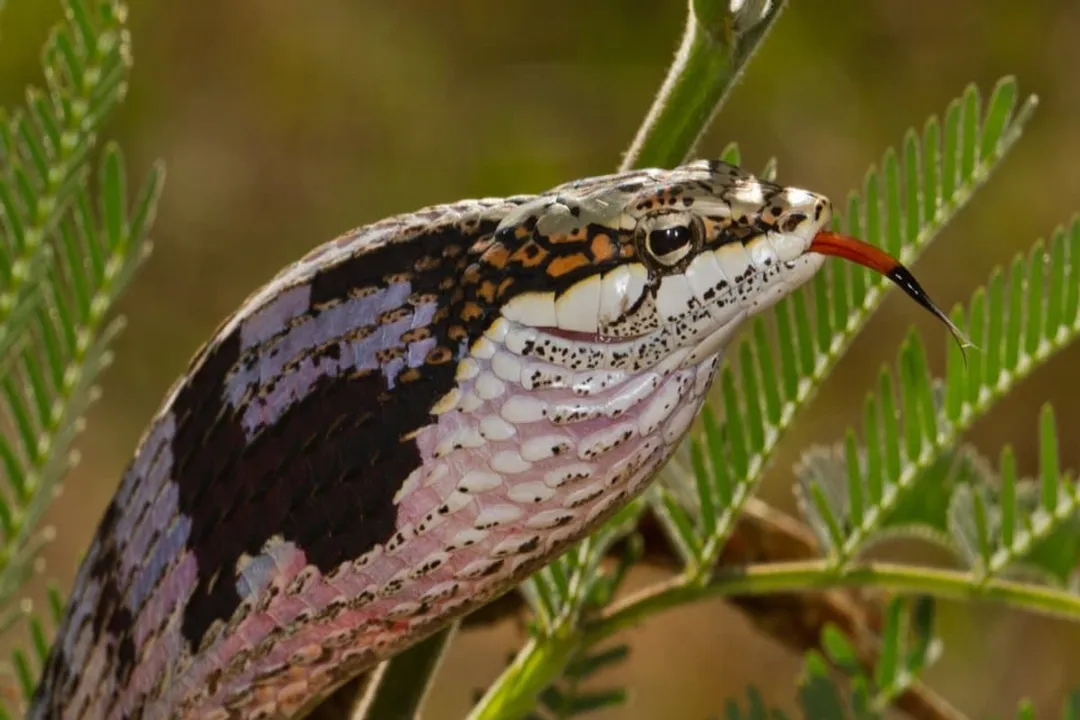
The phrase "twig snake" often conjures an image of harmless, stick-like camouflage, but when discussing the African Thelotornis genus, that appearance hides a significantly dangerous reality. These snakes, native to parts of Africa, are among the few species within the Colubridae family—a group often associated with mild venom—that possess a bite capable of causing severe, even fatal, envenomation in humans. Understanding the venom's nature is critical because it doesn't behave like the immediate, painful strike of a cobra or viper; its effects are insidious and delayed.
# African Species
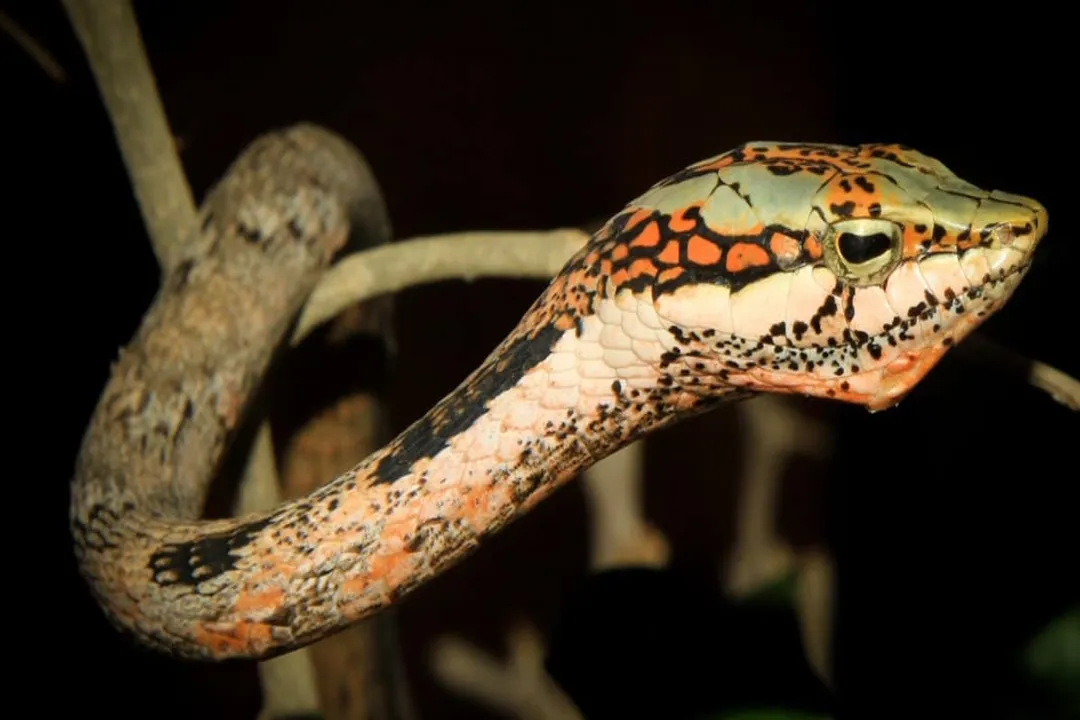
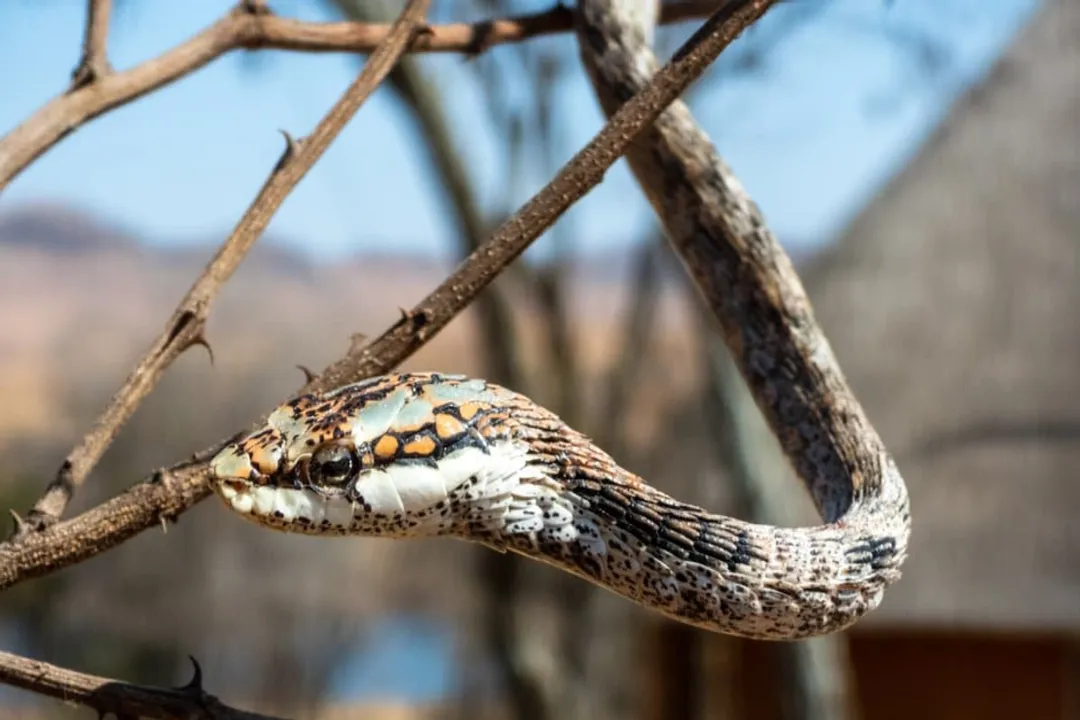
The snakes commonly referred to as African twig snakes belong to the genus Thelotornis, which includes four recognized species such as Thelotornis capensis (the Savanna vine snake) and Thelotornis kirtlandii (the Forest vine snake). They are instantly recognizable to the trained eye by their slender, elongated profiles, narrow heads, pointed snouts, and distinctive horizontal, keyhole-shaped pupils. Their coloration, typically greyish-brown with darker markings, allows them to blend perfectly into their tree and shrub habitats, sometimes swaying gently like a real twig in the breeze—hence the common name.
These snakes are classified as rear-fanged (opisthoglyphous). While this anatomical feature often leads people to believe they must "chew" to deliver a significant dose, reports indicate that the risk of envenomation, though rare overall, is still a concern, especially when handling them, as their fangs can find purchase in vulnerable areas like the soft web between the fingers.
# Venom Potency
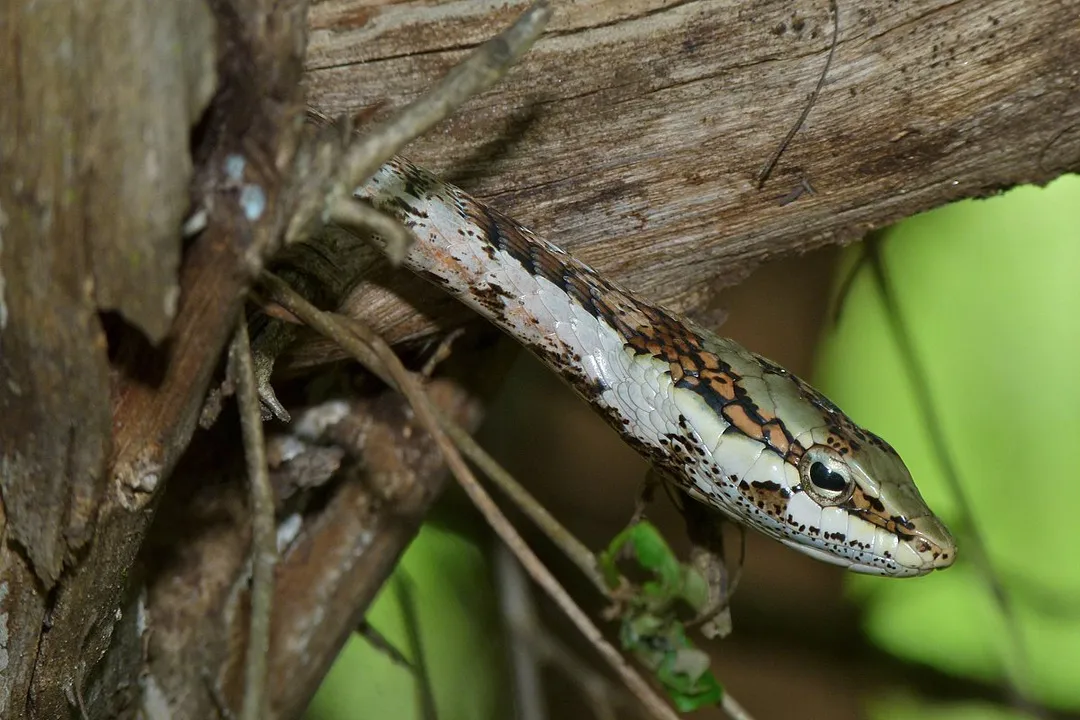
The venom delivered by Thelotornis species is highly potent. Unlike many of the rapid-acting neurotoxins seen in elapids, the venom of the twig snake is primarily hemotoxic. This means the toxins are specifically evolved to attack the blood system. The principal mechanism involves severe interference with the body's blood clotting cascade, leading to a condition known as coagulopathy.
For a victim bitten by an African twig snake, the immediate reaction is often minimal. Initial bite sites may be described as painless or showing only slight symptoms. This deceptive mildness is a key feature of its danger profile. When the venom successfully enters the system, it sets off a chain reaction that results in uncontrolled bleeding and internal hemorrhaging. This can manifest externally as bruising, bleeding from the mucous membranes, or blood in the urine, all while the victim may feel relatively fine for hours following the initial incident.
It is perhaps this delayed, hemorrhagic effect that distinguishes the risk profile of the African twig snake from many other medically significant species. Where a highly potent neurotoxic bite can lead to respiratory failure within minutes or hours, the coagulopathic effects of Thelotornis can take a day or more to fully incapacitate the victim, yet the outcome without treatment can be just as lethal due to massive internal blood loss. This slow progression means that someone bitten might dismiss the incident until severe symptoms, like unexplained bruising or internal bleeding, begin to surface days later. Documented cases confirm its lethality; the famous German herpetologist Robert Mertens tragically died after being bitten by his pet Thelotornis capensis.
# Comparative Toxicity Note
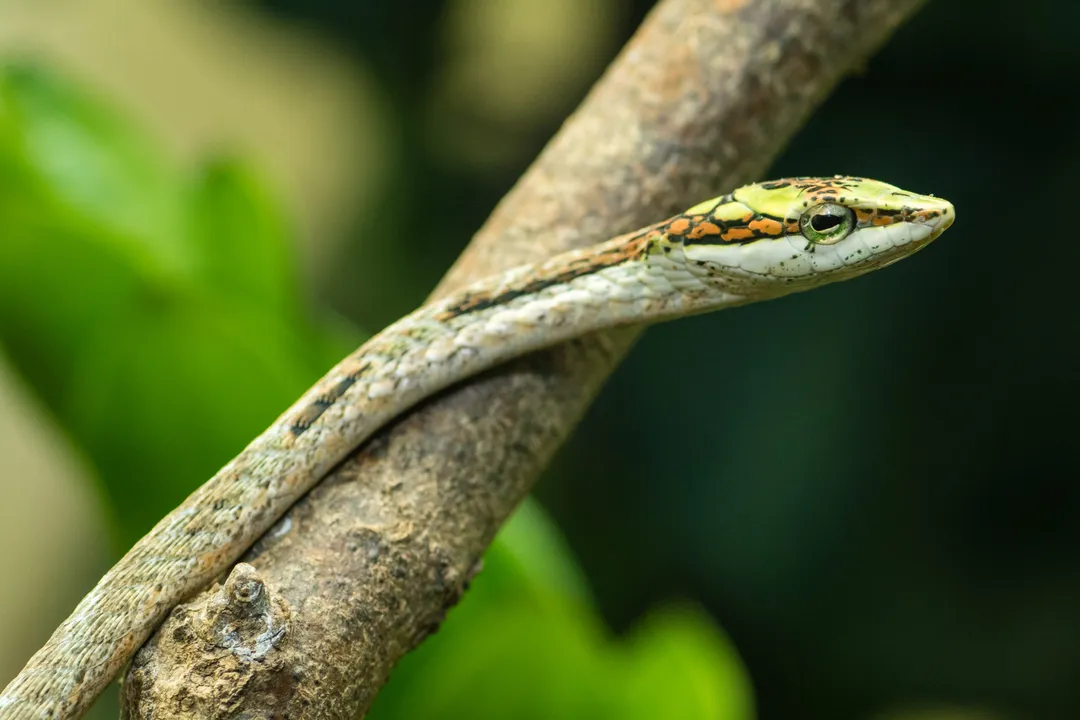
It is important for readers to recognize that the term "twig snake" or "vine snake" is sometimes applied to Asian species (like Ahaetulla) as well. These Asian counterparts are rear-fanged but their venom is generally considered mild by comparison to their African relatives. Bites from Asian species typically result only in localized pain, swelling, or minor numbness, and they are not reliably associated with human fatalities. Therefore, when assessing the danger level, geography is the first piece of information needed after recognizing the snake’s general shape.
# Antivenom and Response
Despite the confirmed lethality of the venom, there is no specific antivenom developed for Thelotornis species. This lack of a targeted medical countermeasure is directly attributed to the extreme rarity of bites in humans. Developing and producing antivenom is an expensive, time-consuming process that requires extensive testing, usually prioritizing species that result in a high volume of bites annually. Because the African twig snake bites humans infrequently—often only when handled—it falls outside the priority for antivenom production.
When an envenomation is suspected, immediate medical evaluation is mandatory, even if symptoms are absent. Because the venom is hemotoxic, medical professionals focus on monitoring coagulation markers—like Prothrombin Time (PT/INR) and fibrinogen levels—which reveal the clotting interference. Treatment is therefore supportive, often requiring the administration of blood products and clotting factors to counteract the ongoing internal hemorrhage, rather than a direct antivenom injection.
The general first-aid advice aligns with managing a severe systemic threat: keep the patient calm and immobilized, keep the bitten limb below heart level to slow venom spread, and seek emergency medical help immediately. It is crucial to avoid outdated practices like applying tourniquets or cutting the wound, which can worsen the outcome of a coagulopathic bite.
The absence of an antivenom creates a unique public health challenge in regions where these snakes are present. While the incidence of bites is low, the severity of the potential outcome means that standard regional anti-venom stockpiles—often focused on terrestrial vipers or elapids—might offer no specific defense against the Thelotornis toxin. This means that for individuals in its native range, understanding that treatment will rely on specialized blood support, rather than a simple injection, is a crucial piece of preparedness information. Furthermore, while the snake's shy nature and camouflage protect it from many encounters, the very experts who study it—herpetologists—are often those at highest risk due to close handling, as tragically demonstrated by Mr. Mertens' death. If a person is bitten by one of these African species, the most important factor determining survival is the speed with which they reach a medical facility capable of advanced hematological support, even if the bite initially feels trivial.
Related Questions
#Citations
Twig snake
How toxic is the venom of the twig snake?
Cape Twig Snake
Twig Snake Animal Facts - Thelotornis capensis
A deceptively deadly twig : r/VenomousKeepers