Are night snakes venomous to humans?
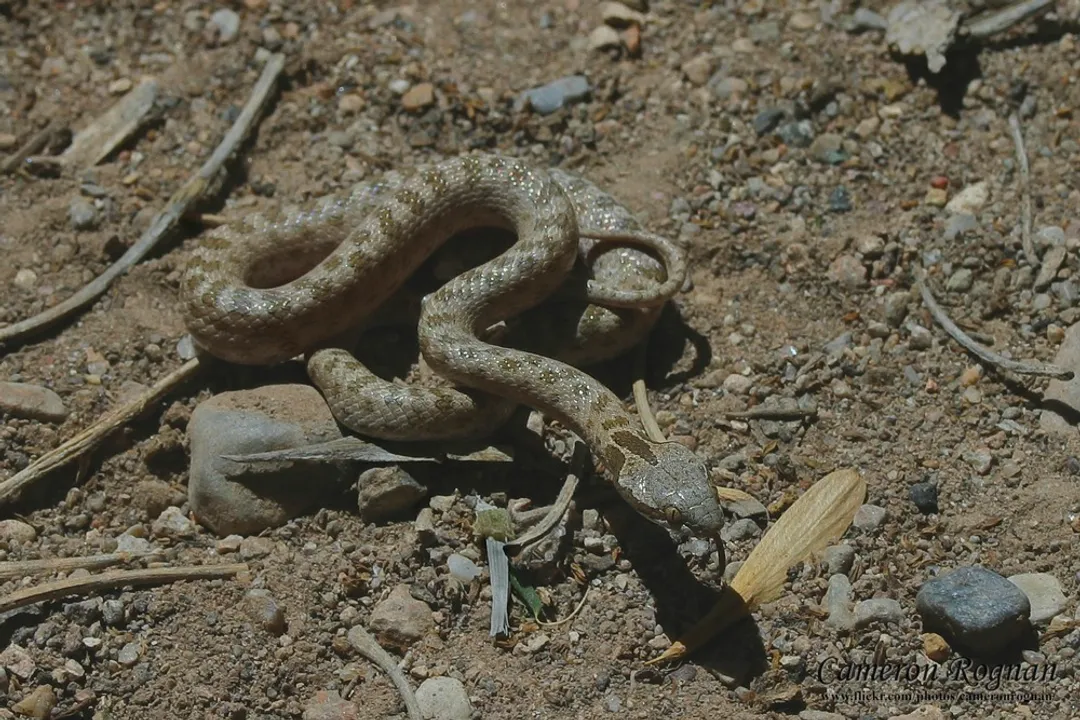
The primary concern surrounding any snake encounter centers on its venom, and for the Night Snake (Hypsiglena species), the answer requires a crucial distinction: are they venomous, and if so, does that venom affect humans? The short answer is that Night Snakes are venomous, but not in a way that poses a medical threat to people. [1][2][3][5][6][7] These snakes possess modified saliva containing toxins intended to subdue their preferred prey, which consists mainly of lizards and small amphibians. [1][6]
# Venom Status
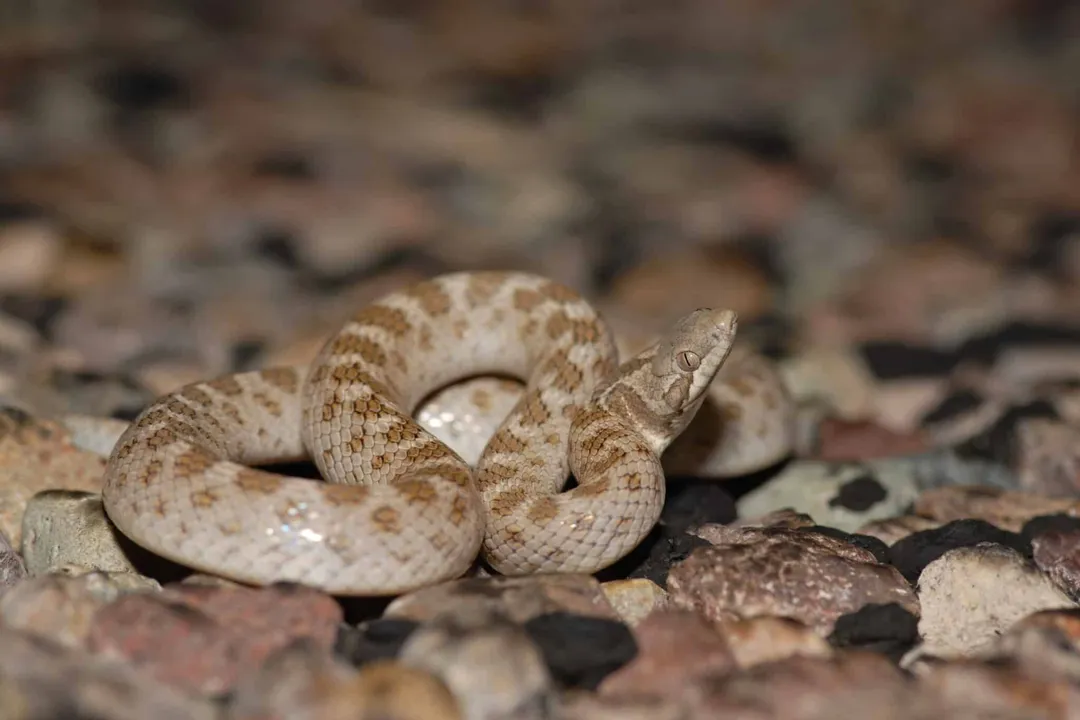
For the average person, a Night Snake bite is considered entirely harmless. [7] While they do produce venom, its potency is specifically tailored to their small, cold-blooded diet. [2][3] The venom of the Night Snake is generally described as mild, enough to incapacitate a lizard but not potent enough to cause significant adverse reactions in mammals like humans. [1][5] This is a common feature in many rear-fanged snakes where the venom's effectiveness is highly specialized for specific prey types. [7]
# Fang Mechanics
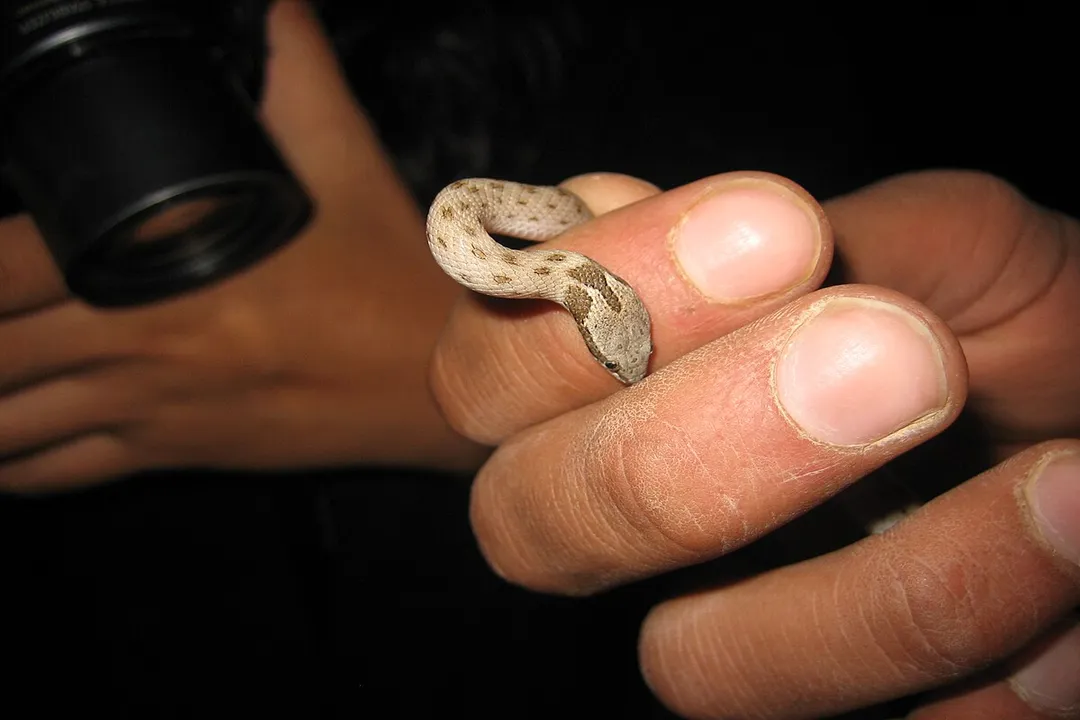
The physical mechanism of venom delivery further minimizes any potential risk to humans. [3] Night Snakes are classified as rear-fanged or opistoglyphous. [2][7] This means their specialized teeth, which deliver the venom, are located far back in the upper jaw, often behind the main set of teeth. [2] For a human to receive an envenomation from one of these snakes, the snake would need to latch onto the flesh and chew, an unlikely event during a typical defensive nip. [2][3] Furthermore, their fangs are relatively small. [5] While they might still bite defensively if handled or trapped, [1] the combination of low venom potency for humans and the physical difficulty of delivering that venom makes them non-medically significant. [3][7]
# Identifying Features
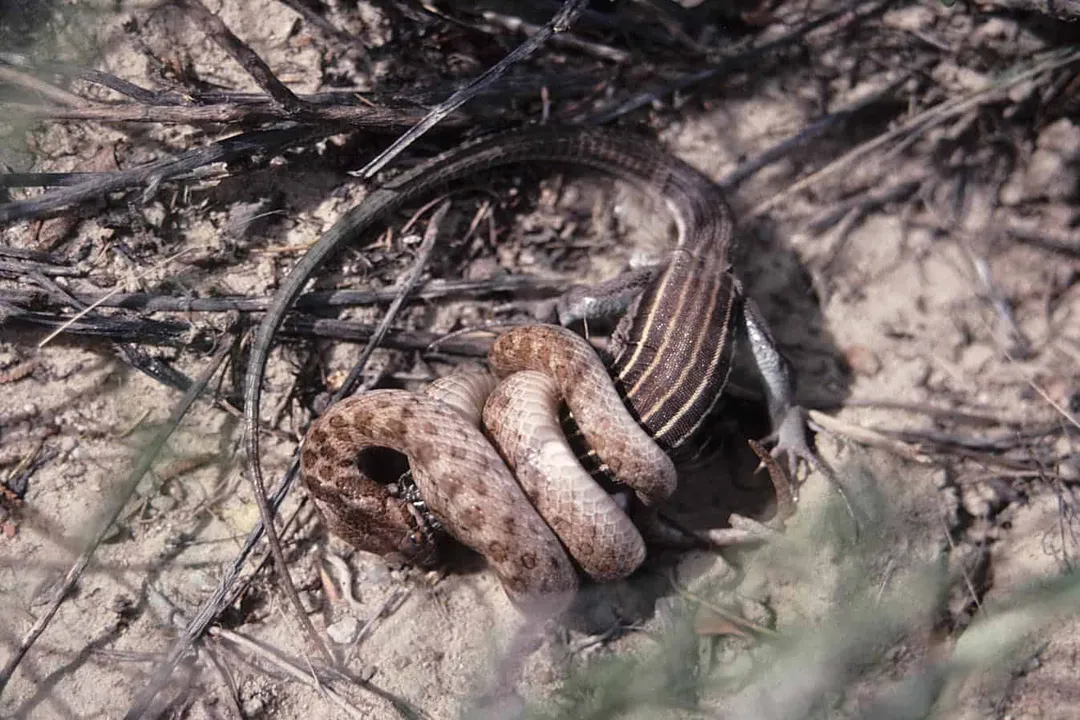
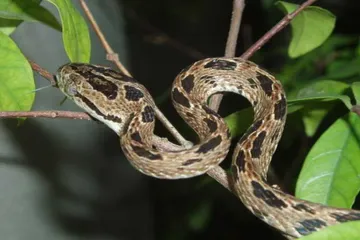
Confusion often arises because many people encounter these small snakes at night and fear any snake bite, regardless of species. [2][6] Accurate identification is key to understanding the actual risk level. Night Snakes are small and slender, typically measuring less than two feet in length. [1][5] They often have a pattern of dark, irregular blotches running down a lighter body color. [1] A very distinctive feature, noted across several regions, is the presence of dark spots on the neck or a dark line extending through the eye. [1][7] Some sources also point out specific markings related to regional subspecies, such as the Chihuahuan Night Snake or the Desert Night Snake found in areas like Colorado. [4] Knowing to look for these small markings, perhaps aided by a flashlight in the dark, can provide immediate reassurance that the snake is one of the harmless, native varieties. [7]
# Habitat Behavior
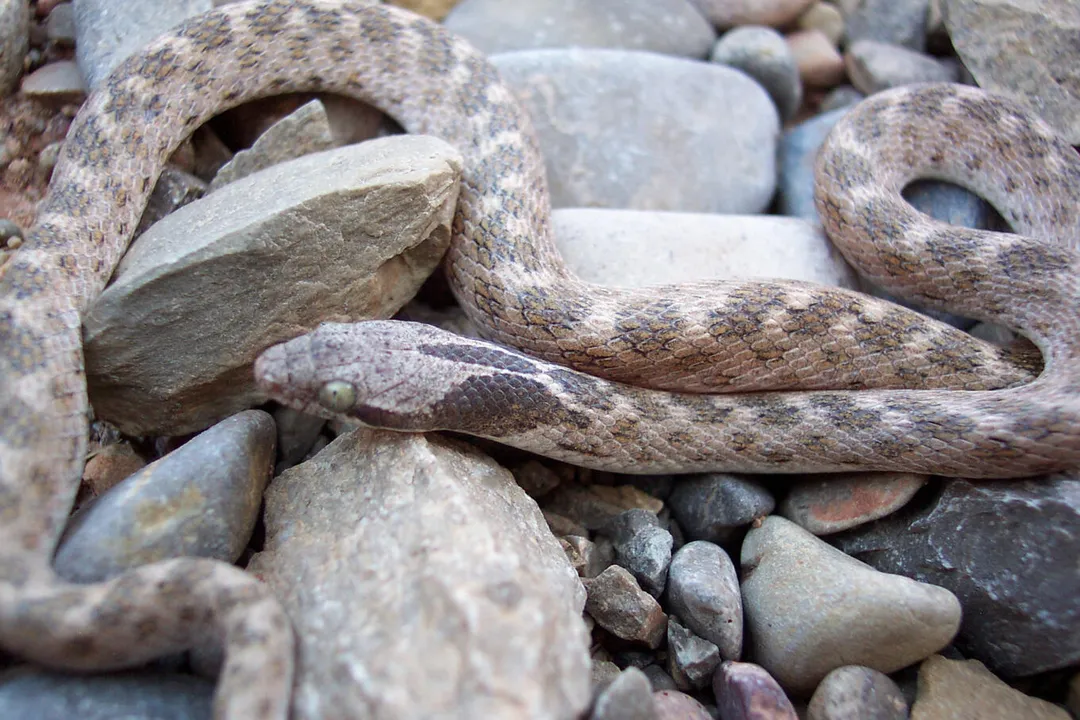
The very nature of the Night Snake works in our favor when it comes to human safety. As their name implies, they are primarily nocturnal. [2][6] They spend their days hidden away under rocks, logs, or dense vegetation. [2] This secretive, nocturnal habit means that accidental encounters, especially during daylight hours when most people are active, are relatively uncommon. [6] They prefer arid or semi-arid environments, often being found near rocky outcrops or scrubland. [2][4]
# Defensive Response
When confronted, a Night Snake’s first instinct is almost always to flee or remain perfectly still. [2] If cornered or roughly handled, they will resort to defense. [1] A defensive bite is usually a quick snap or a small nip, rarely resulting in a substantial injection of venom, if any at all. [1][3] For the observer or handler, the risk remains minimal, primarily resulting in minor irritation rather than systemic effects, especially if the snake is simply identified and left alone. [7]
# Risk Comparison
It can be helpful to put the minuscule risk of a Night Snake bite into perspective. While nearly any animal bite carries a theoretical risk of secondary infection from bacteria in its mouth, the actual venomous danger is negligible. When considering reptile risks in an area, the Night Snake's danger level ranks far below that of true medically significant venomous snakes in the same ecosystems. If one were to assign a risk score out of 100 for a severe medical emergency, a Night Snake bite would register closer to zero, whereas a bite from a large pit viper might register 70 or higher depending on the species and circumstances. Understanding that the "venomous" label applies only to their meal and not to us simplifies the appropriate response, which should be one of respect for a beneficial predator, not panic. [1][6]

# Coexistence Advice
When you encounter a Night Snake—perhaps crossing a trail after a rain or glimpsed near a porch light—the best course of action is simply to observe it from a distance and let it move on. [2] These snakes play an important ecological role by controlling populations of pests like lizards, which can sometimes carry ticks or compete with native birds. [1] Instead of trying to capture or relocate it, which increases the chance of a defensive interaction, take a moment to appreciate its unique markings, perhaps noting the pattern on its head or neck, and then gently give it space to disappear back into the shadows. [4][7] For homeowners, ensuring there are no easy hiding spots right next to the foundation, such as piles of debris or wood stacks, can reduce the chance of startling one indoors, though their preference for natural cover usually keeps them away from well-kept homes. [2] Embracing their secret, nighttime habits means we rarely need to worry about them at all.
Related Questions
#Citations
Night Snake Facts - NatureMapping Foundation
Desert Nightsnake (Hypsiglena chlorophaea) - Desert Museum
Hypsiglena torquata - Wikipedia
Chihuahuan Nightsnake and Desert ... - Colorado Parks and Wildlife
Is this snake dangerous? My cat was messing with it and got bit ...
What species is this? And is it venomous? Located in Payson, AZ
Night Snake - Hypsiglena torquata - A-Z Animals
Night Snake (Hypsiglena torquata) - Red Cliffs Desert Reserve
Nightsnakes found in California