Is the Indian cobra extinct?
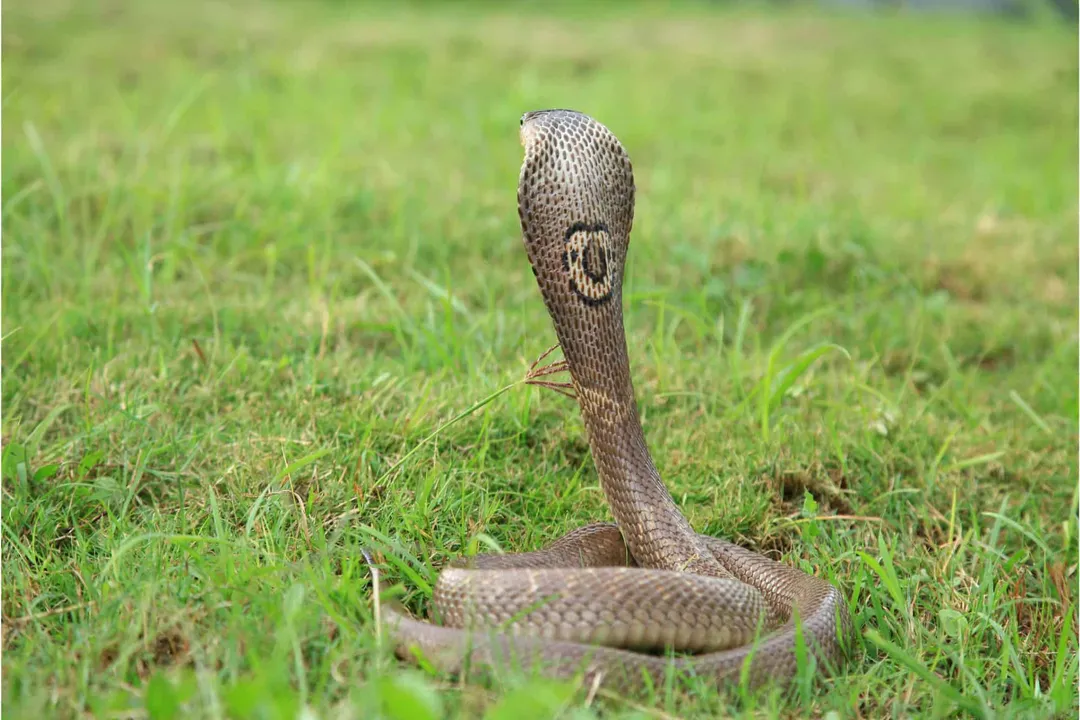
The notion that the magnificent Indian cobra might have vanished from the wild is far from the truth, as this serpent remains a notable fixture across South Asia. [1][6][7] Its continued presence, often in close proximity to human settlements, is well-documented throughout its historical range, suggesting that extinction is not an immediate concern for the species as a whole. [4] When we speak of the Indian cobra, we are typically referring to Naja naja, a species with a rich, if sometimes feared, cultural history tied to the subcontinent. [1]
# Current Status
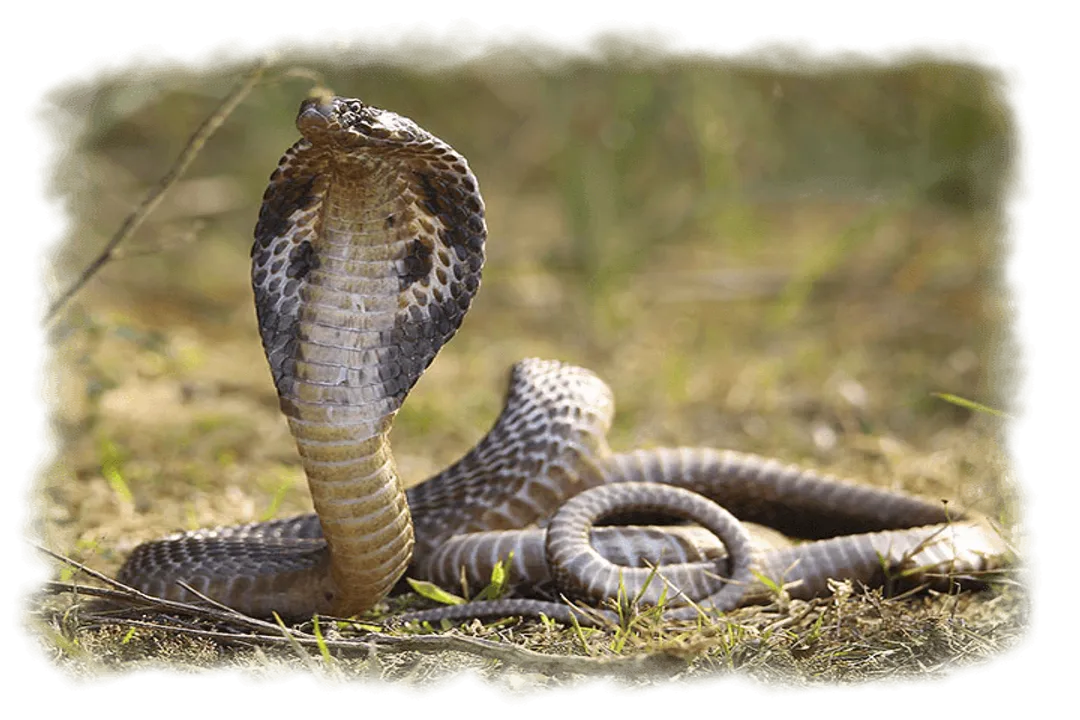
The Indian cobra is decidedly not extinct. It is widely distributed and, while facing localized pressures, maintains a presence across much of India and surrounding regions. [1][4] The species belongs to the genus Naja, which encompasses cobras worldwide. [8] Unlike species driven to localized disappearance due to rapid habitat collapse or over-collection, Naja naja demonstrates significant adaptability, thriving in environments ranging from dense forests to agricultural plains and even semi-urban interfaces. [1][2]
# Taxonomic Grouping
Scientifically classified as Naja naja, this snake is often specifically termed the Indian spectacled cobra due to its distinctive hood marking. [6] This common name highlights one of its most recognizable features, distinguishing it within the broader Naja genus. [8] It is important to recognize that while the species has a recognized identity, the historical understanding of its taxonomy has seen shifts, with various local populations once considered separate species now often grouped under this single designation. [1] Understanding its place within the Elapidae family confirms its status as a highly venomous snake. [9]
# Hood Display
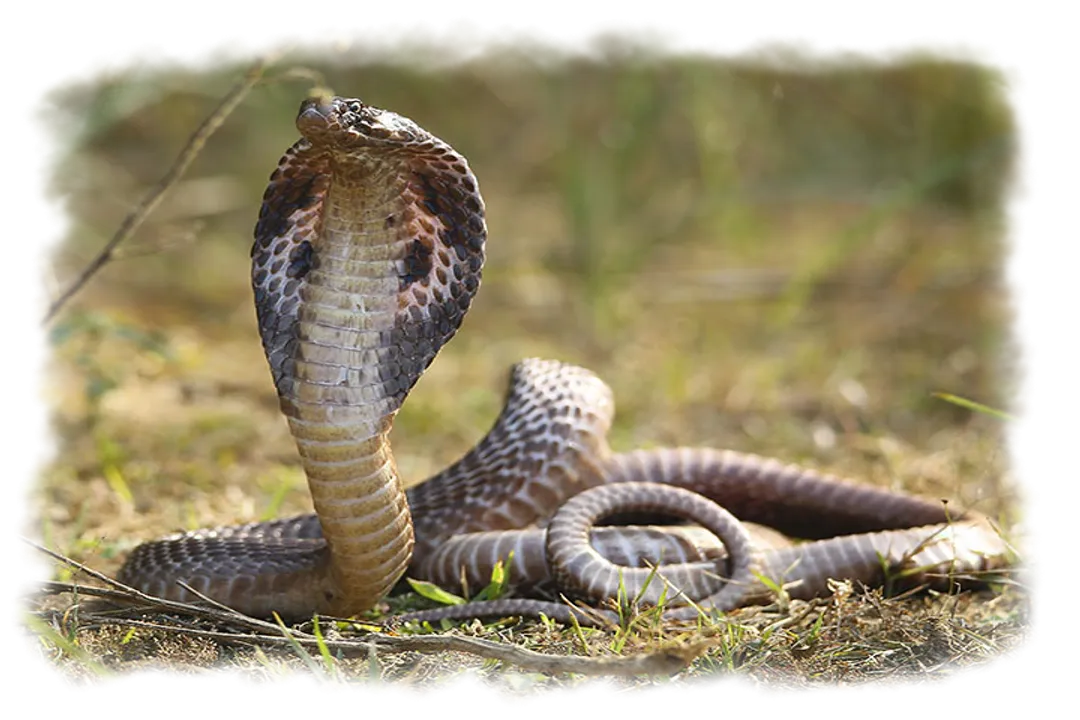
The physical characteristics of the Indian cobra are instantly recognizable. When feeling threatened or preparing to strike, the snake flares the ribs in its neck region to form a wide hood. [2] This display is primarily defensive, designed to make the snake appear larger and more intimidating to a potential predator or threat. [7] The most iconic feature supporting its common name is the marking often found on the back of this hood, which typically resembles a pair of spectacles or a monocle pattern. [6] While the overall coloration can vary significantly—appearing black, brown, or even yellowish—the hood pattern is a key identifier, though its clarity can differ based on age, geography, and recent shedding. [1][7] Adult cobras of this species generally reach lengths of around 1.1 to 1.5 meters, though larger specimens have been recorded. [2]
# Range Wide
The geographical distribution of Naja naja spans across the Indian subcontinent. [7] It is native to India, Pakistan, Sri Lanka, and other bordering regions. [1] This wide range contributes significantly to its conservation stability; a problem in one region does not equate to a threat to the entire species population. [4] They are highly adaptable regarding their preferred environment. You can find them in dry scrubland, moist forests, and particularly in areas near human habitation, such as farmlands, gardens, and even within dwellings, drawn by the presence of prey like rodents. [1][2]
The fact that this species is so often found in close quarters with humans provides an interesting contrast to conservation efforts for more secretive, deep-forest species. For Naja naja, survival often depends more on local human tolerance than on the preservation of pristine wilderness. [4]
# Venom Potency
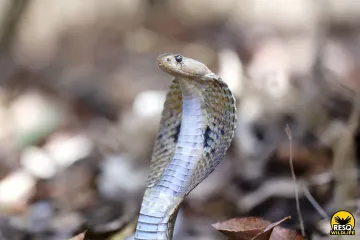
As a member of the cobra group, Naja naja possesses potent venom capable of causing severe harm or death to humans if untreated. [9] The venom is primarily neurotoxic, meaning it attacks the central nervous system, leading to paralysis and respiratory failure. [1] While bites are serious, the snake generally reserves its venom for defense or prey, preferring to flee if possible. [2] The average yield from a single bite can vary, but the complexity of the venom—containing neurotoxins, cytotoxins, and cardiotoxins—is what makes immediate medical attention vital following an encounter. [9]
# Conservation Concerns
Despite not being extinct, the Indian cobra is not without its challenges. The primary threats it faces stem from human activity, which creates a complex dynamic between conservation and public safety. [1][4] Habitat degradation through expanding agriculture and infrastructure development shrinks the available wild spaces. [1] Furthermore, direct conflict leads to significant mortality; snakes killed in retaliation for perceived threats or as a result of direct capture pose a constant drain on local populations. [4]
In regions where human populations are very dense, localized eradication efforts, often driven by fear or economic activity, can create pockets where the cobra seems locally gone, even if the overall species assessment remains stable. [1] It is crucial to differentiate between a species being globally extinct and a local population disappearing due to high levels of human-wildlife conflict.
An interesting point arises when looking at the sheer volume of snakes encountered by rescue organizations. Groups dedicated to reptile rescue often report significant activity dealing with Naja naja removals from residential areas. [5] This high frequency of interaction in populated zones suggests that, while the species is surviving well enough on a national scale, its continued interaction with people keeps mortality rates high in specific zones, creating a perceived scarcity even when the overall numbers are adequate. [4]
To maintain viability in areas where human-snake interaction is inevitable, a practical approach focuses on risk reduction rather than eradication. For residents living near known cobra habitats, simple environmental management can be highly effective. For example, ensuring sheds, woodpiles, or debris are kept neatly stacked and off the ground minimizes the cool, dark hiding spots that attract rodents, which are the cobra's primary food source. Reducing the rodent population near the home naturally reduces the incentive for the cobra to frequent that immediate vicinity. [1][2] This kind of localized, practical adaptation often proves more impactful for day-to-day safety and snake survival in human-dominated landscapes than large-scale habitat preservation alone. [5]
# Adaptable Survival
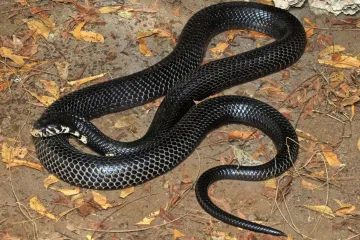
The resilience of Naja naja is intrinsically linked to its opportunistic nature. Unlike specialized predators, this cobra can subsist on a varied diet, primarily consisting of rodents, but also including frogs, birds, and occasionally other snakes. [2] This dietary flexibility allows it to persist even when preferred prey species decline in one specific microhabitat. Furthermore, unlike some snakes requiring strict temperature or humidity ranges, the Indian cobra shows a broad tolerance for differing climatic conditions across its wide territory. [1] This broad ecological niche is the main reason why, despite intense pressure, the species has maintained its status as a common, if sometimes unwelcome, inhabitant of the Indian landscape. [4]
Related Questions
#Citations
Indian cobra - Wikipedia
Indian Cobra Facts & Photos | Wowzerful
Naja naja (Indian Cobra) | INFORMATION - Animal Diversity Web
Indian Cobra (Naja naja) - iNaturalist
Reptiles & Others - Wildlife SOS
Indian cobra | Snake, India, Venom, & Pungi - Britannica
Indian Cobra Animal Facts - Naja naja - A-Z Animals
Cobra | San Diego Zoo Animals & Plants